In the mid-1990s, nestled deep within the Nilgiri Biosphere Reserve, a quiet transformation began. The region, home to vibrant Indigenous communities like the Irula, Kurumba, Paniya and Cholanaiken, was rich in tradition and biodiversity, yet its forest-dwelling people were often denied fair returns for their produce and knowledge. That changed in 1993, when a non-profit organisation called the Keystone Foundation was established with a vision to promote eco-development and support these communities.
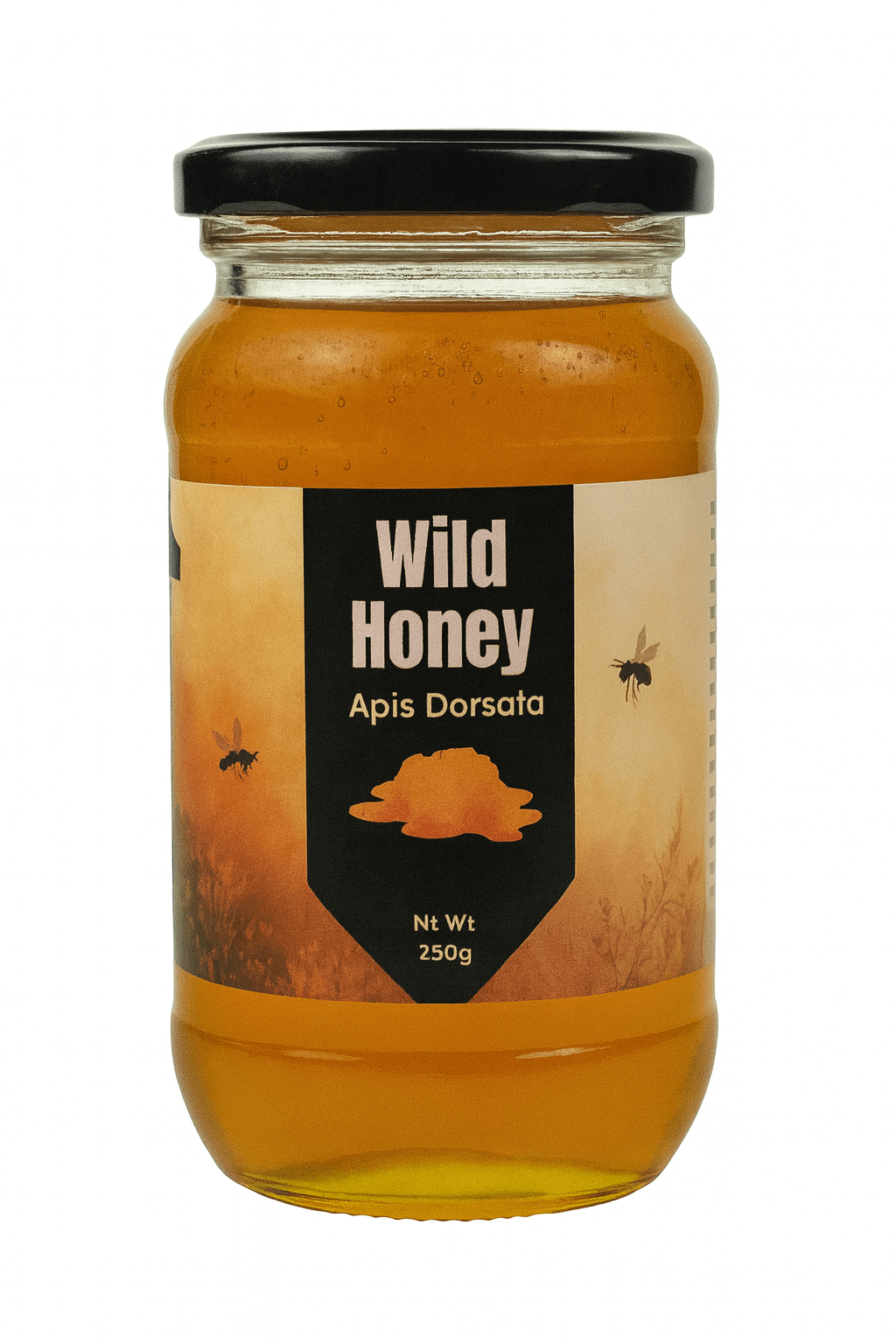
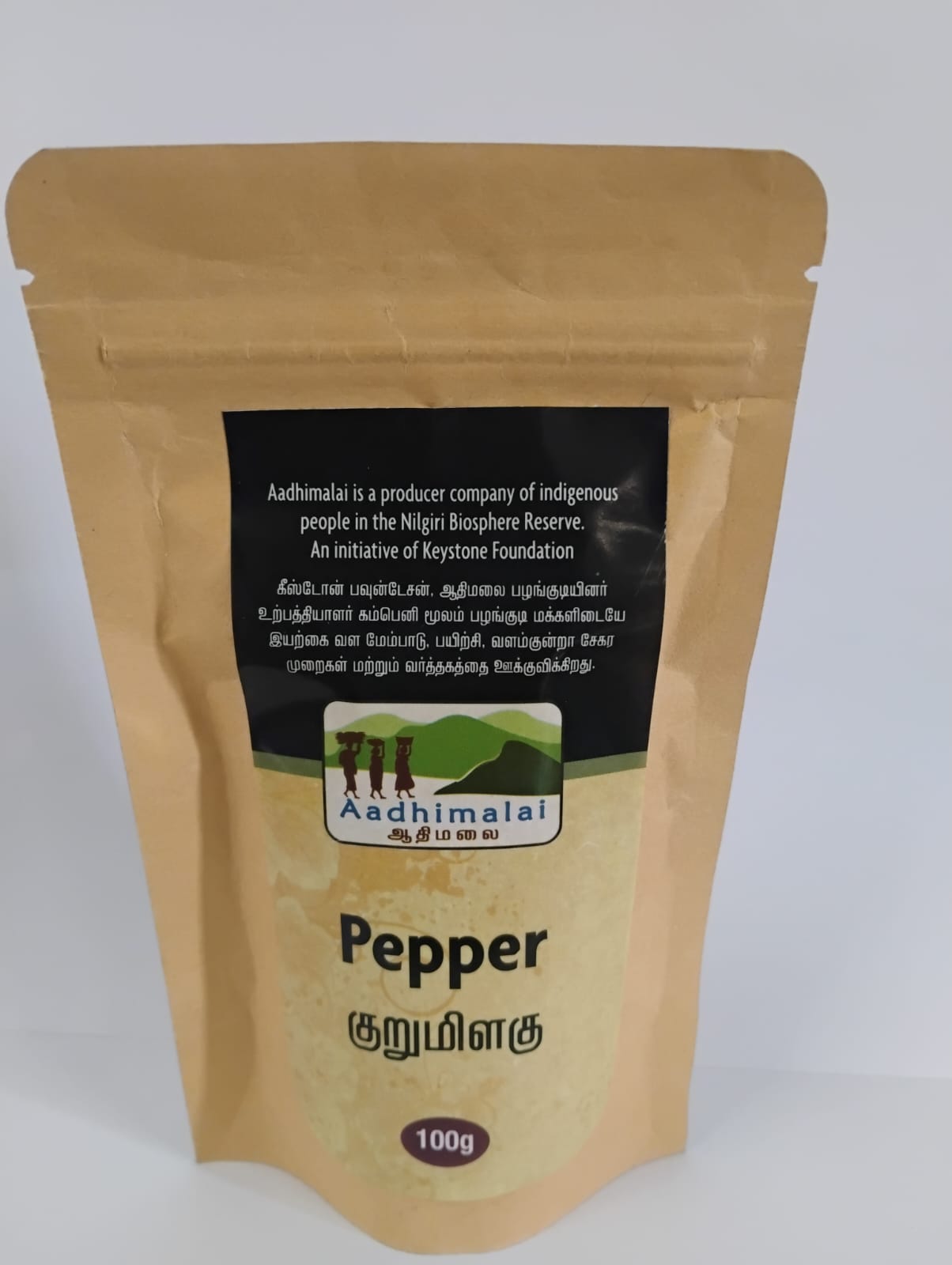
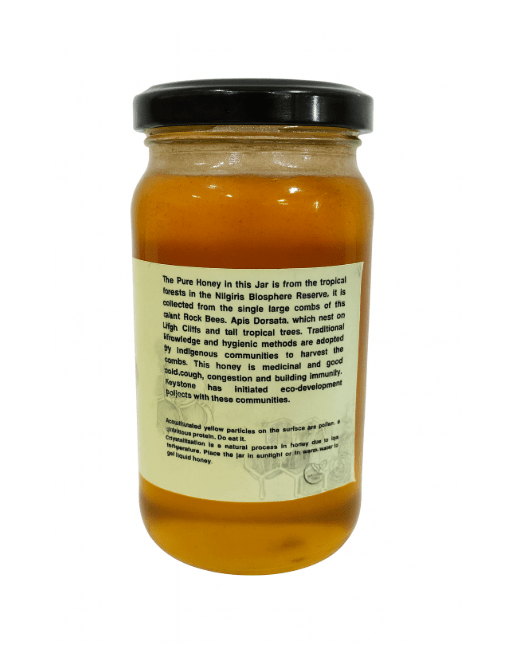
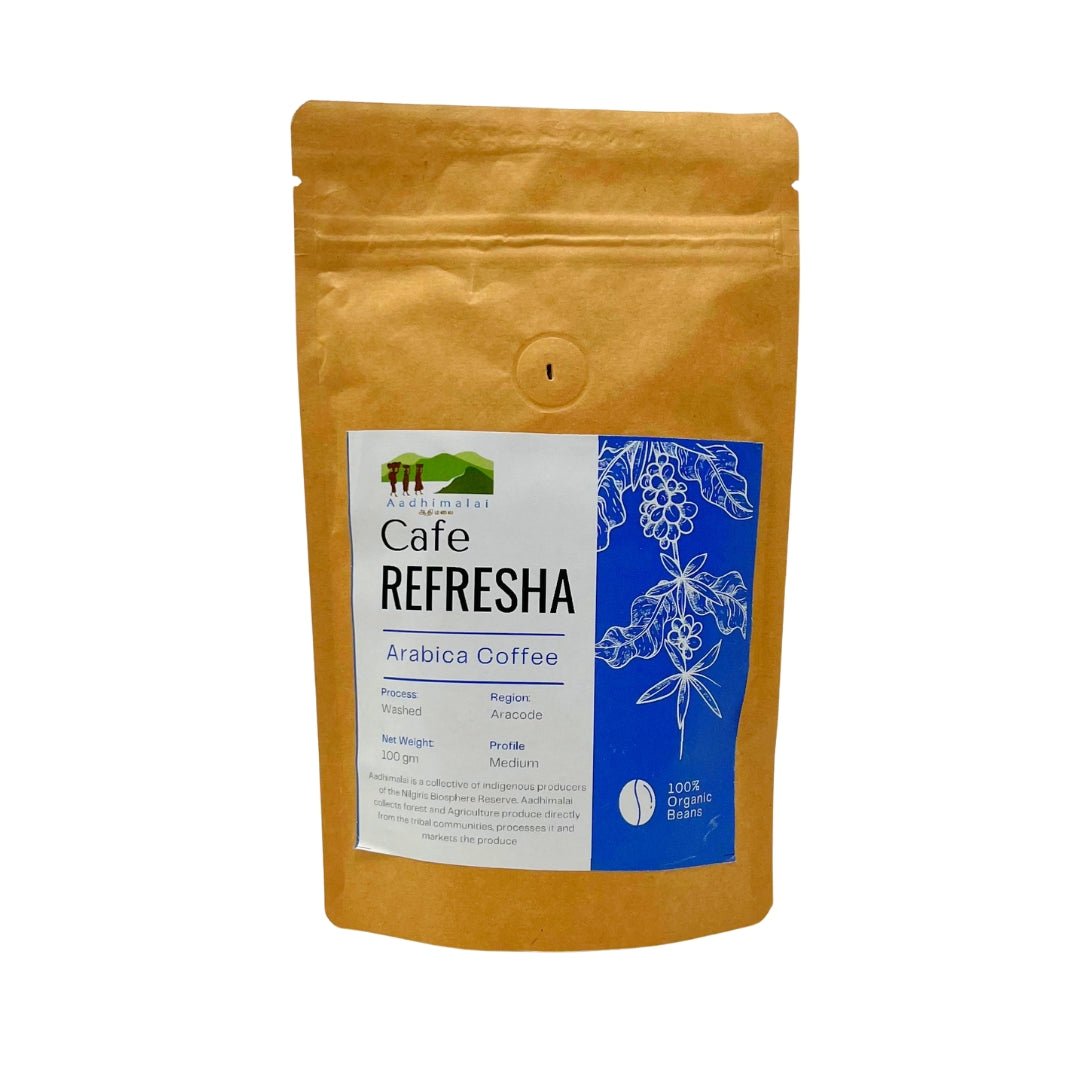
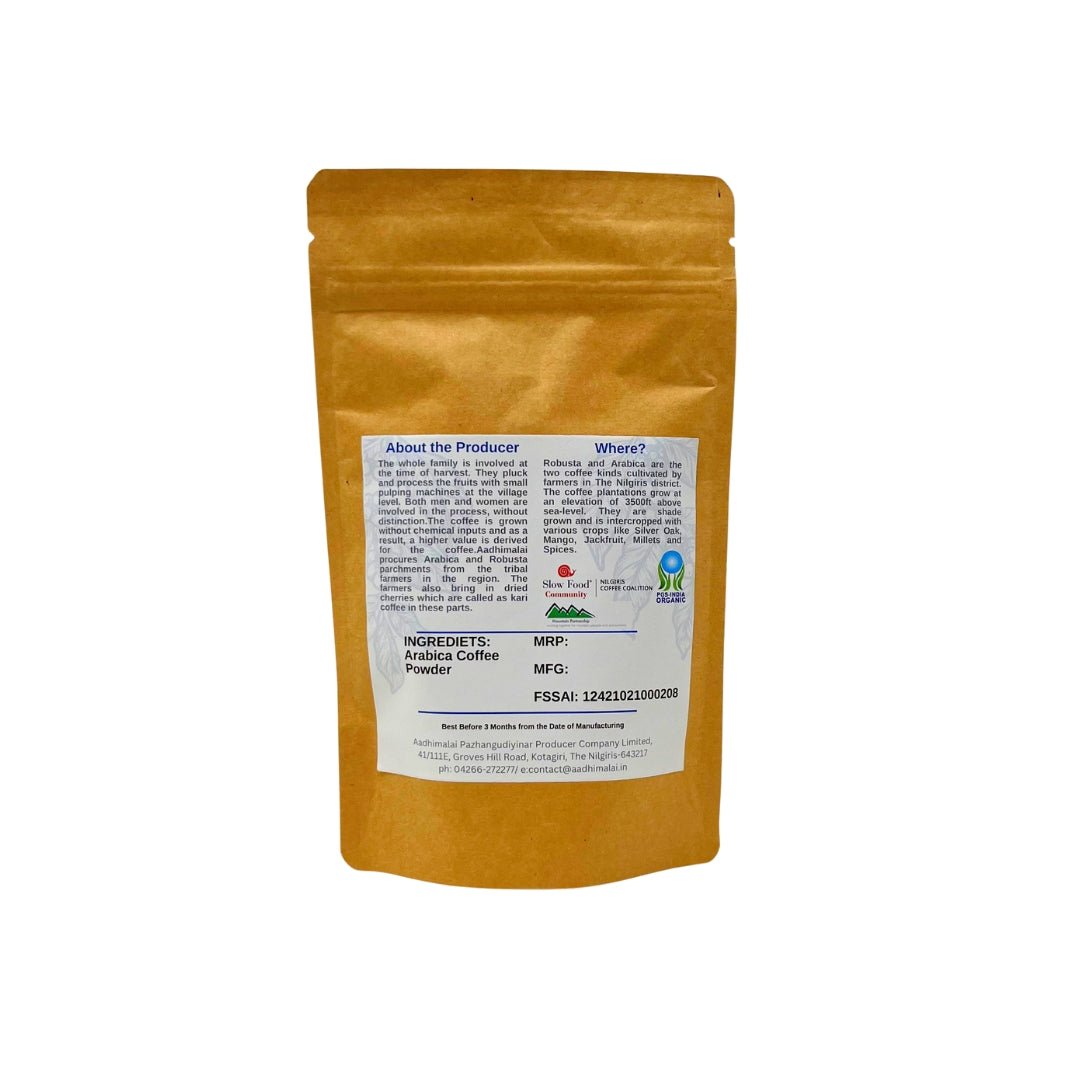
Keystone’s work took root in 1996, when it began partnering with honey hunters, offering fair prices for wild honey and beeswax, marking the start of a new chapter in sustainable livelihoods. A year later, they added value to these raw materials through simple processing techniques. By 1998, they expanded their support to tribal farmers cultivating agricultural produce like coffee and pepper, again ensuring that traditional practices were rewarded, not exploited.
Inspired by this deep-rooted knowledge, the first step was small but significant—a humble outlet called The Green Shop in Kotagiri, offering wild honey and forest goods directly to the public. This was just the beginning. By 2008, the family had grown. More villages joined, more women led production units, and a second centre opened in Pudukad near Coonoor. Products began to travel—to cities, to conscious consumers, and to people curious about the wisdom of the hills.
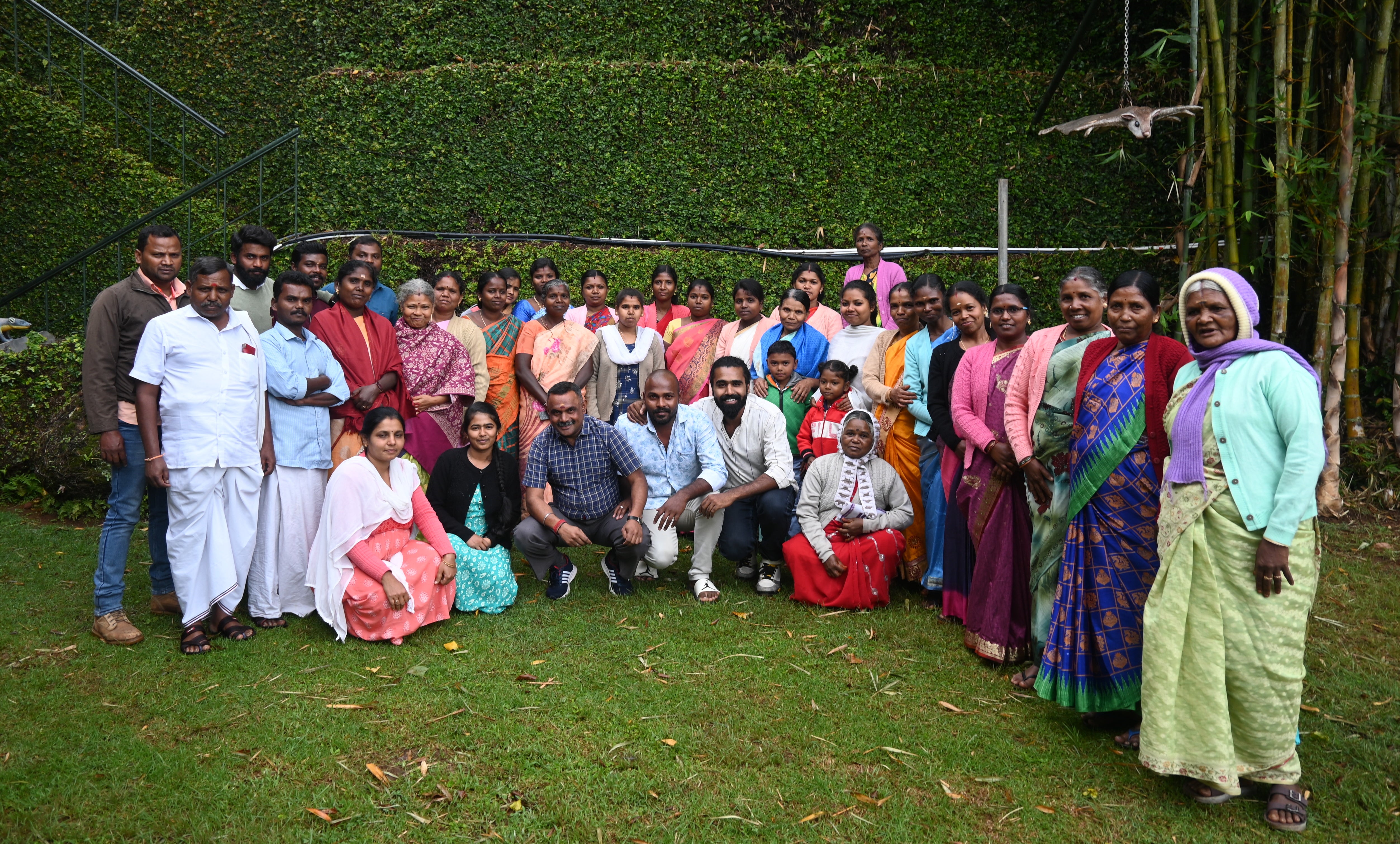
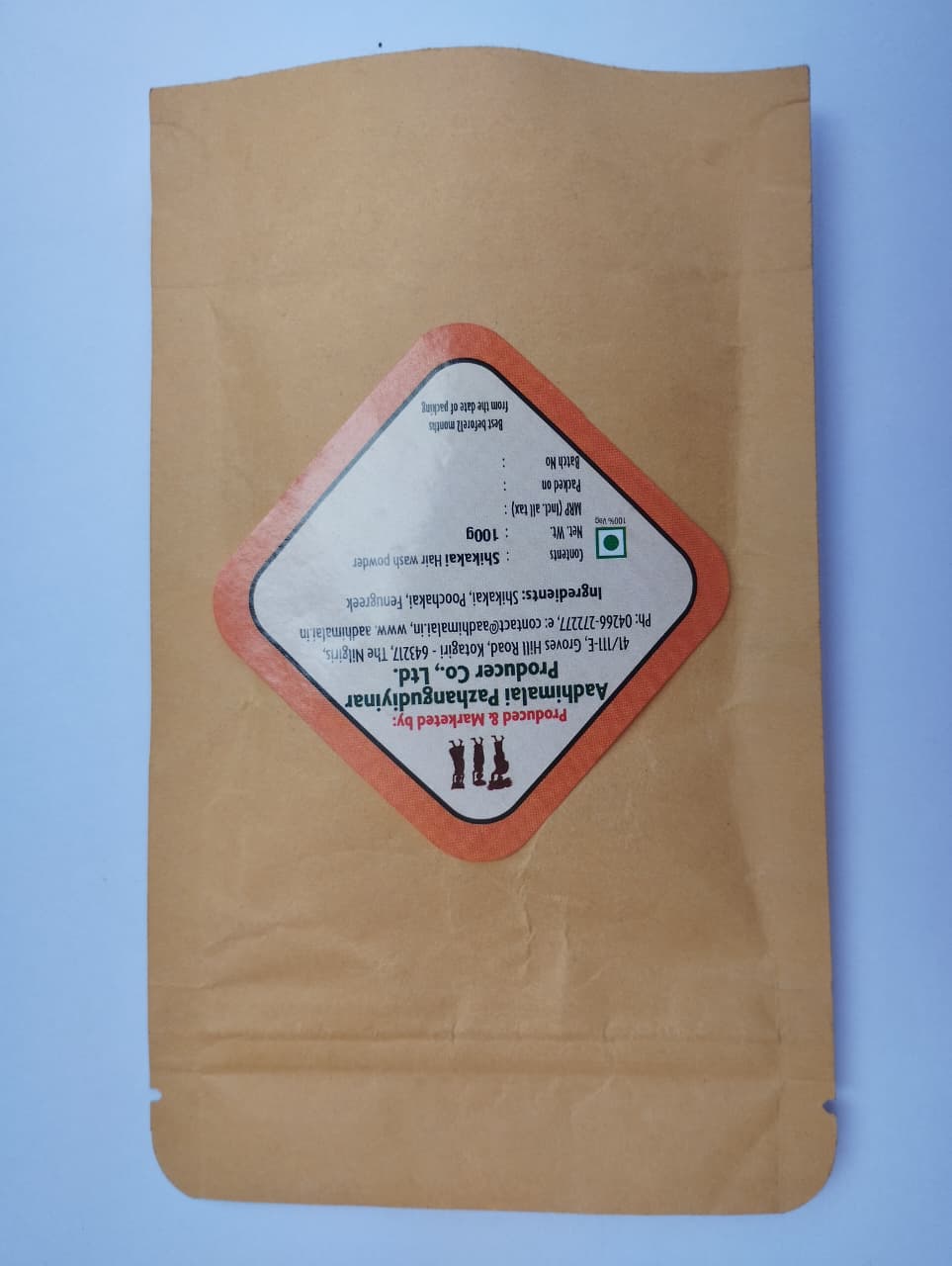
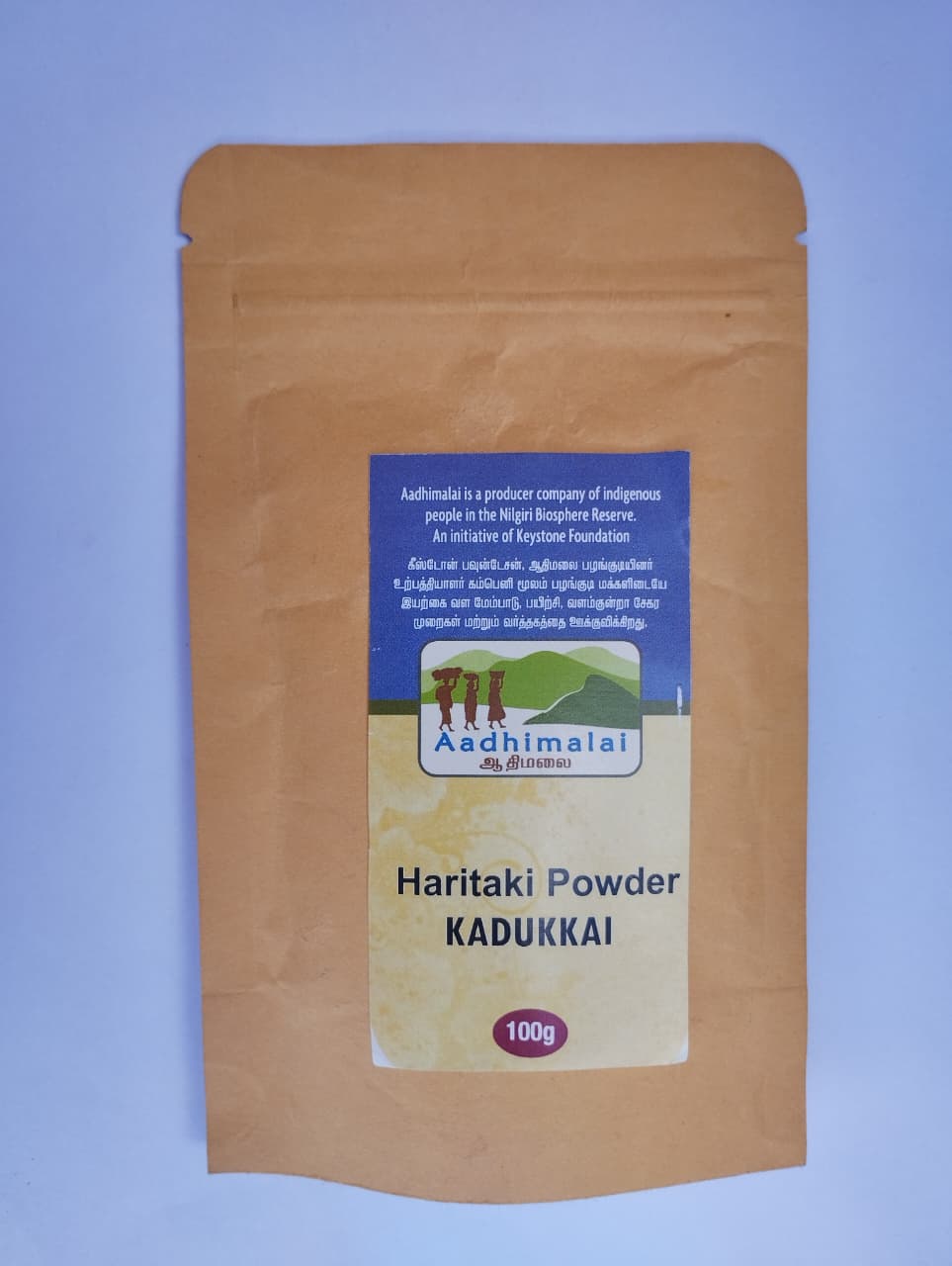
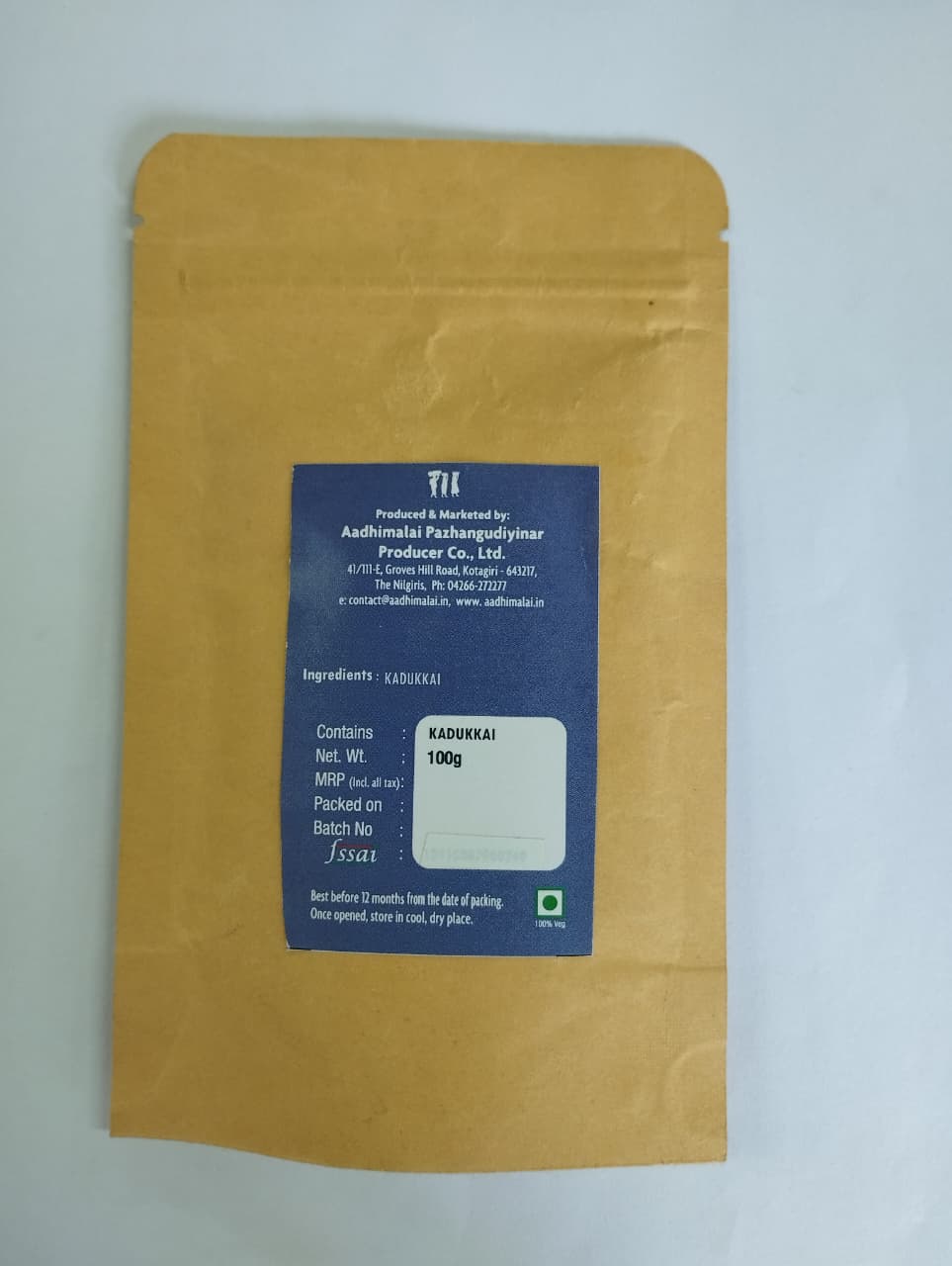
What began as a series of support initiatives slowly evolved into something more powerful—a grassroots movement owned and led by the people themselves. In 2013, this movement took form as “Aadhimalai Pazhangudiyinar Producer Company Limited” – a company not created for the community but by the community. Aadhimalai began setting up local production centers right within tribal villages like Semmanarai and Bangalapadigai. These weren’t just factories—they were spaces where elders passed on traditions, women learned new skills through trainings, and the entire community came together to add value to what their forests gave them.
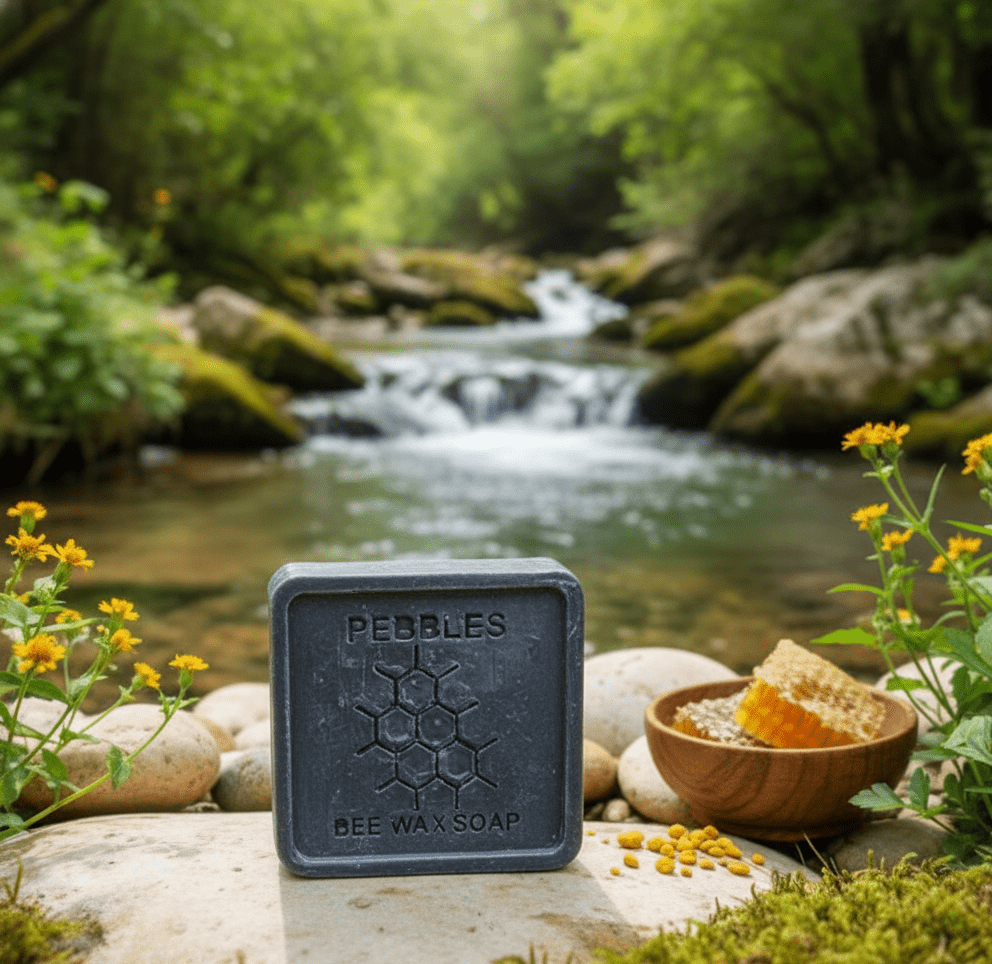
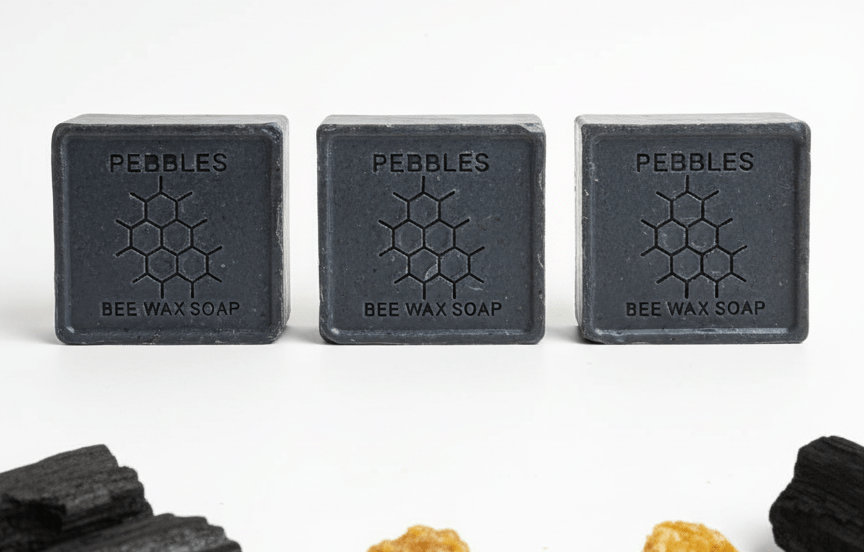
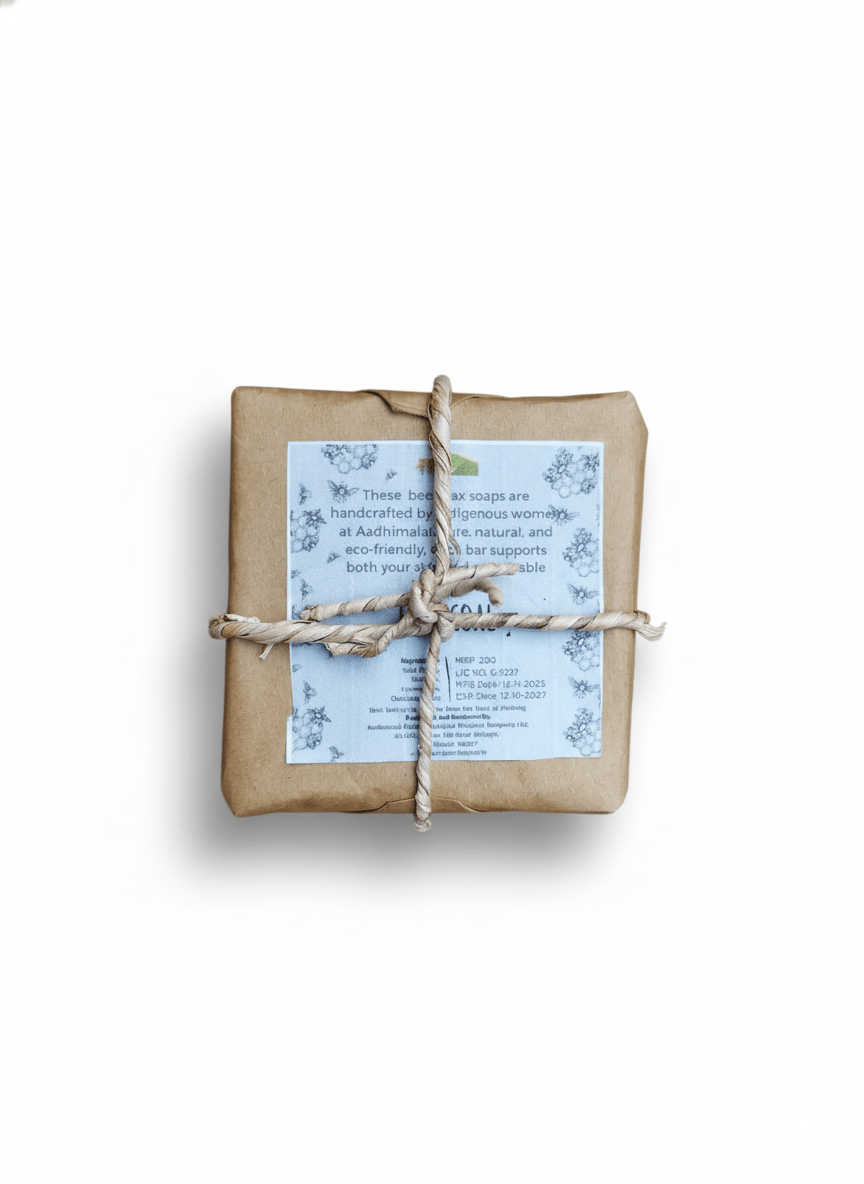
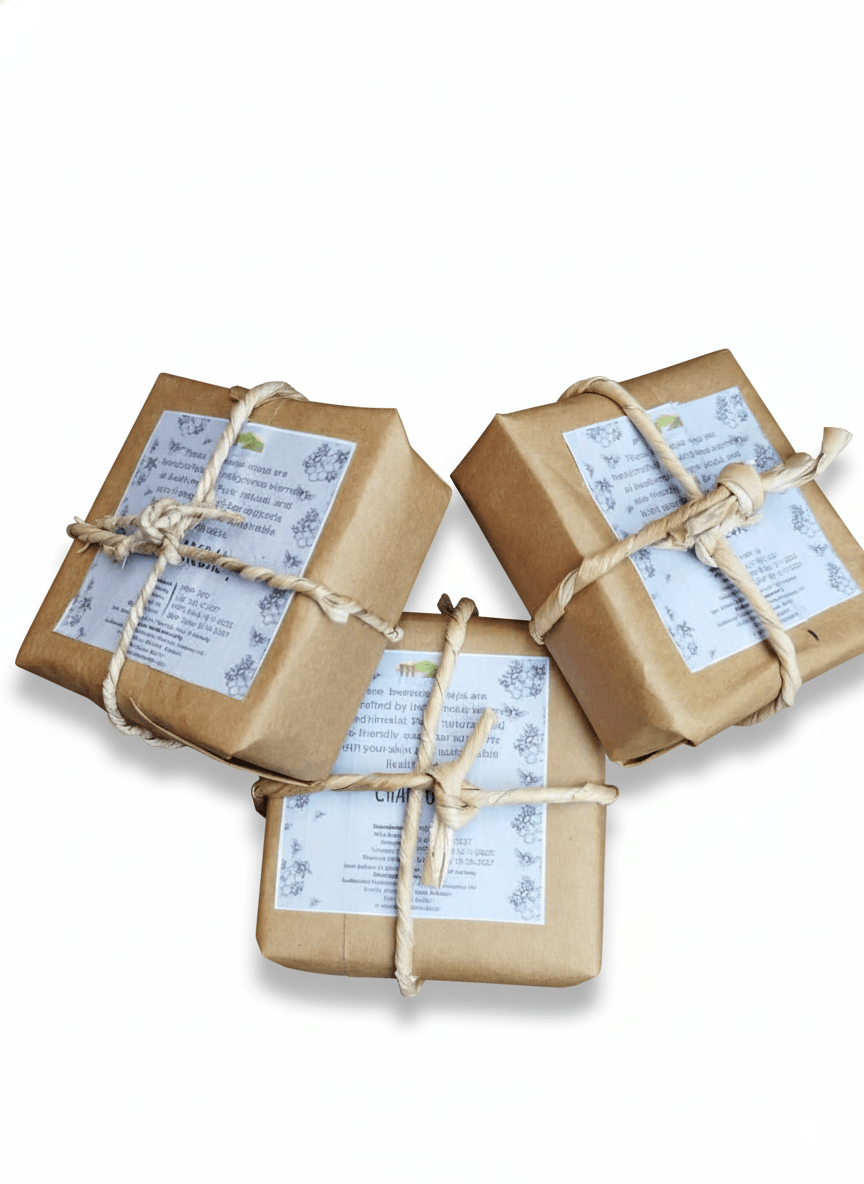
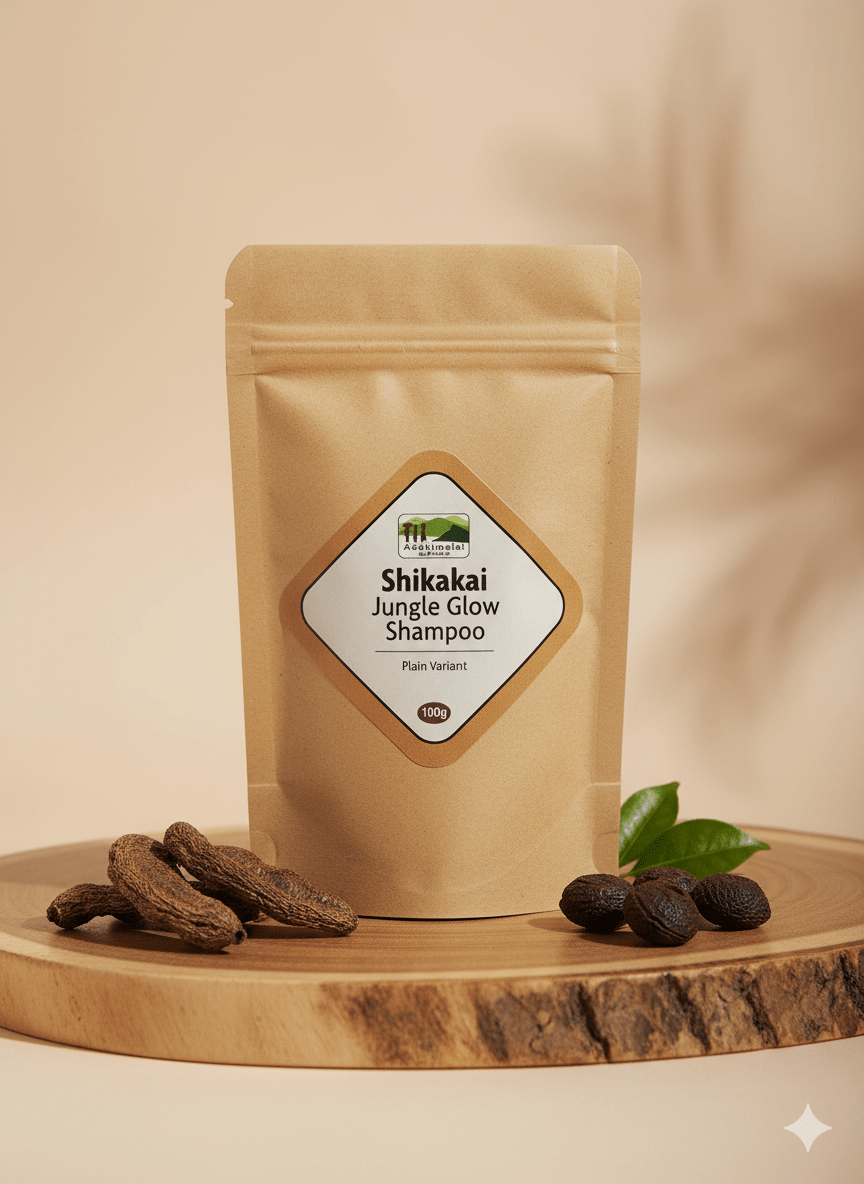
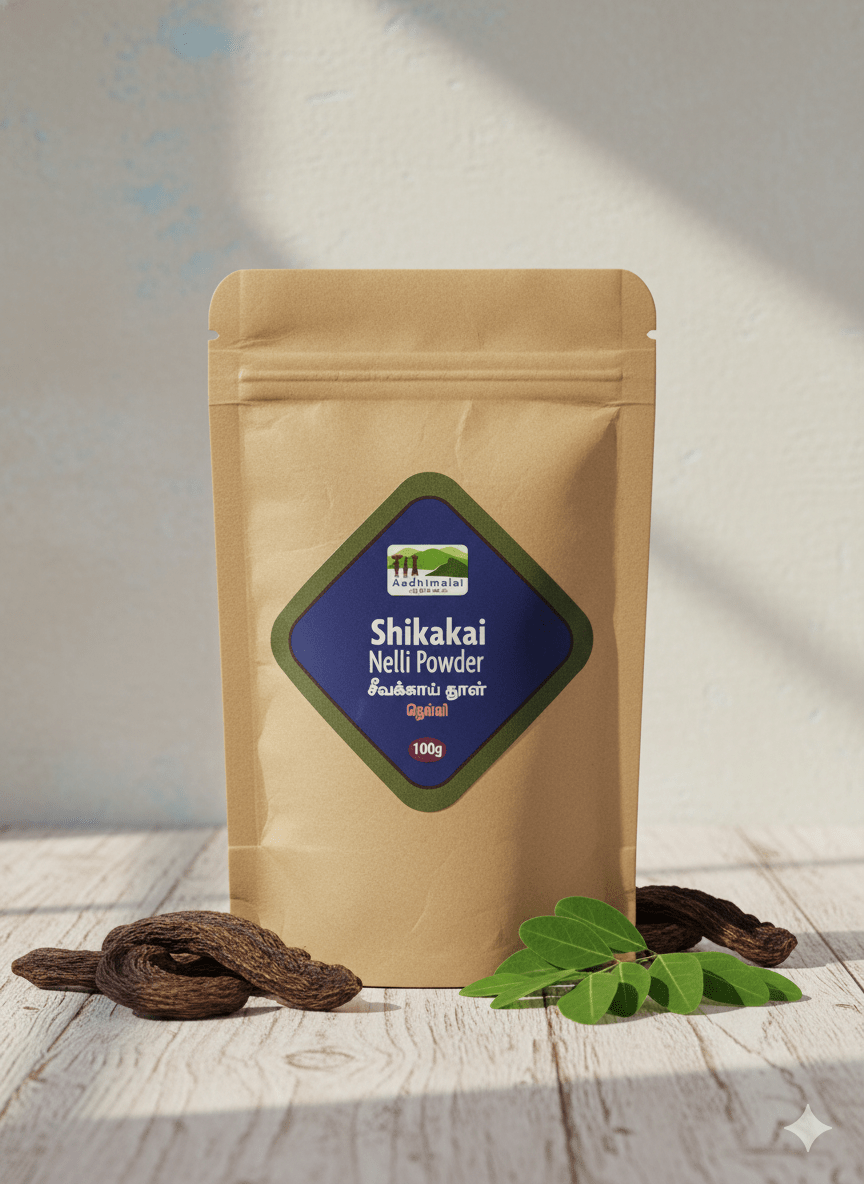
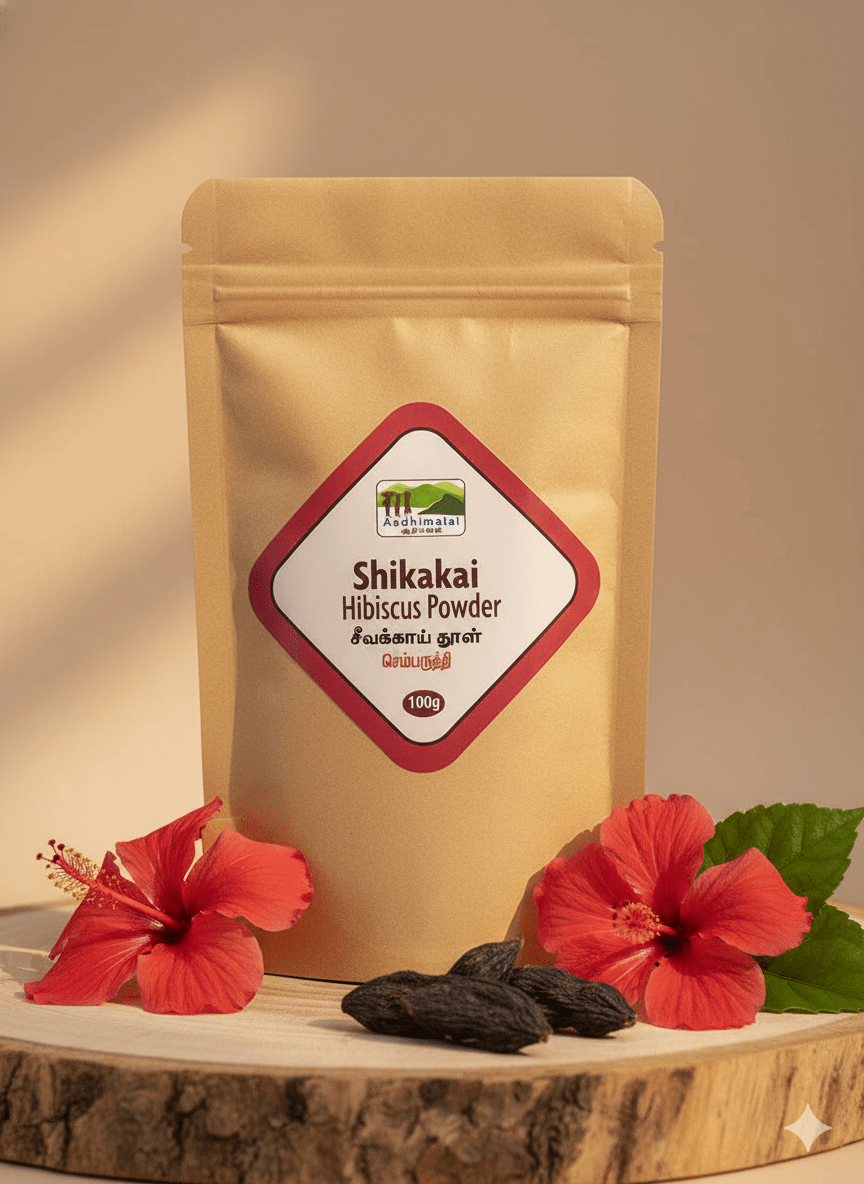
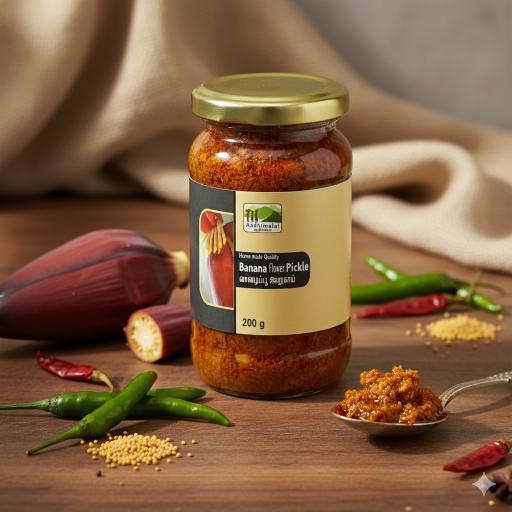
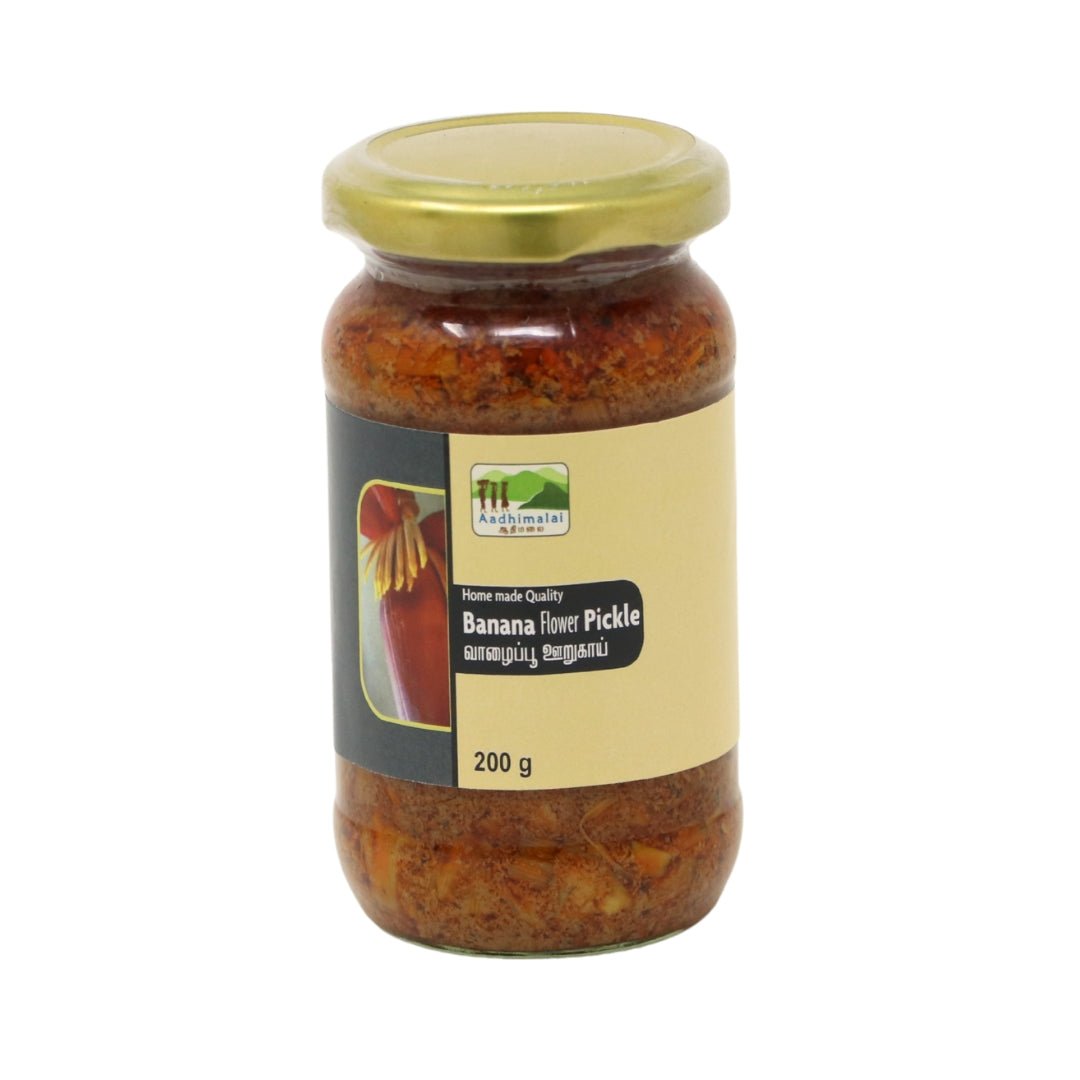
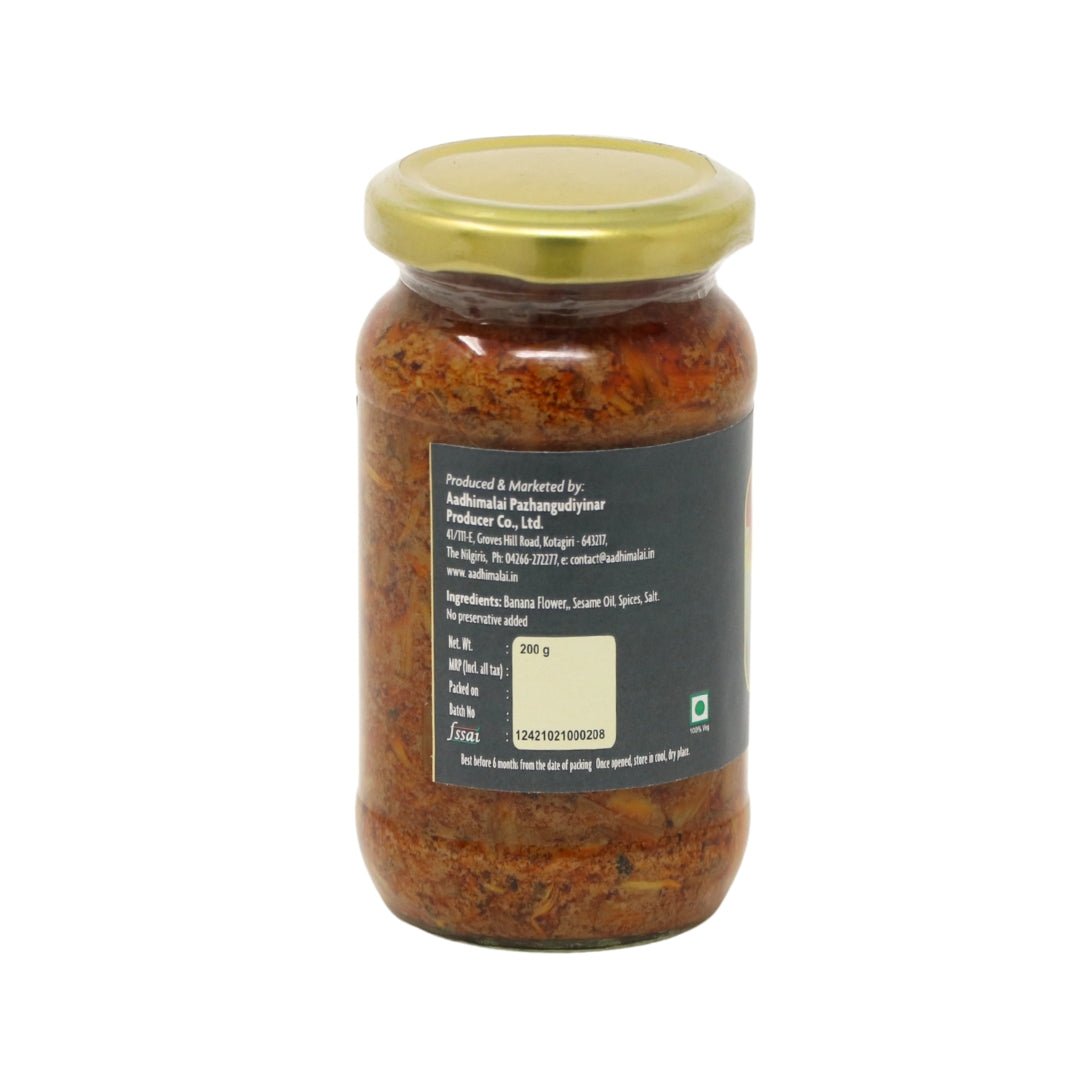
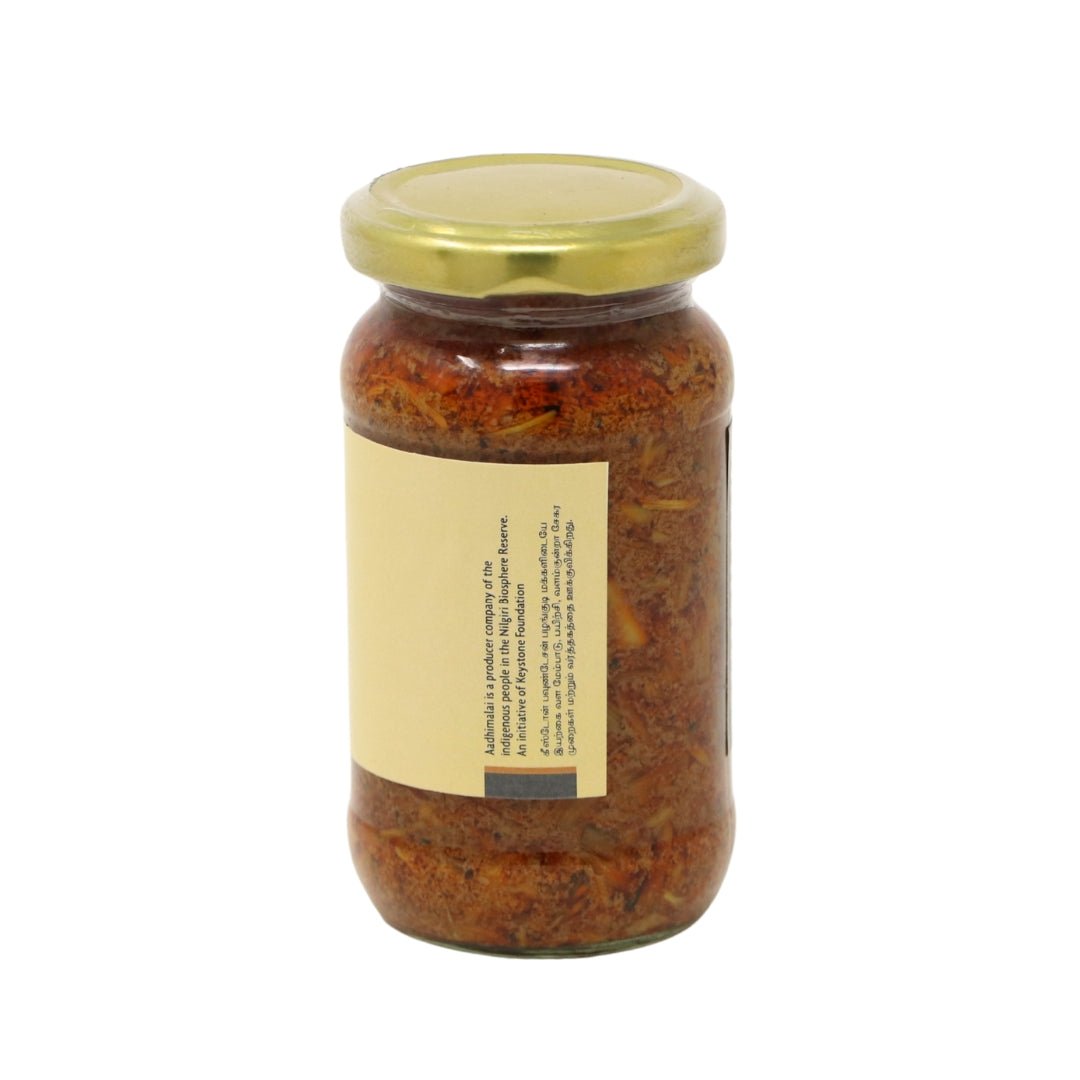
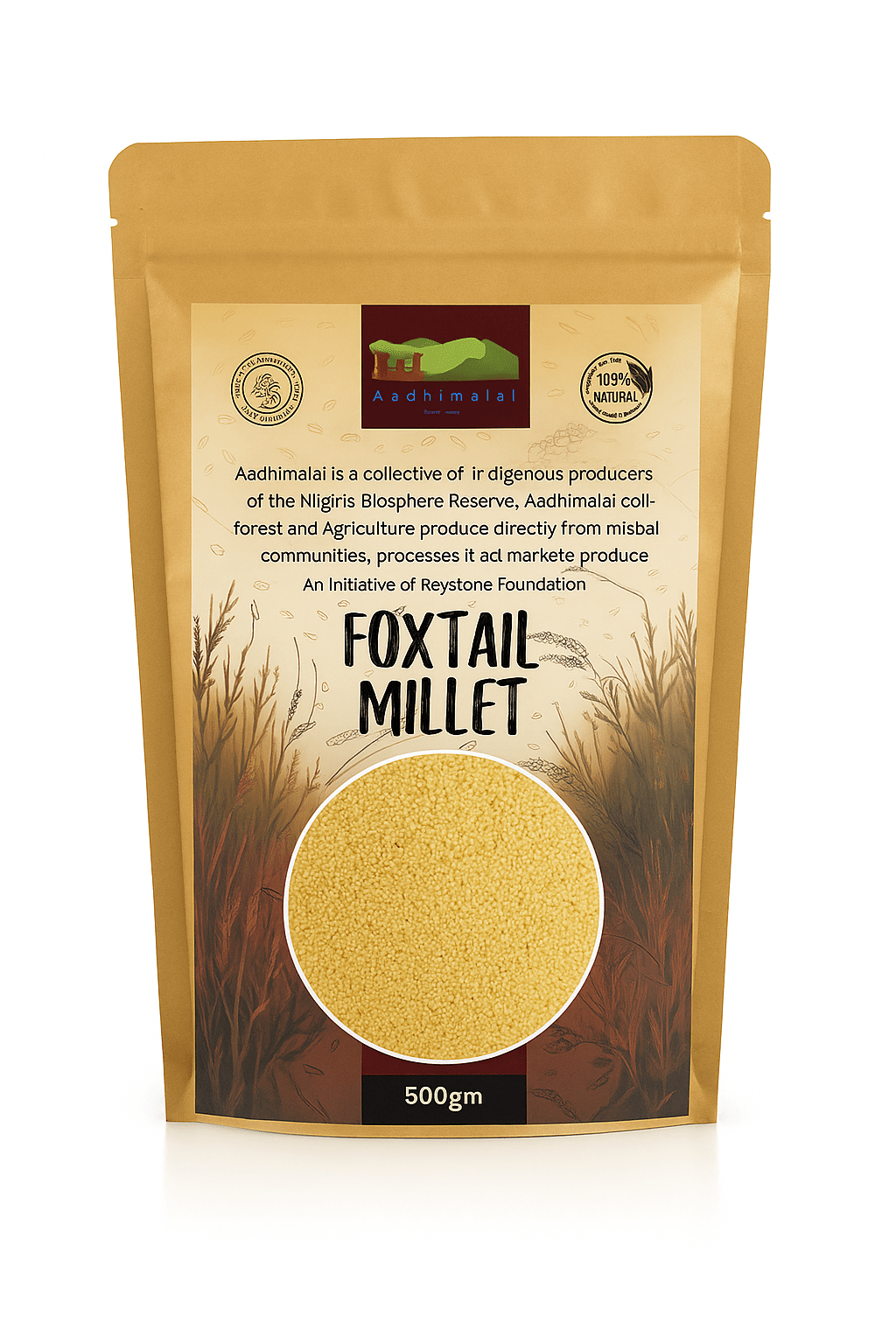
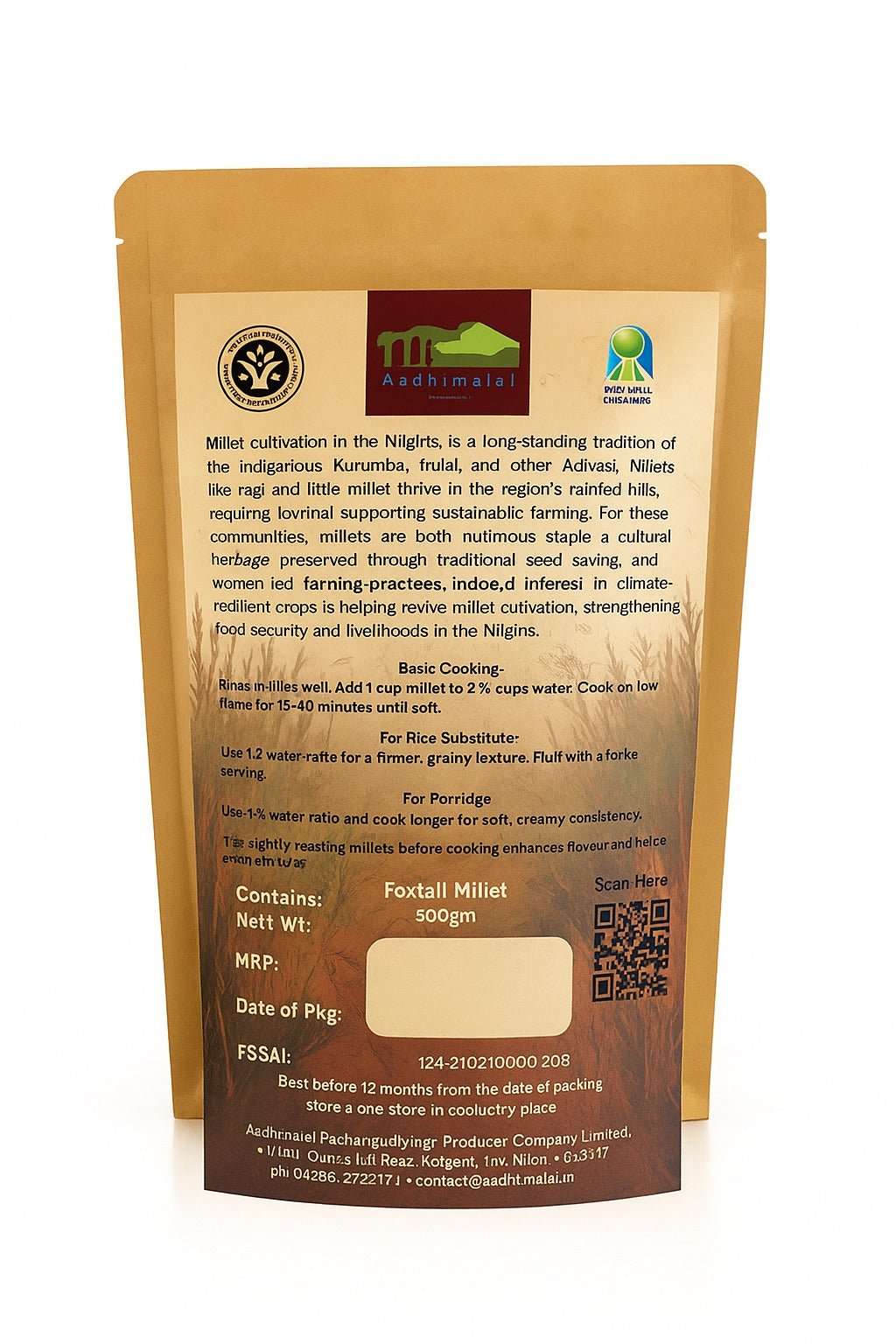
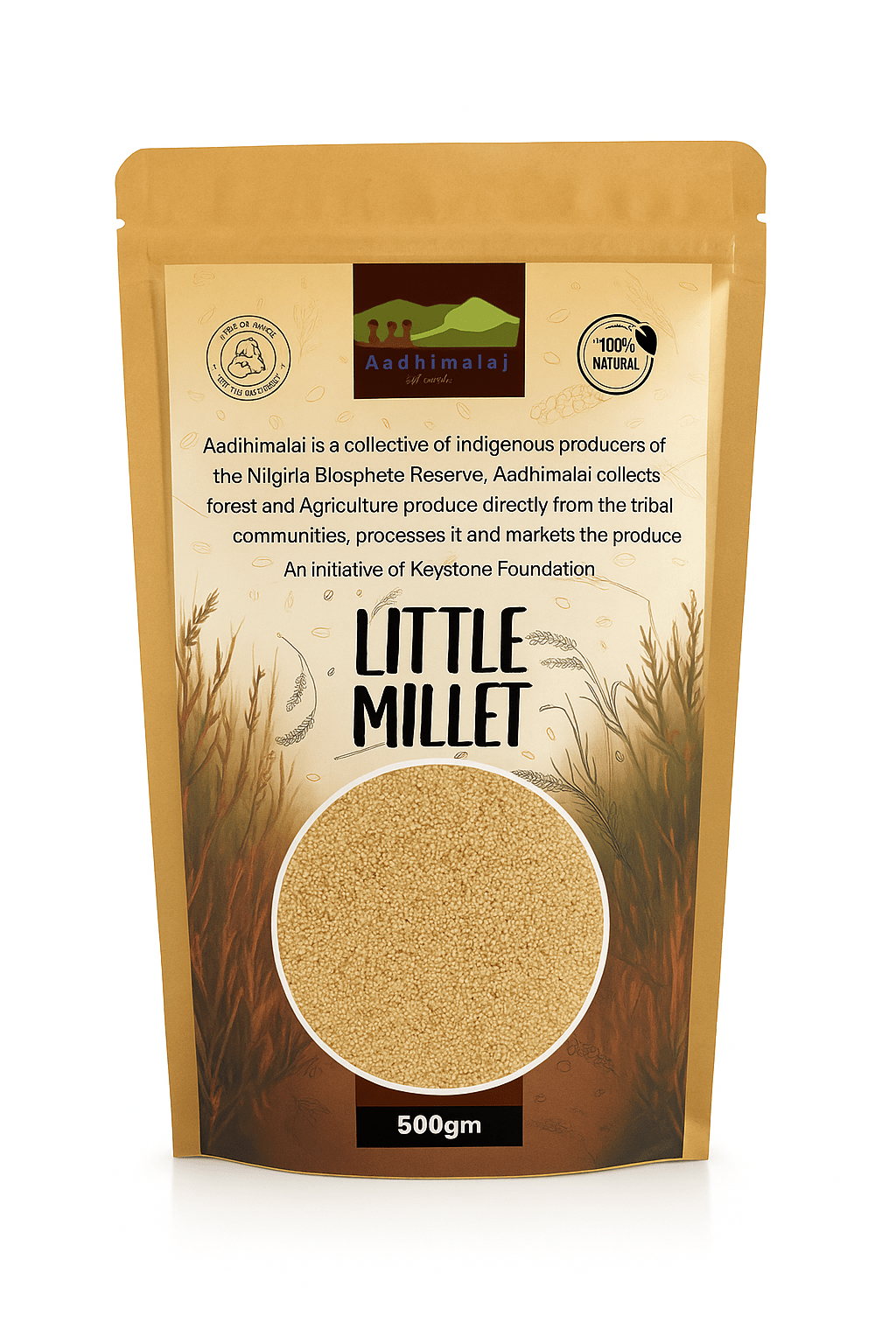
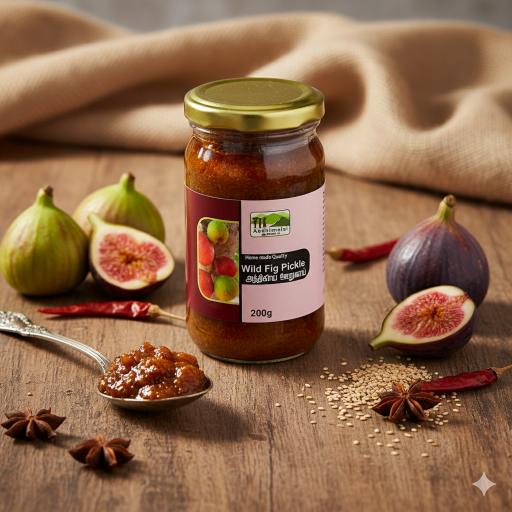
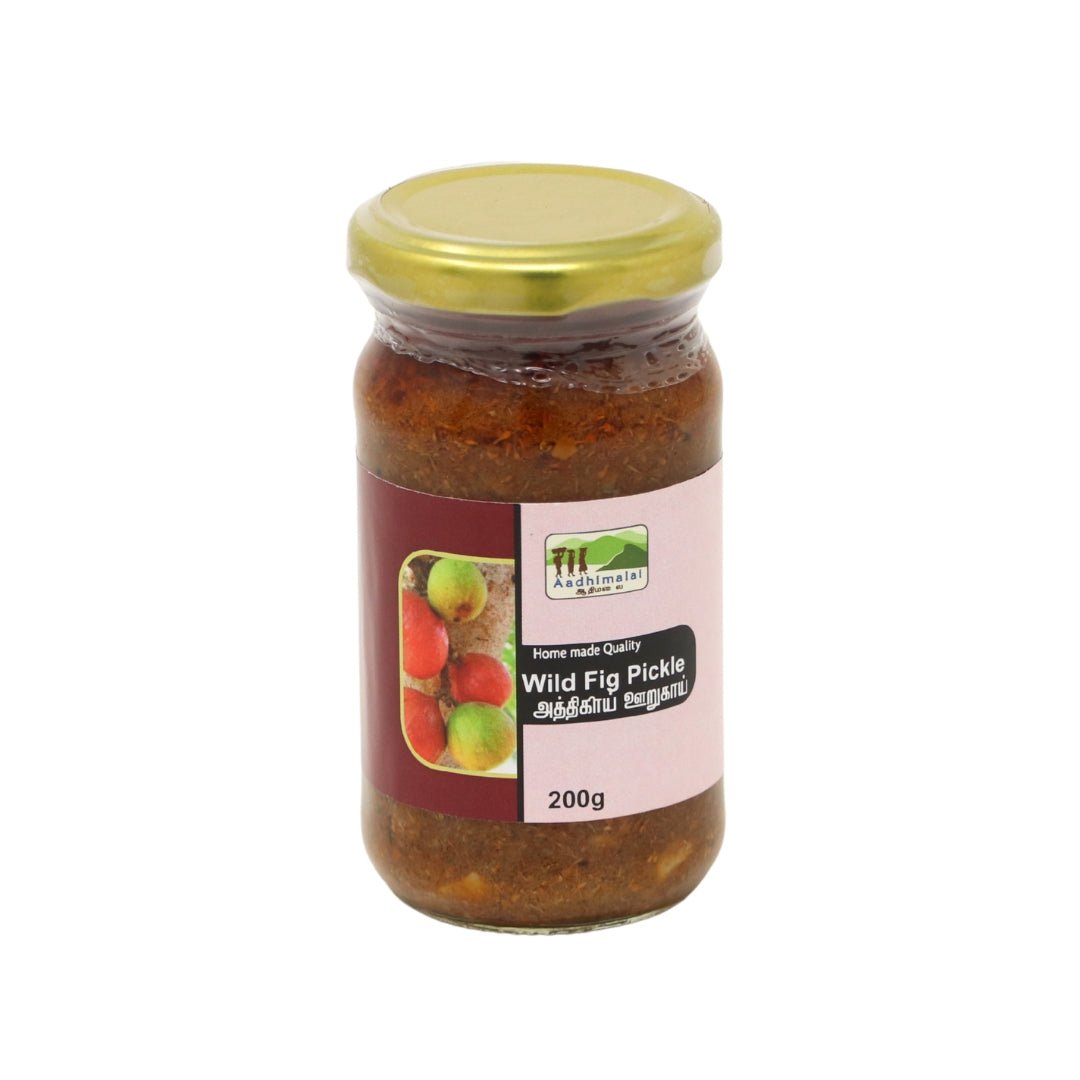
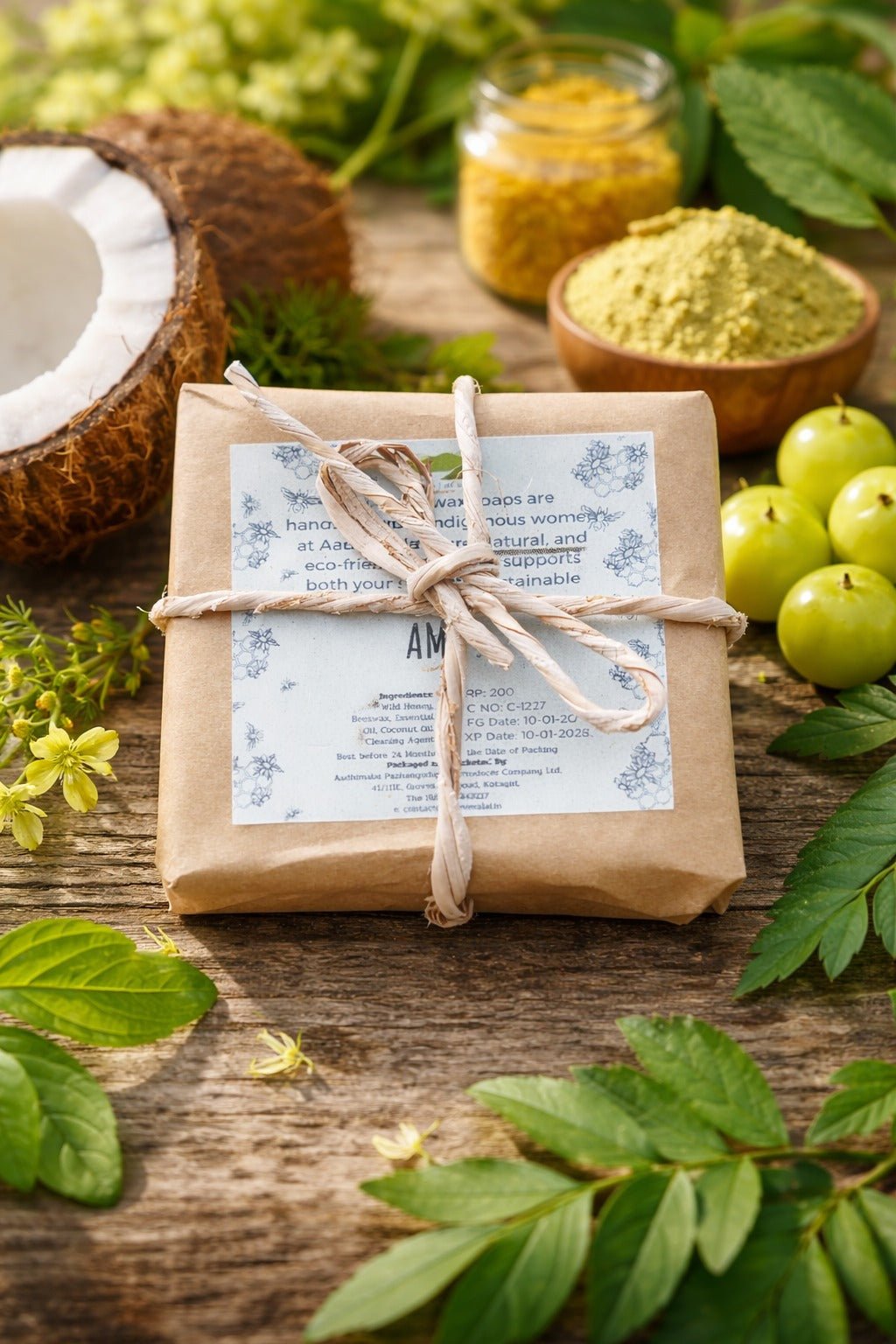
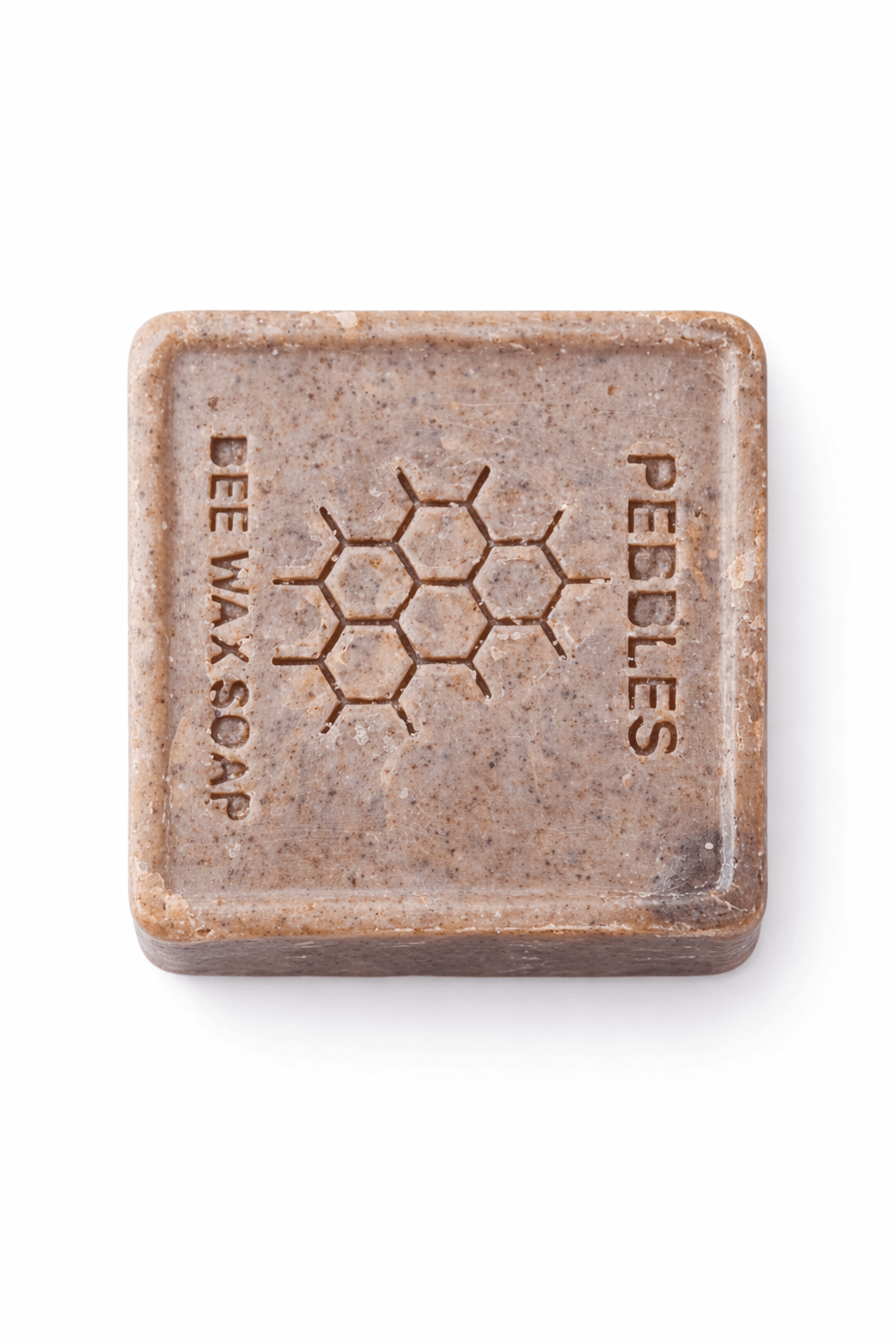
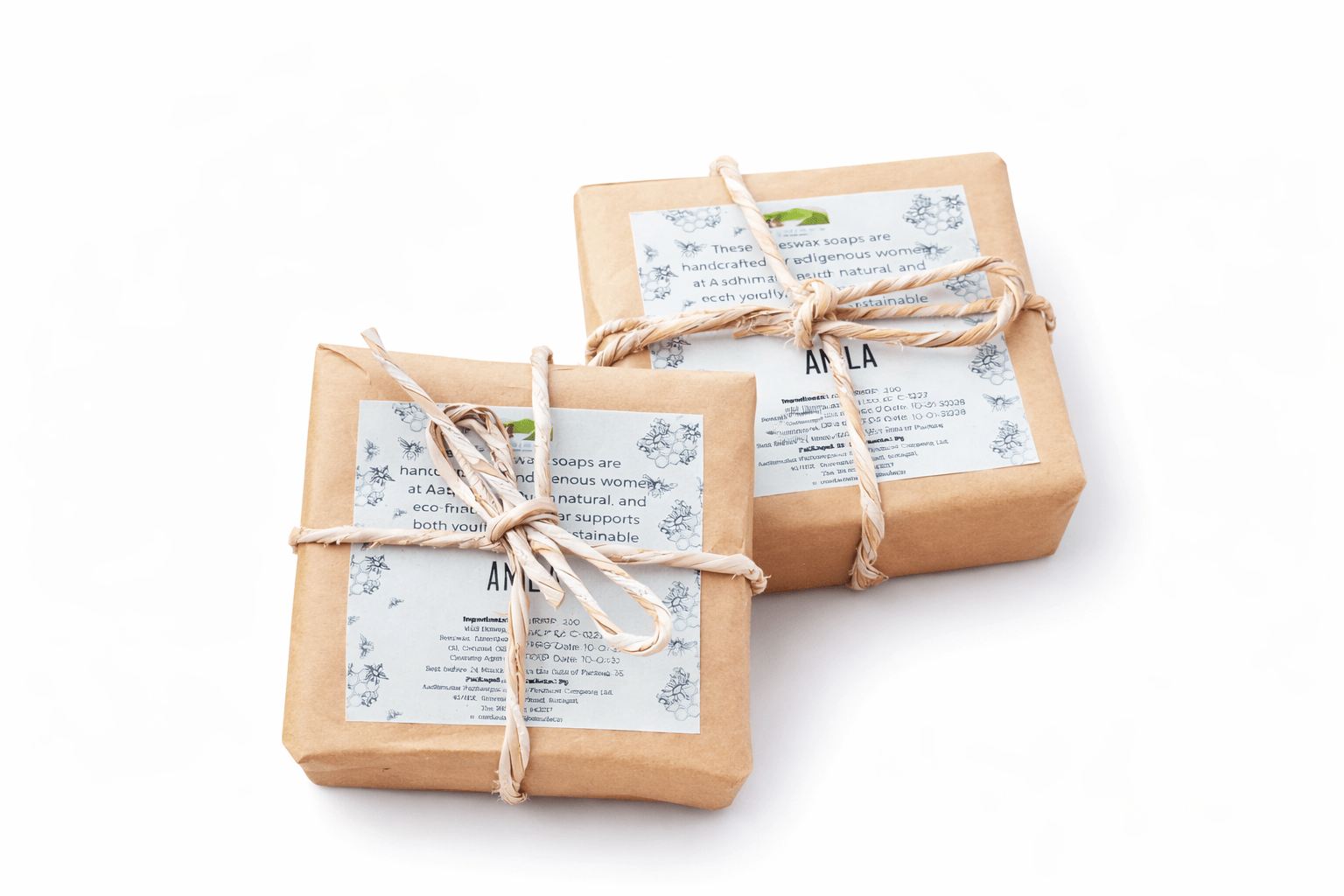
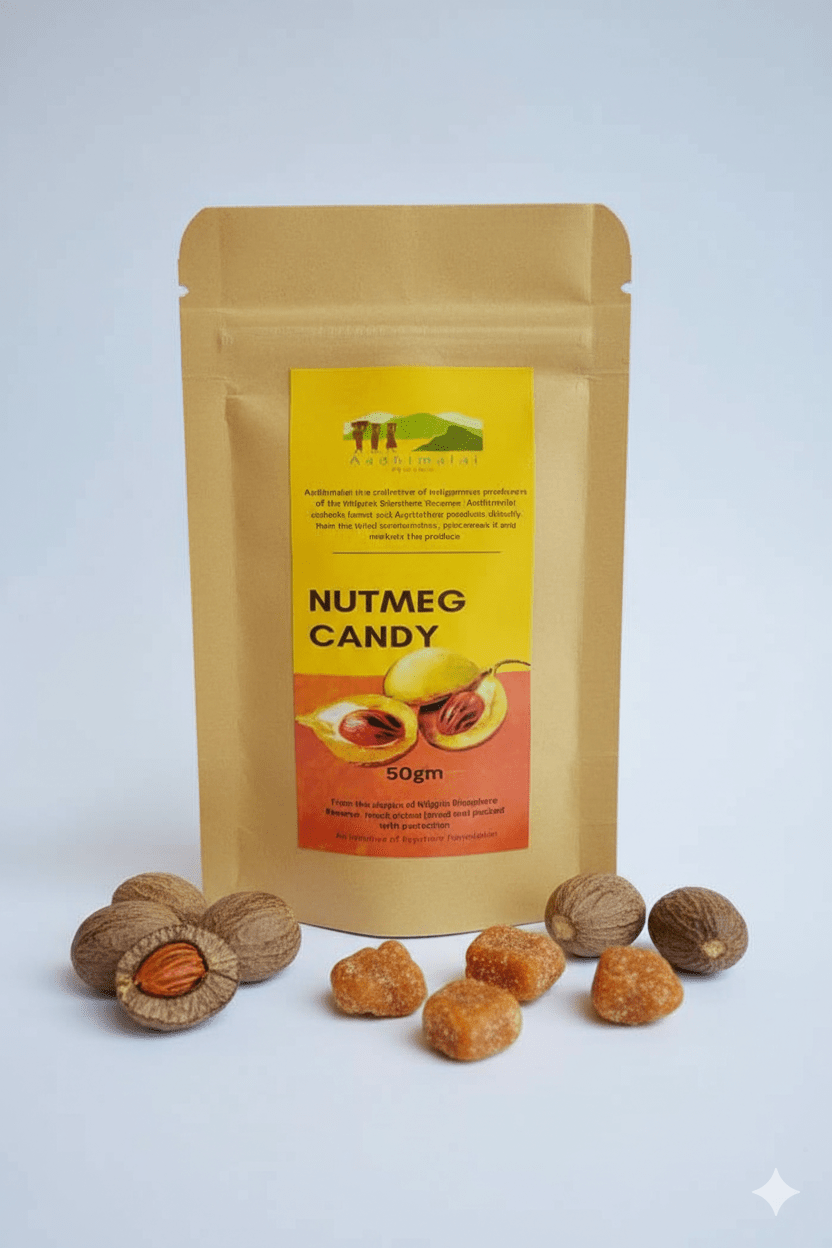
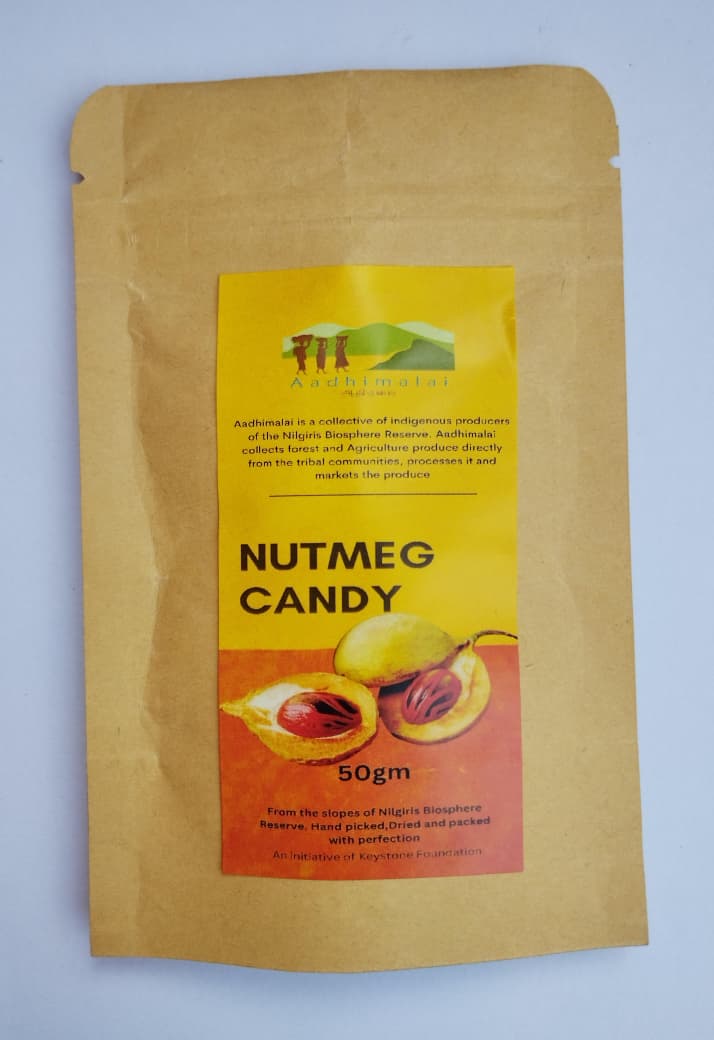
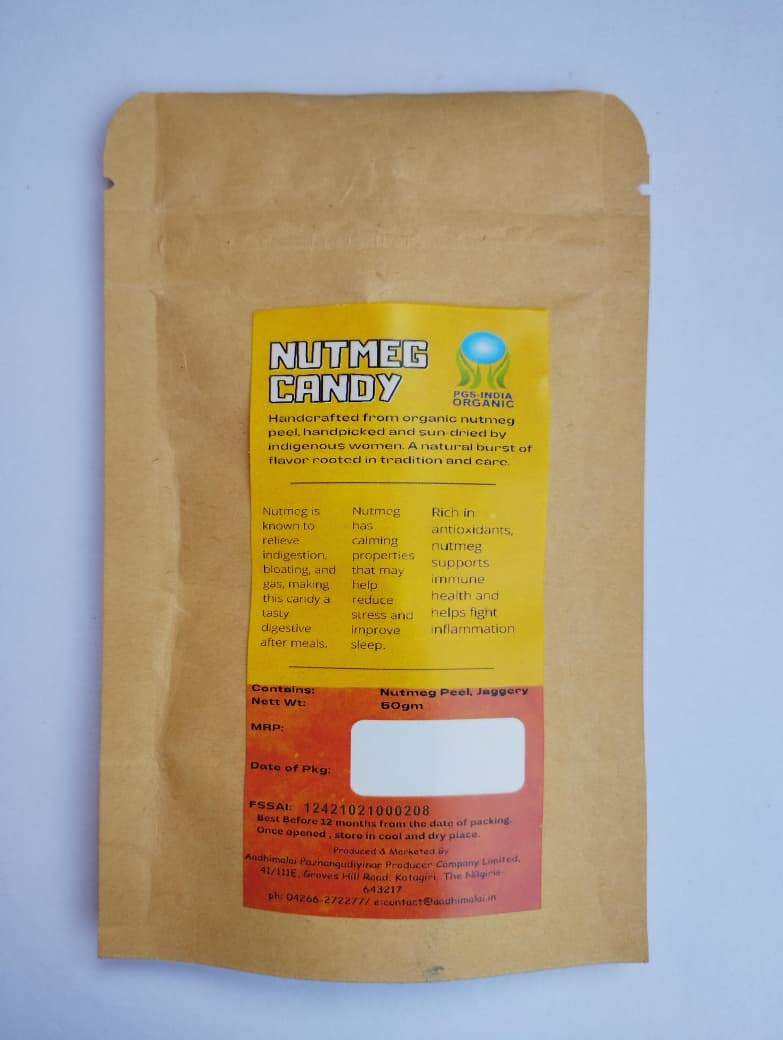
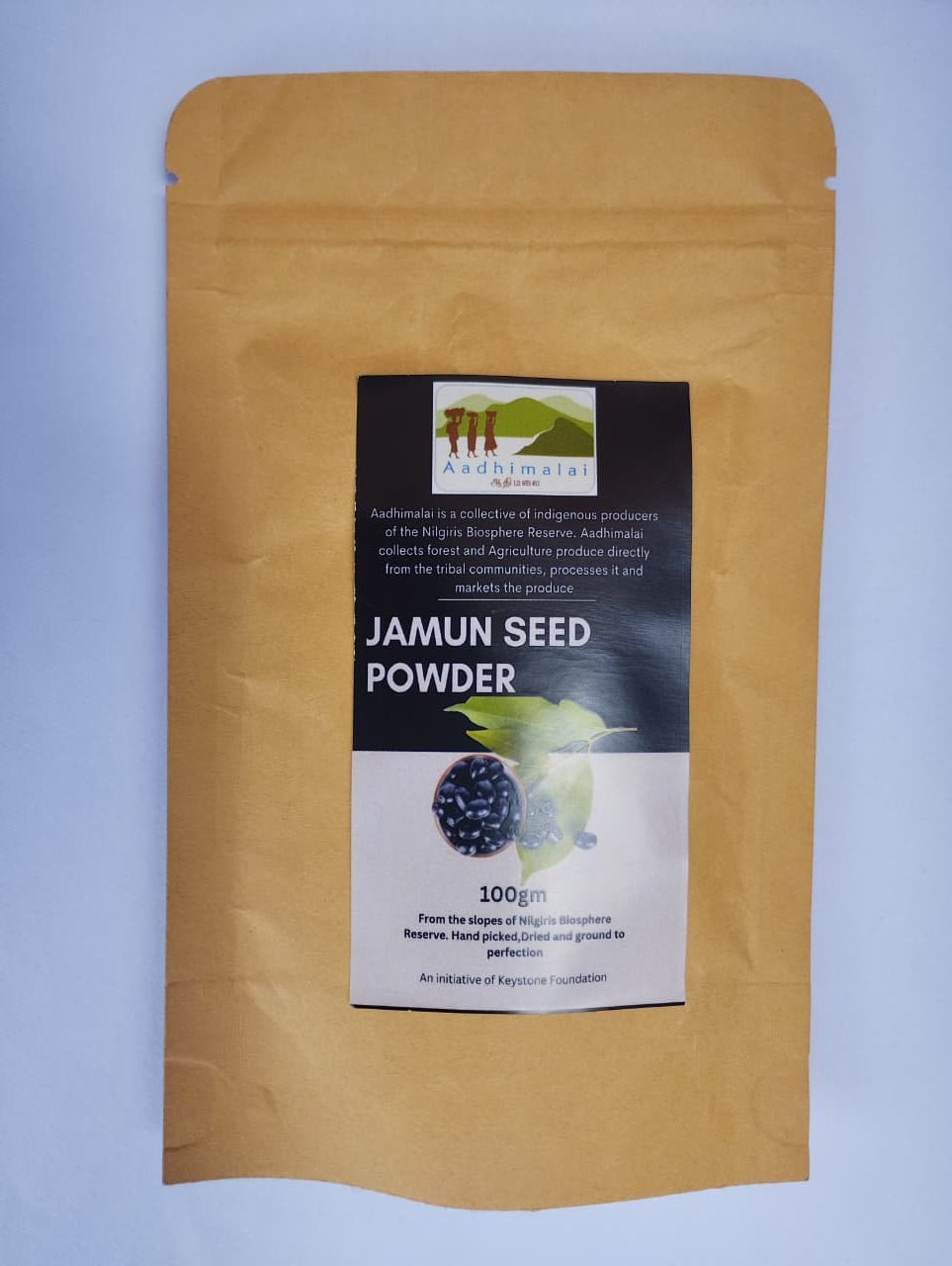
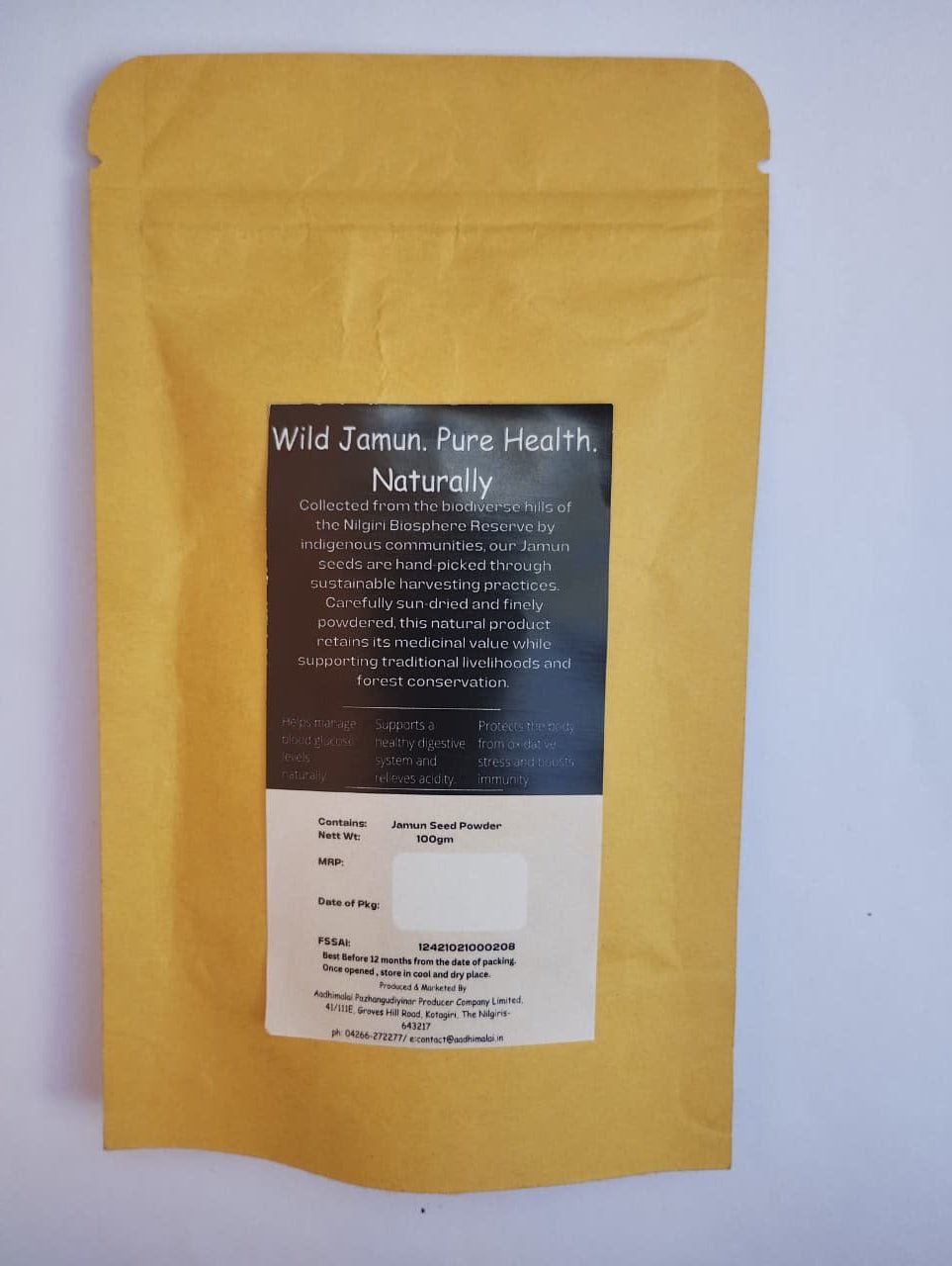
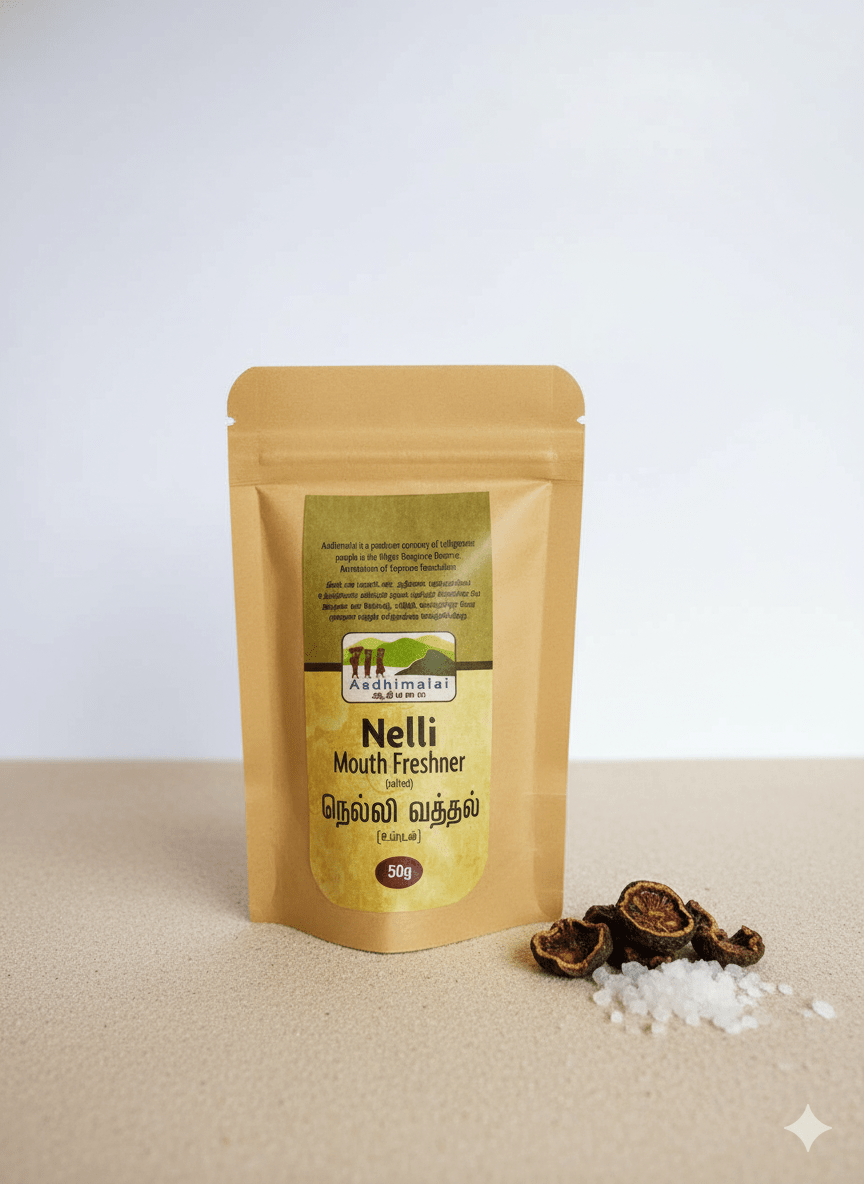
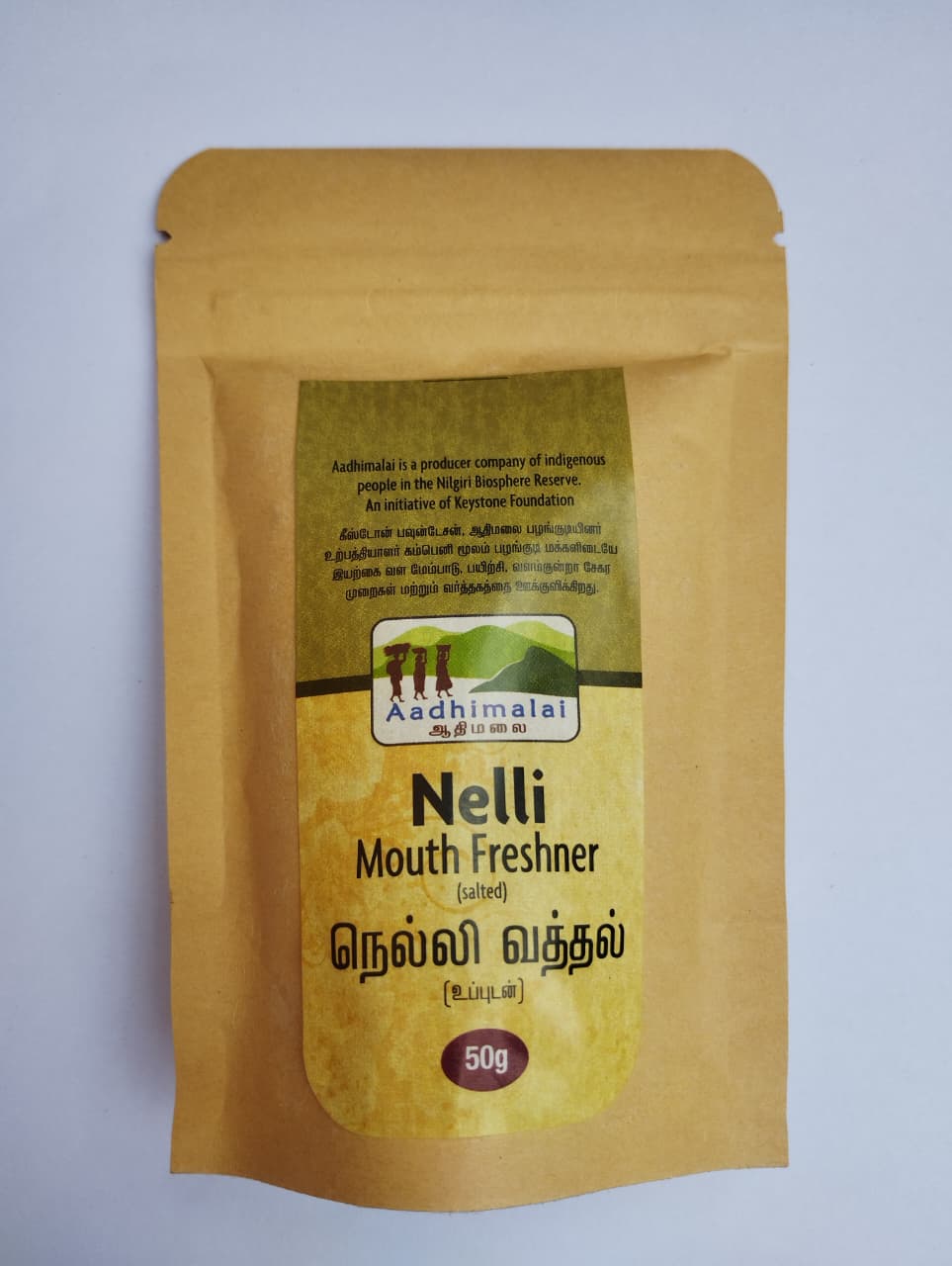
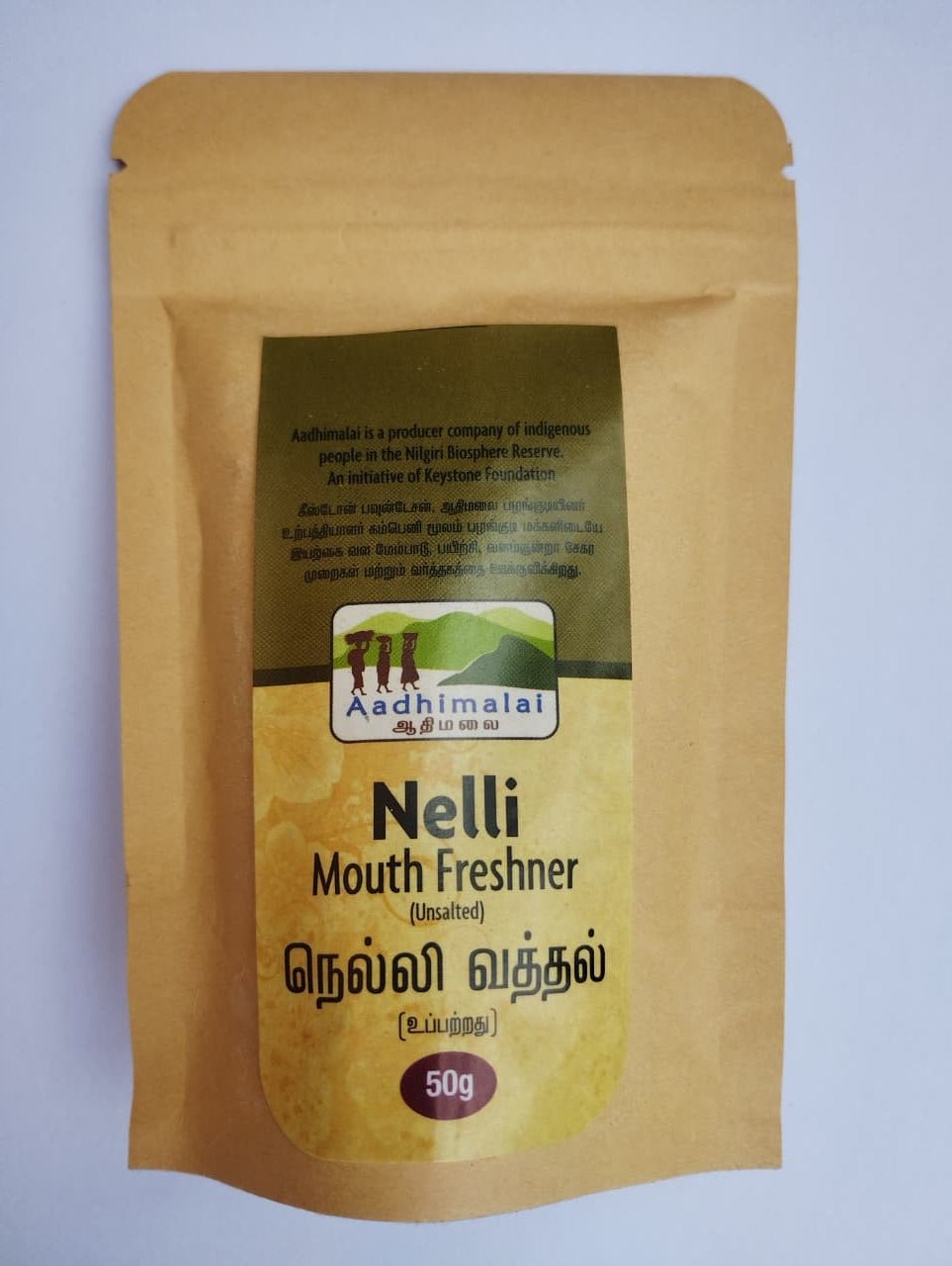
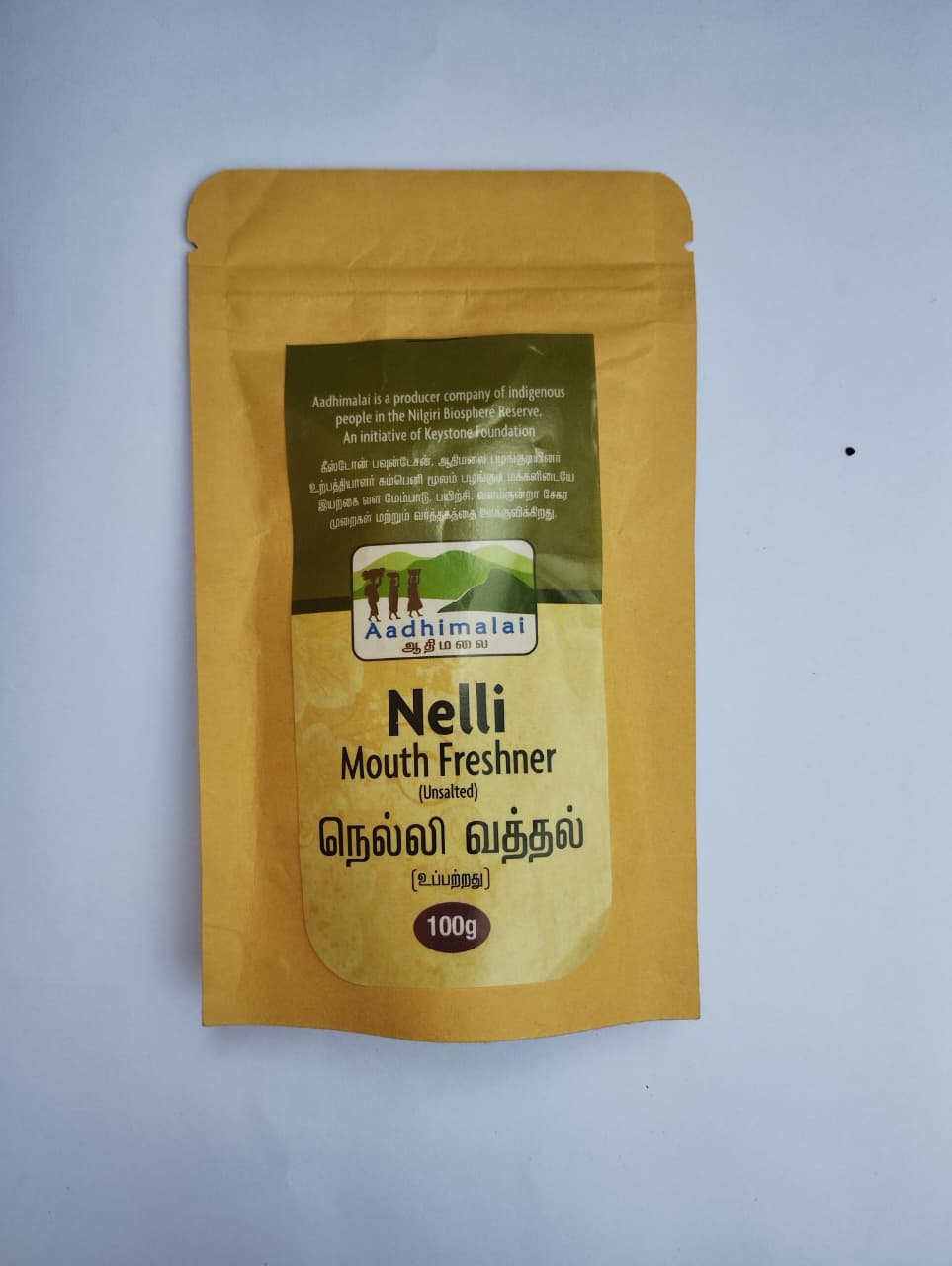
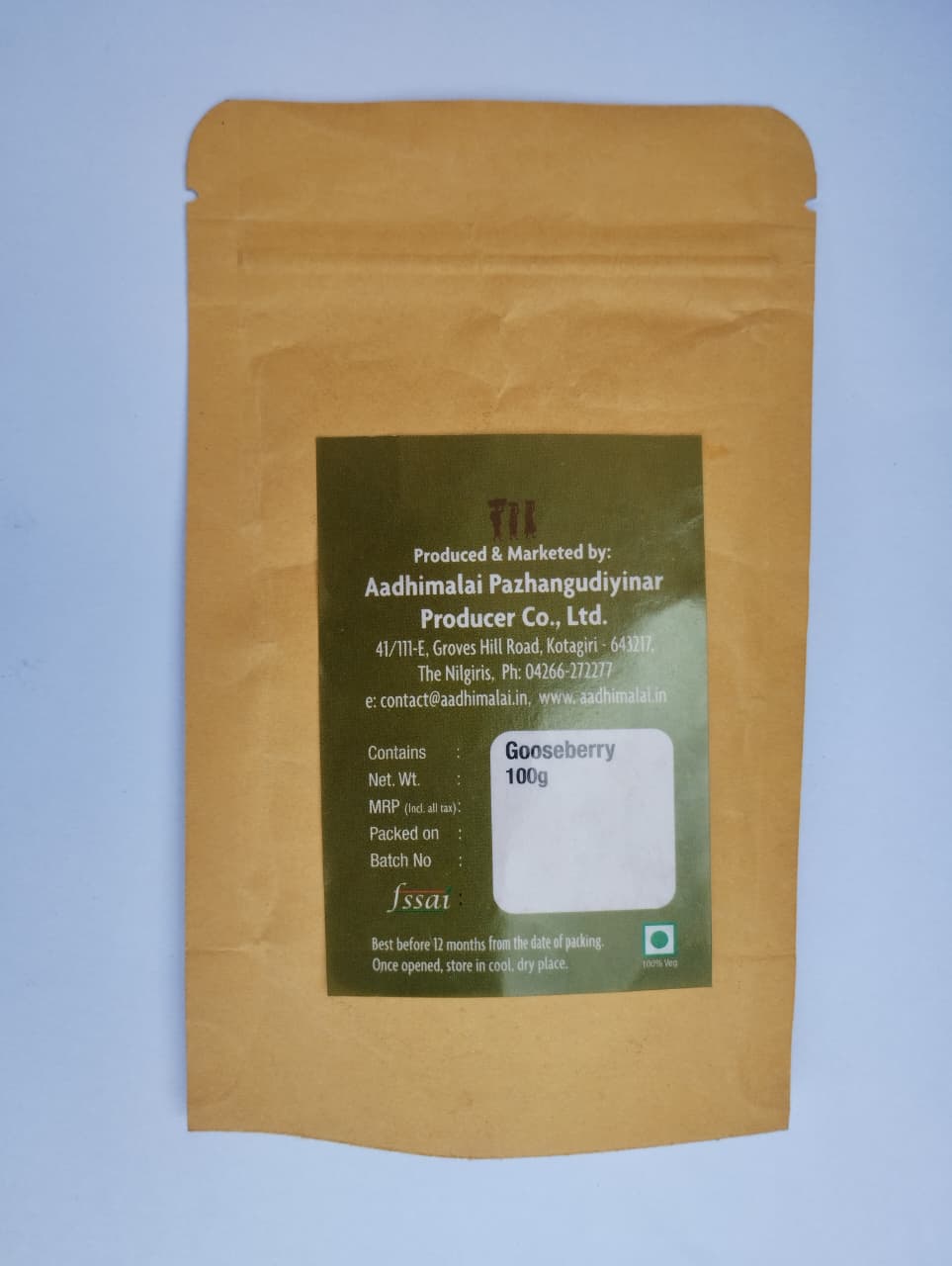
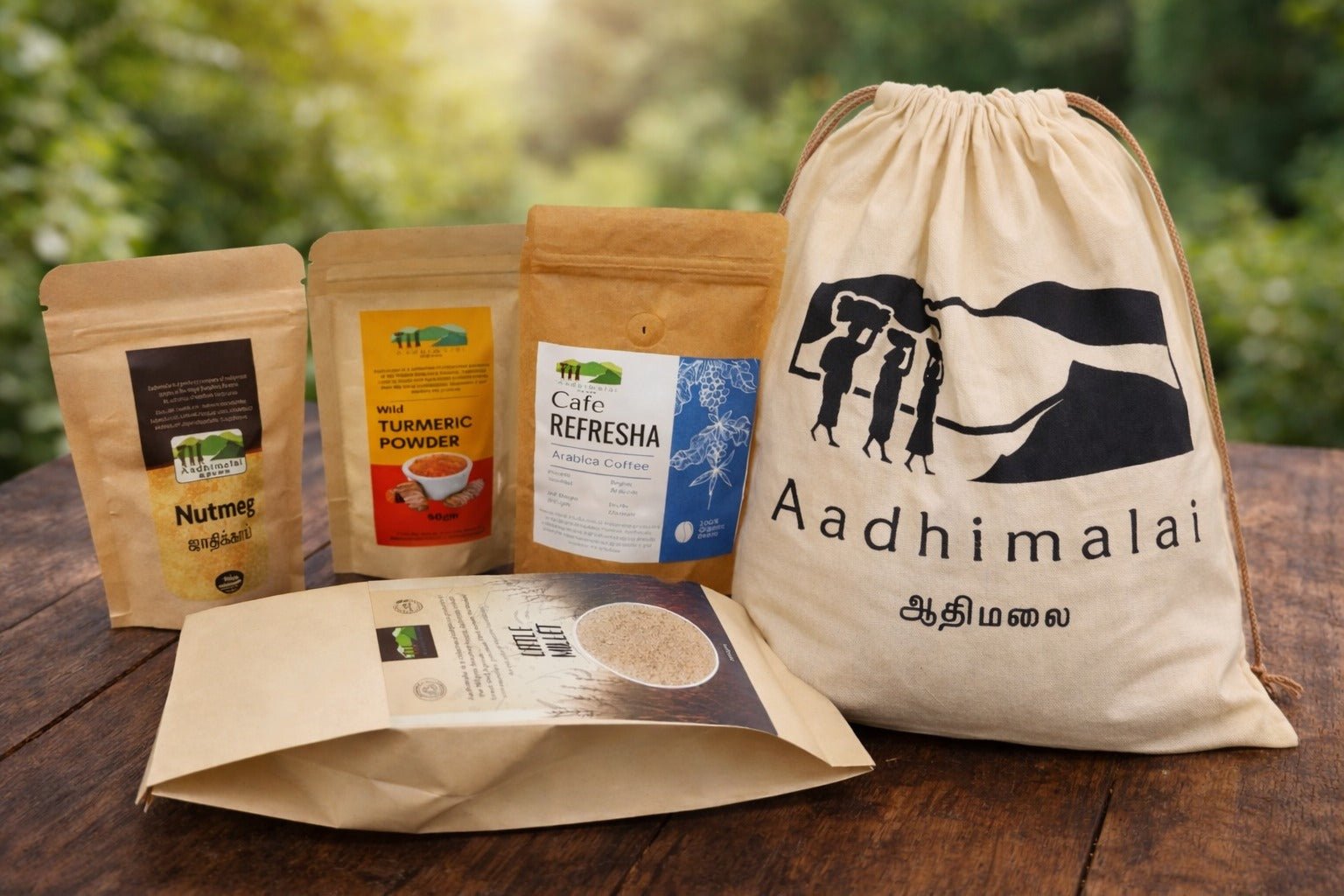
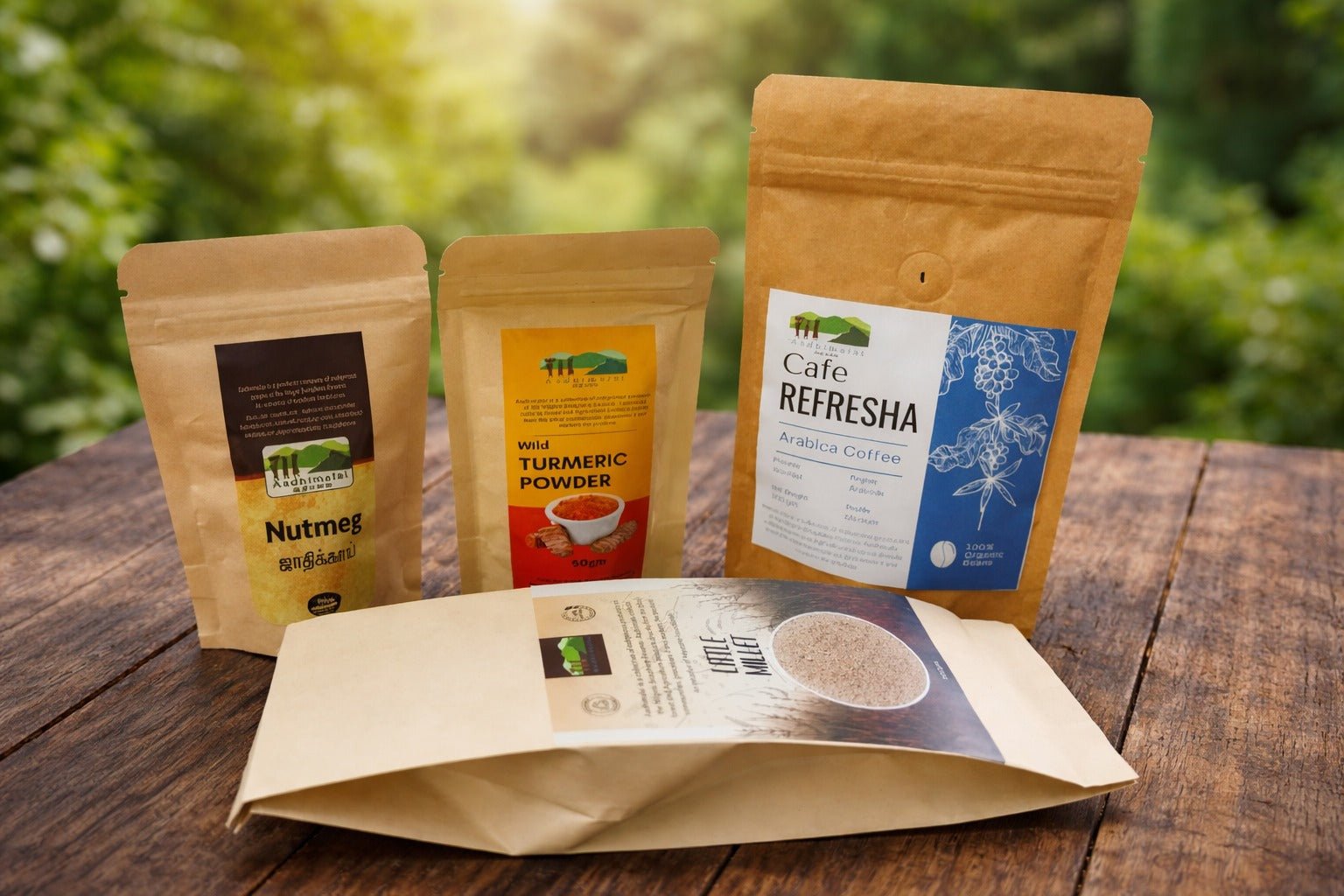
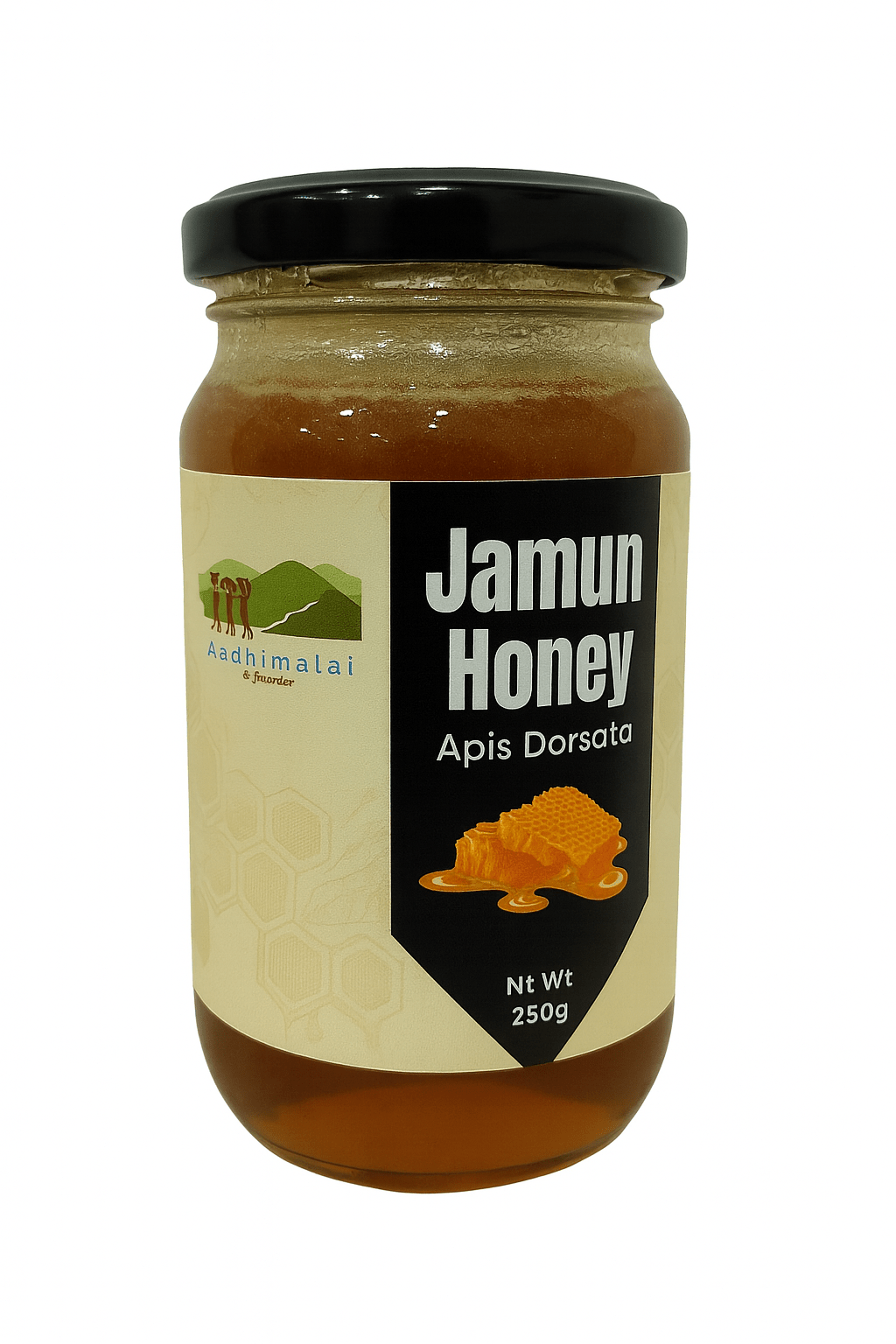
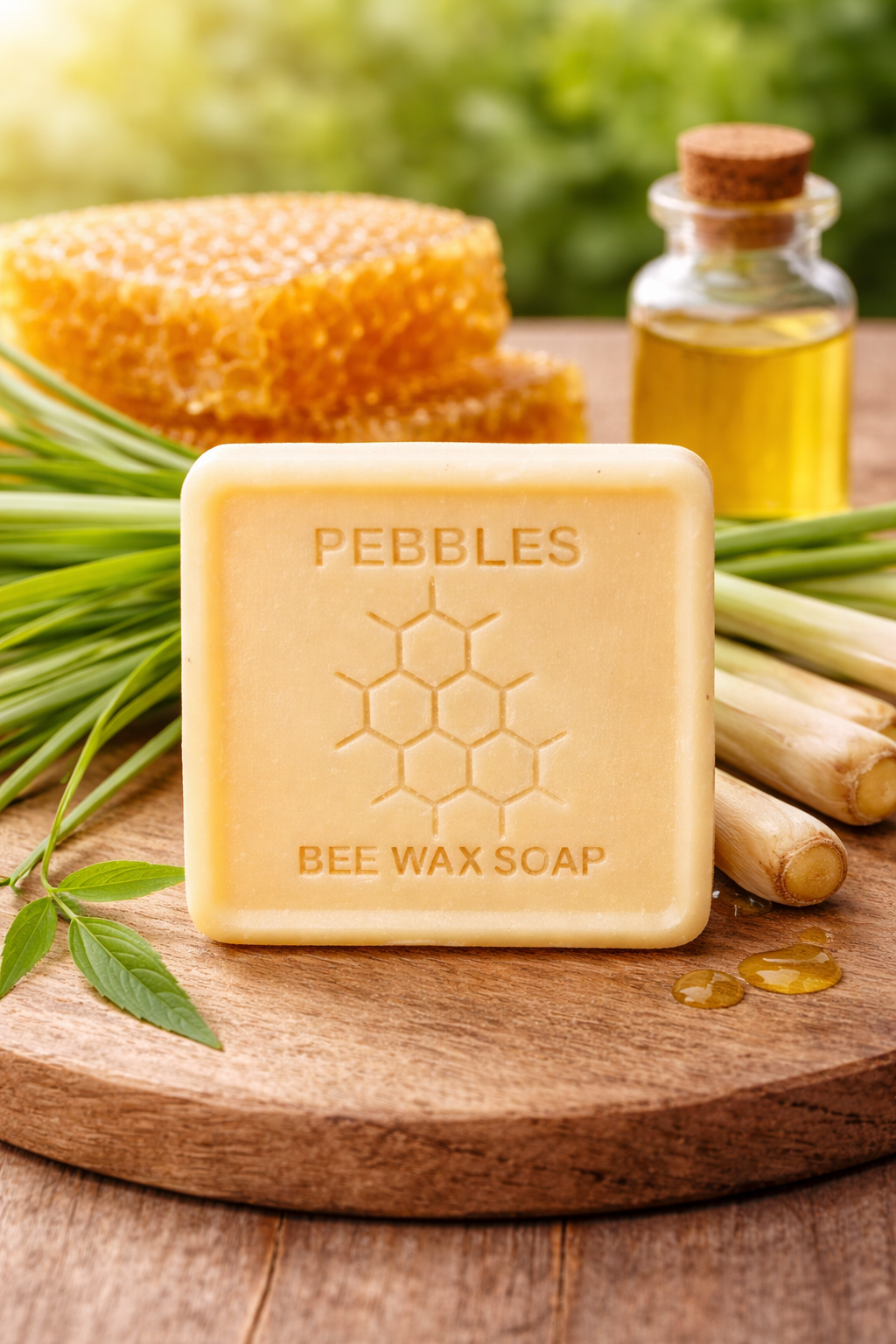
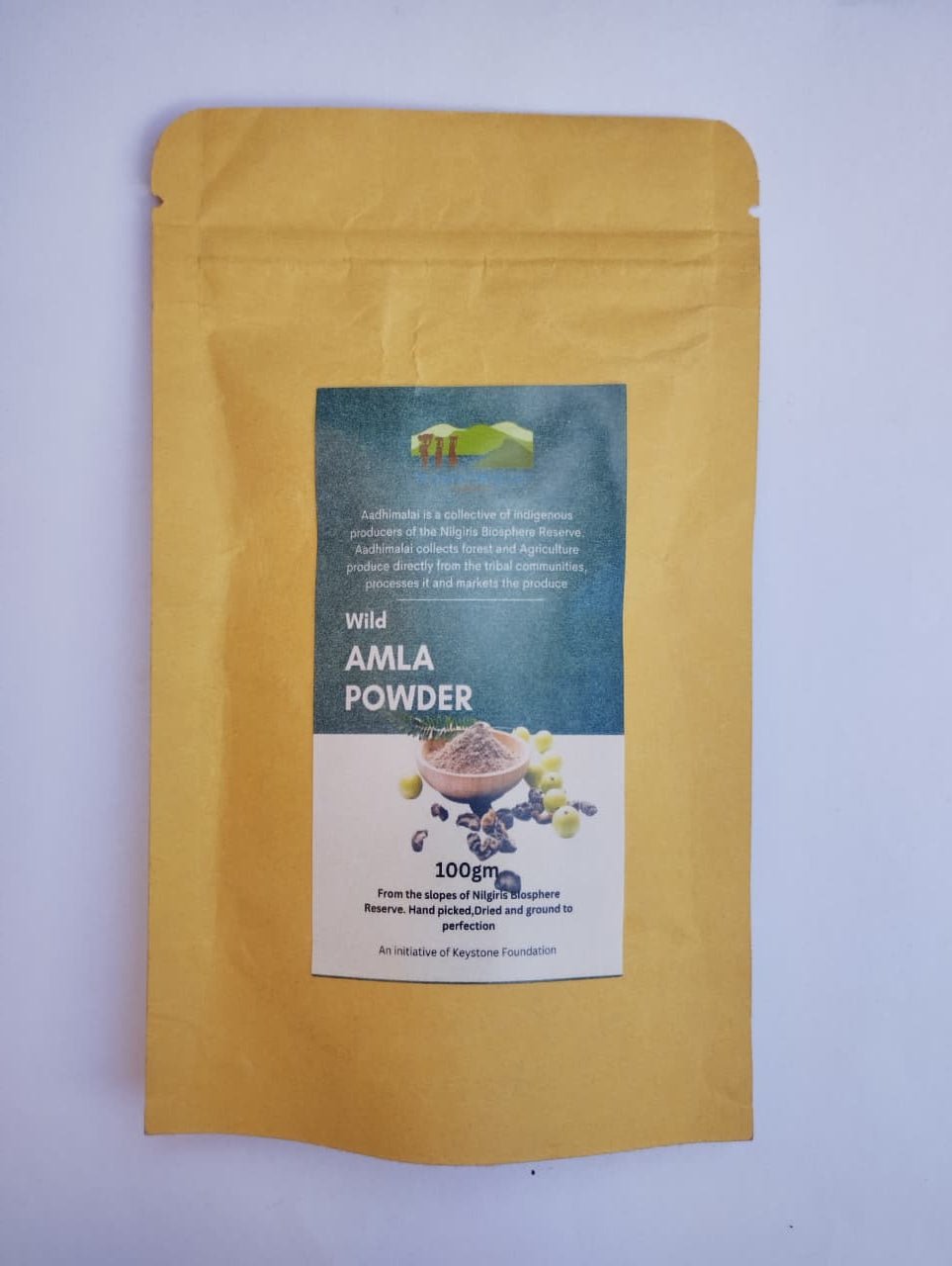
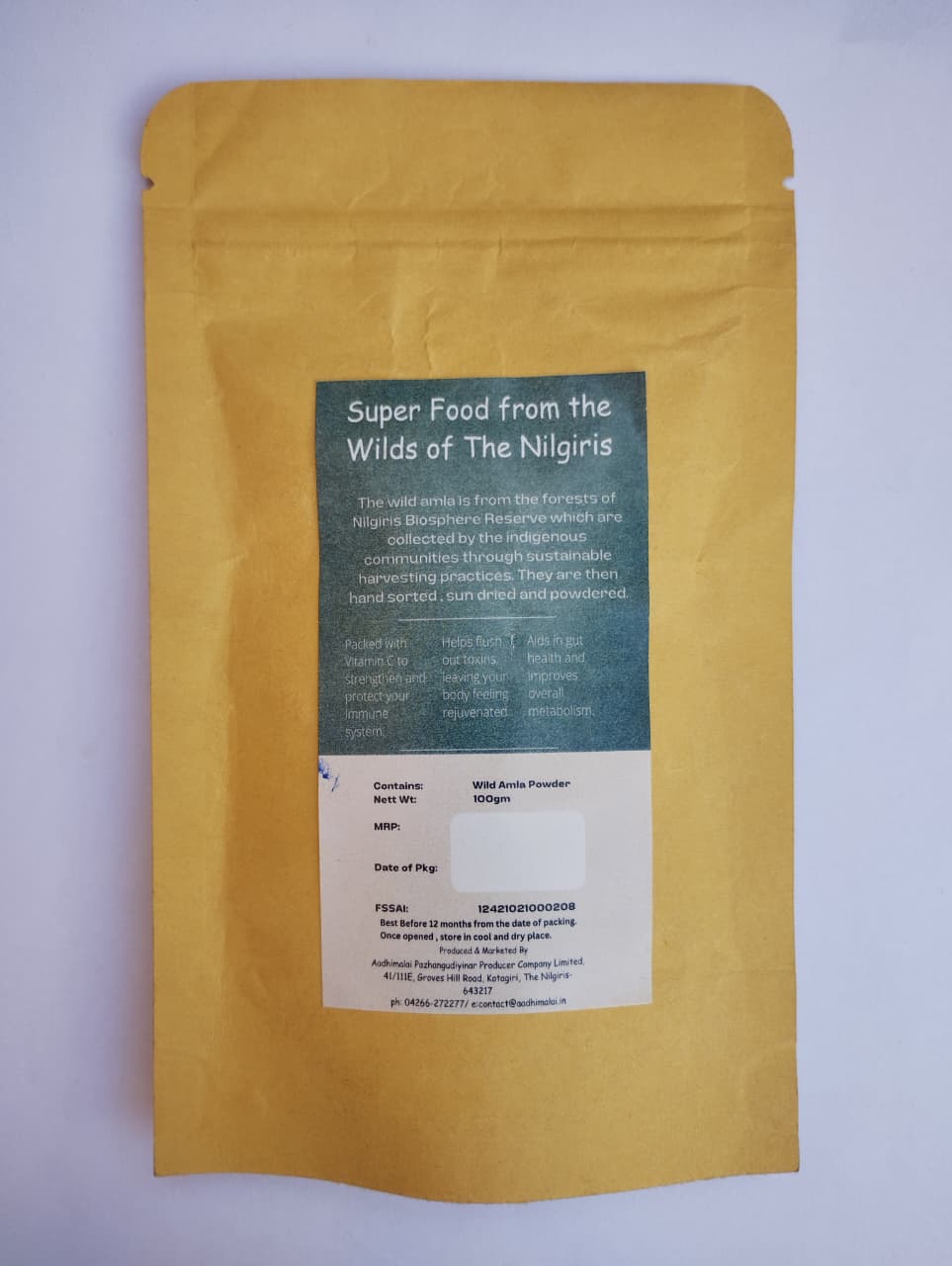
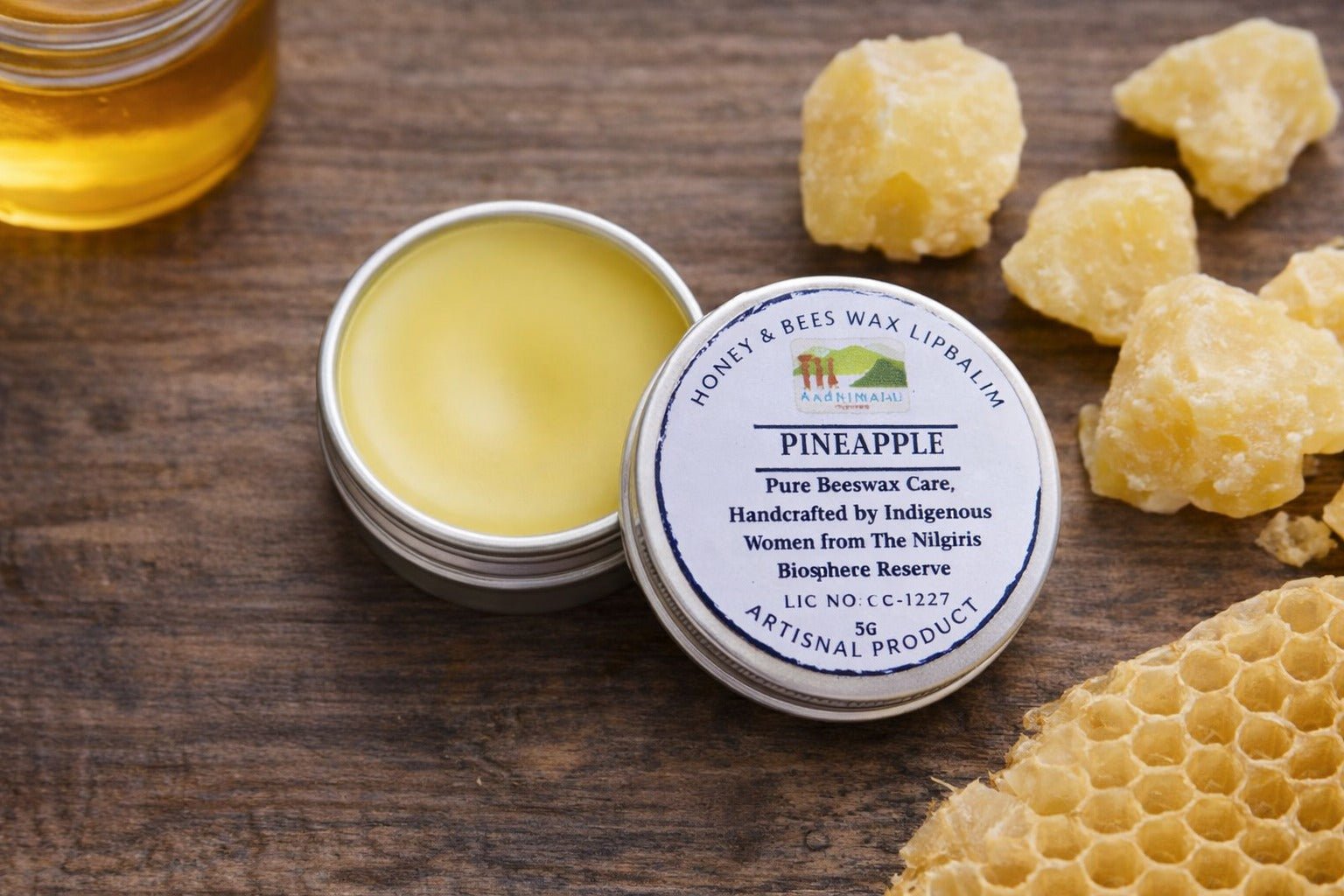
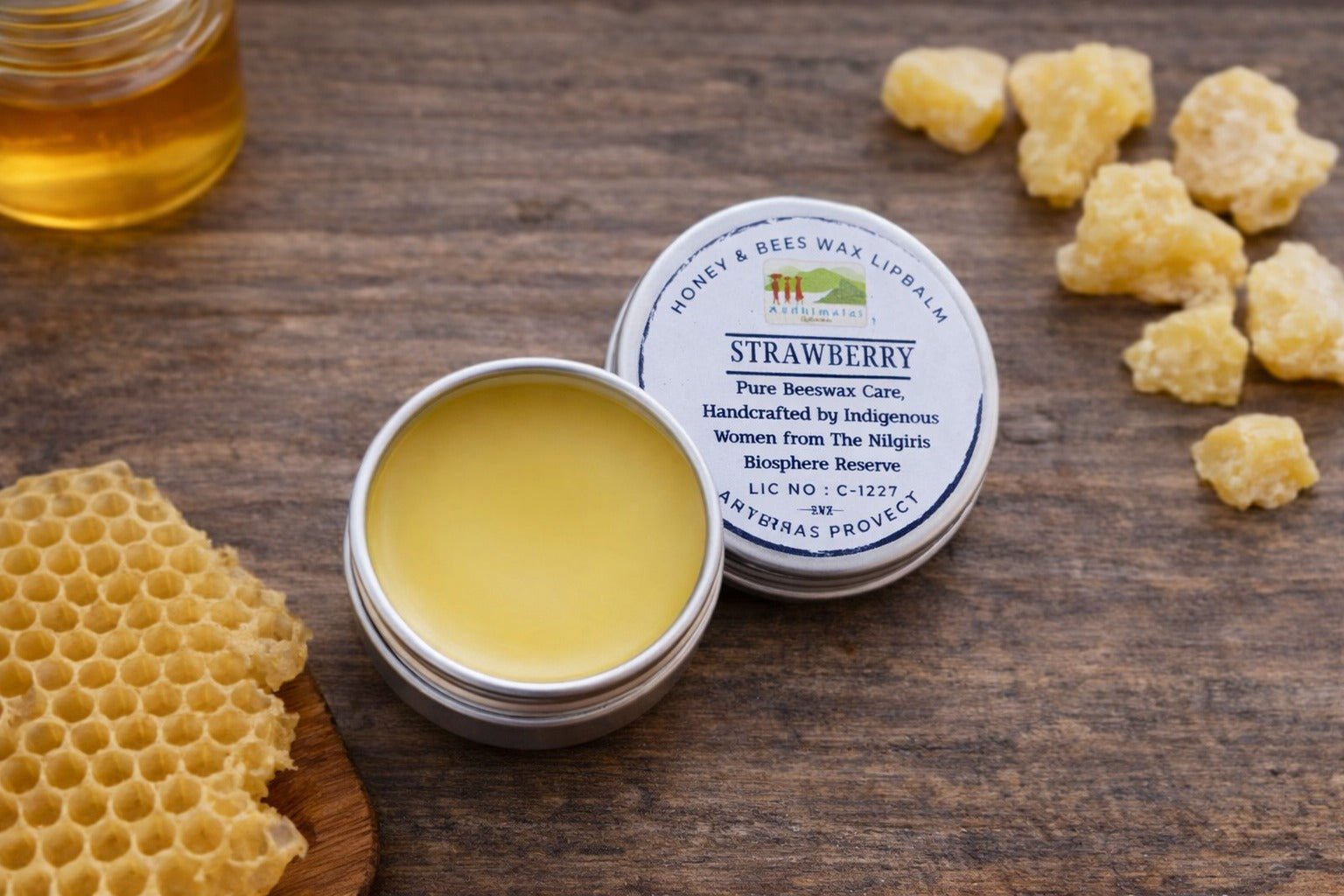
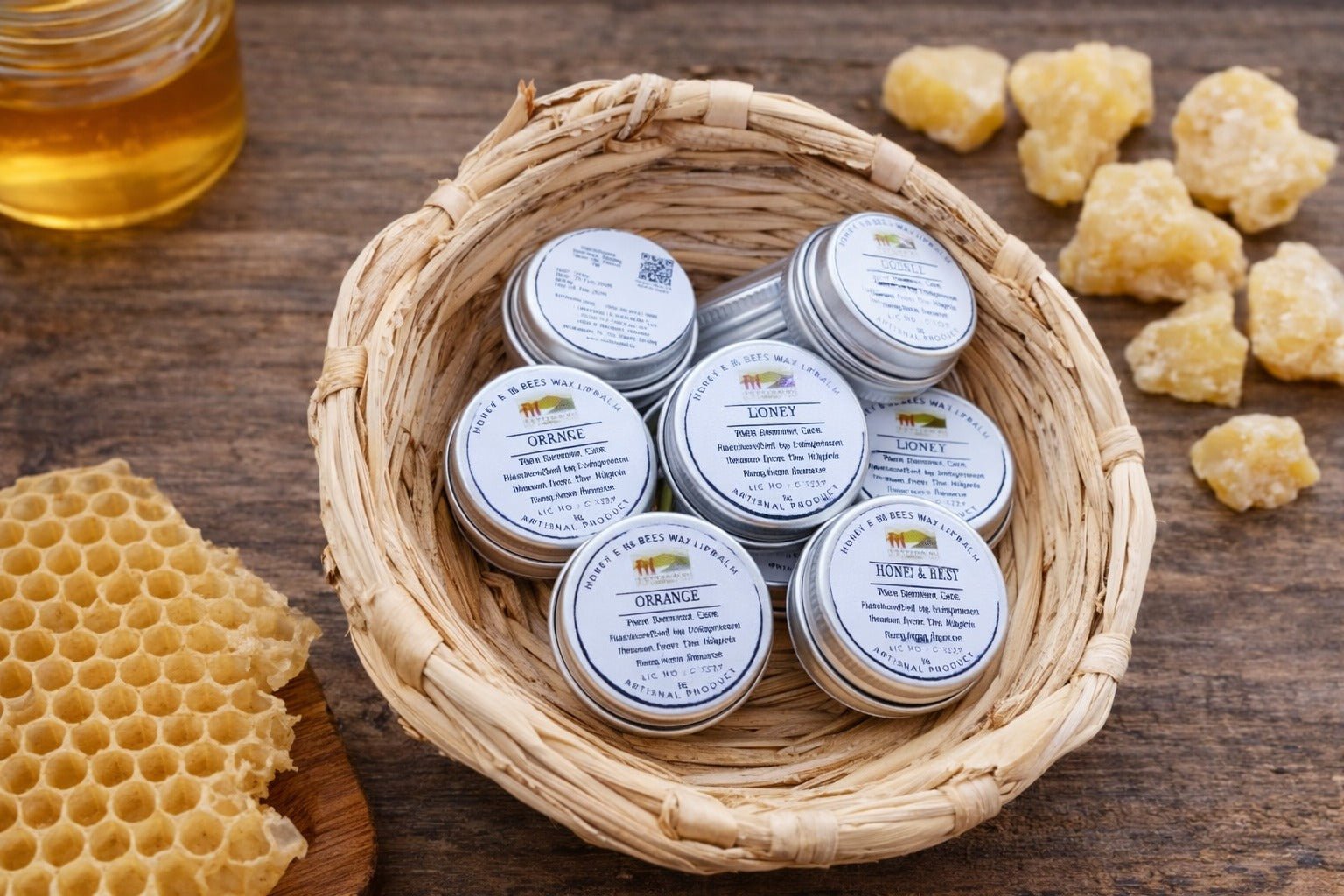
Gooseberries became pickles, soapnuts became shampoos, beeswax became lip balm. Every product was made with care, and every sale meant fair income flowing back to its rightful owners—the producers.
Behind each item is a story of dignity and care. Each sale is a higher income—20% to 30% more than the market rate—flowing directly into tribal households.
But what truly set Aadhimalai apart was its structure. It was—and still is—owned and run by the tribal communities themselves. Every decision, every rupee, every celebration belongs to them.
Today, Aadhimalai works with over 4500 tribal producers across the Nilgiri Biosphere Reserve. We operate in 4 fully functional processing units and a growing marketplace for ethically sourced, handmade goods. But beyond the products lies a promise—to protect biodiversity, preserve heritage, and ensure that the forest and its people continue to thrive together.
In 2021, Aadhimalai Pazhangudiyinar Producer Company was honored with the prestigious UNDP Equator Prize, a global recognition awarded to outstanding community-led initiatives that advance sustainable development and climate resilience. Selected from among hundreds of nominees worldwide, Aadhimalai stood out for its unique model of Indigenous, women-led, producer-owned enterprise that protects forests while uplifting livelihoods. The award acknowledged Aadhimalai’s commitment to democratic governance, ecological stewardship, and the revival of traditional knowledge systems. With over 1,800 tribal producers—nearly half of them women—Aadhimalai has created a fair, transparent economy rooted in sustainability and local leadership. The recognition from UNDP not only amplified Aadhimalai’s voice on the global stage but also affirmed that true climate action and conservation begin from the ground up, in the hands of communities that have lived in balance with nature for generations.
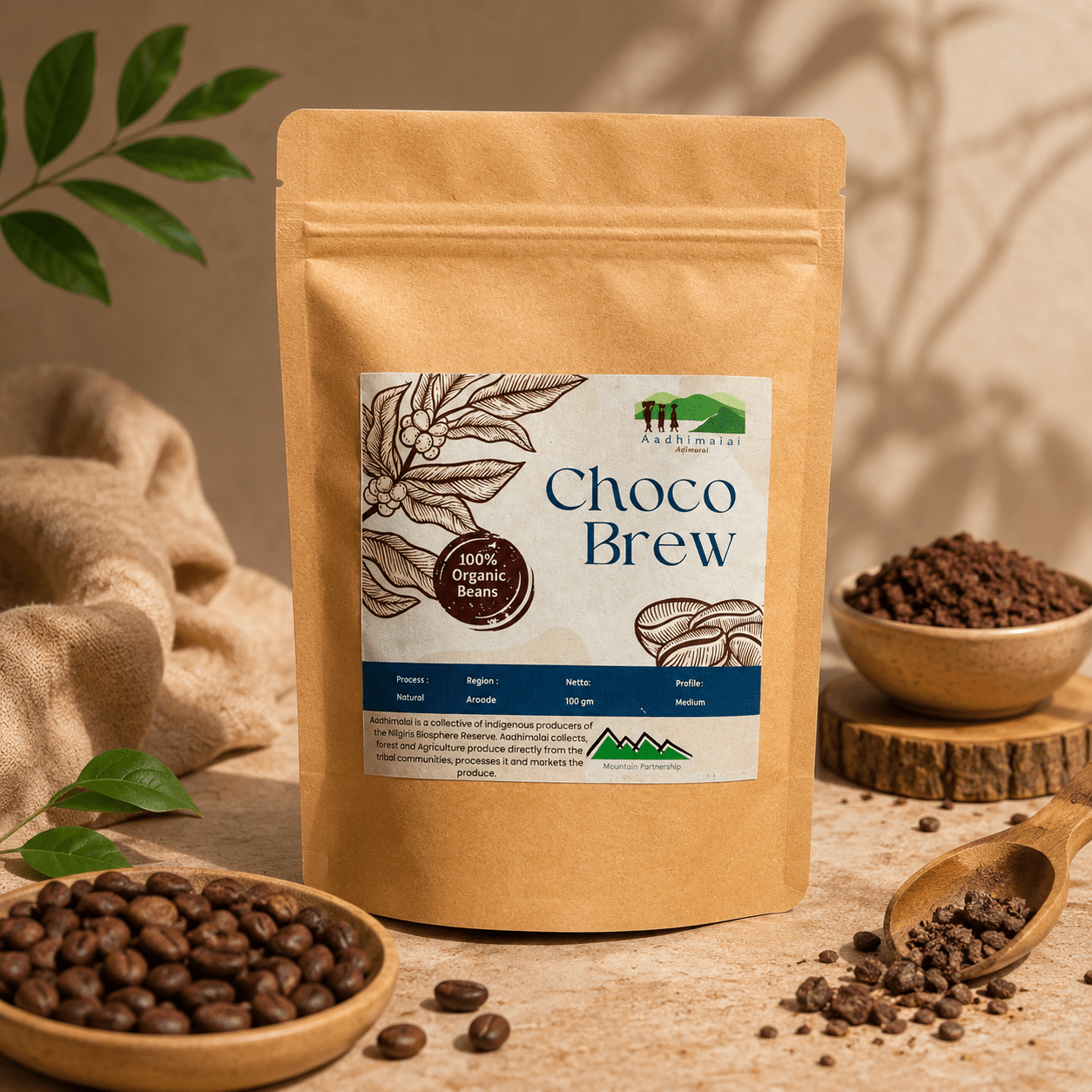
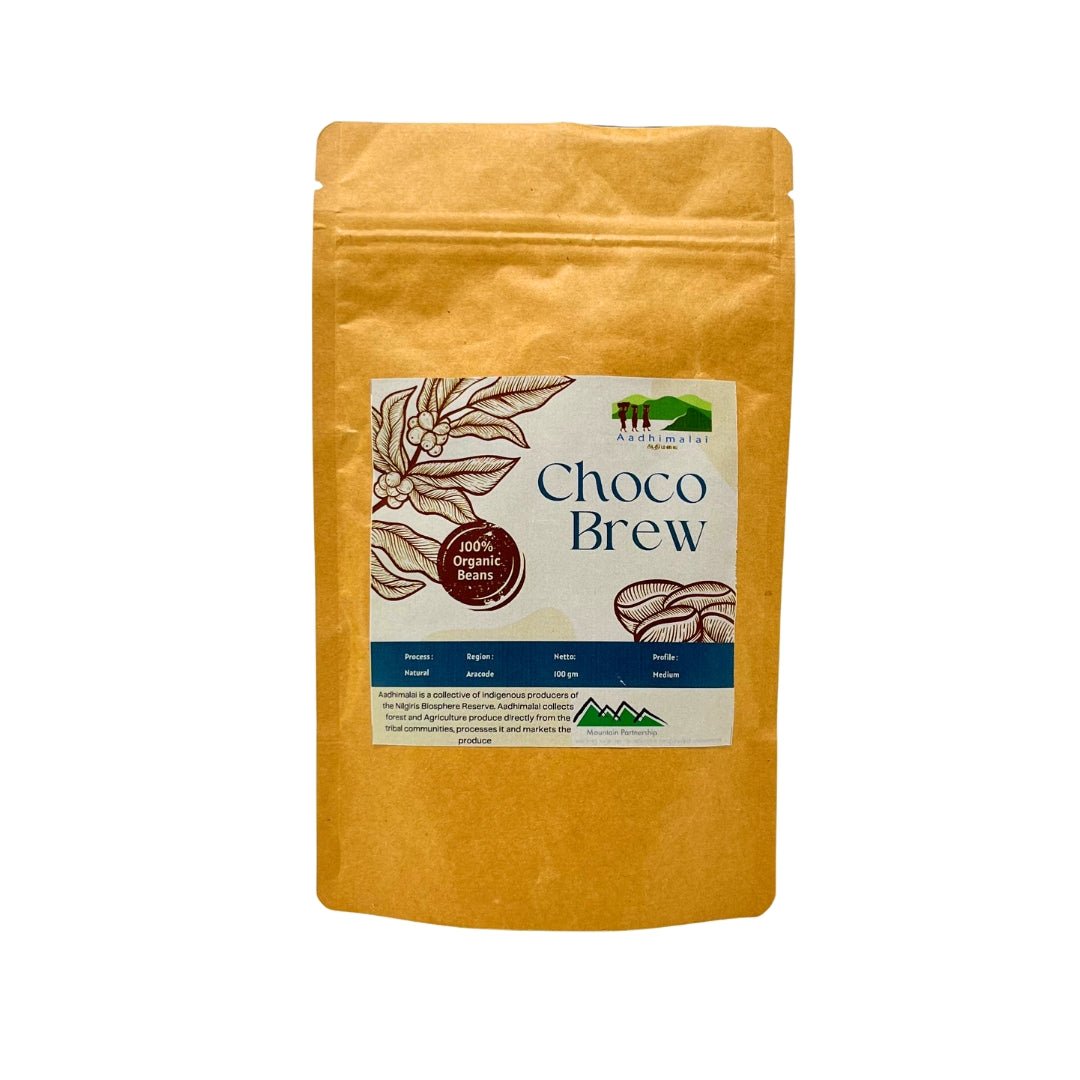
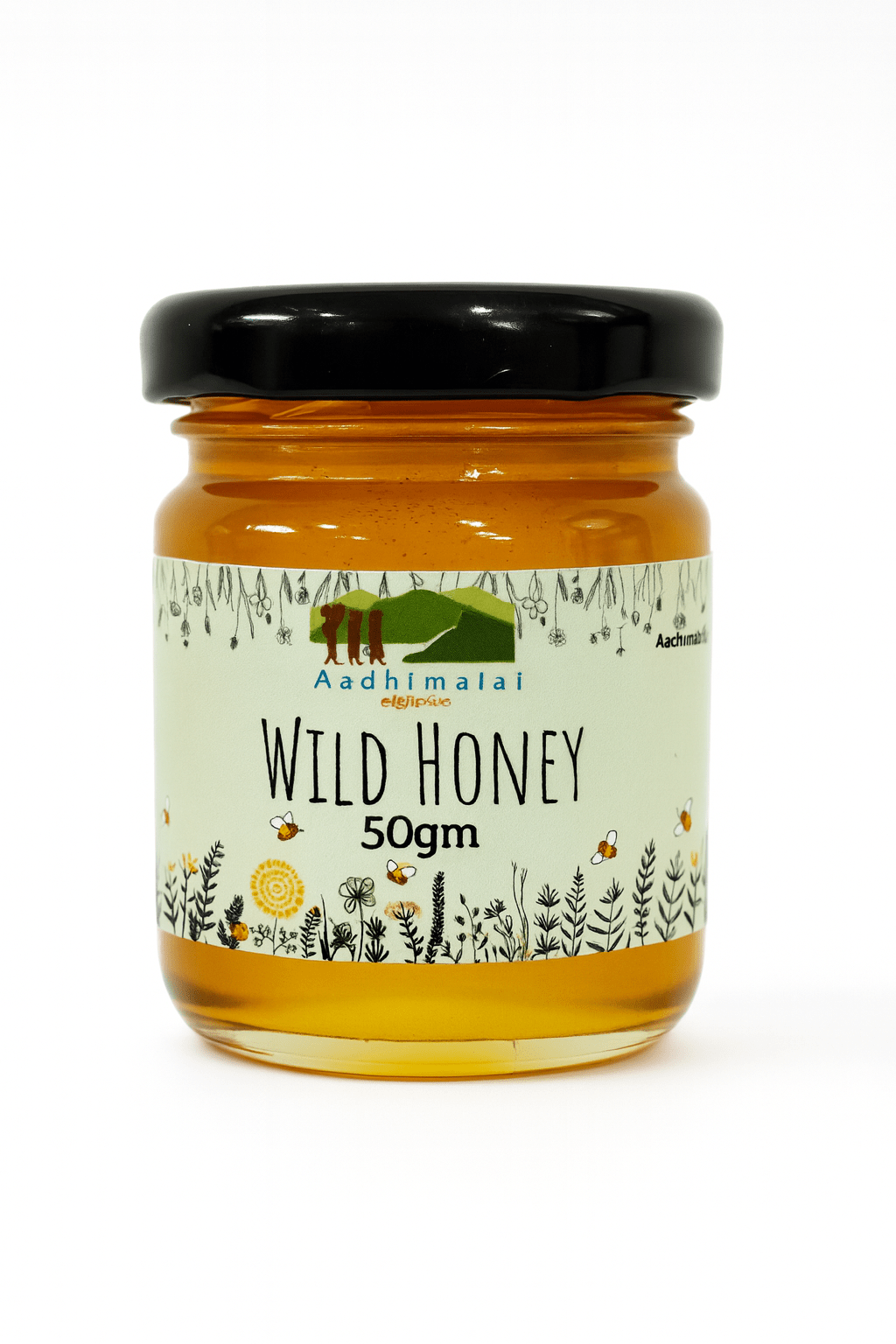
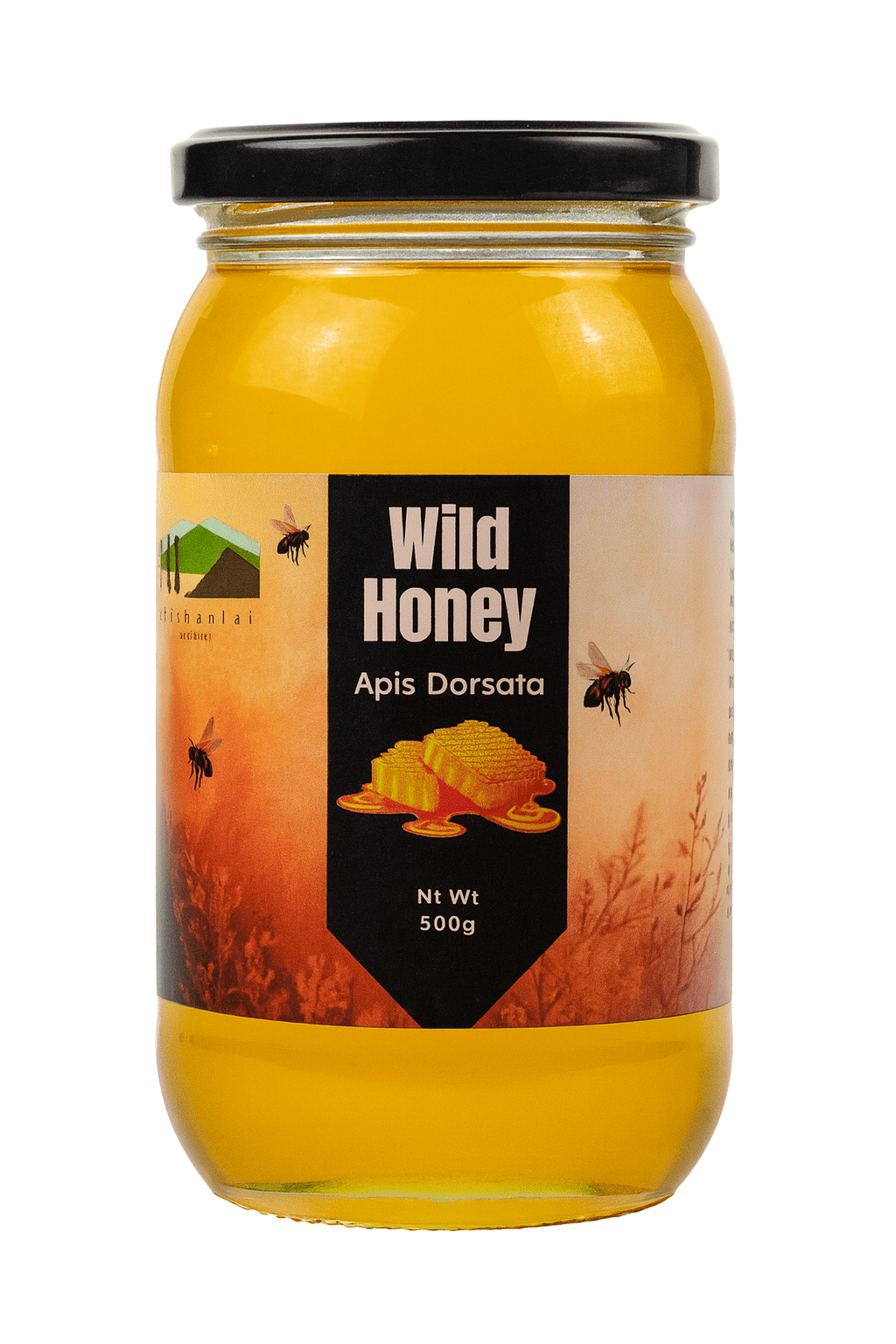
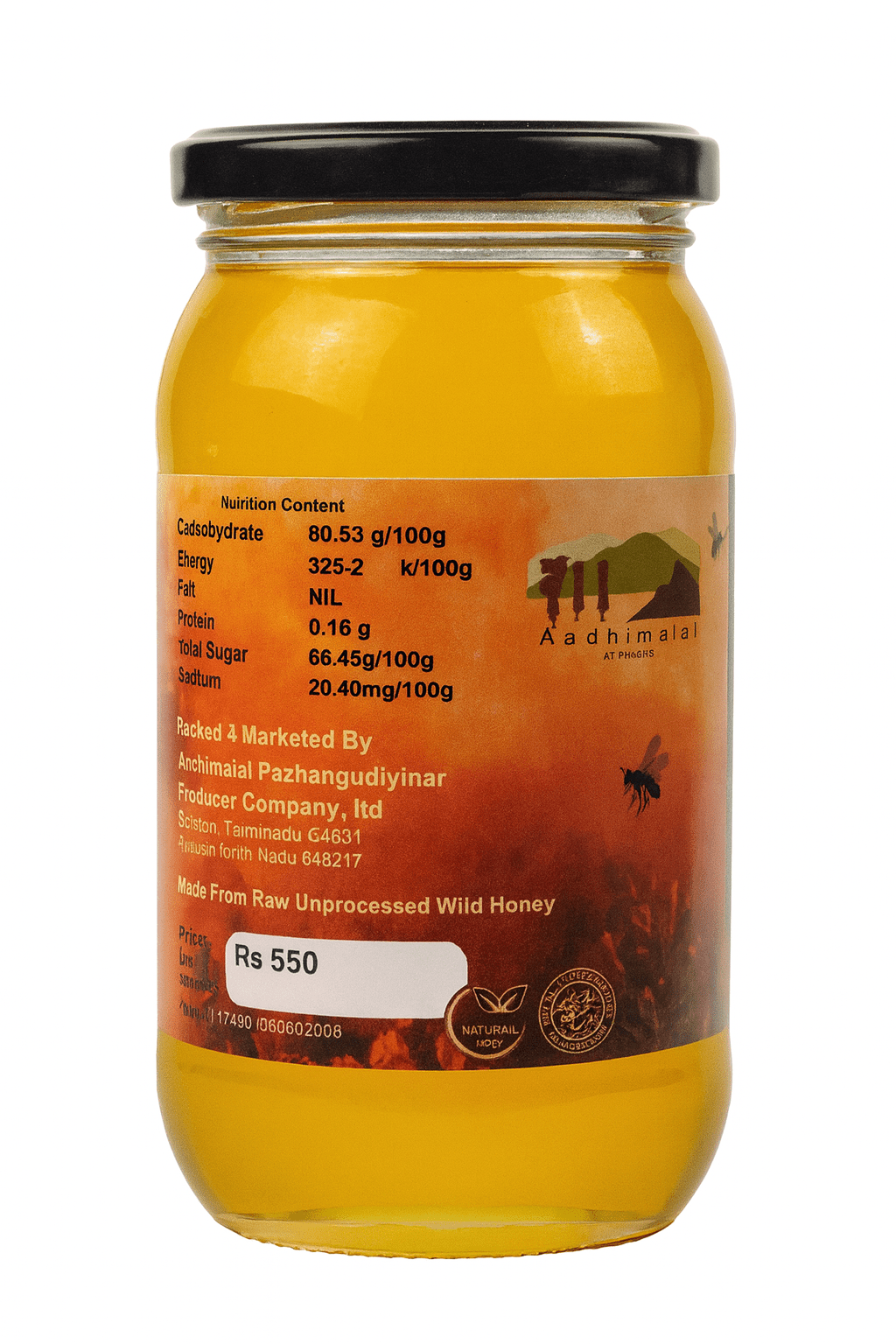
At its core, we don’t see ourselves as a company. We are a collective dream—born in the forest, shaped by community hands, and carried forward with dignity. Every jar of honey, every bag of forest coffee, every handcrafted balm tells a story.
It tells our story. The story of “ஆதிமலை”