What is the manufacturing process?
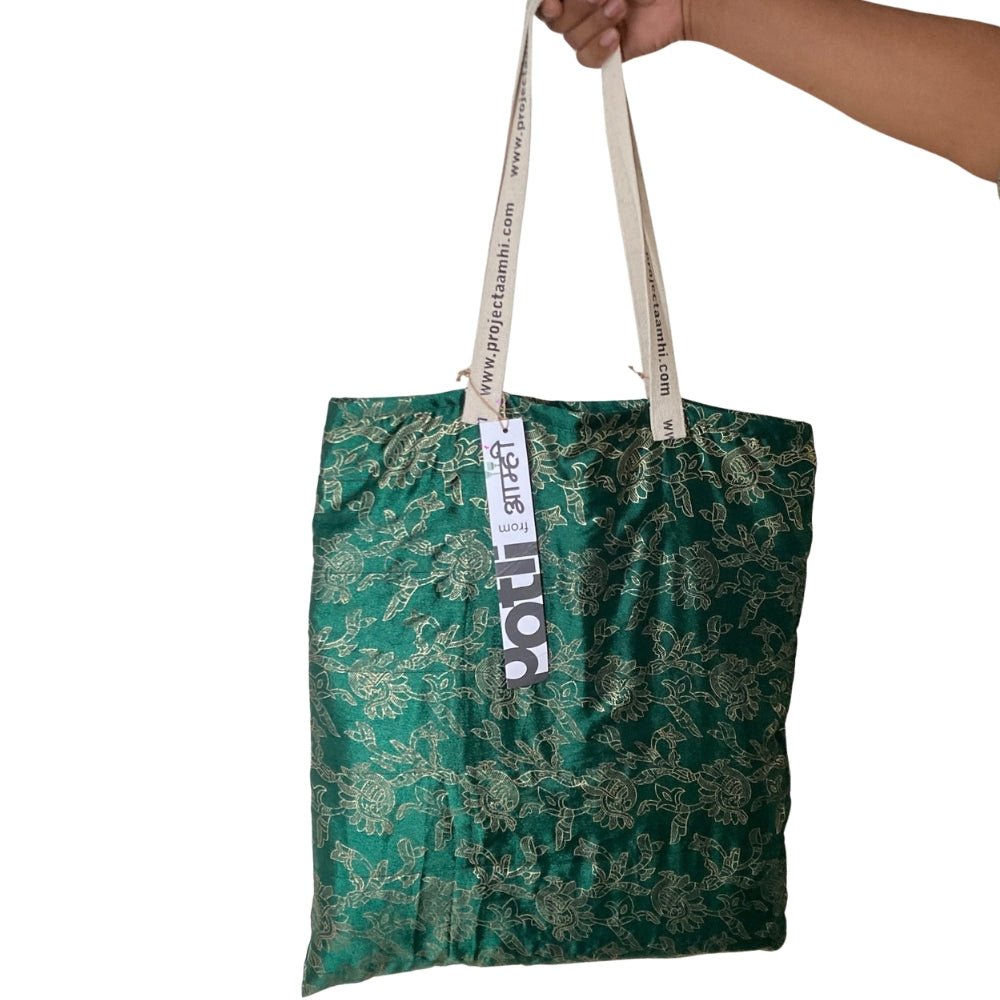
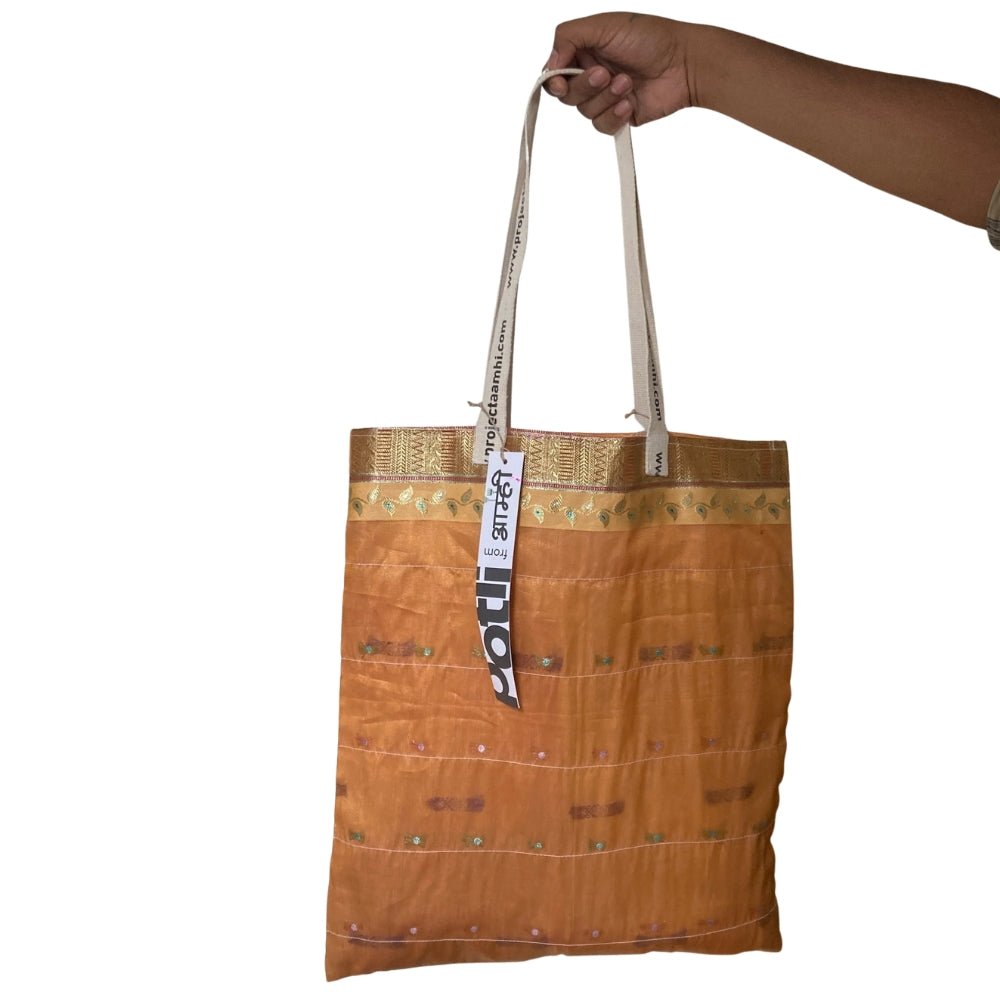
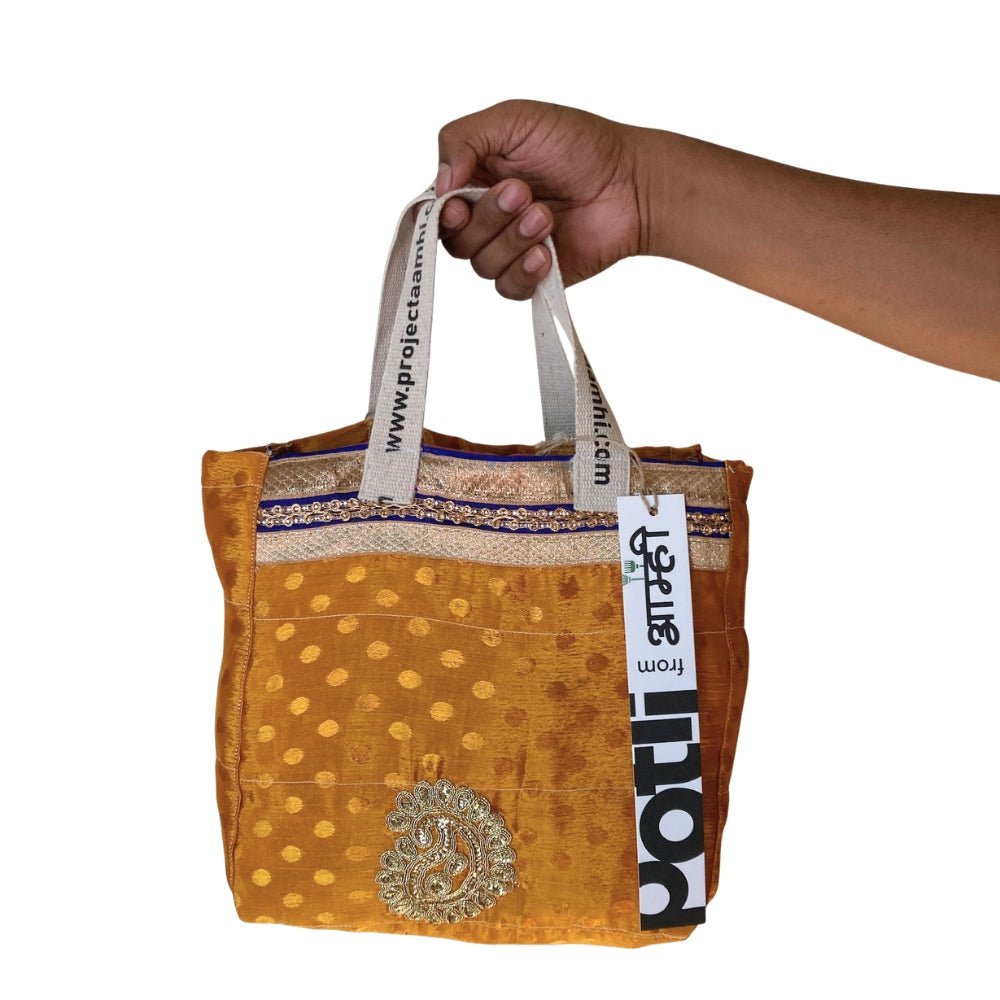
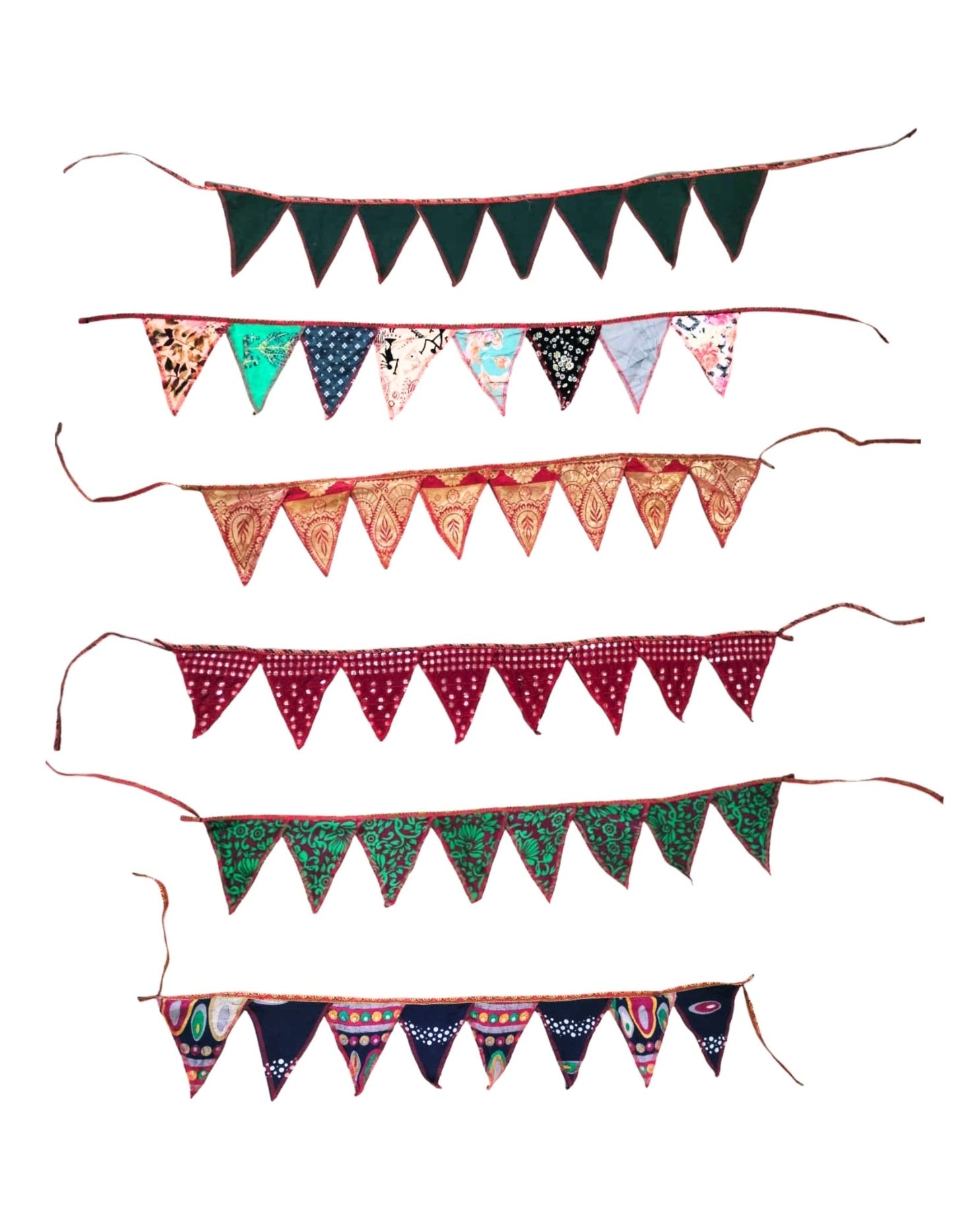
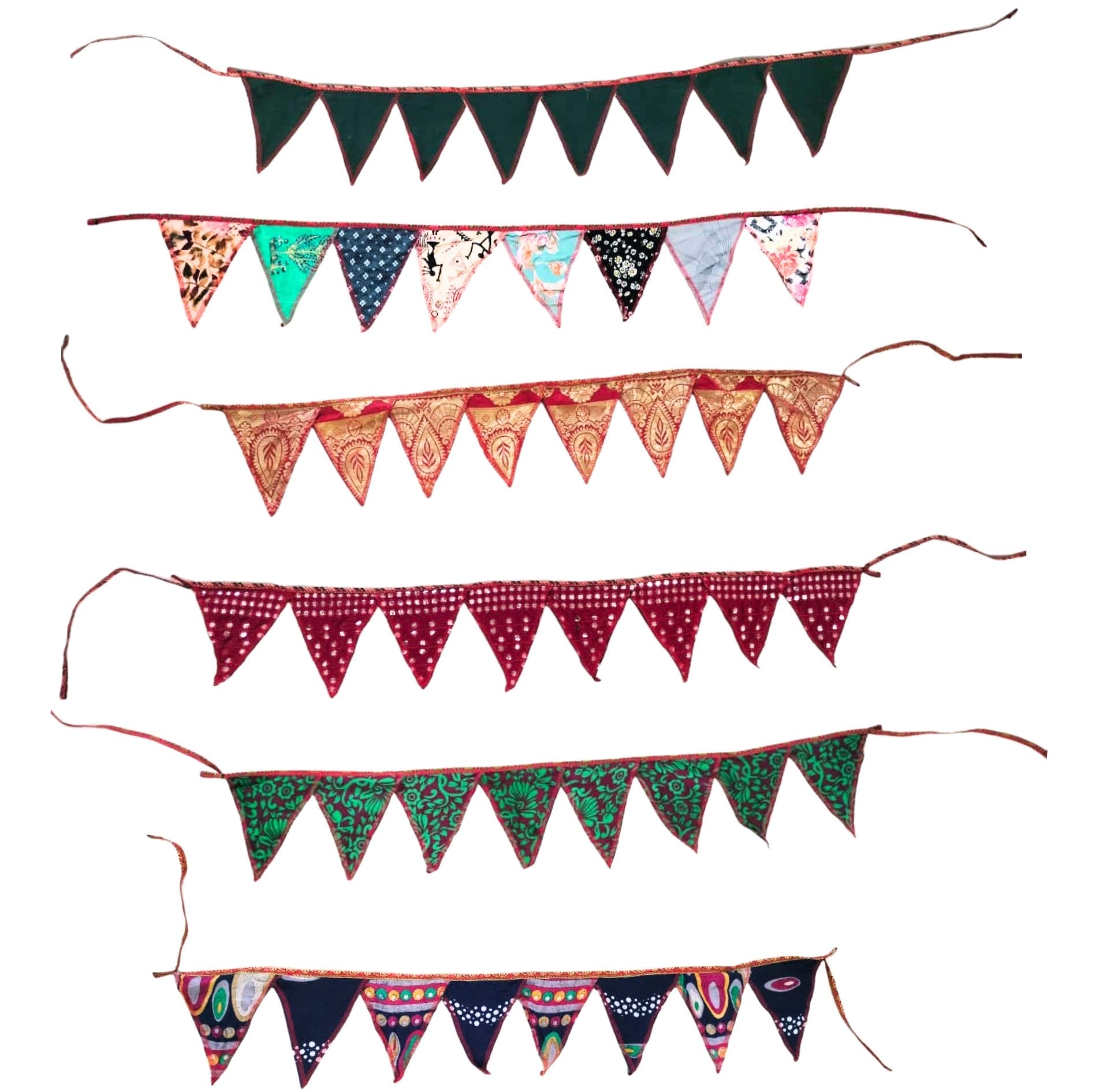
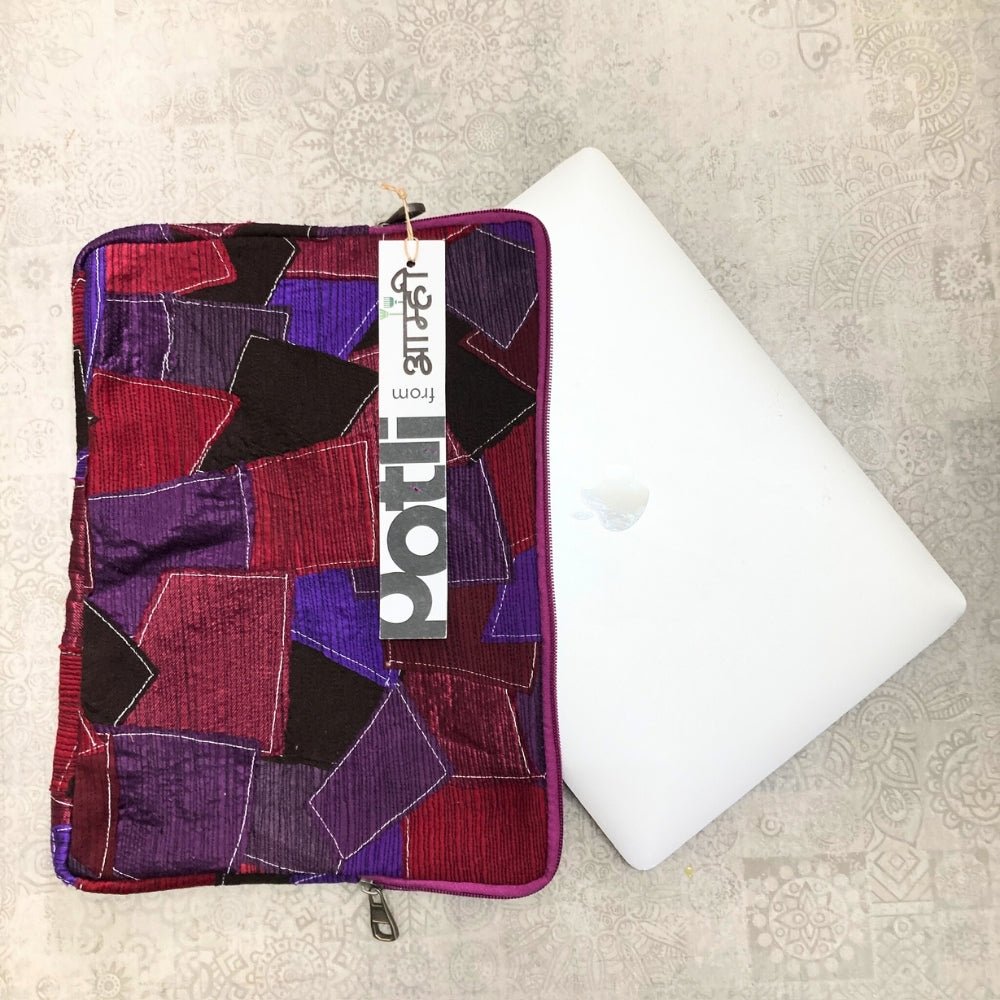
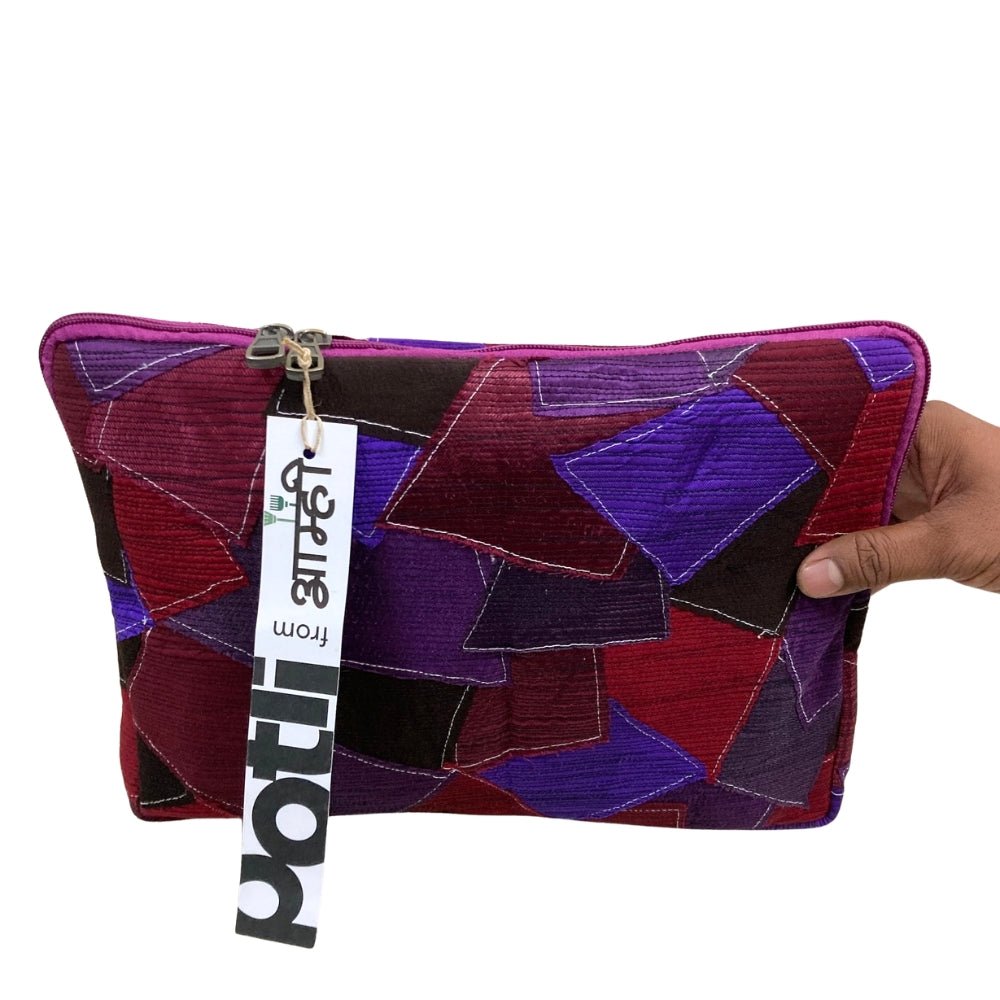
01 Collection: Our 15 safai-sathis collect solid waste, including coconut fronds, from roads, playgrounds, beaches, organised dumps, and dumping hotspots. On average, we collect around 2,000 bags each month despite long village distances, with each safai-sathi collecting about 7 bags daily. 02 Segregation: Waste is segregated into 12 categories as per recycling partner guidelines. Each safai-sathi segregates roughly 30 bags of waste every day to ensure effective recycling. 03 Recycling: As recycling hubs are over 160 km away, PET bottles and glass are recycled locally to reduce carbon footprint. Through Godrej Industries’ EPR program, LDP plastics and fishing nets are converted into pellets, footwear into rubber sheets, and thermacol into photo frames. 04 Upcycling & 05 Education: Nearly 500 kg of clothing is redistributed or converted into market bags. Aamhi conducts community training and distributes visual guide bags to promote proper wet–dry waste segregation.
What are the ingredients/materials you use?
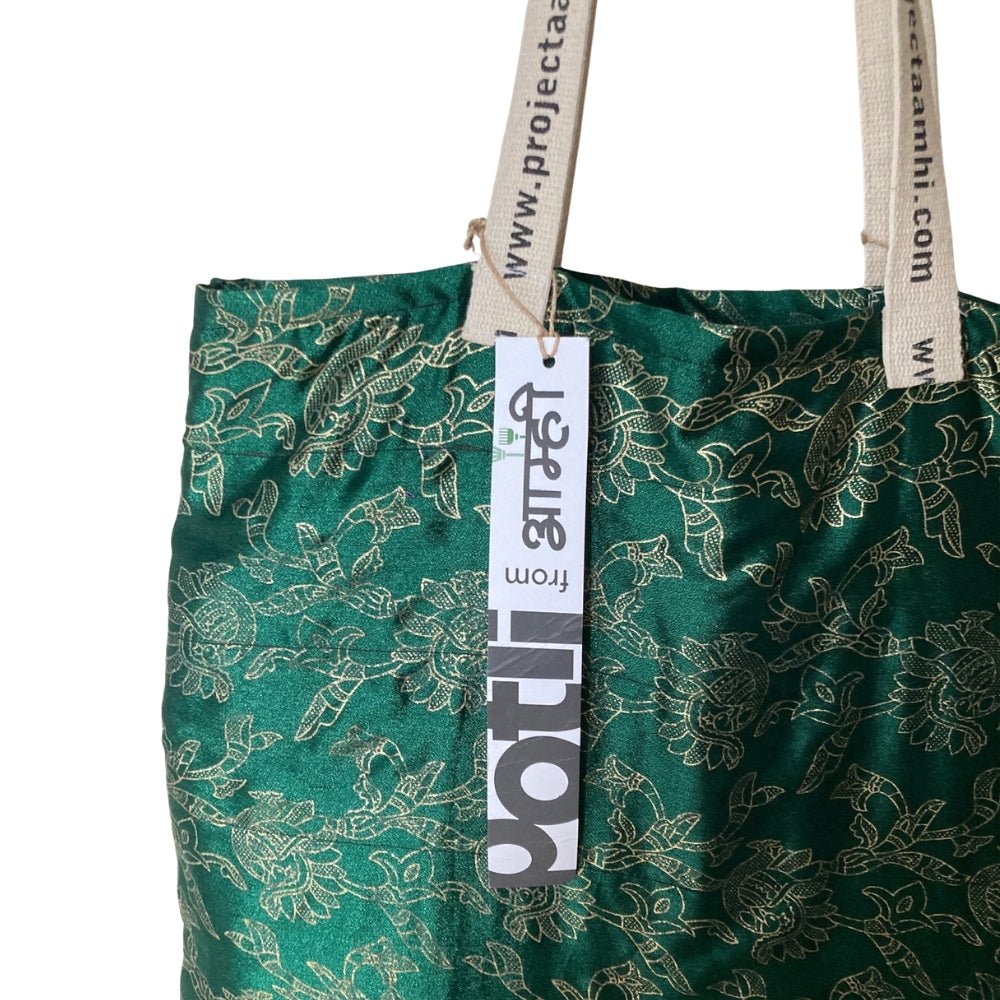
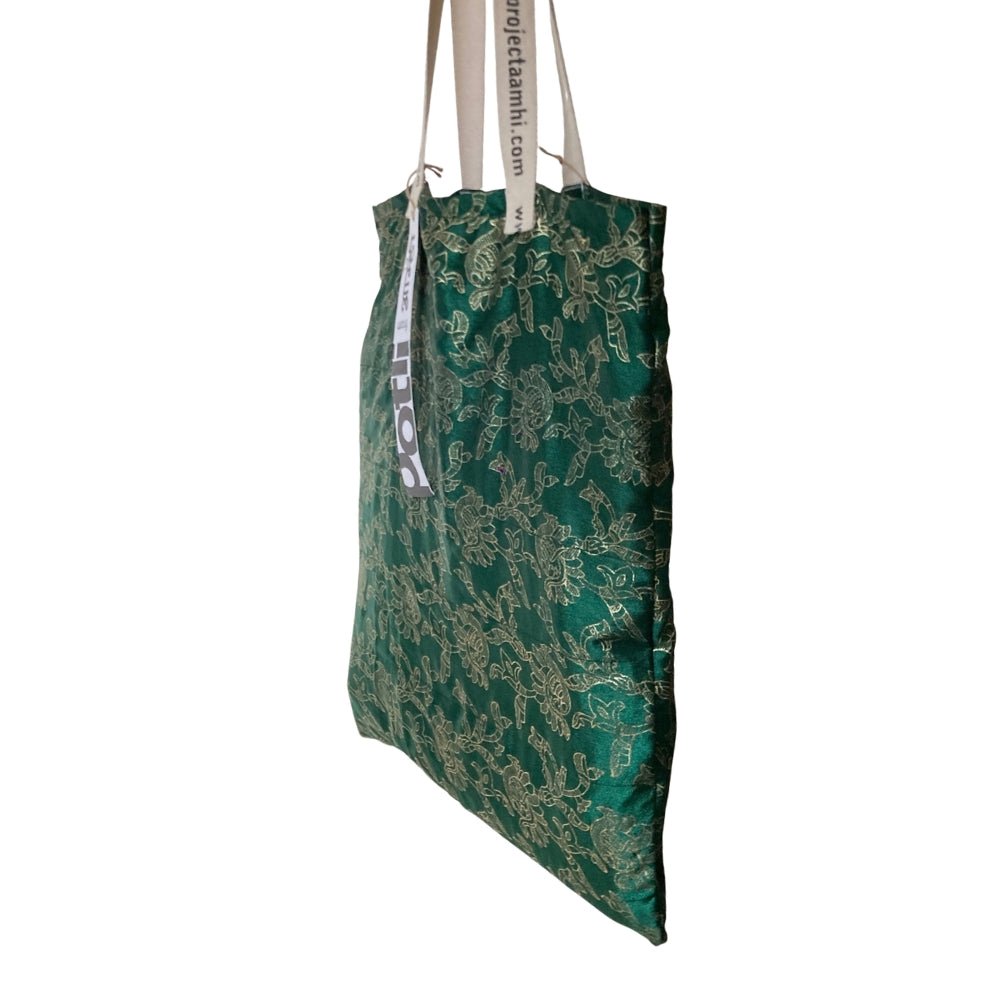
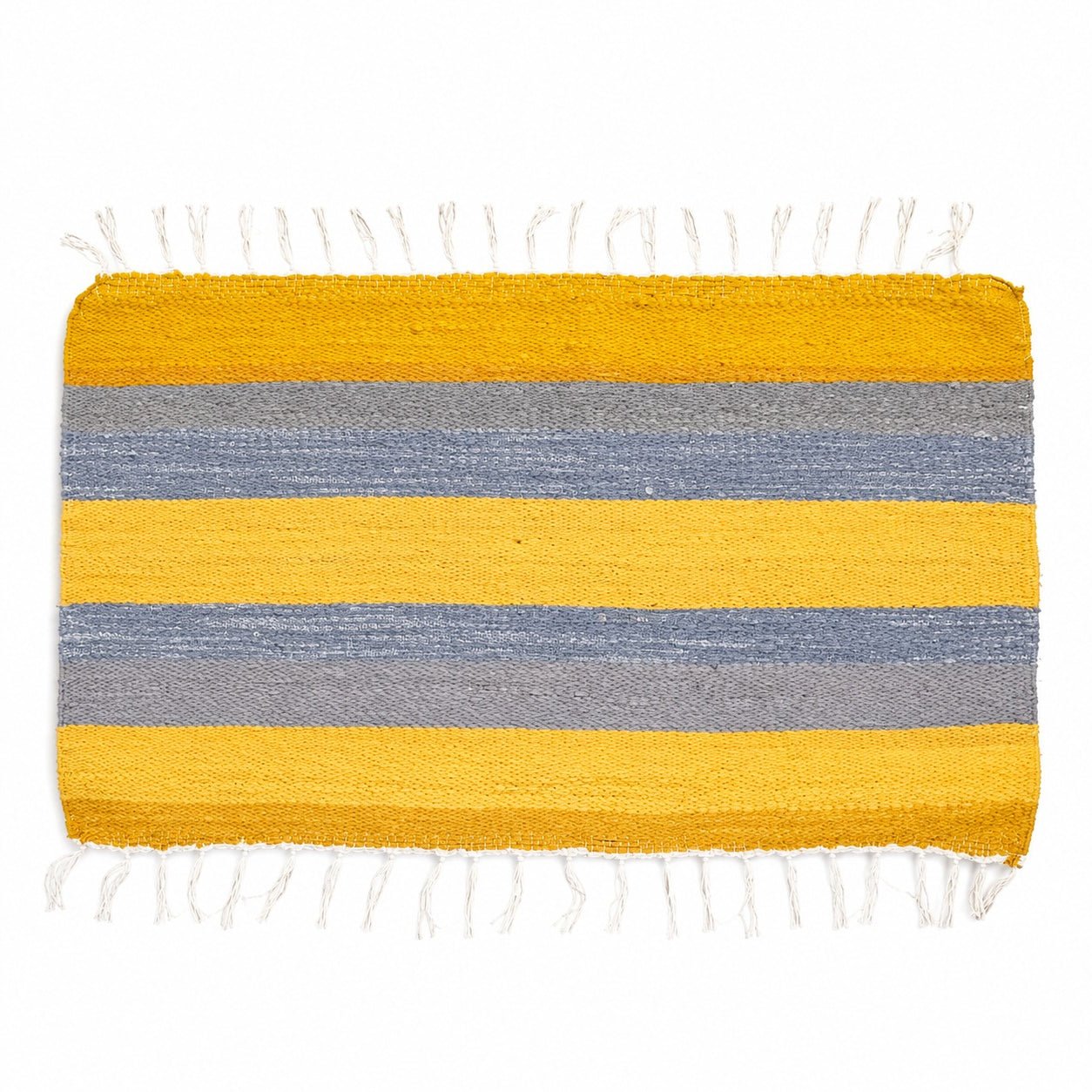
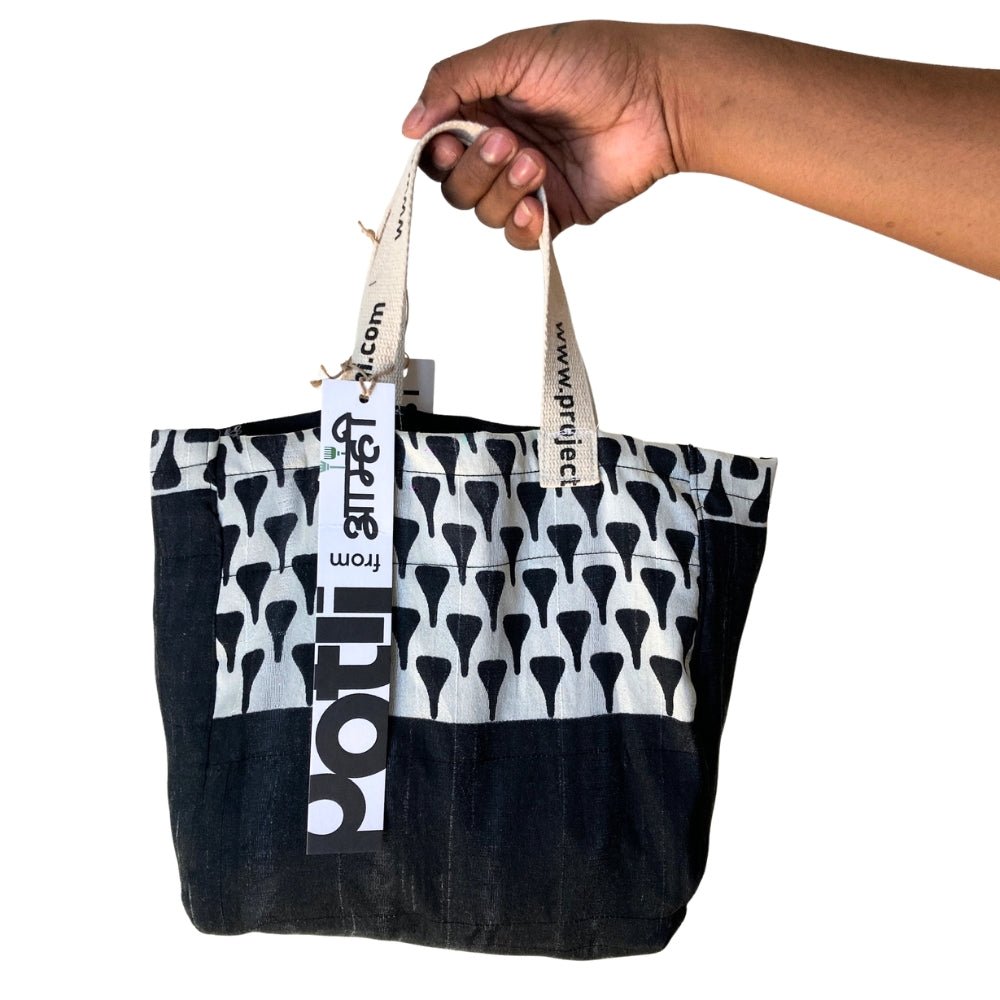
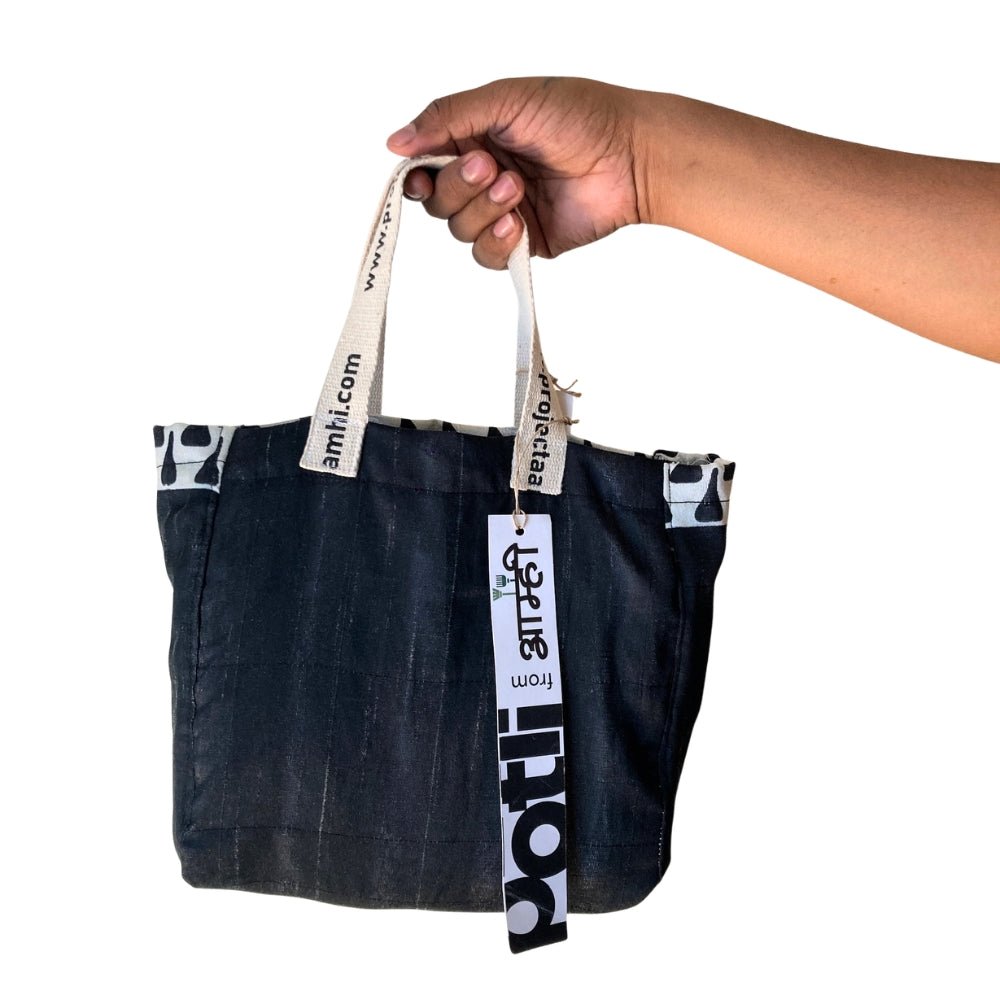
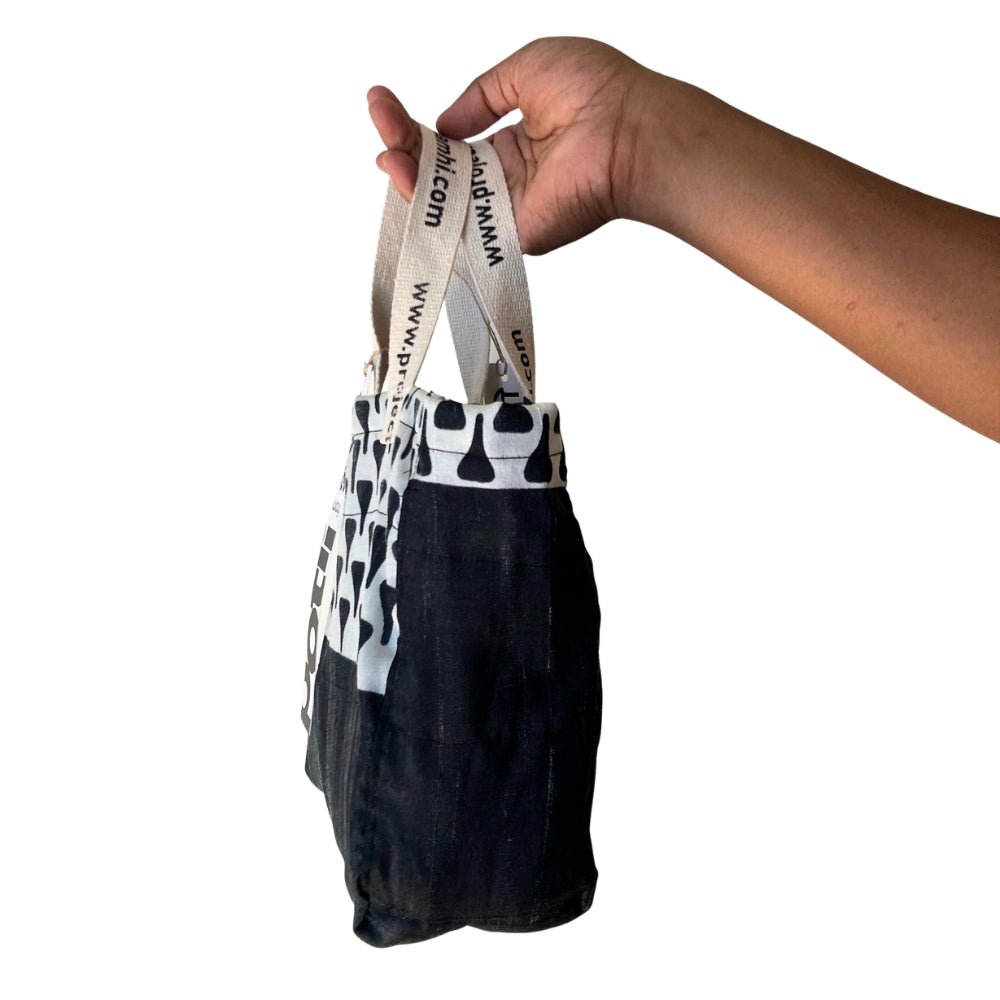
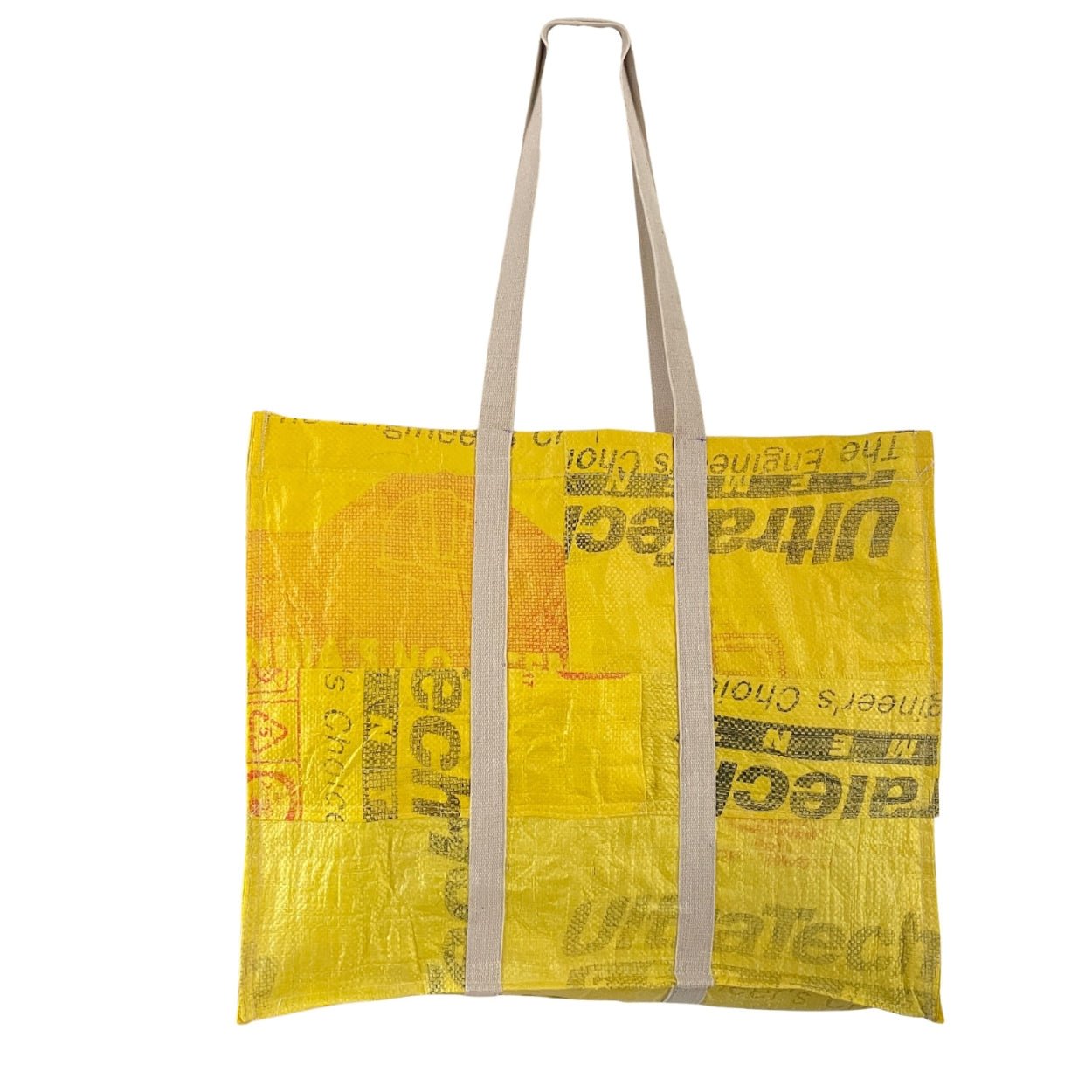
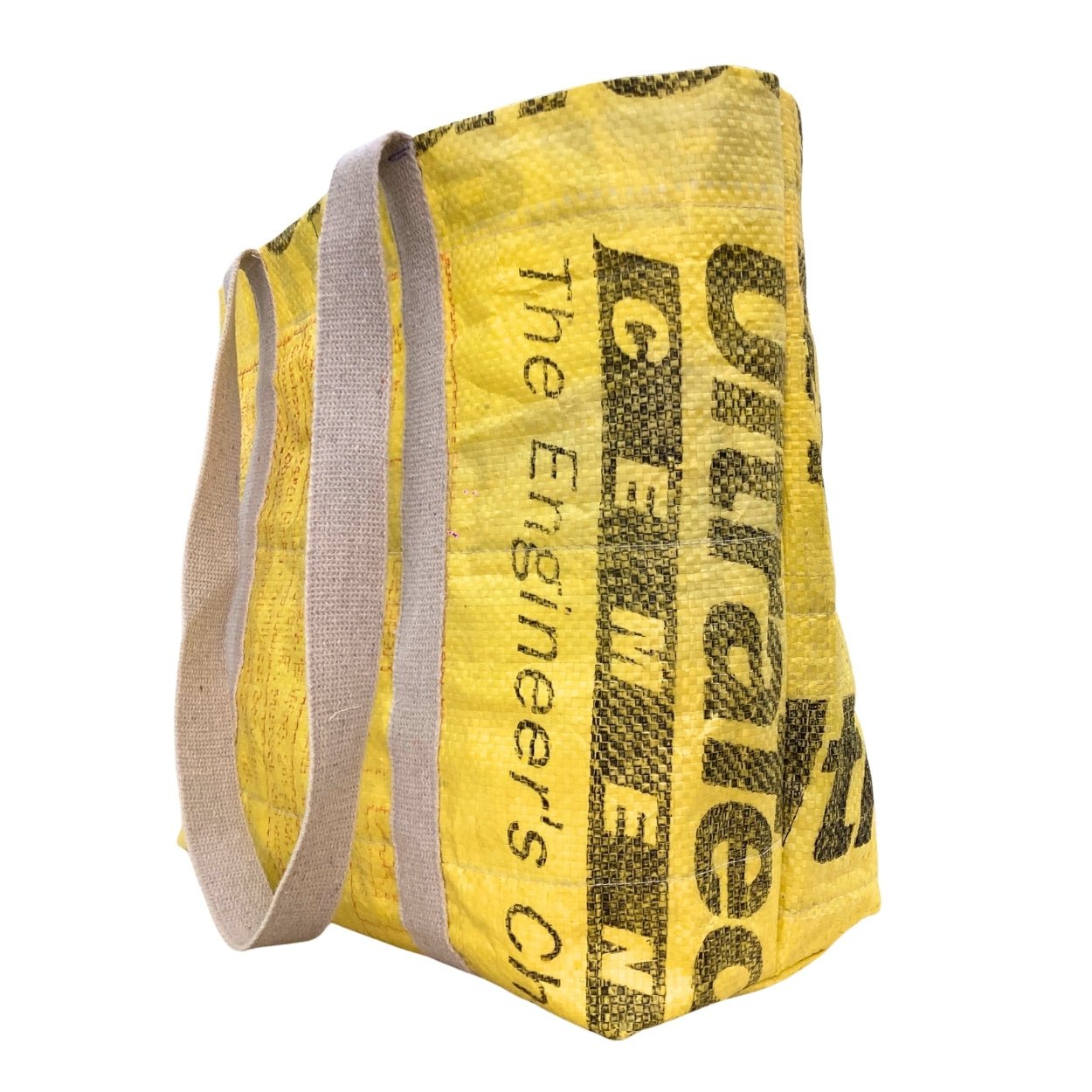
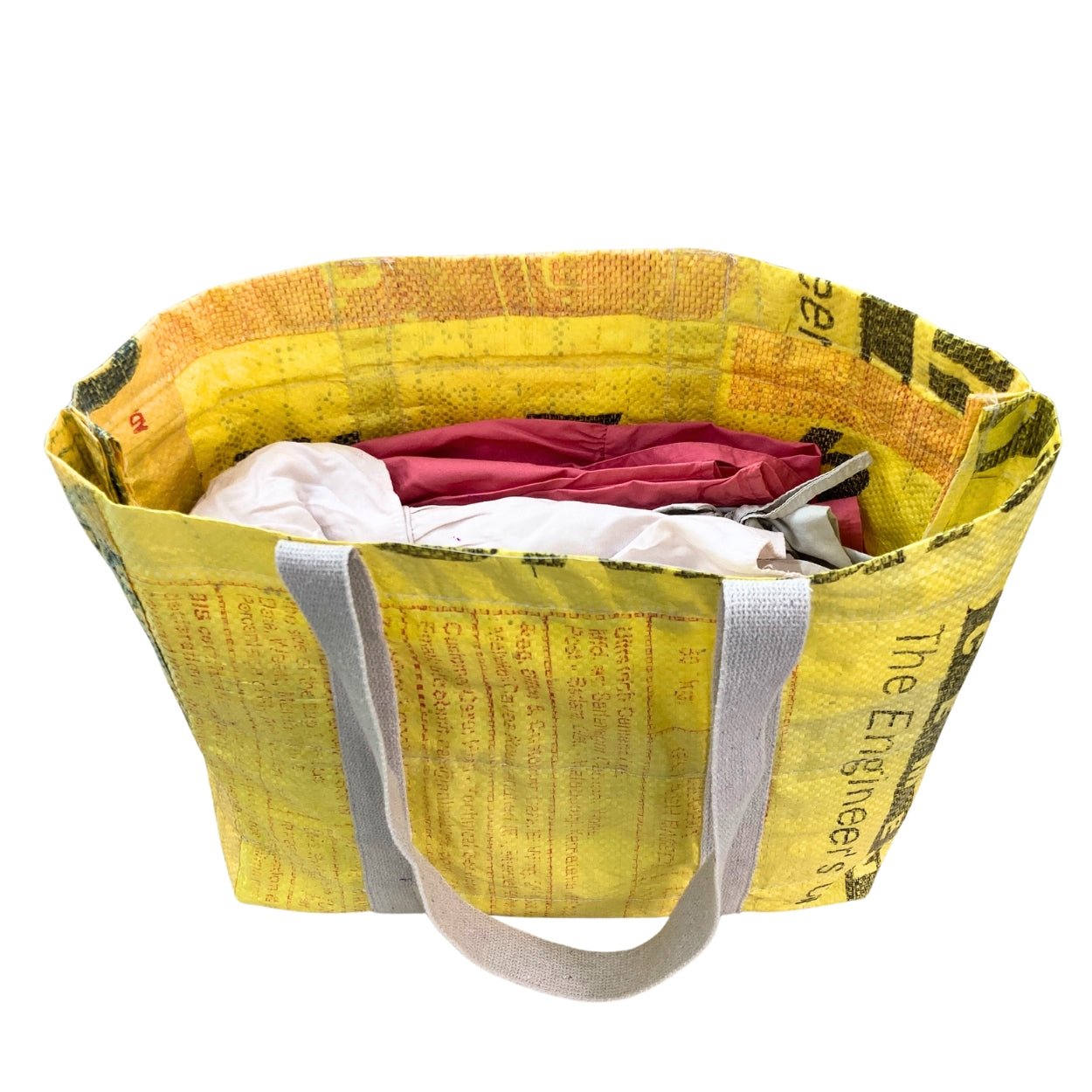
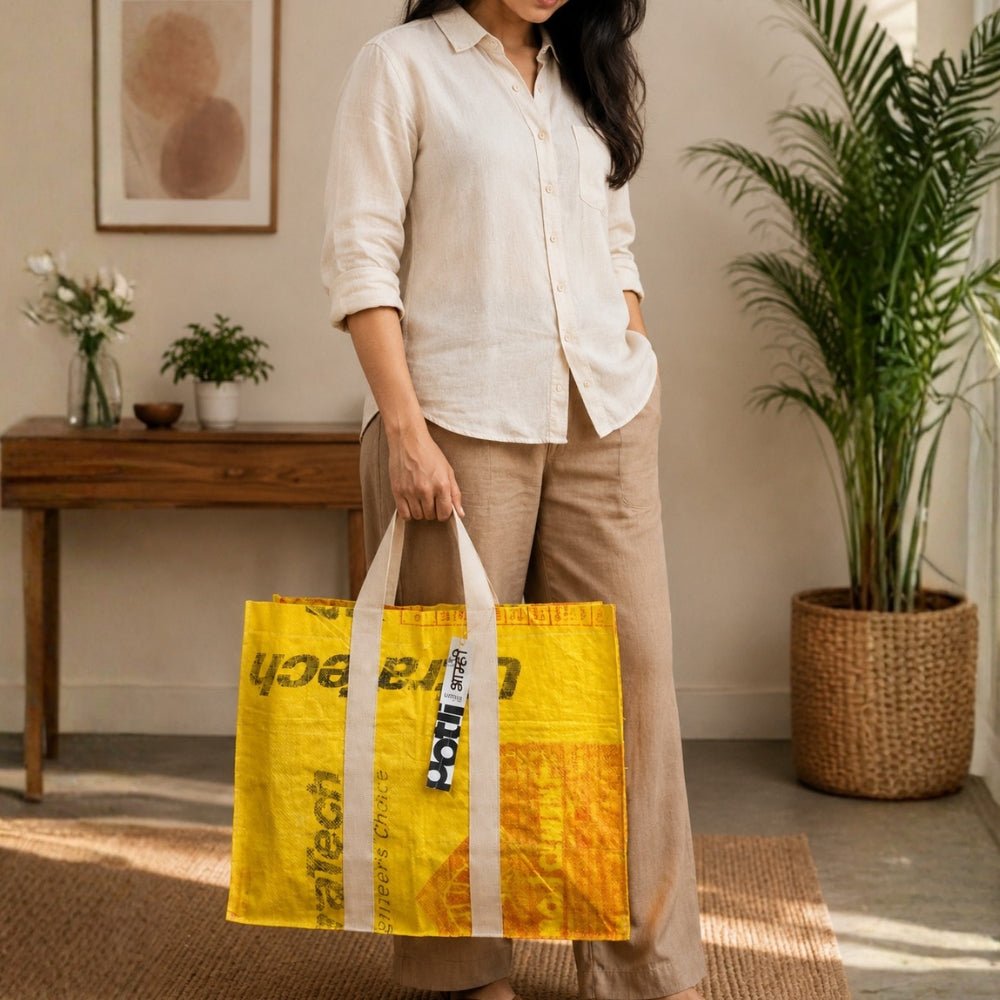
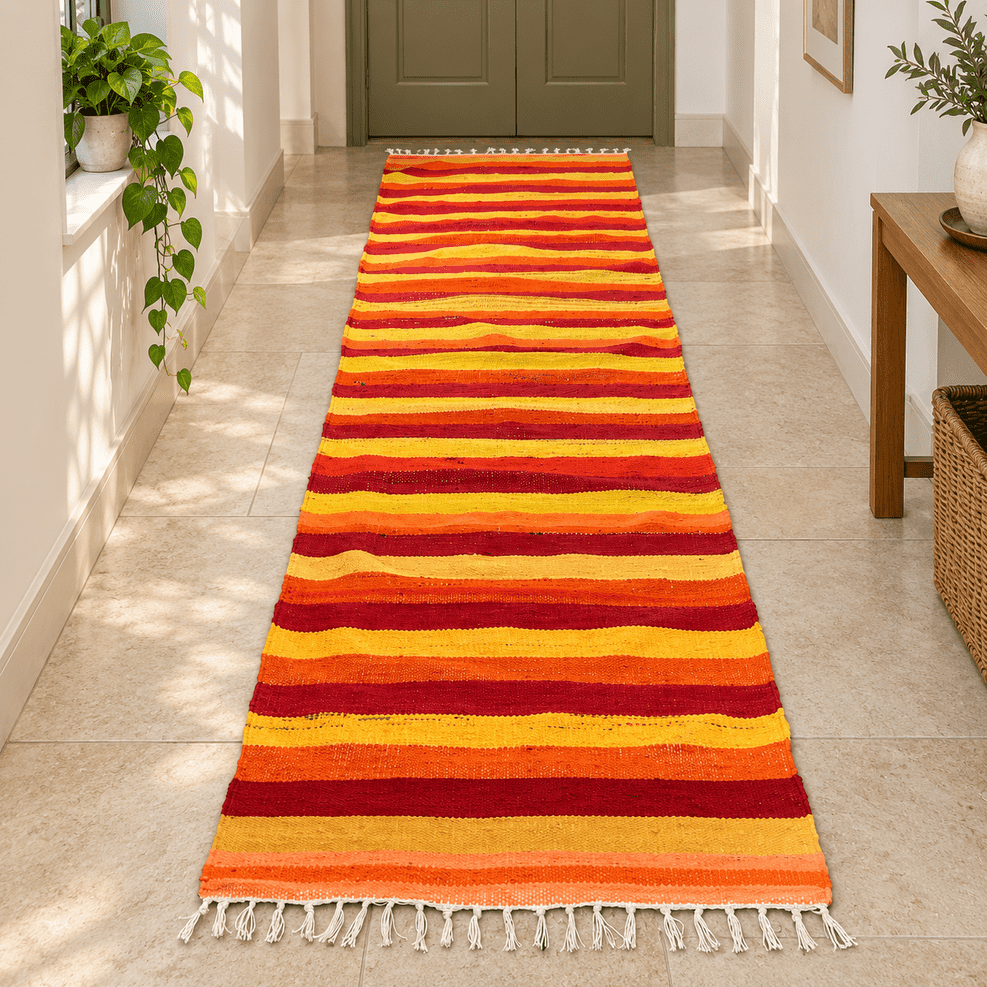
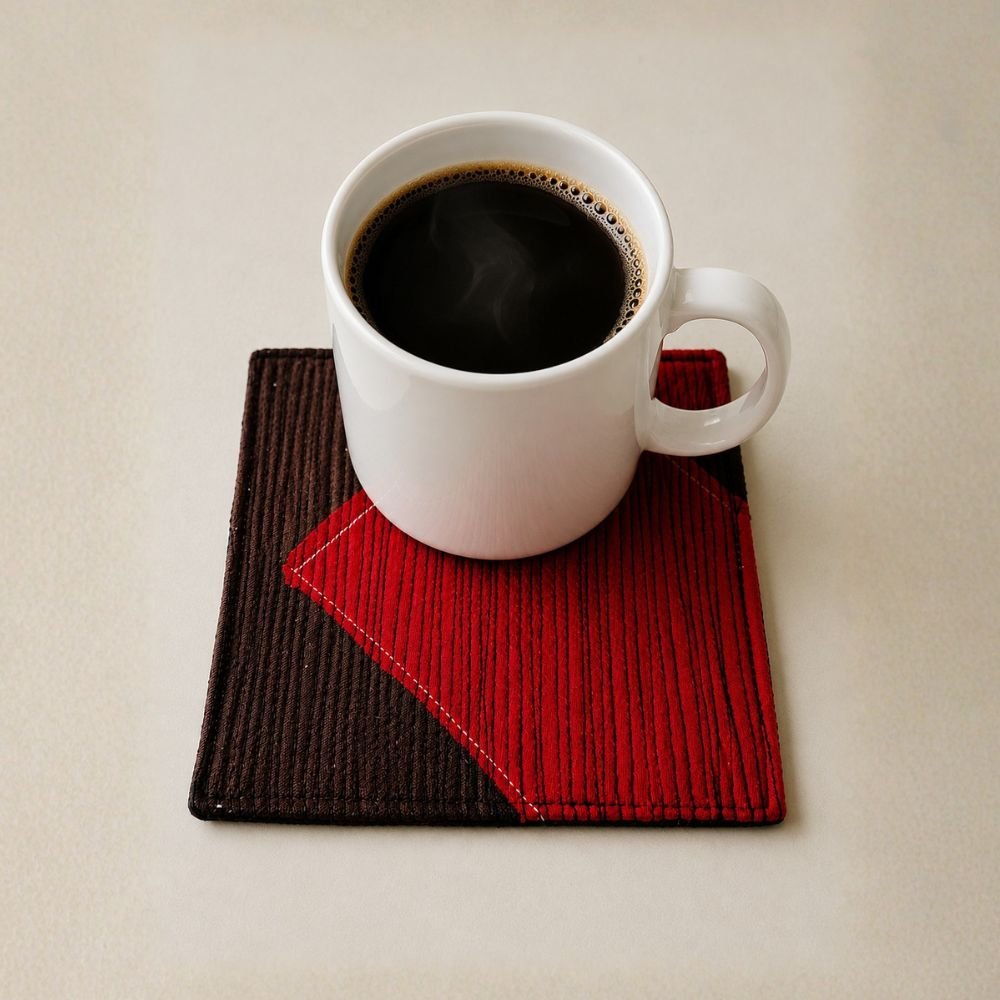
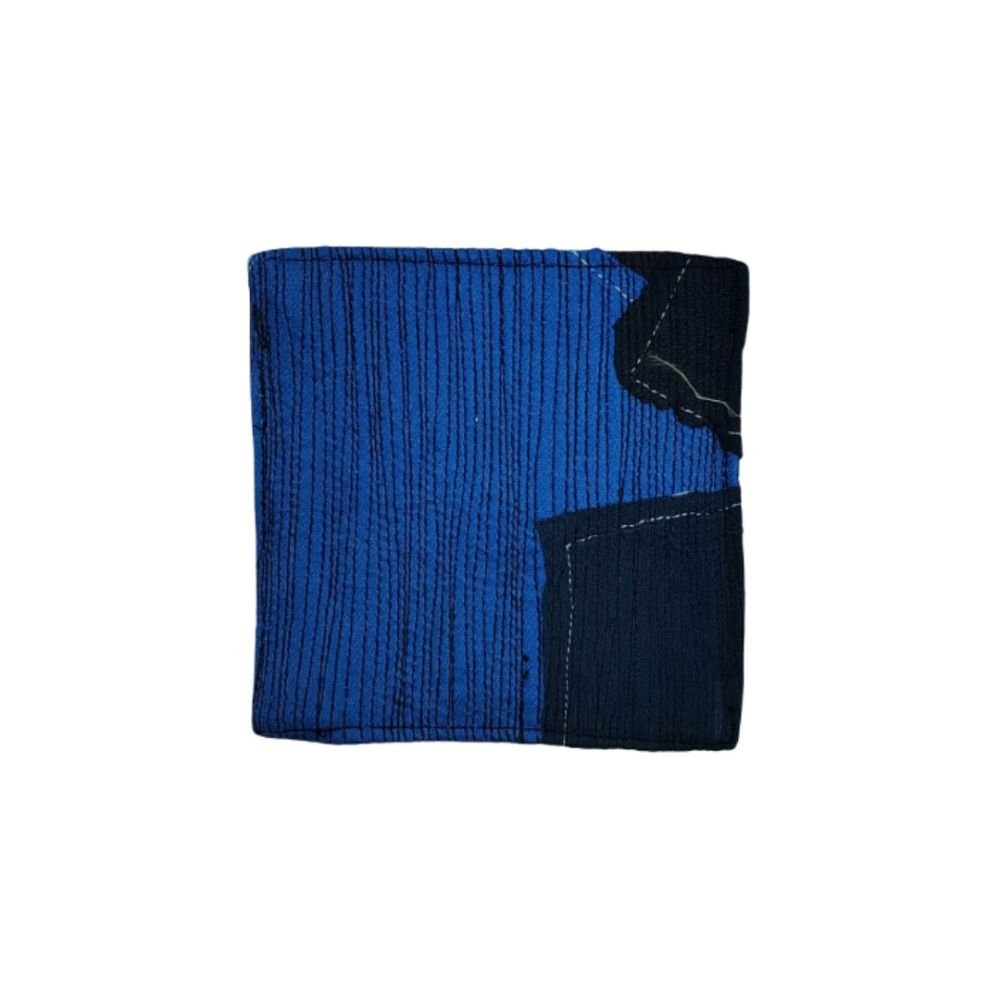
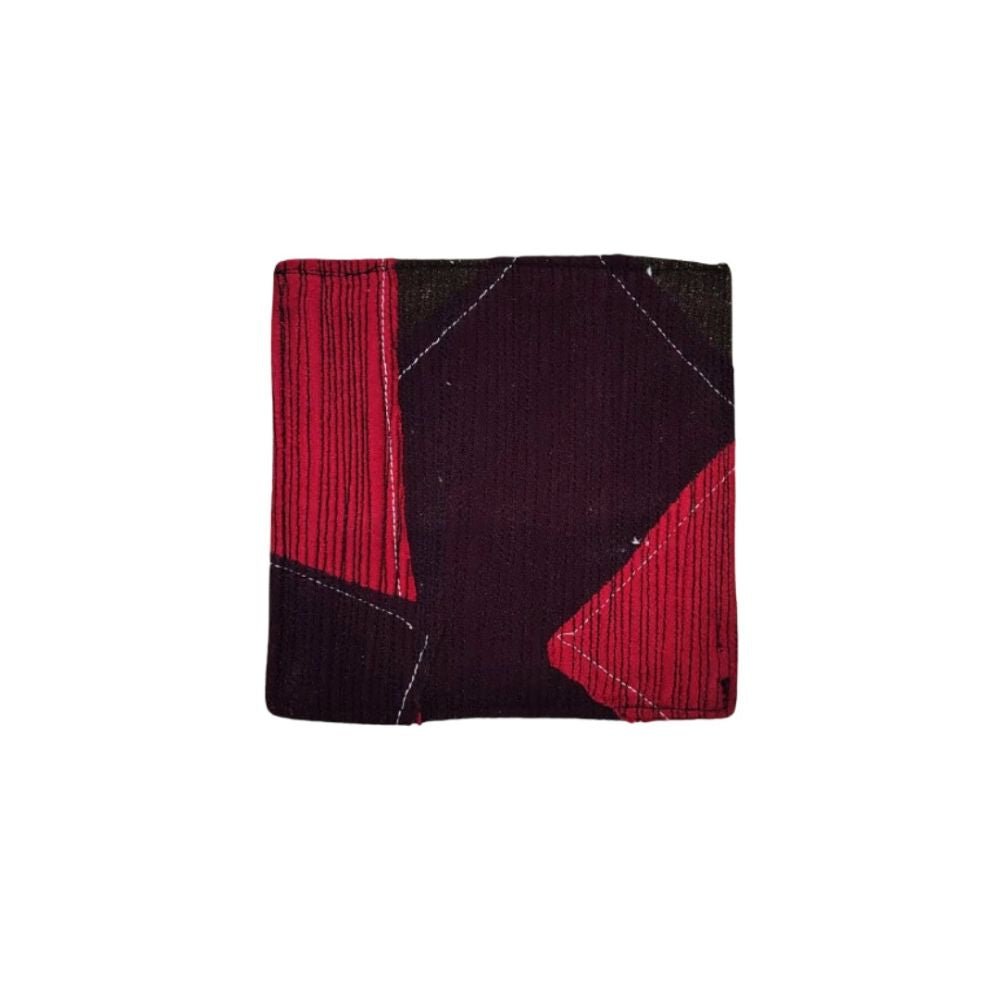
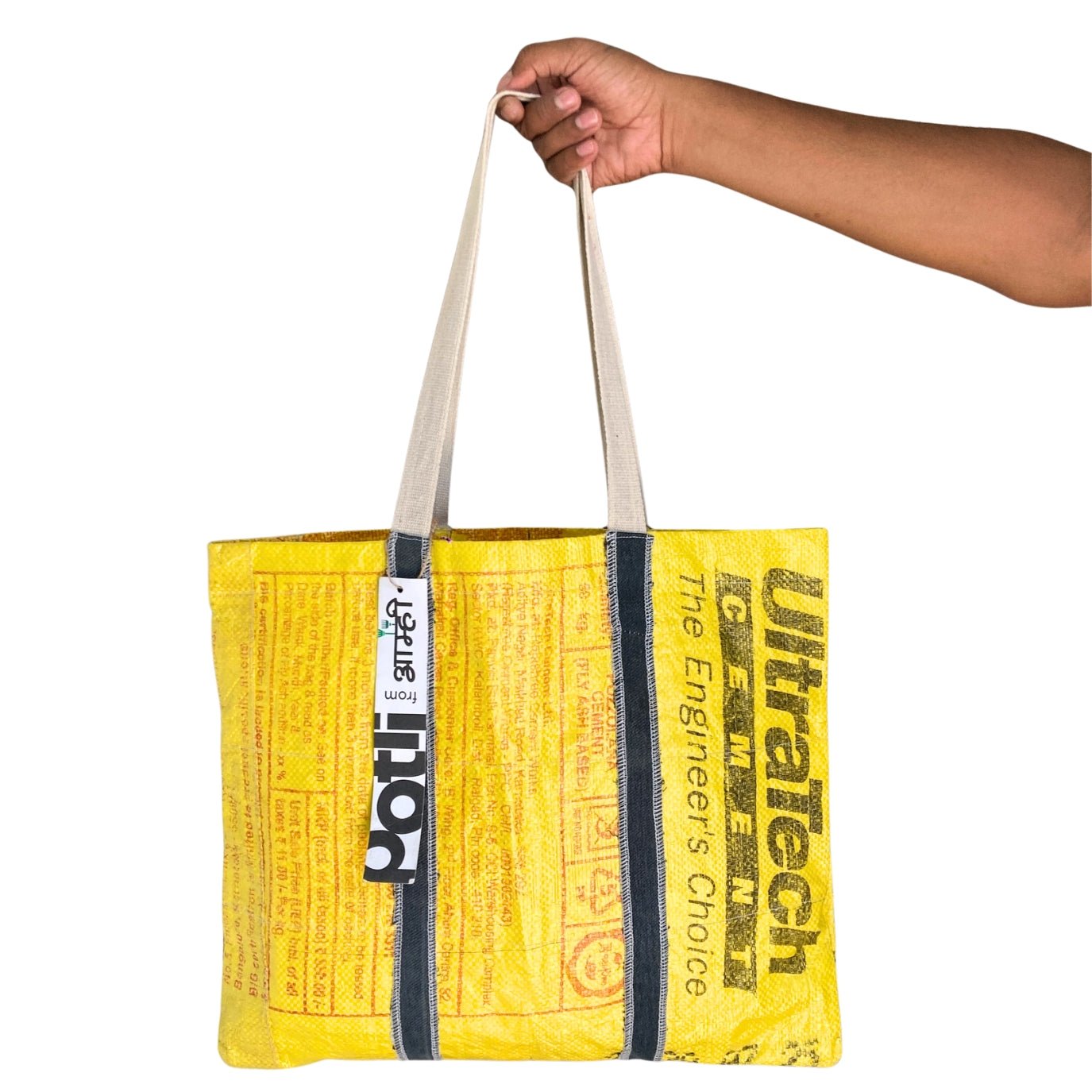
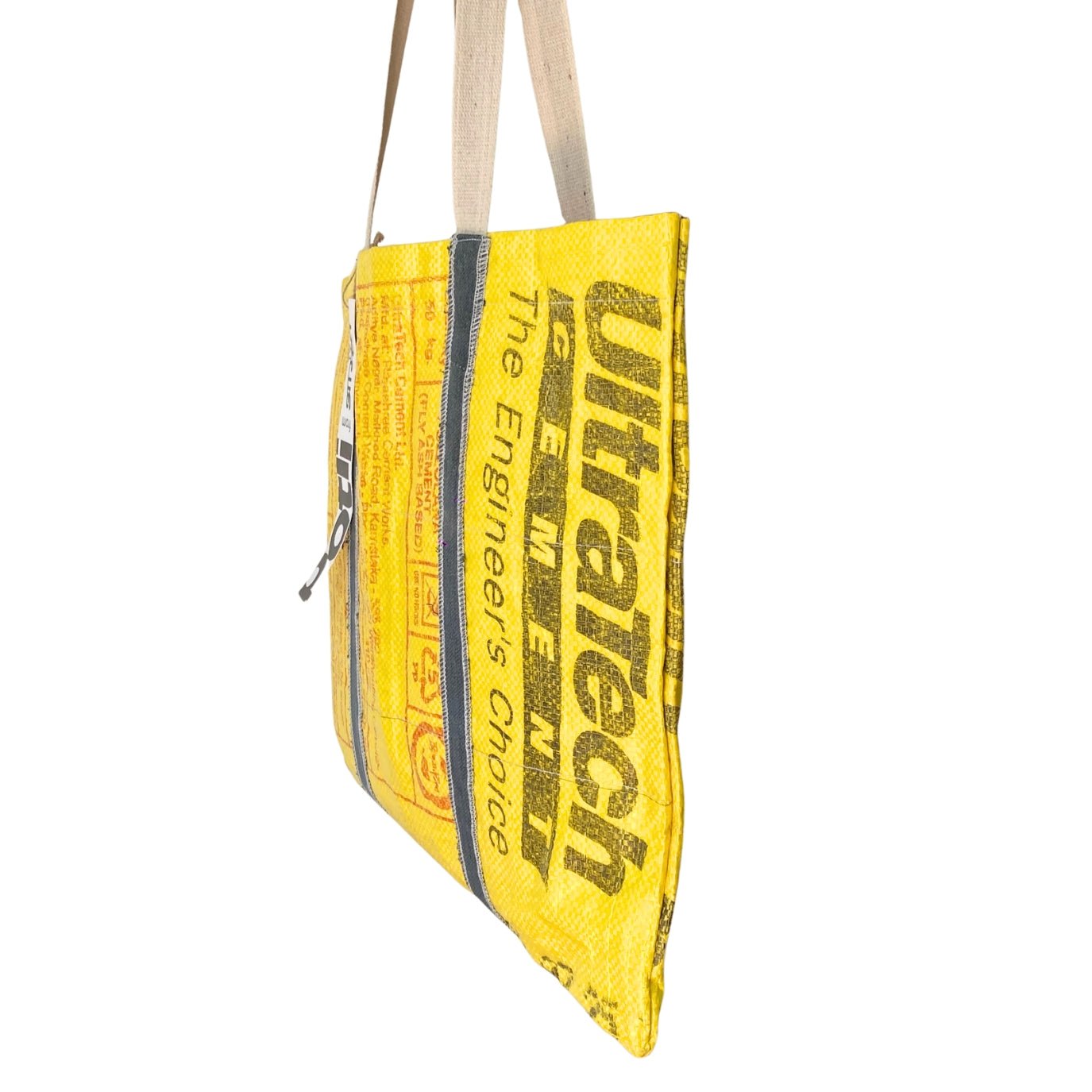
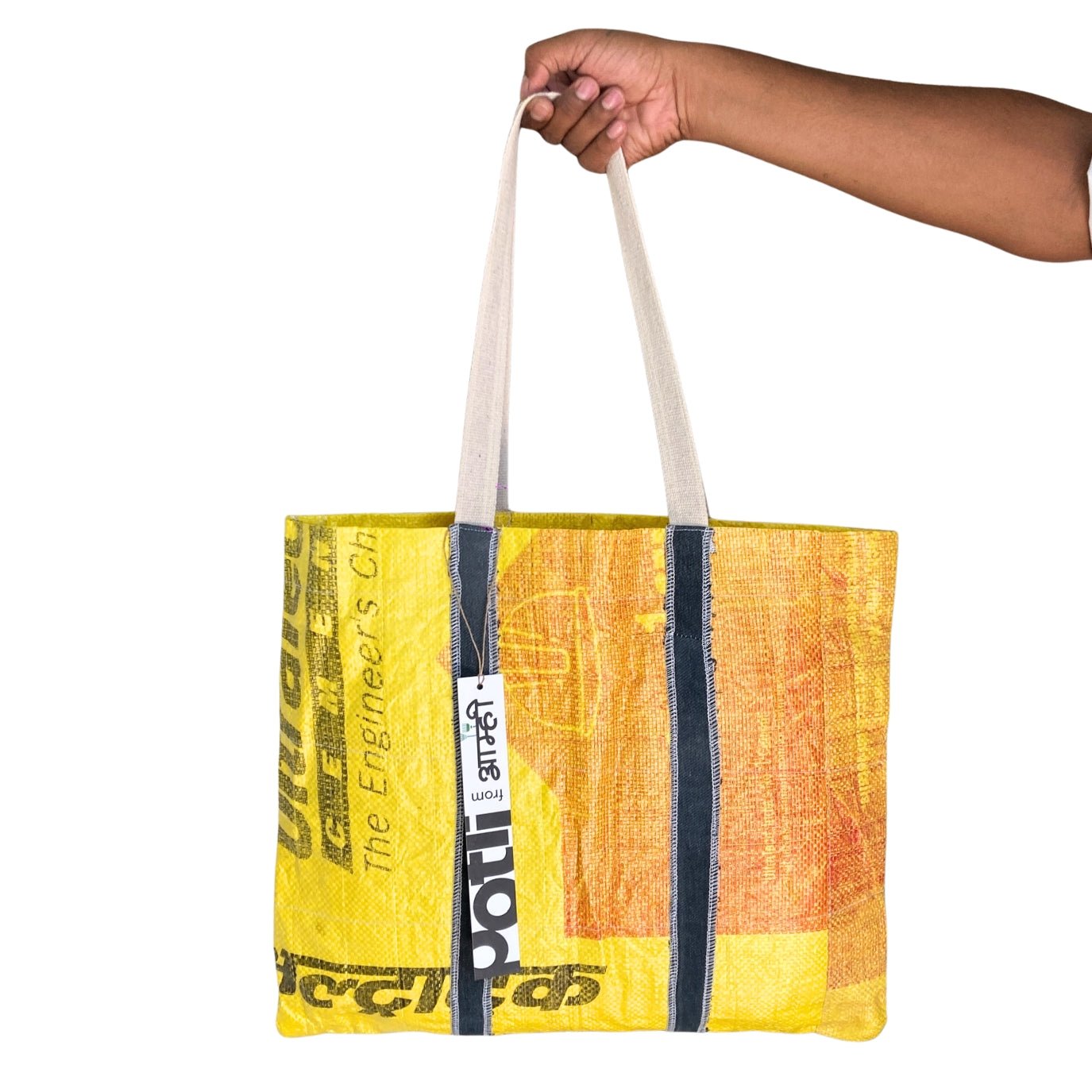
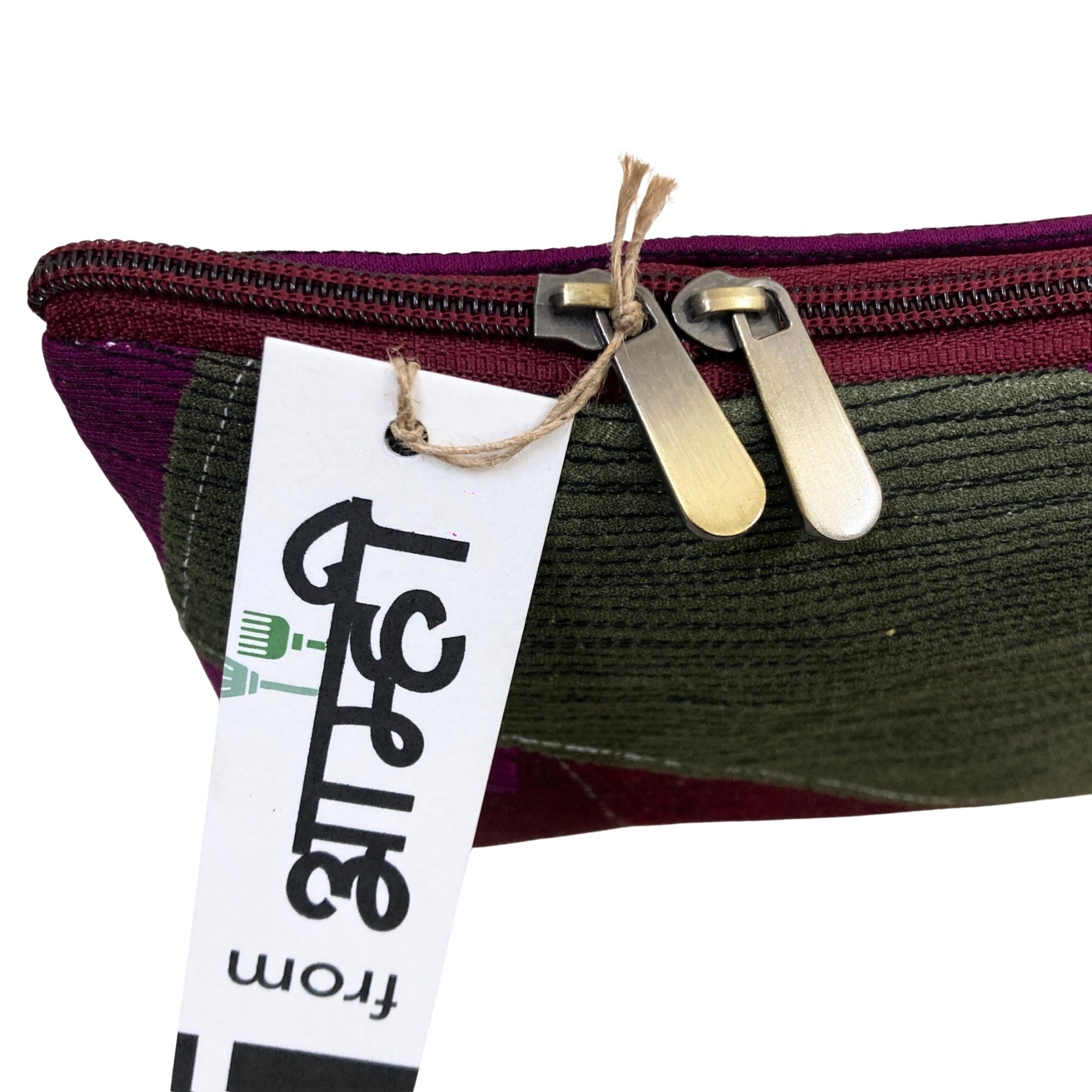
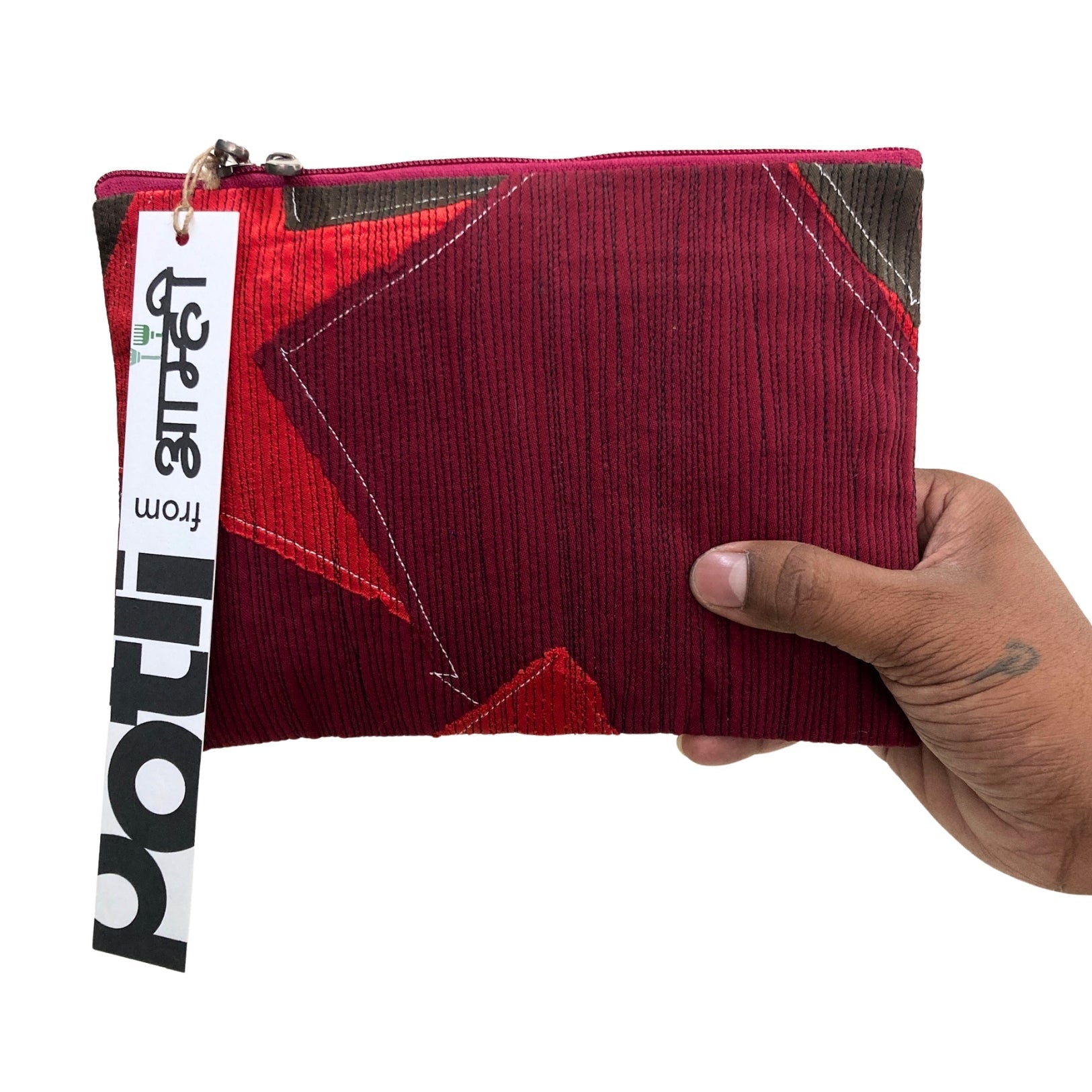
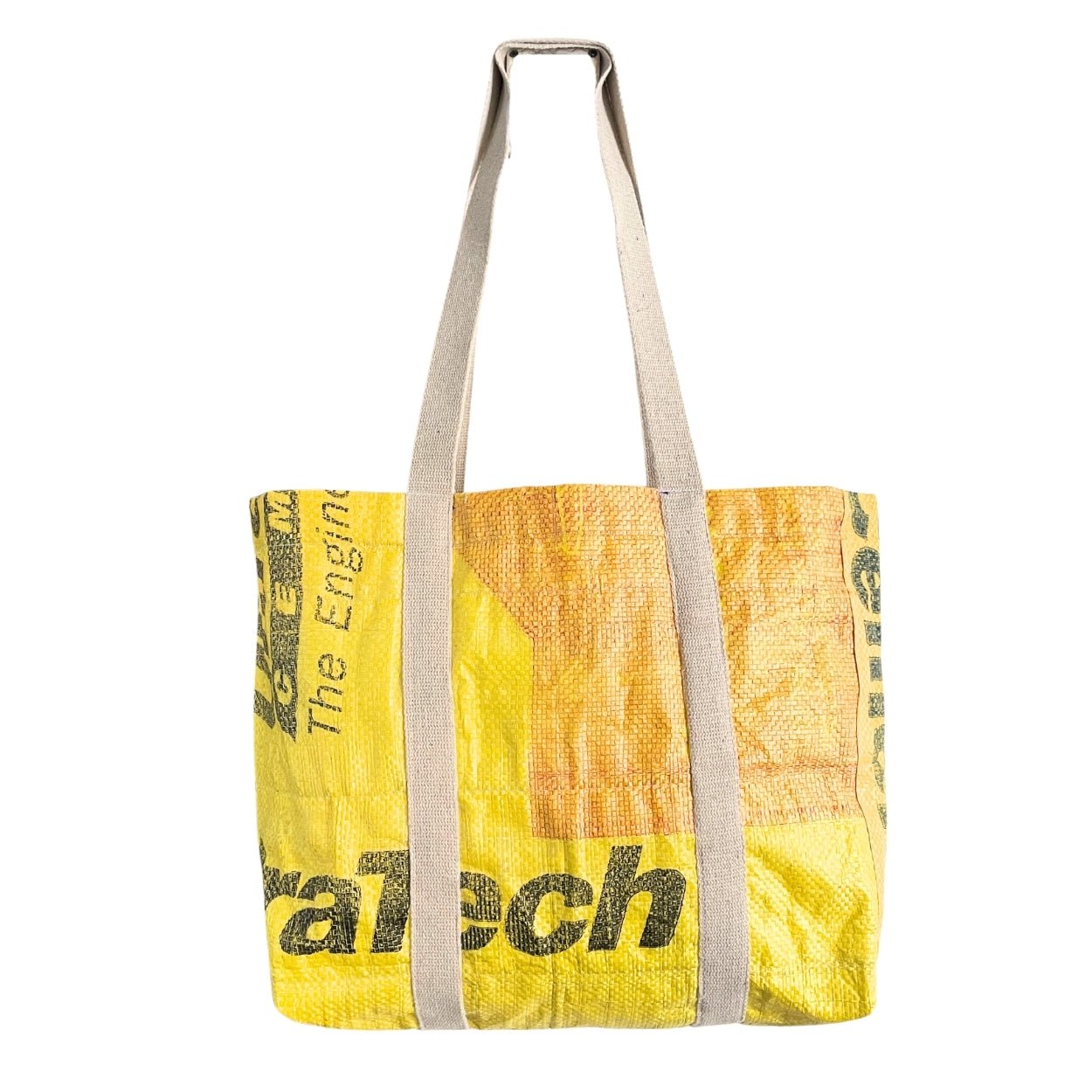
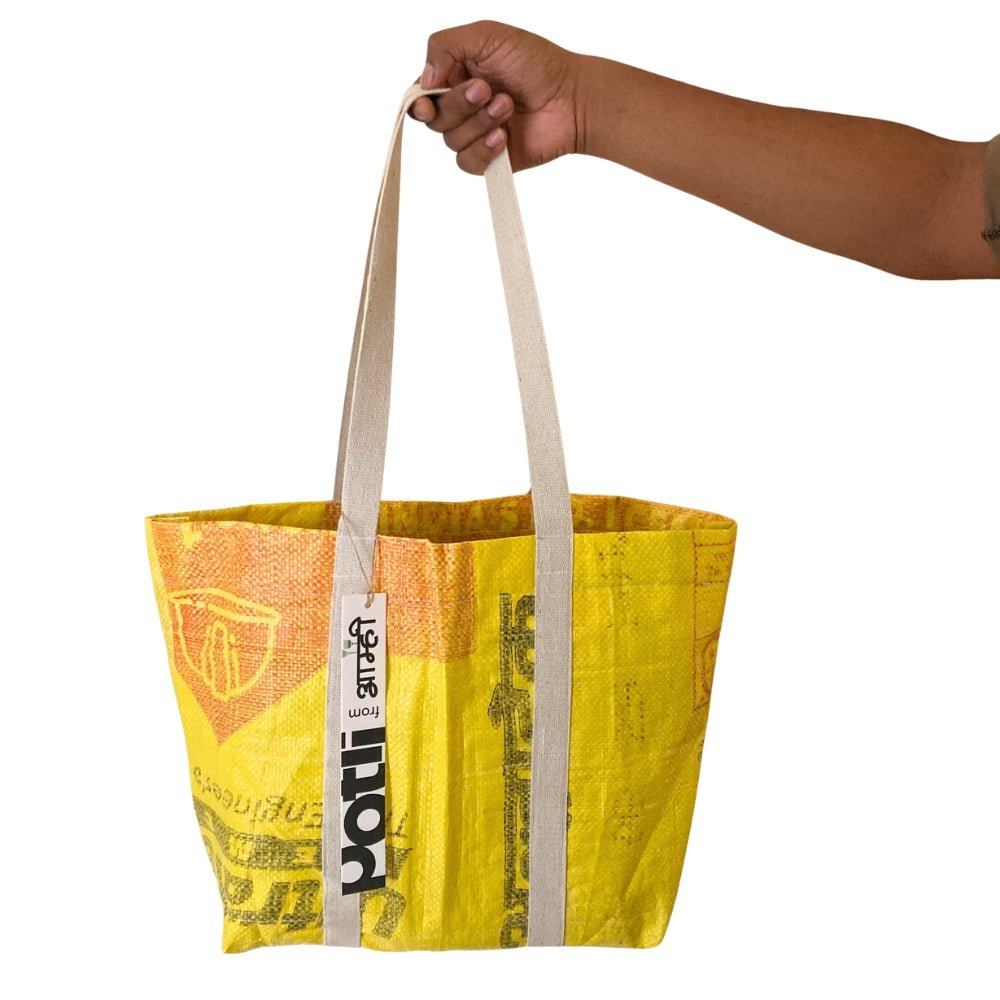
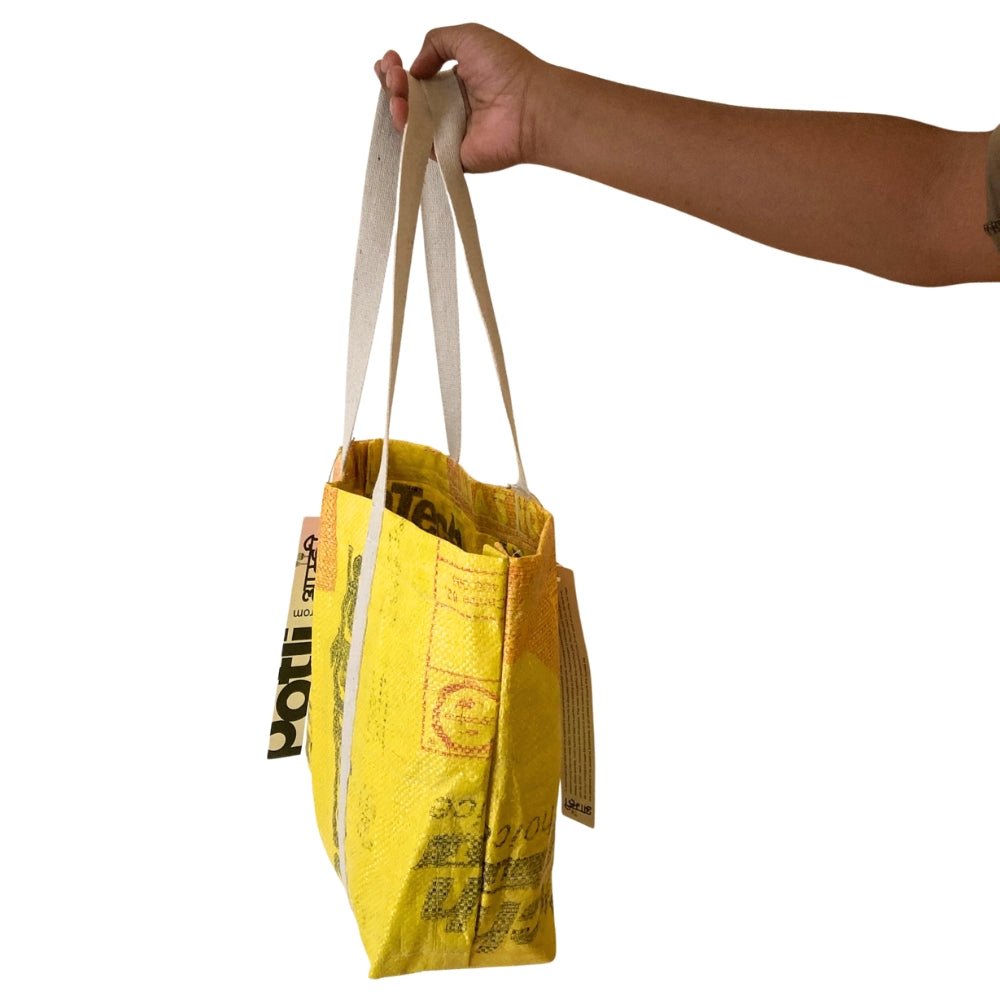
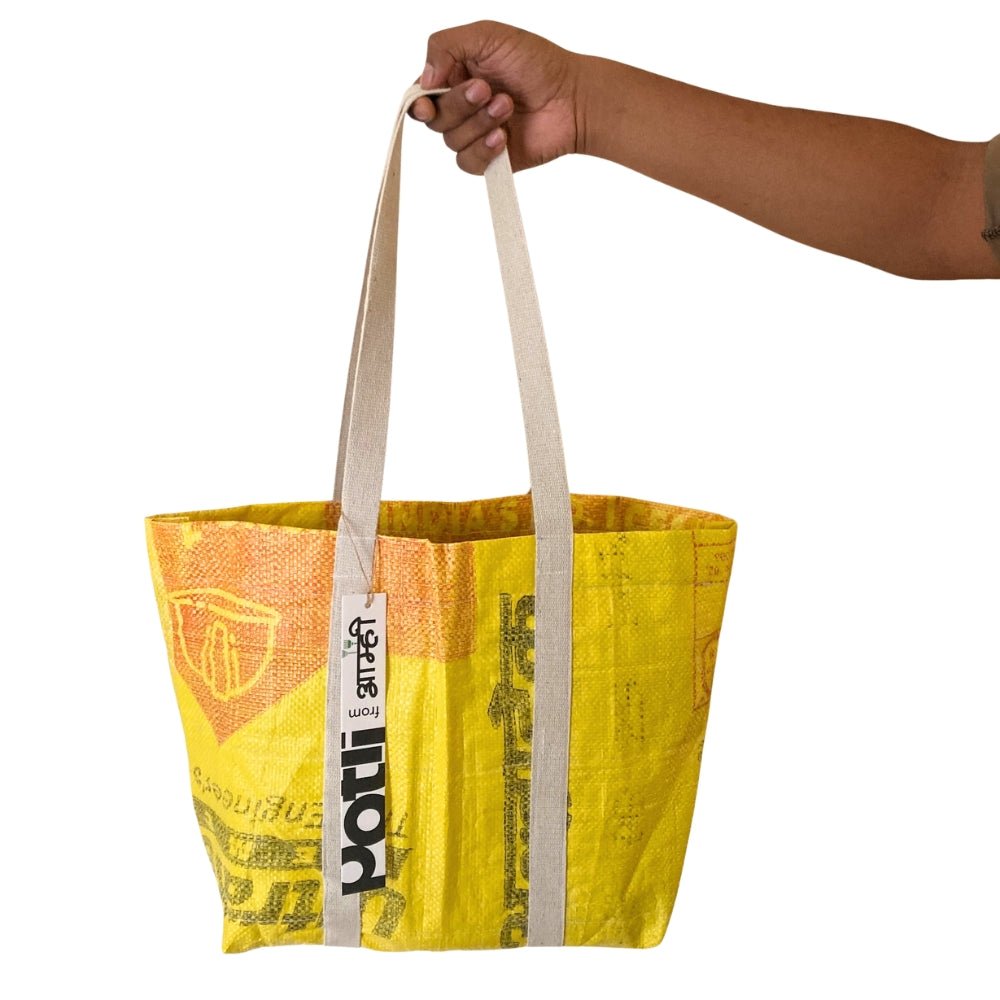
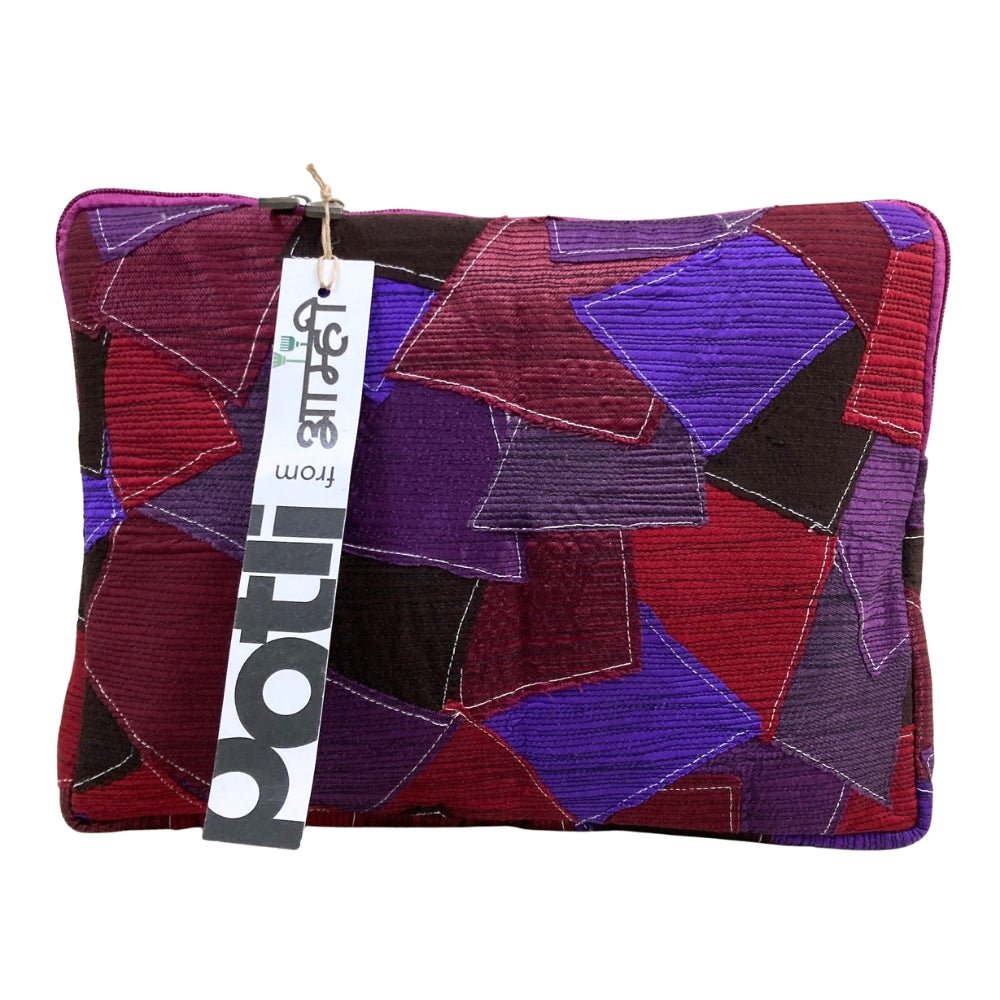
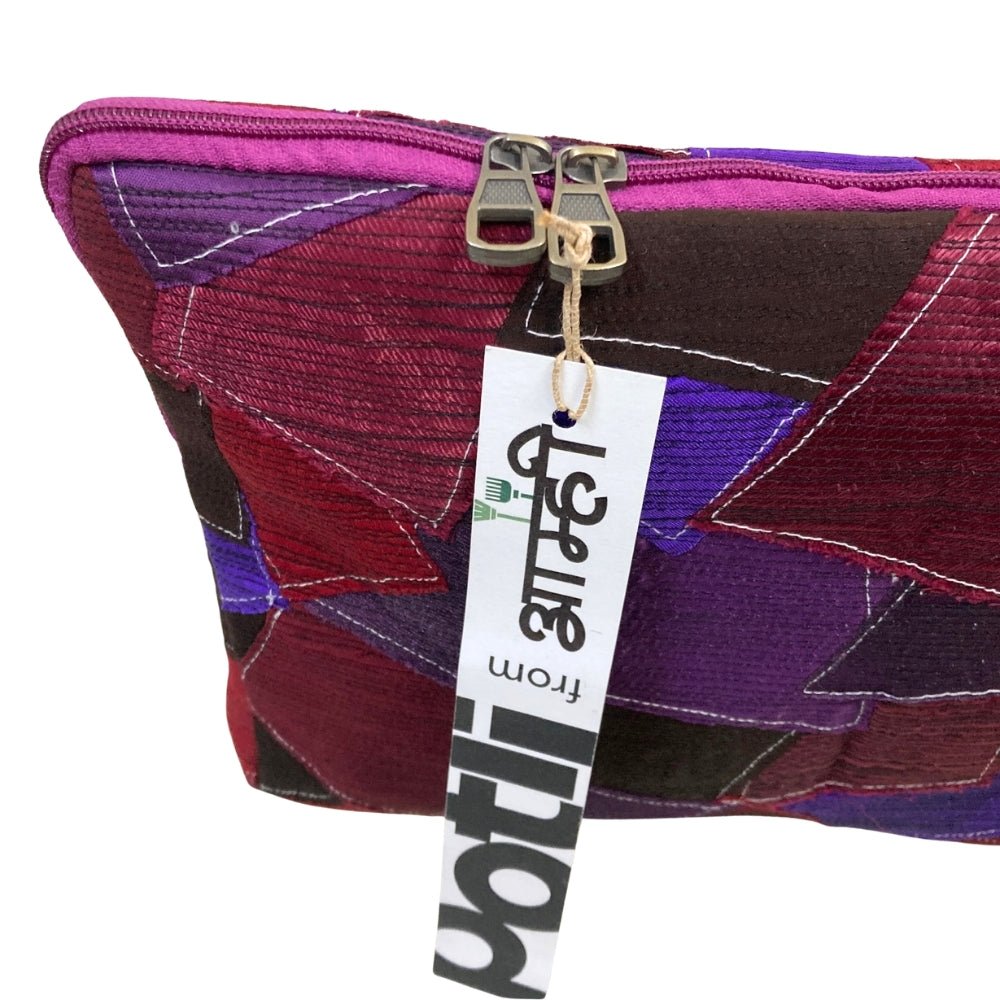
At Project Aamhi, we transform used cement sacks and textile waste into durable, reusable bags designed for daily use. Handcrafted by rural women artisans, each bag supports dignified livelihoods while giving new purpose to materials that would otherwise end up in landfills. Every upcycled tote helps reduce carbon emissions, conserve water, and replace single-use plastic bags. Thoughtfully stitched, purposefully made, these bags prove that sustainability isn’t a concept — it’s something you can carry with you every day.
How do you source your raw materials/ ingredients?
We source our raw materials primarily through the waste collected by our safai-sathis from public spaces such as roads, beaches, playgrounds, and dumping hotspots across project villages. The collected waste is then segregated into different categories based on recycling and upcycling needs. Reusable materials like clothes are recovered for redistribution or upcycling, while plastics, glass, footwear, and other recyclables are sent to local processors and authorised recycling partners through structured programs such as EPR.
During its life and beyond, can your products be repurposed or composted at home?
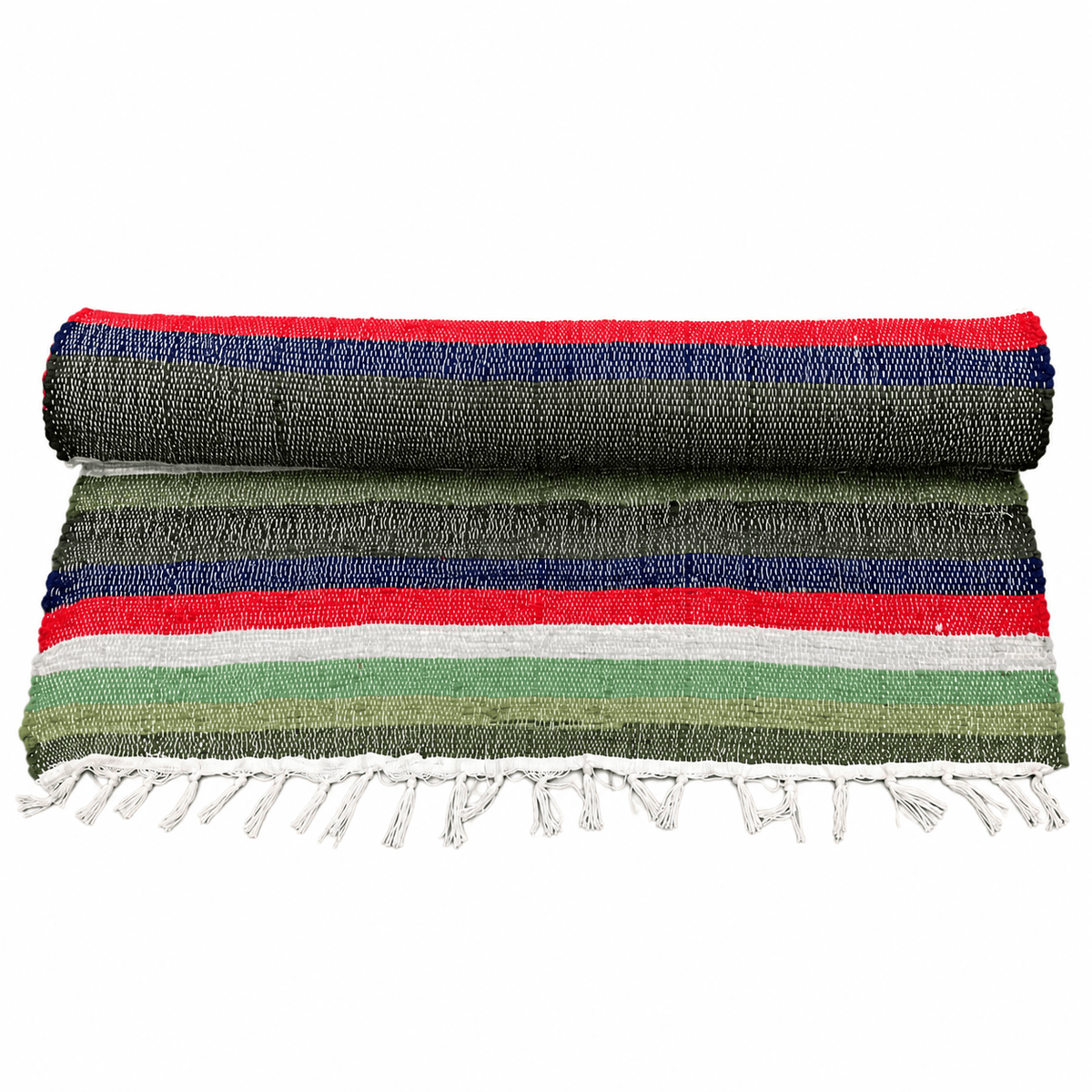
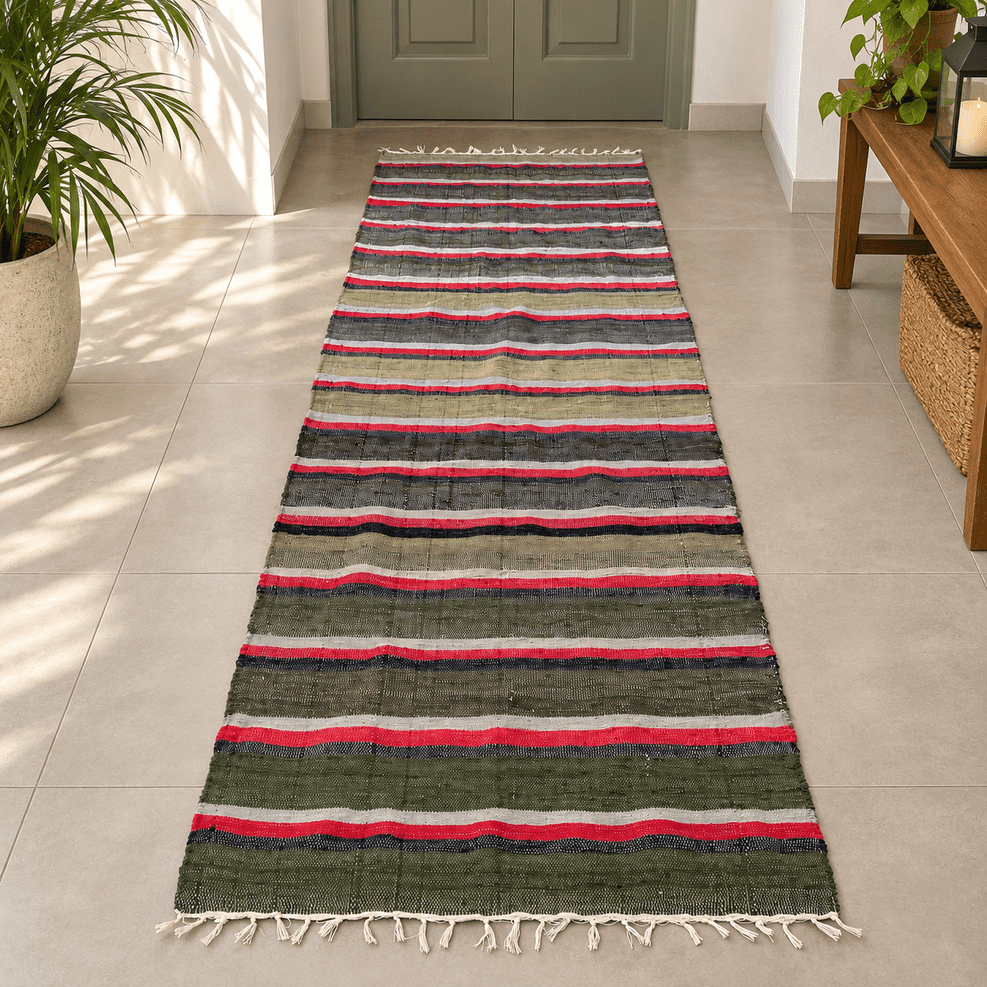
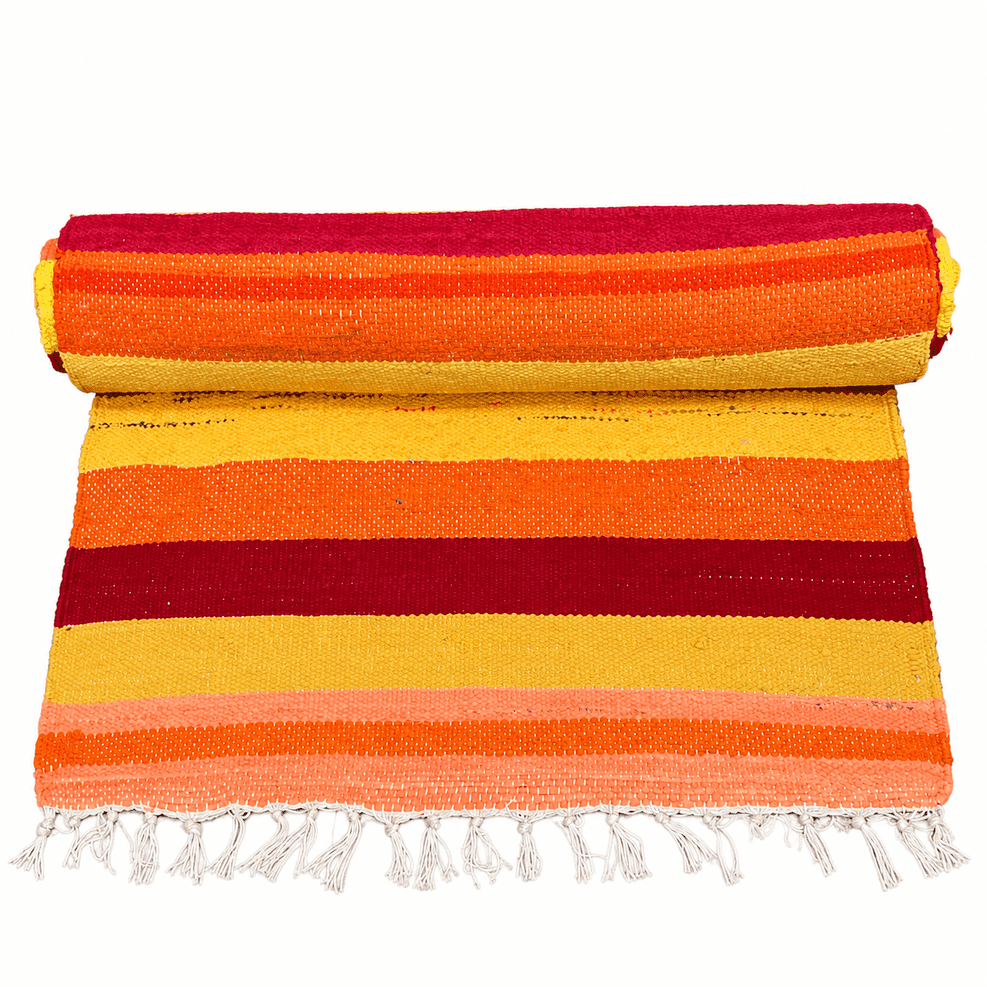
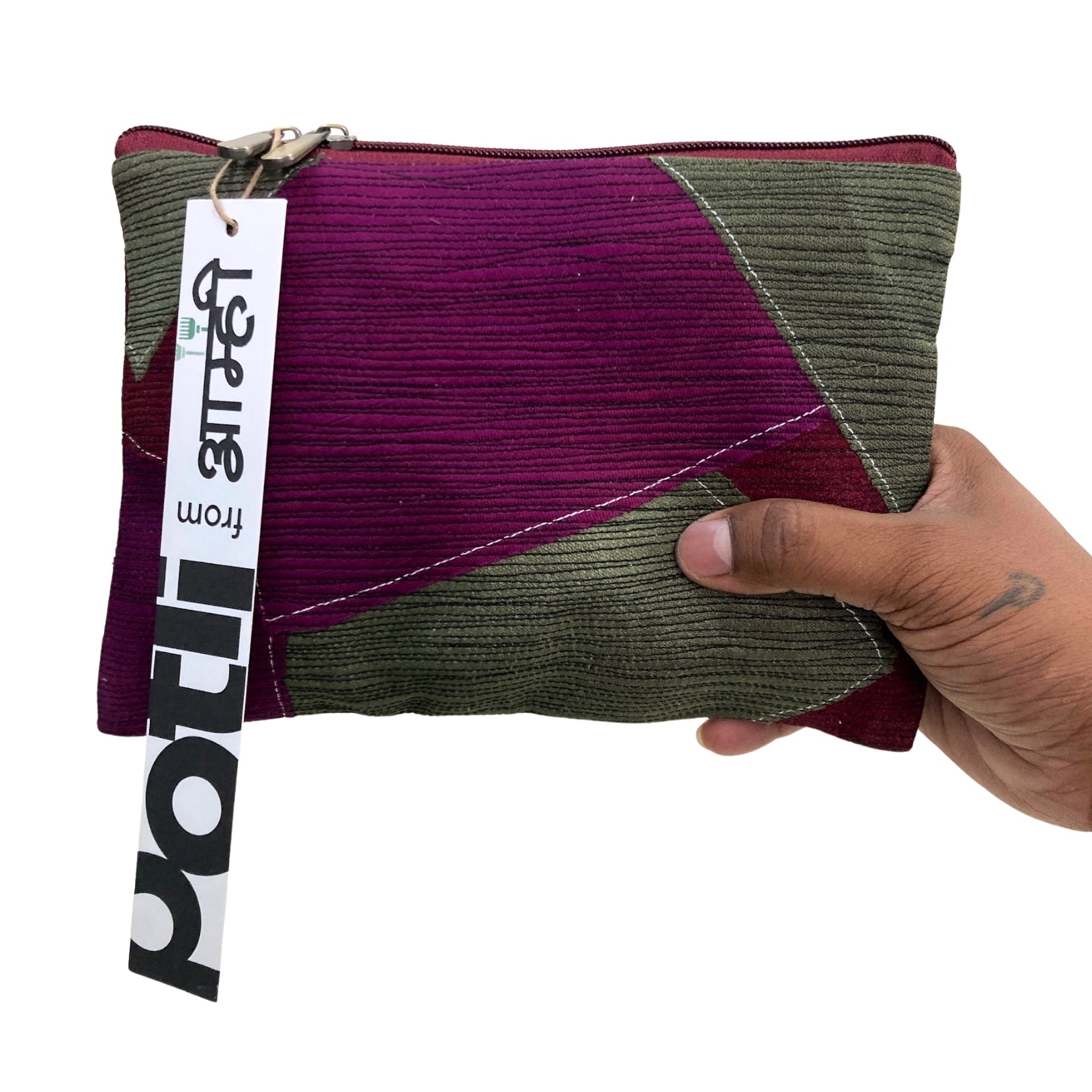
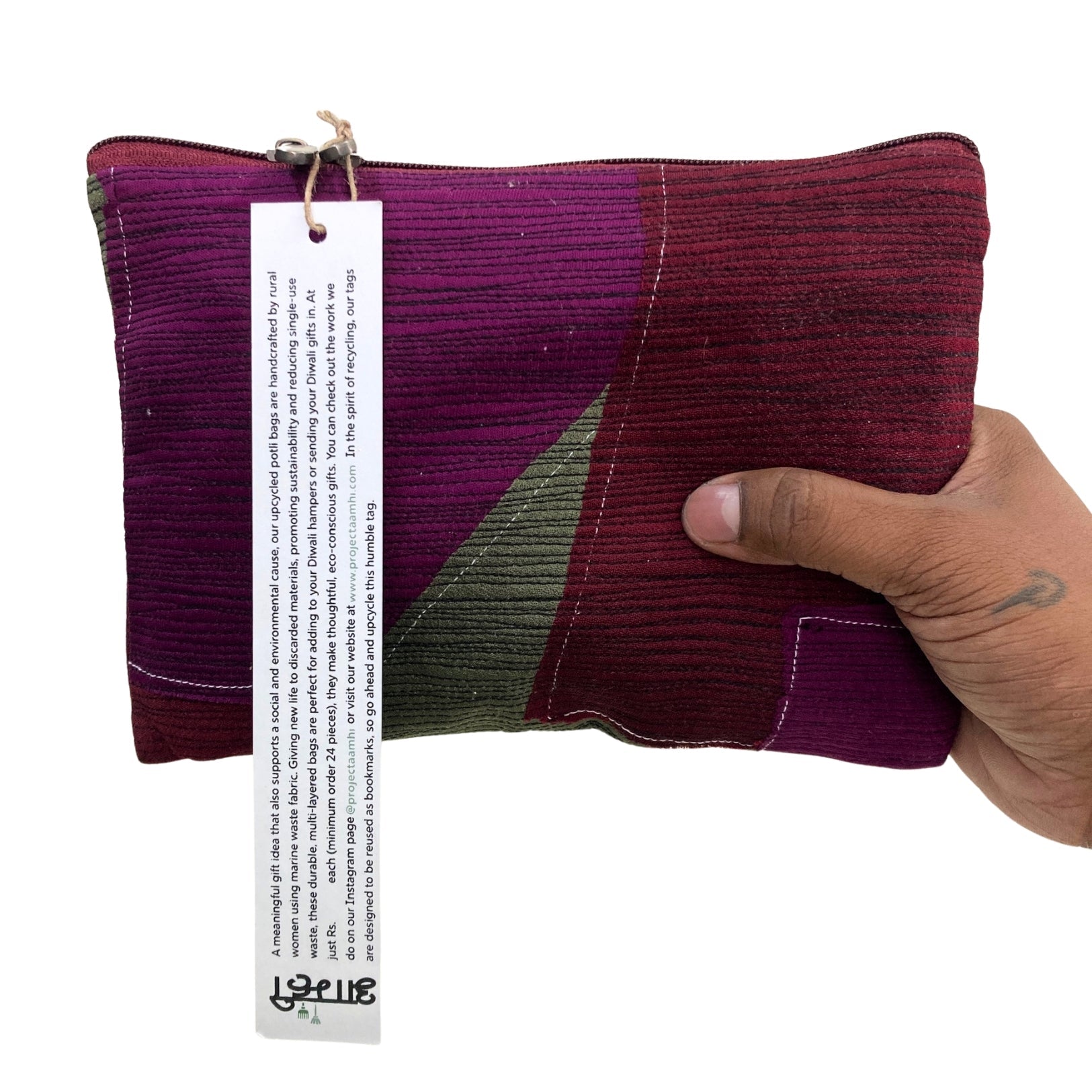
Yes — many of our products are designed with reuse and responsible end-of-life in mind. Repurposing: Upcycled items such as market bags made from recovered fabric can be reused multiple times and even repurposed further (e.g., storage pouches or cleaning cloths) once worn out. Clothing that is still usable is redistributed to extend its life cycle. Recycling: Materials like plastics, rubber, thermacol, and glass are channelled through authorised recycling partners so they can be processed into new products such as pellets, rubber sheets, or photo frames. Composting: Since most of our upcycled products are made from dry waste materials (fabric, plastic, rubber), they are generally not suitable for home composting. However, we actively educate communities on segregating wet waste so that organic materials can be composted separately at home or locally.