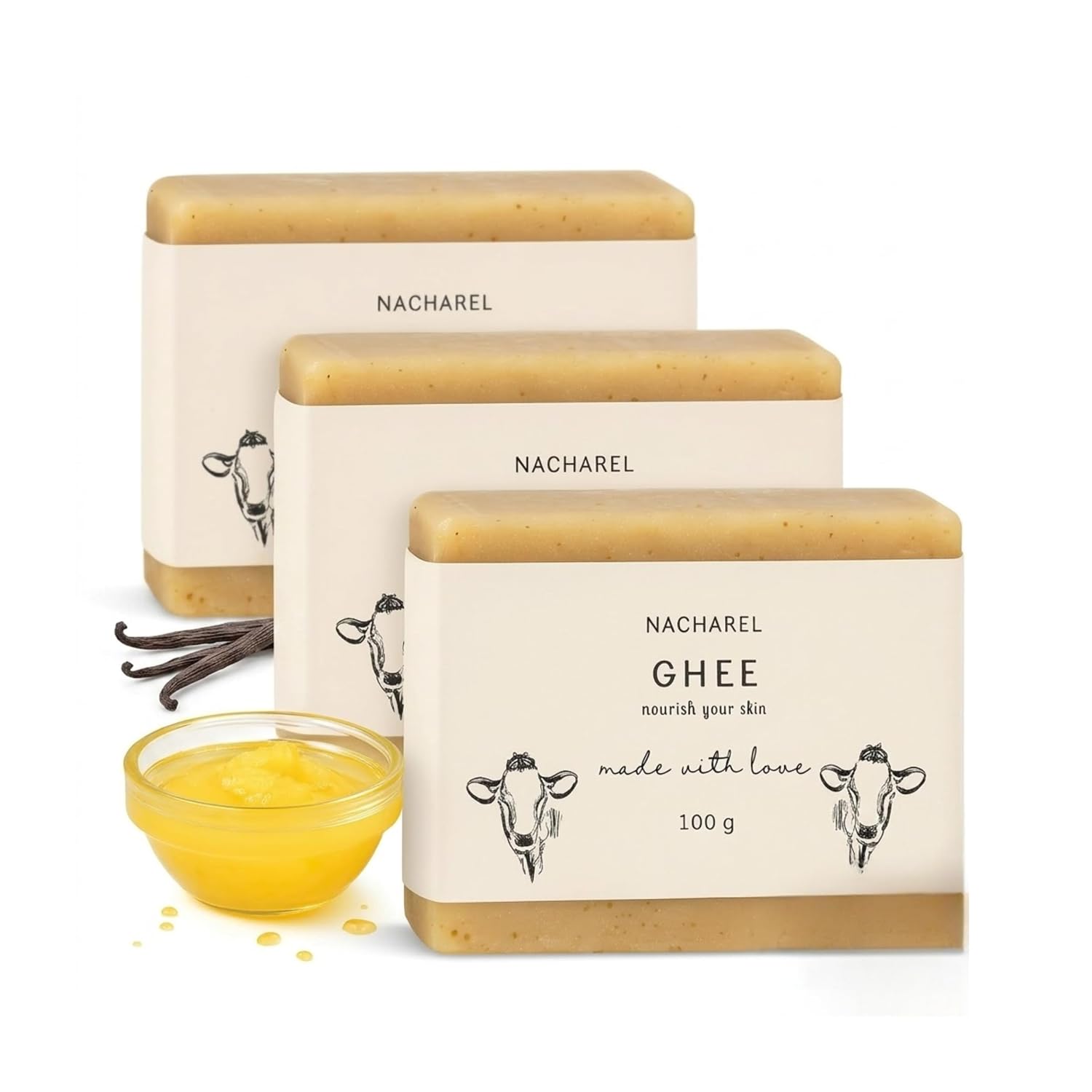
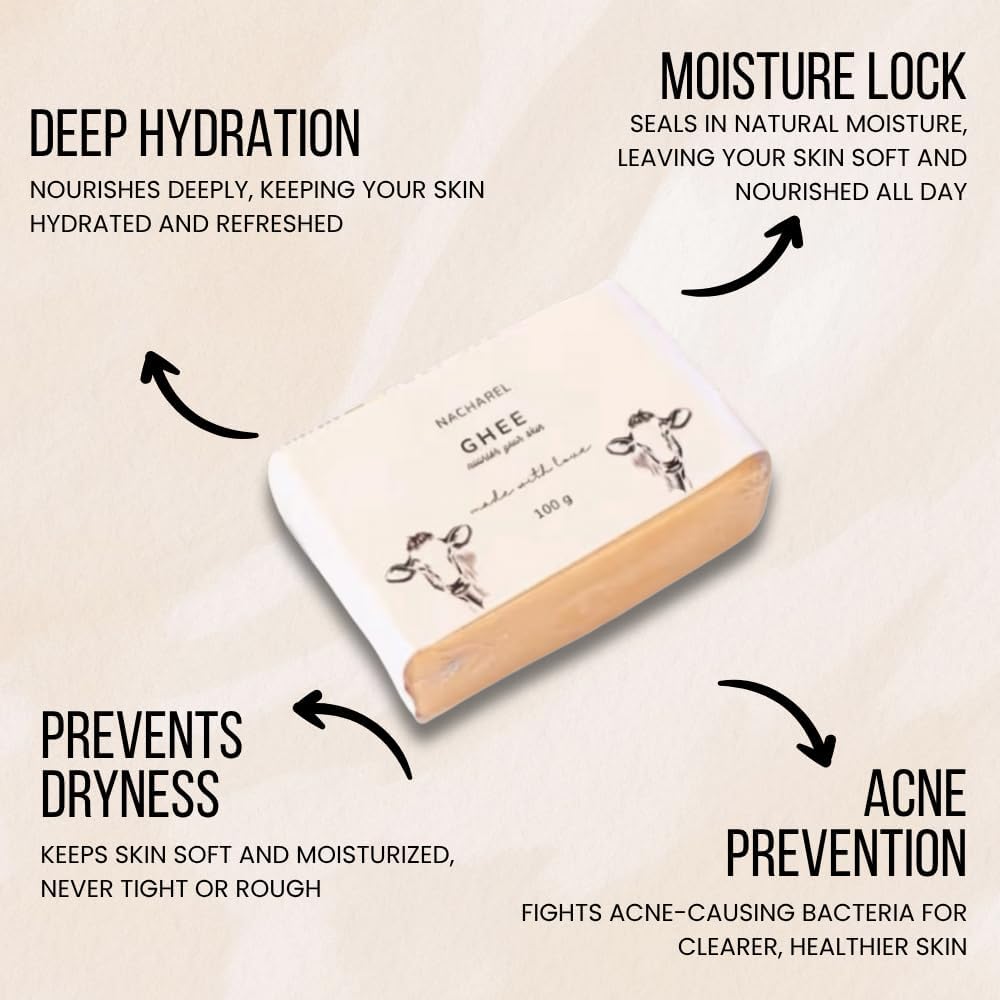
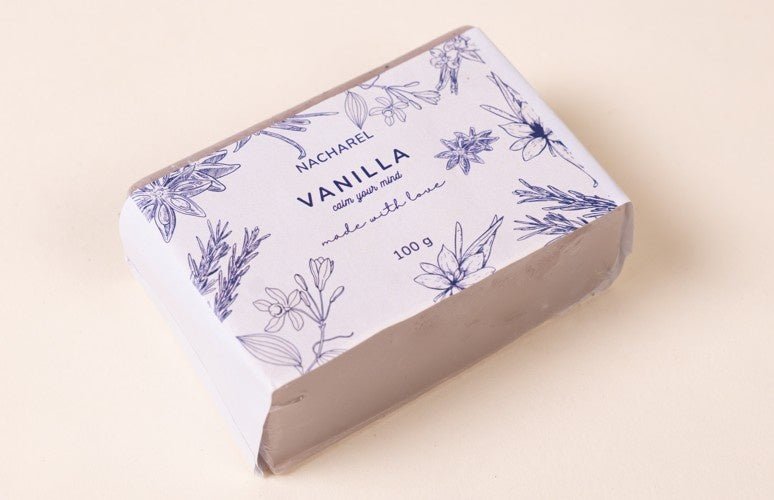
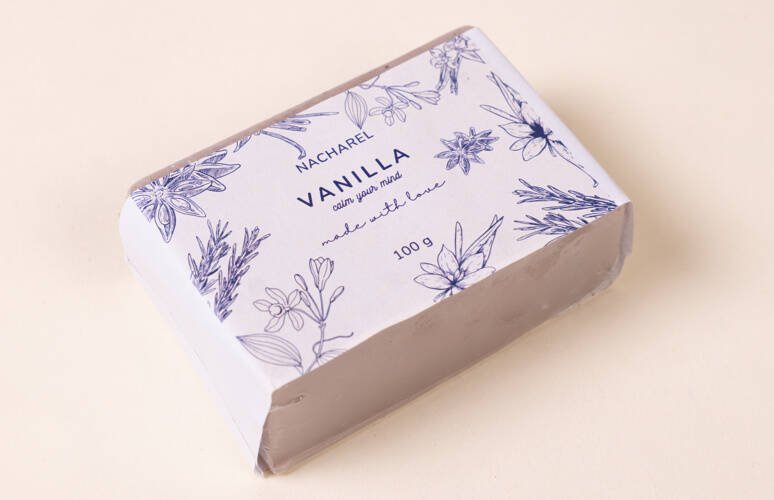
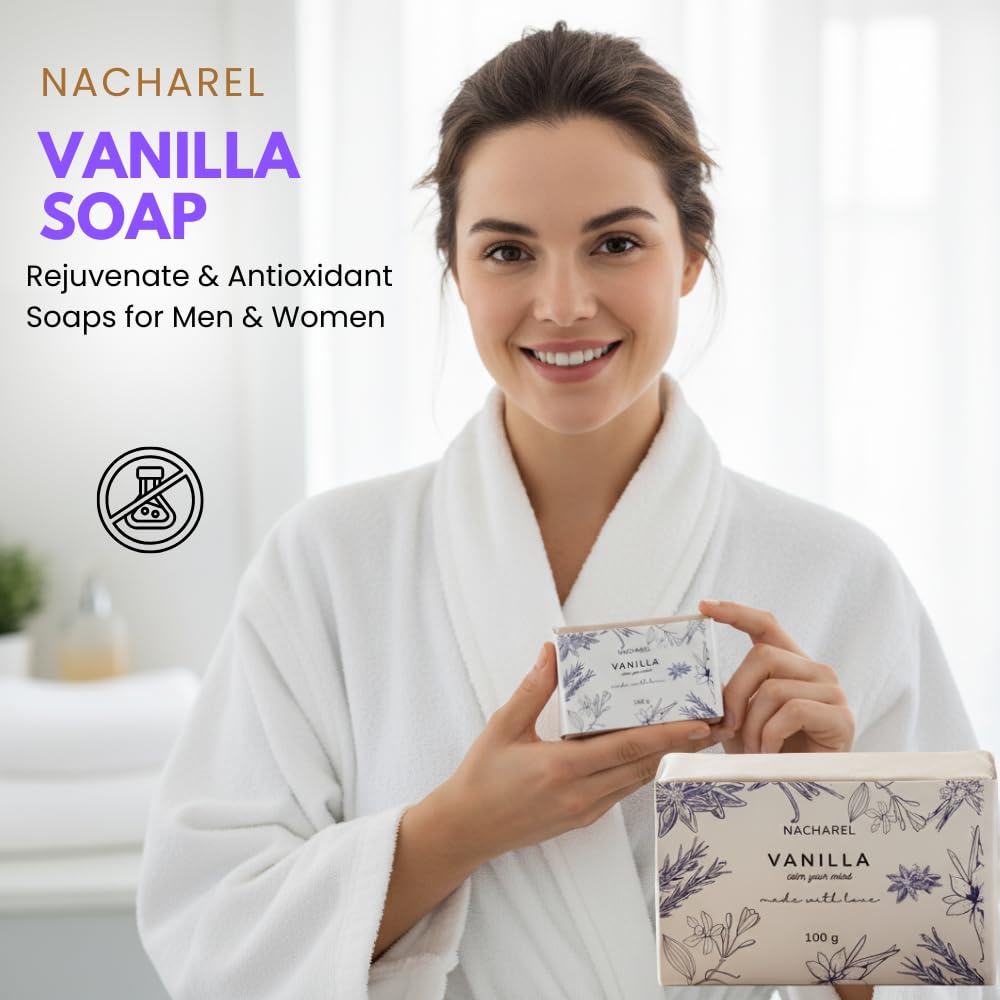
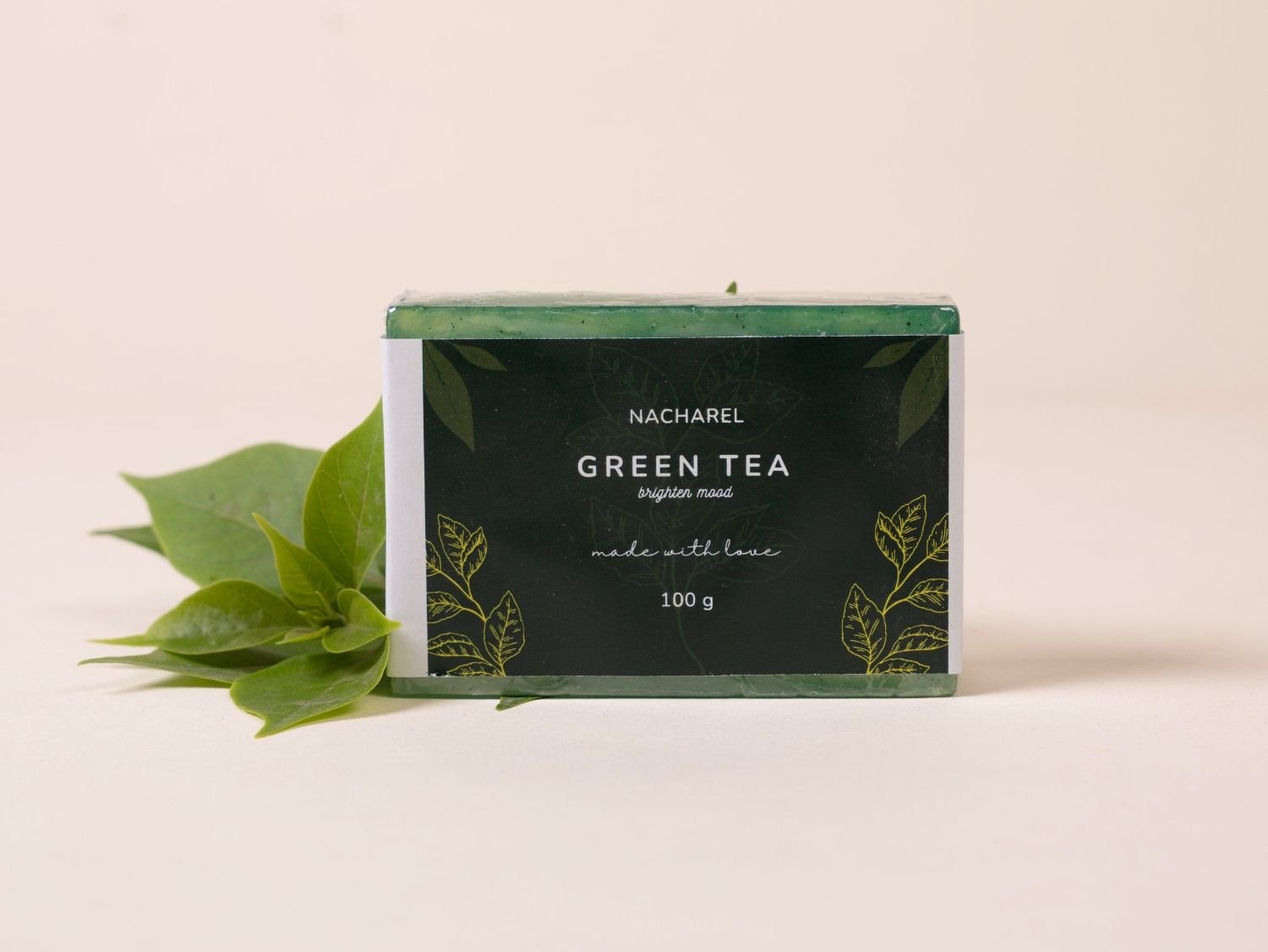
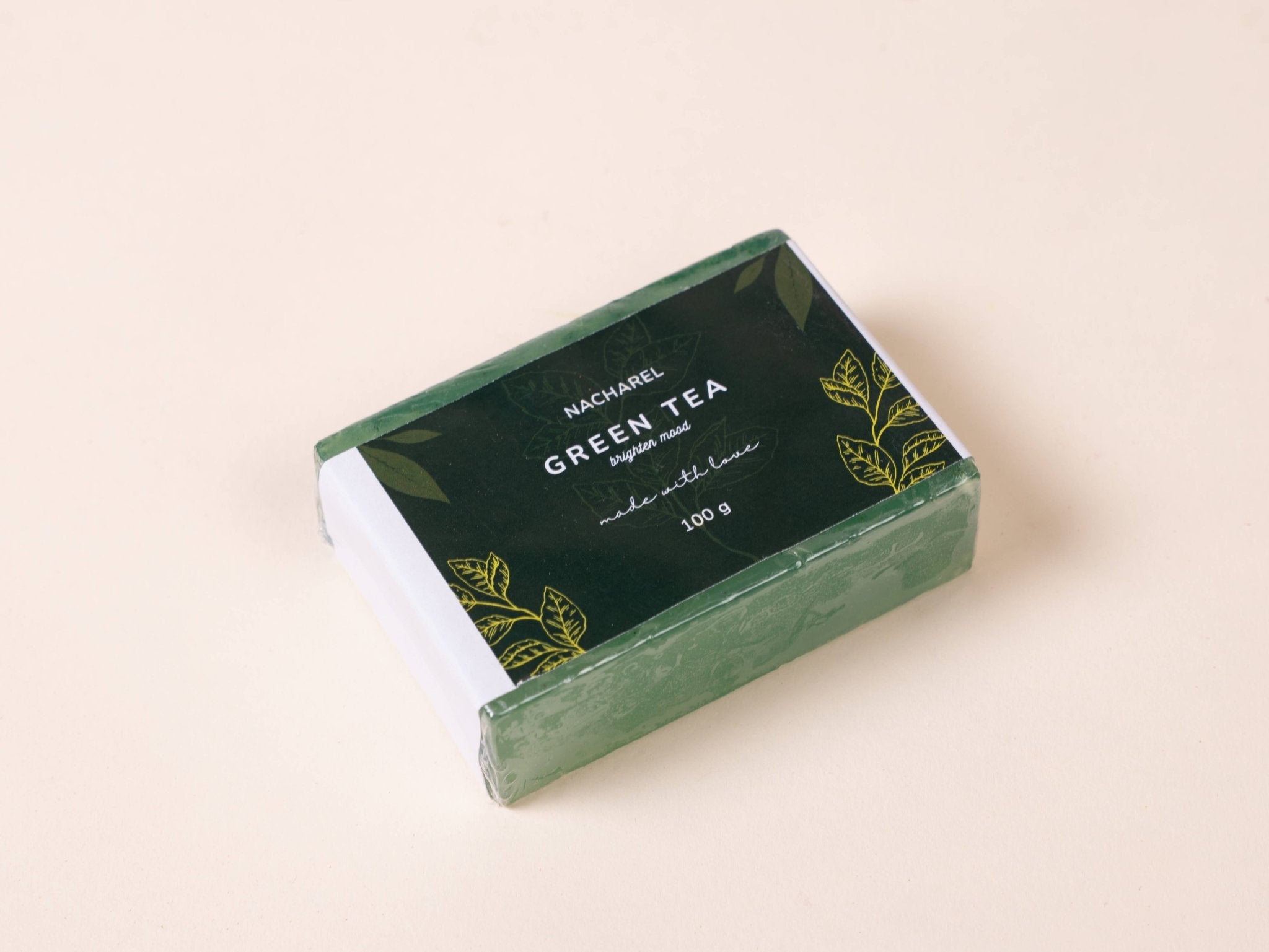
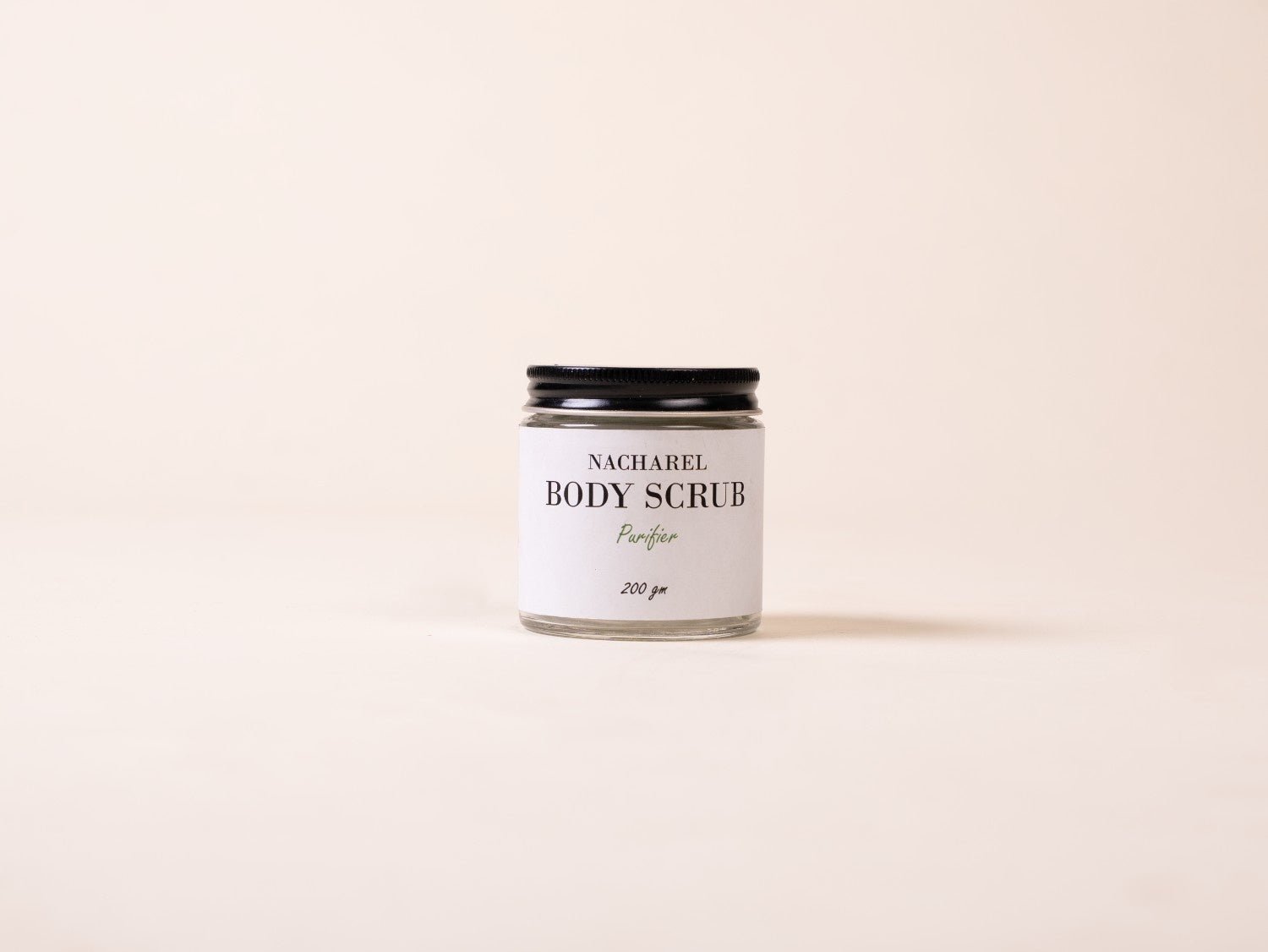
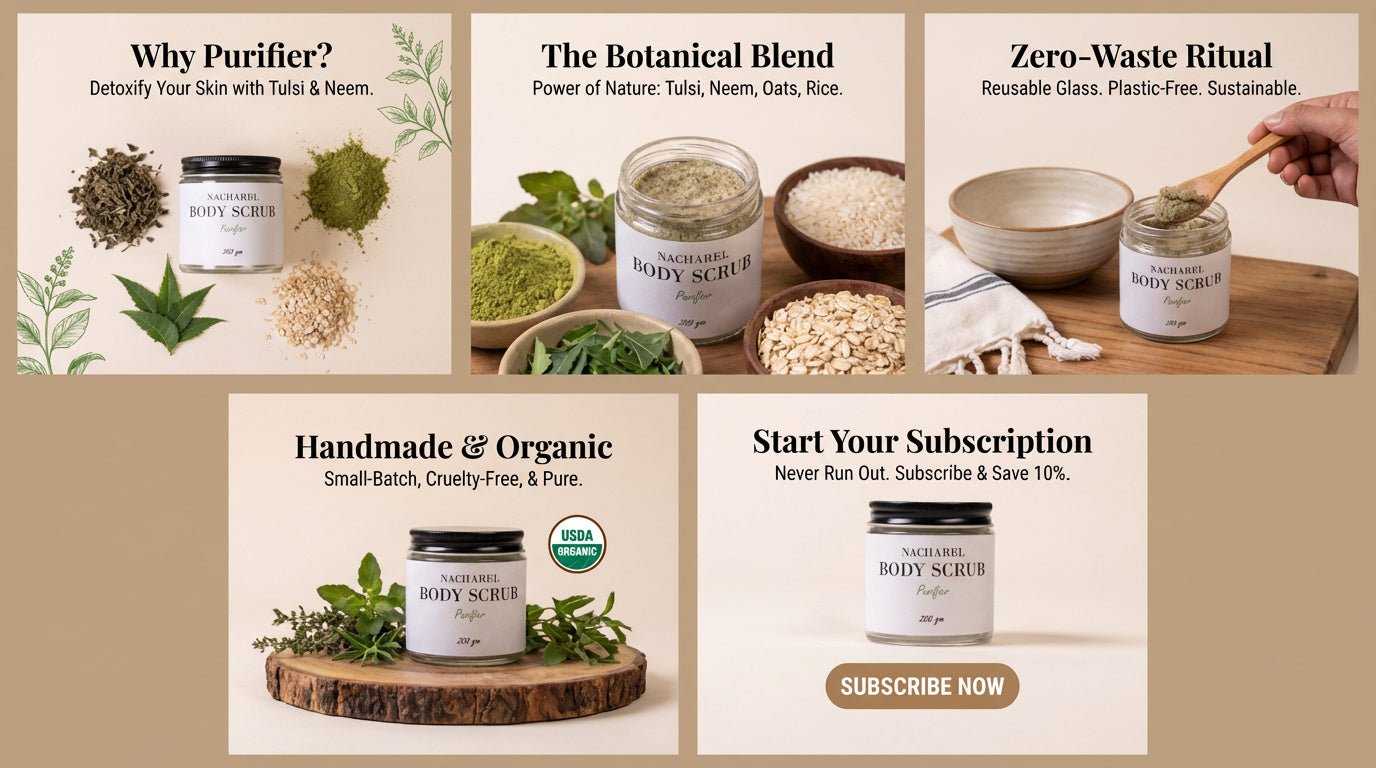
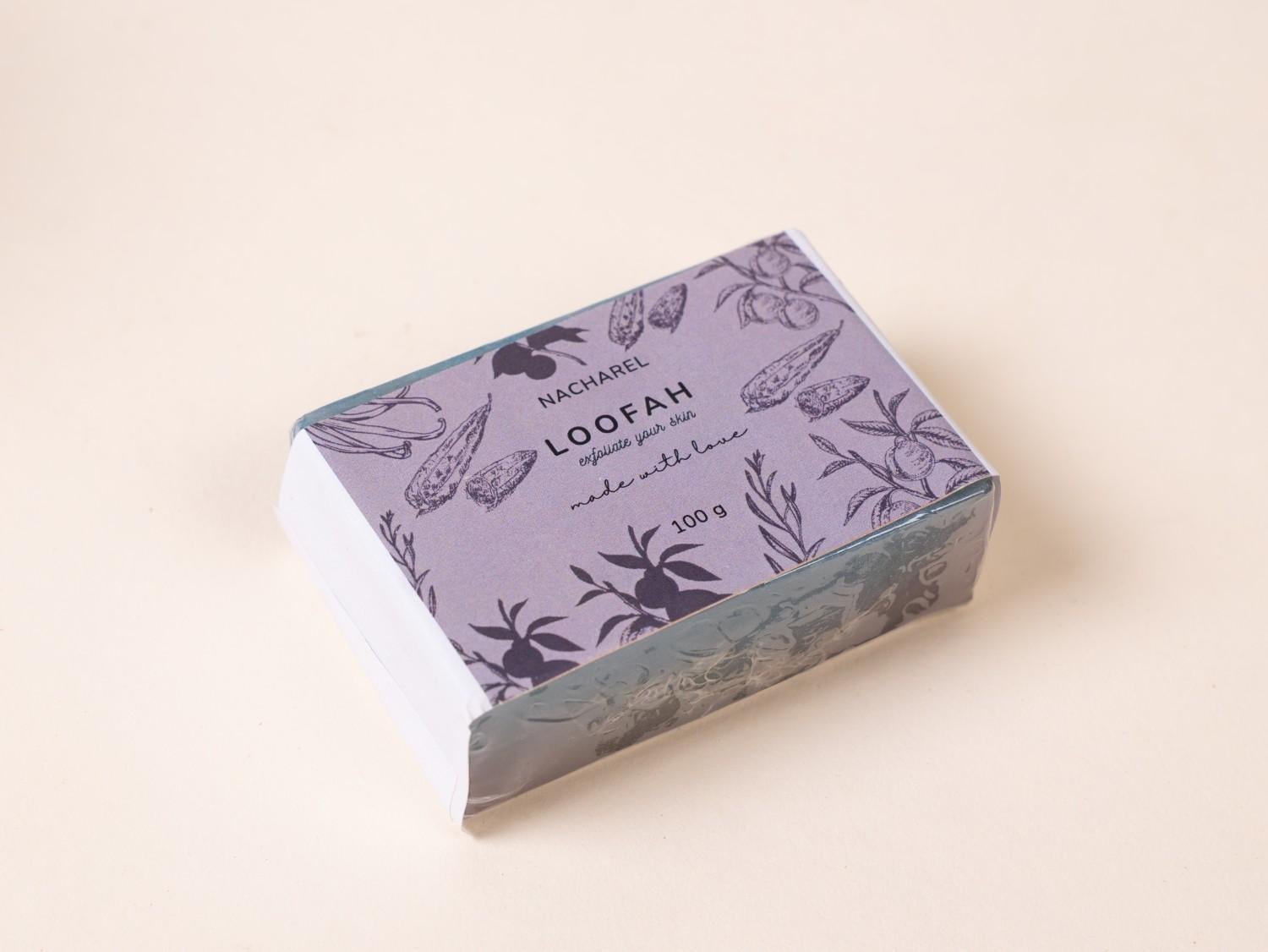
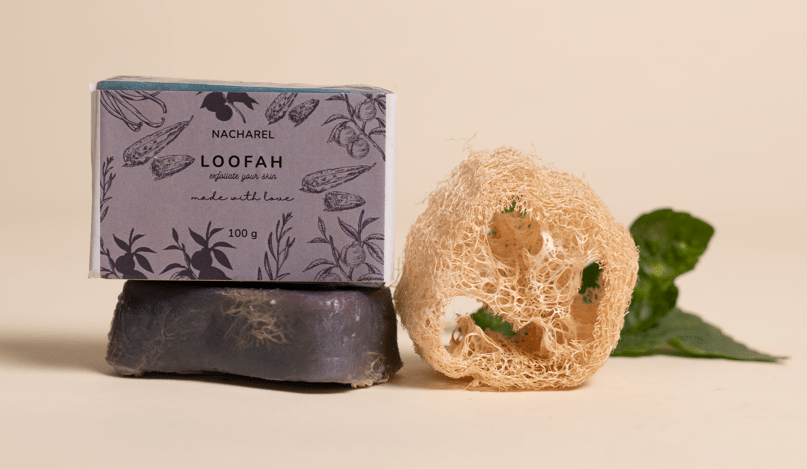
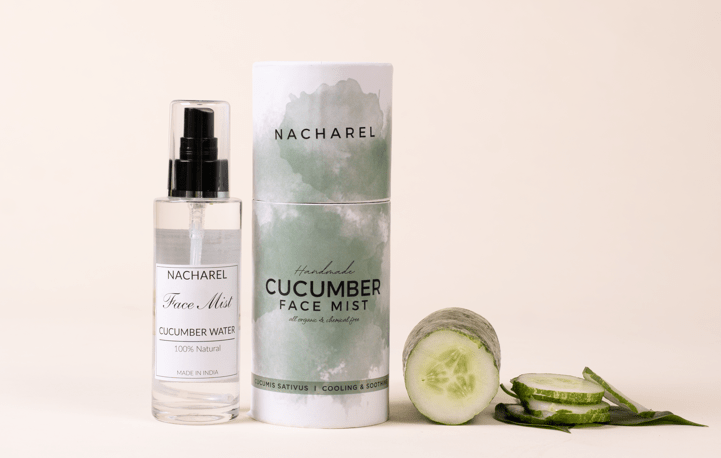
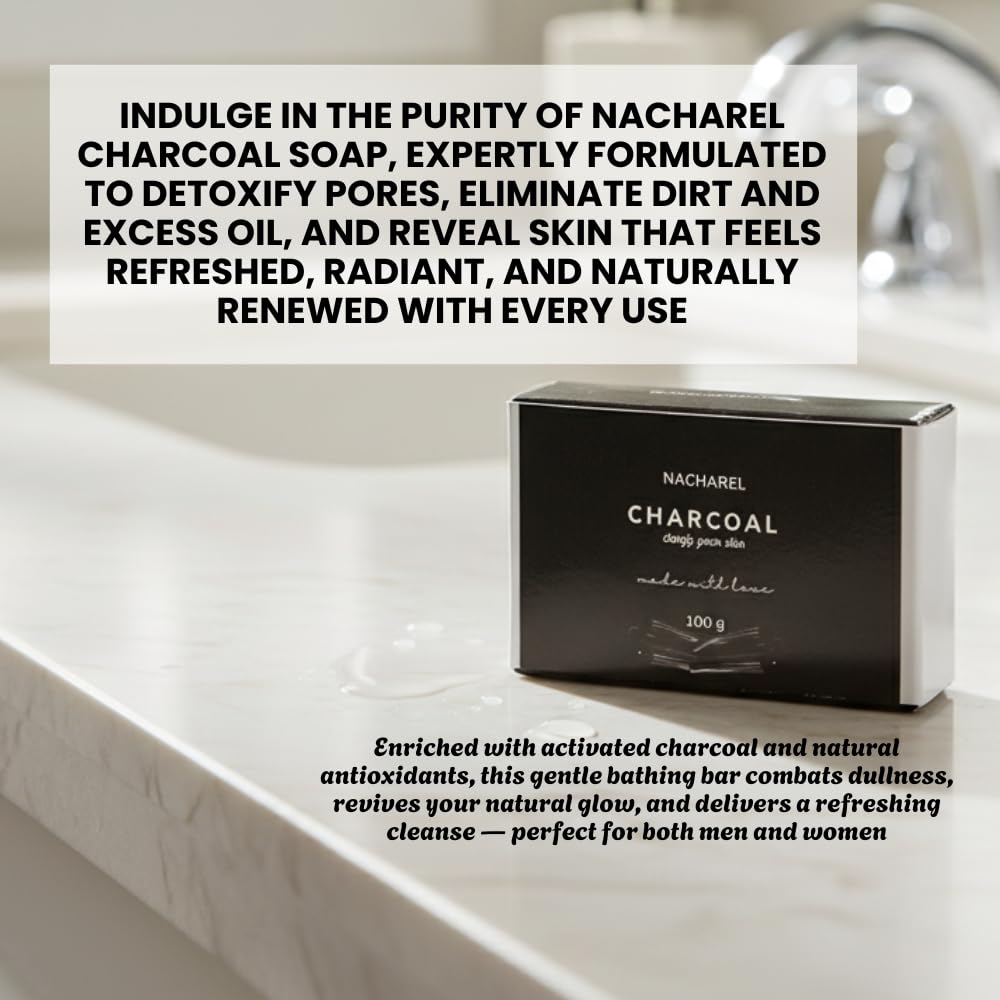
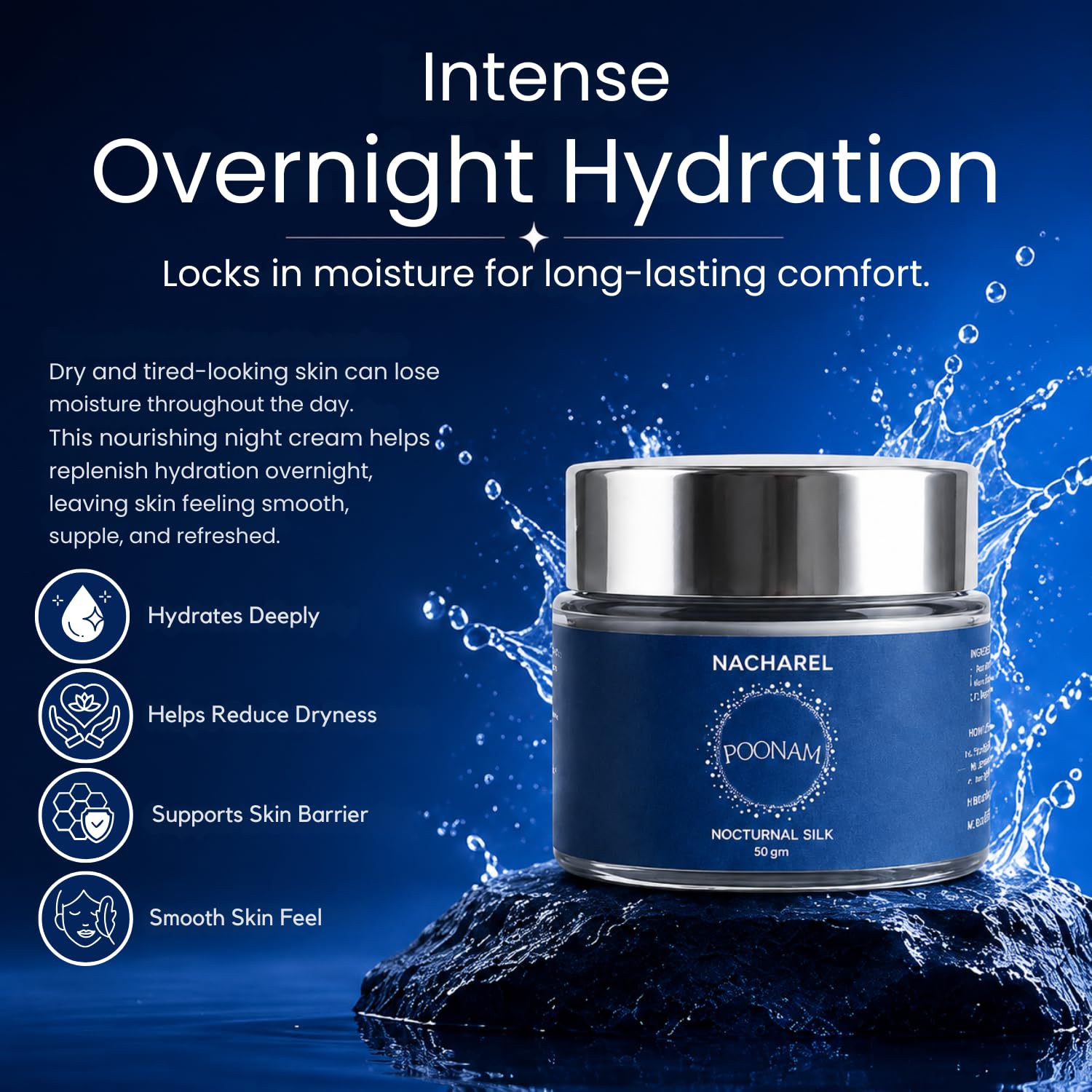
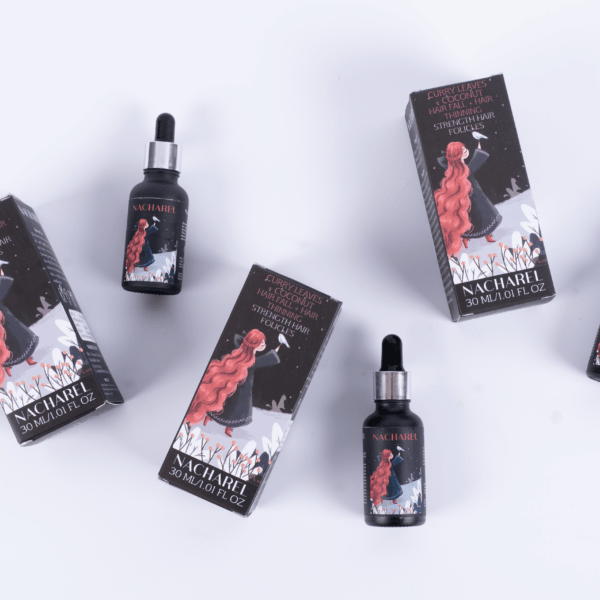
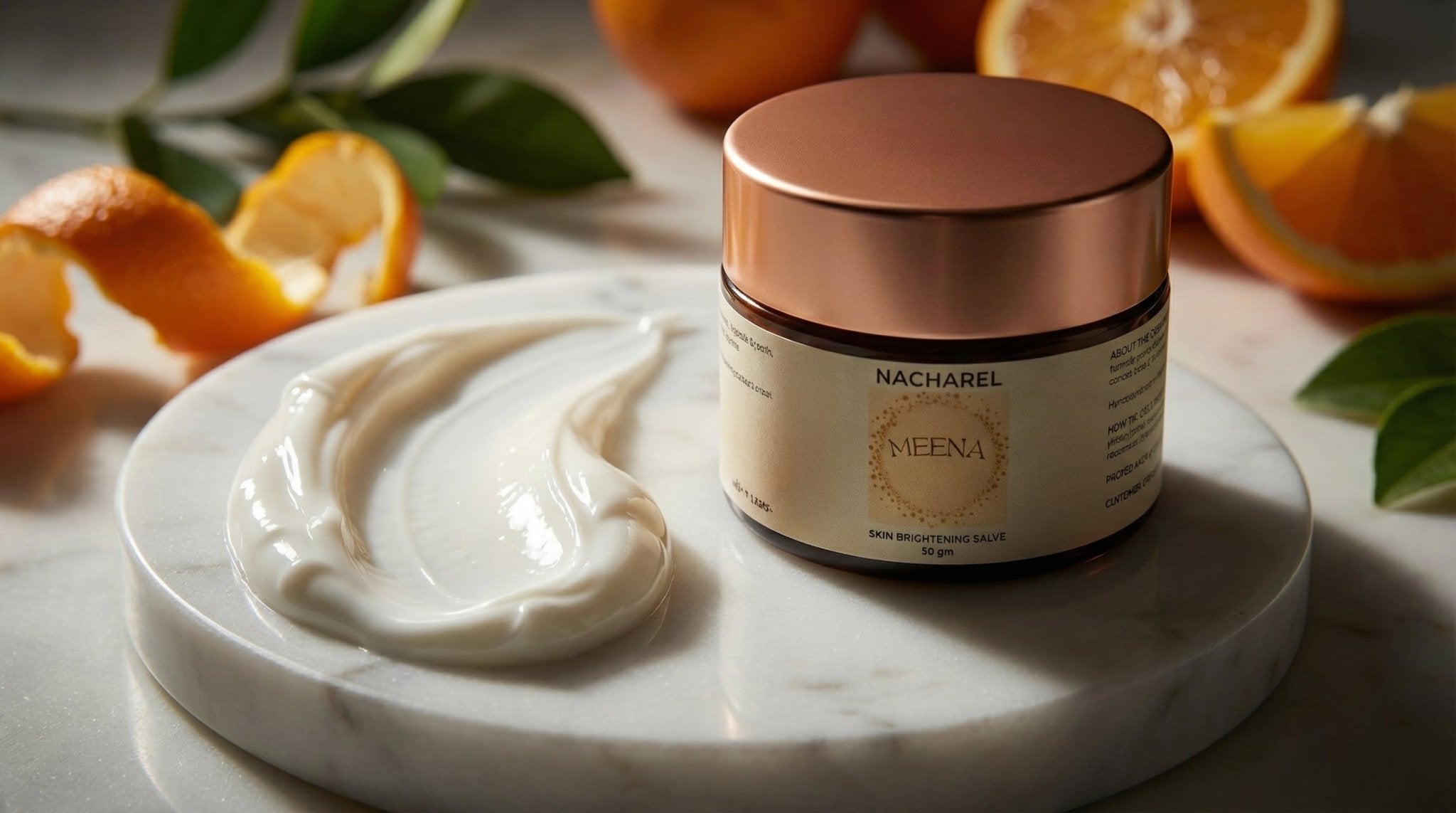
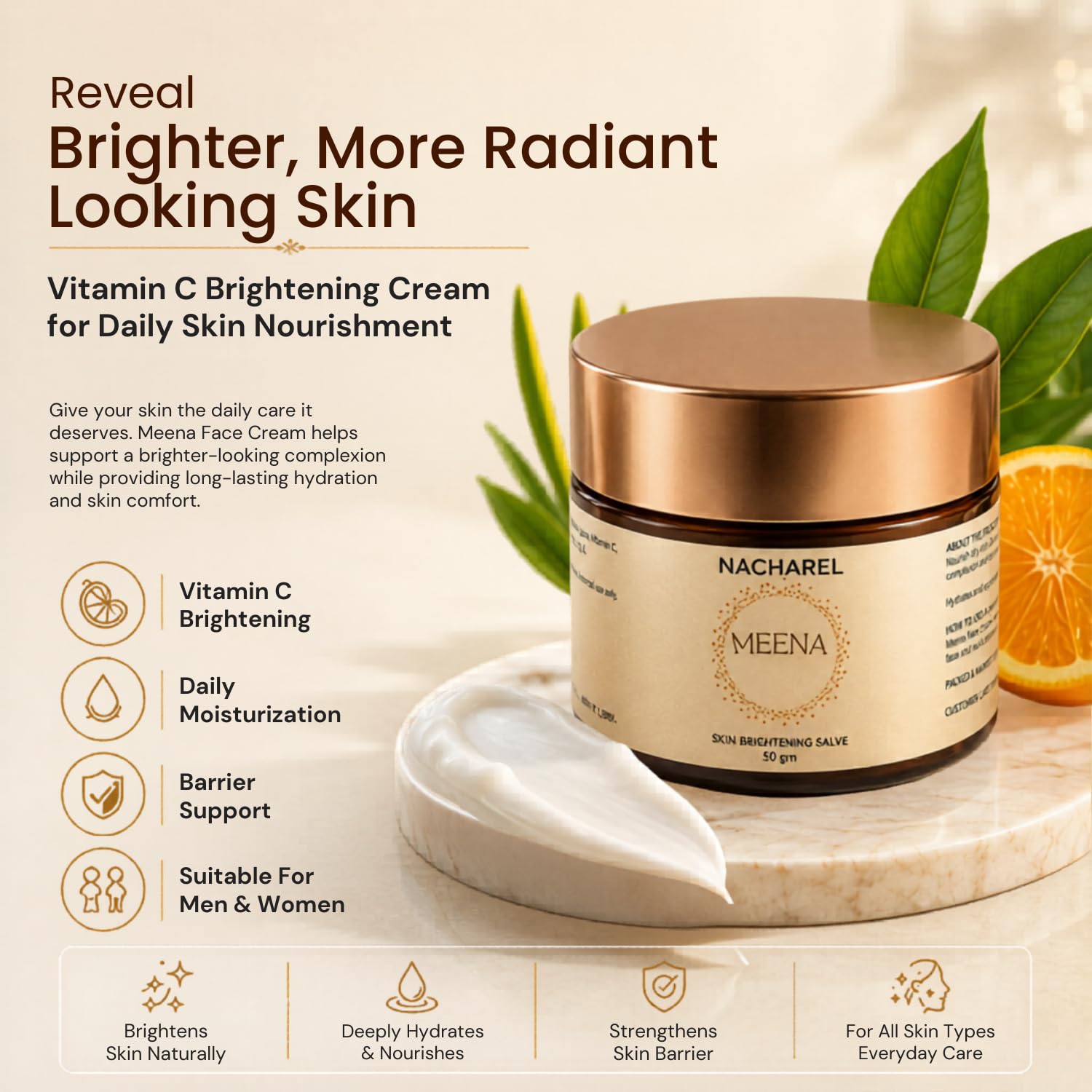
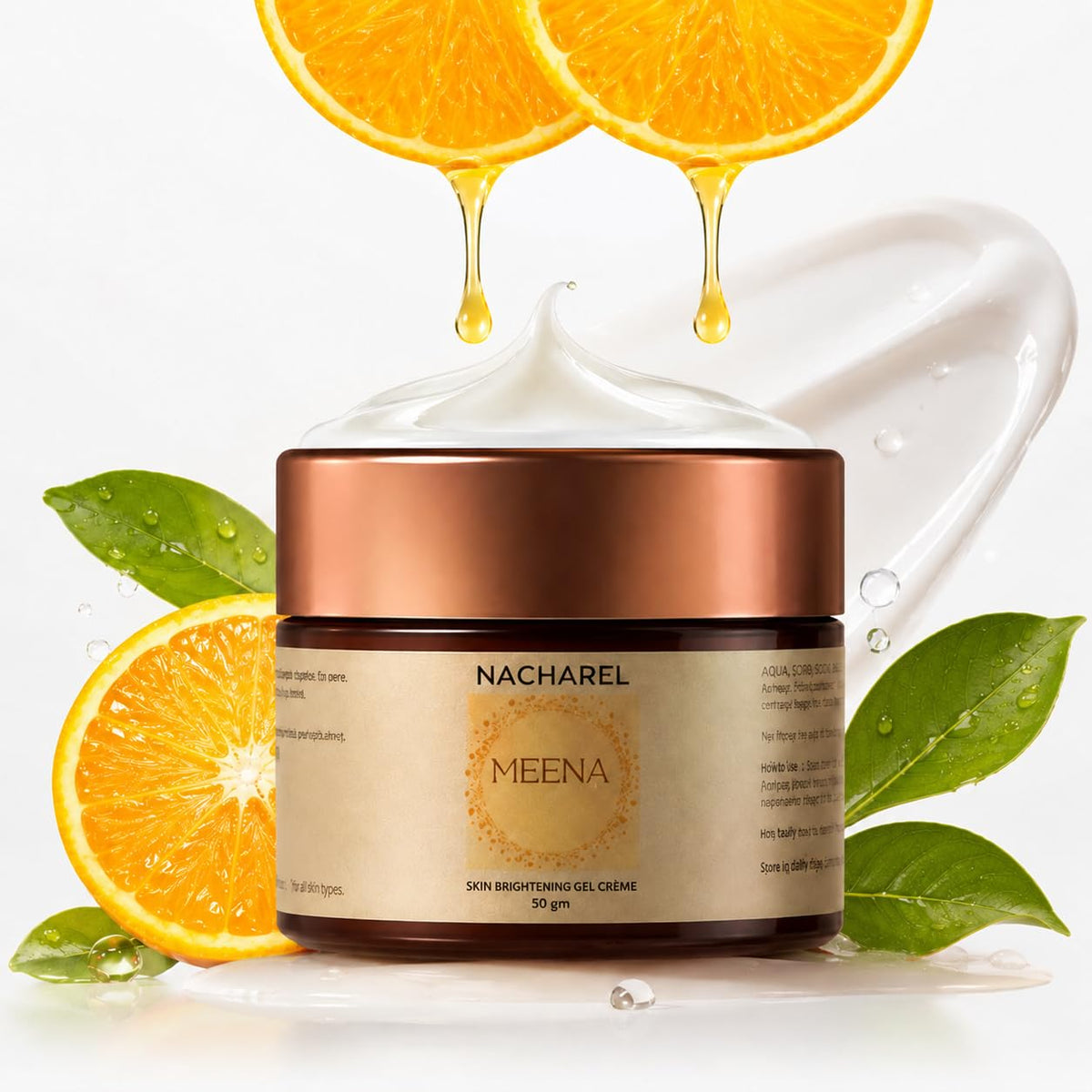
We believe that skincare shouldn't be a chemical experiment. Our journey began in a small kitchen, born from a desire to return to the basics: cold-pressed oils, wild-harvested botanicals, and the patient art of soap making. By choosing the cold process method, we preserve the natural glycerin and therapeutic properties of every ingredient. Just honest, earth-derived nourishment for your skin. Our Ingredients, Our Promise We source with a conscience. Every bar is a blend of: Pure Organic Fats: Sourced from Certified Sustainable Suppliers. Wild-Harvested Botanicals: Clays, seeds, and herbs that provide natural color and texture. Zero Synthetic Fragrance: We use only 100% Pure Essential Oils for a true aromatherapy experience.
Mission Statement
To provide pure, earth-derived nourishment through the traditional art of cold process soap making
Impact Created
Support for Local Ecosystems: By using wild-harvested botanicals or local oils, you support small-scale agriculture over industrial monocrops. Soap is a consumable. Its purpose is to be used. When you use it properly—washing your hands, your face, your body—it performs its function and then safely enters the water cycle, where it biodegrades completely. If you have leftover soap you will never use, give it away. If you have a bar so small you cannot hold it, melt it into a new bar or liquid soap. If you have packaging, compost it at home or recycle it. Nothing we make requires a landfill. Nothing we make requires you to feel guilty.
Impact Metric
|
Value
|
|
Overall employment created
|
4
|
|
% of Women Employees
|
2%
|
|
Number of Artisans Empowered
|
1
|
What are the causes you support?
Carbon Neutral / Tree Plantations, Cruelty Free, Non-Toxic (No Toxic Chemicals Used), Upcycling Materials, Women-Owned Business
What is the manufacturing process?
Cold process soap making is a traditional method that combines oils or fats with a lye solution (sodium hydroxide and water) to trigger a chemical reaction called saponification. Unlike hot process soap, it requires no external heat after the initial melting of solid oils, preserving the natural qualities of the ingredients. The Process Preparation: Mix lye into water (never water into lye) in a well-ventilated area and let it cool. Mixing: Combine the lye solution with melted oils and blend until it reaches trace—a thick, batter-like consistency where the mixture stays emulsified. Customization: Stir in essential oils for fragrance or natural clays and botanicals for color. Molding & Hardening: Pour the soap into silicone molds. Let it sit for 24–48 hours until solid enough to cut into bars. Curing: Store bars in a cool, dry place for 4–6 weeks. This allows excess water to evaporate, resulting in a harder, milder, and longer-lasting bar.
What are the ingredients/materials you use?
Essential Ingredients & Tools Lye (Sodium Hydroxide): A caustic alkali required for saponification; it is completely consumed during the process. Oils and Butters: Common bases include olive oil (moisturizing), coconut oil (cleansing), and shea butter (creamy lather). Safety Gear: Goggles, gloves, and long sleeves are mandatory due to the caustic nature of lye. Equipment: A digital scale for precise measurements, an immersion blender for emulsification, and heat-safe, non-aluminum containers.
How do you source your raw materials/ ingredients?
Every supplier in these results wants to sell you ingredients. None of them tell you how to verify that what arrives is what they claimed. Our protocol before purchasing: Request the Certificate of Analysis (COA) for the specific batch number . For organic claims: Ask for the certifying body (ECOCERT, USDA, Soil Association or Alike) and the certificate number . For essential oils: Request GC/MS reports to confirm purity and chemotype. Order a sample batch before committing to wholesale quantities
During its life and beyond, can your products be repurposed or composted at home?
Every Nacharel product can be repurposed or returned to the earth. But how depends on what form it is in. We do not use synthetics. We do not use plastic-based glitter. We do not coat our labels in polypropylene. But "natural" does not automatically mean "throw it in the backyard." Some things require specific conditions to break down. We will tell you exactly what those conditions are. Can I compost a bar of soap? No—not whole. Soap is alkaline. It contains saponified oils and residual lye (even after curing, the pH remains high). If you bury a whole bar in your garden, it will: Raise the pH of that soil spot (most plants prefer neutral or slightly acidic soil) Take months to break down Potentially harm earthworms and soil microbes What should I do instead? If the soap is... Do this Still a full bar, just unwanted Gift it. Donate it. Soap does not expire. Someone will use it.
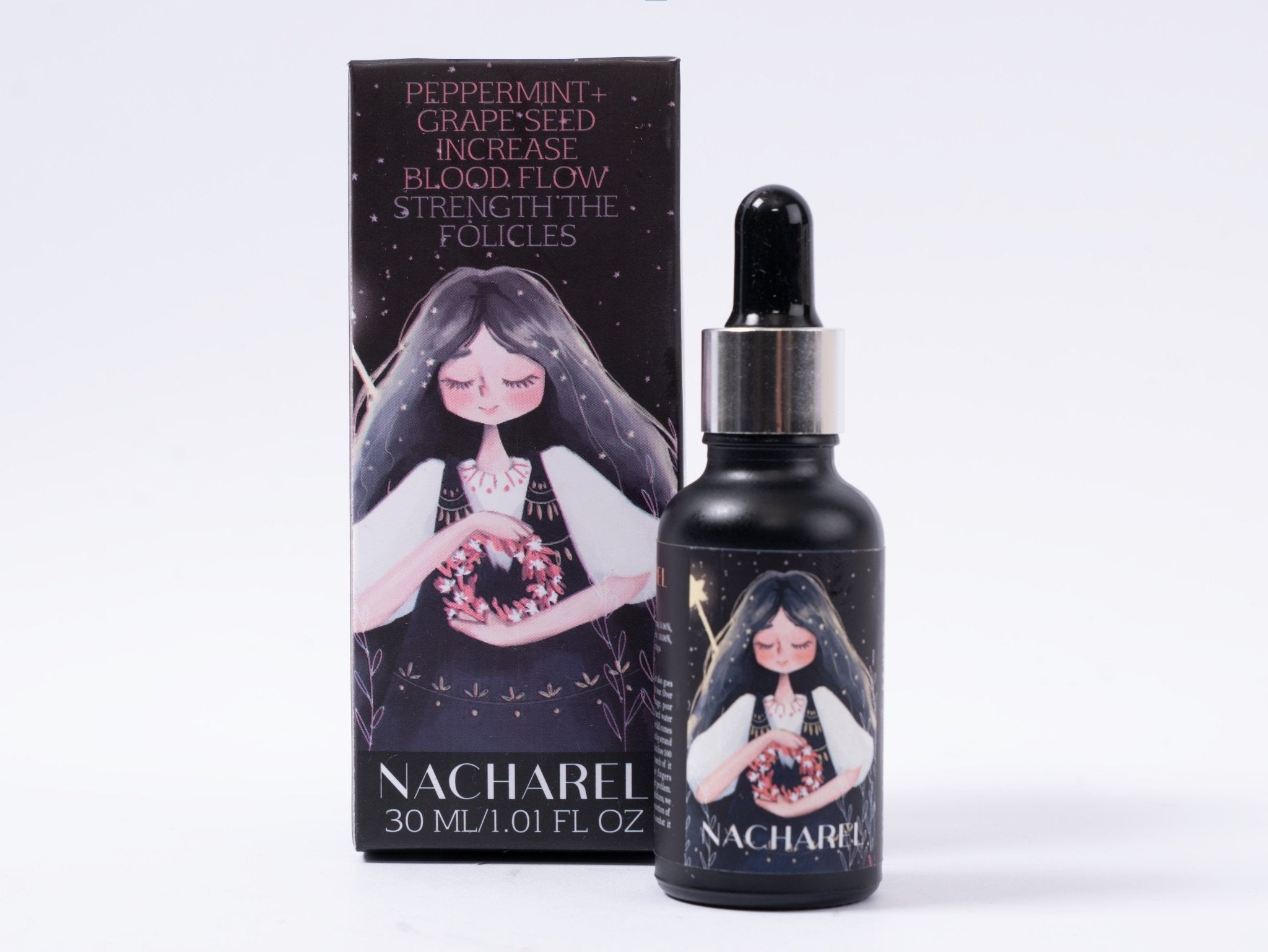
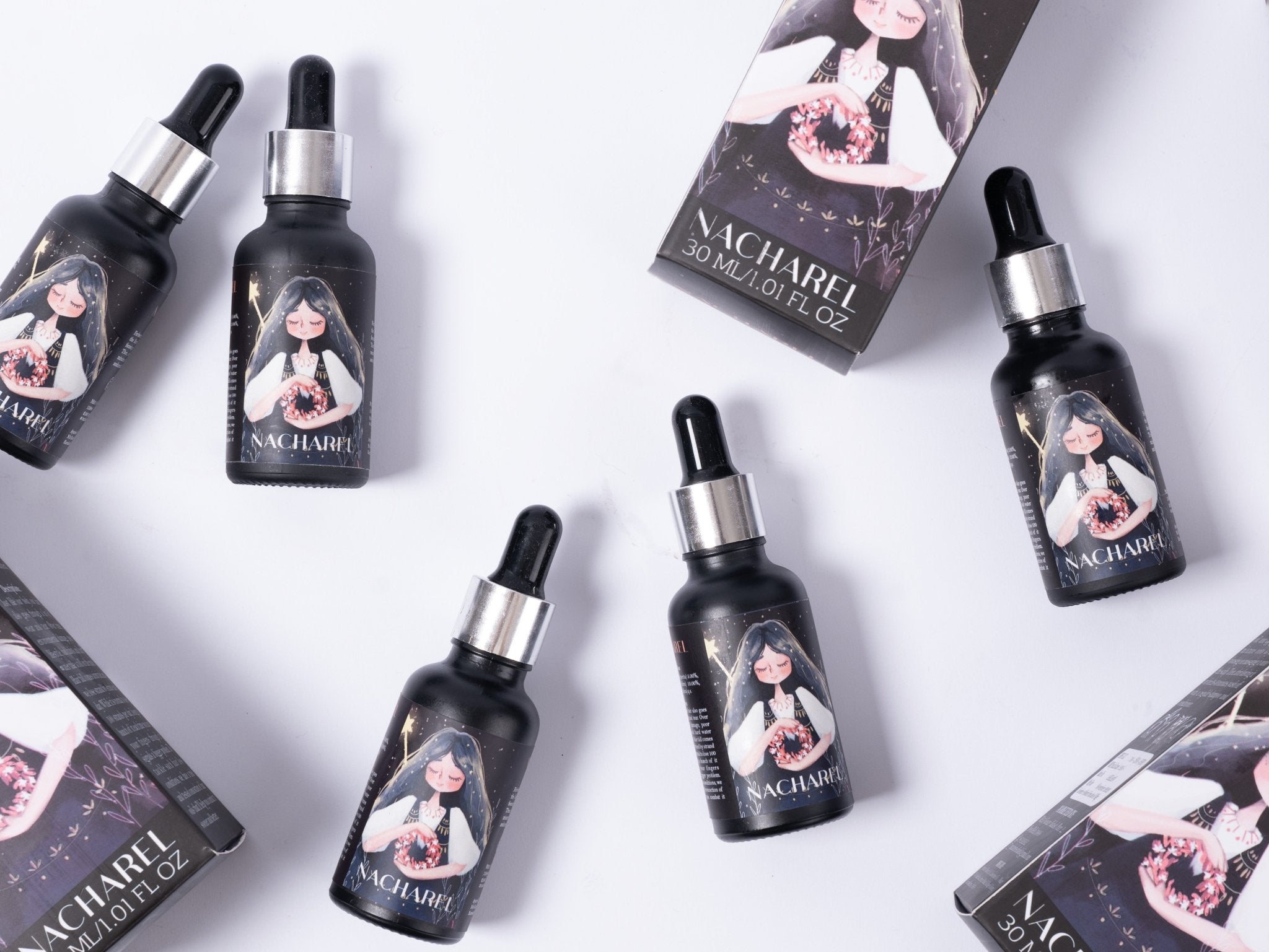
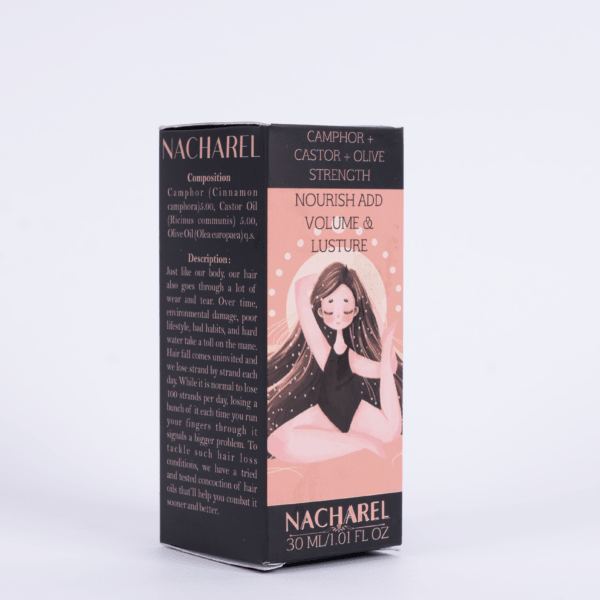
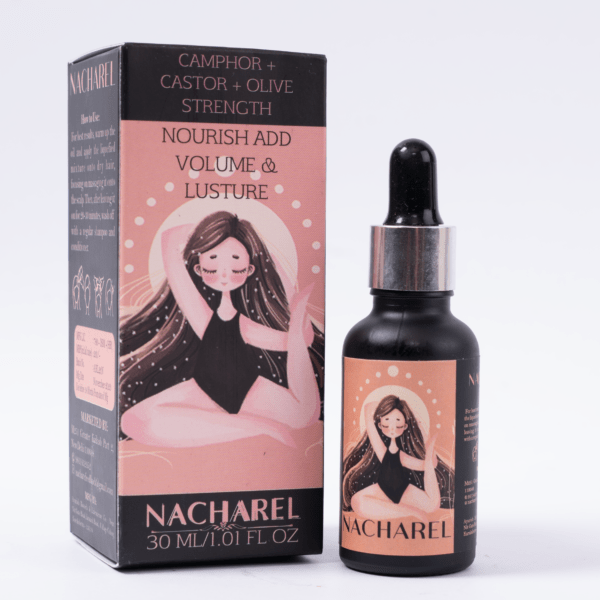
Inspired by the various aromas, scenery, and memories encountered during her global travels, Kanika, the visionary who founded Nacharel, found the spark that ignited the creation of this brand. Nacharel is deeply rooted in the desire to recreate the essence of well-being and generously share it with others.