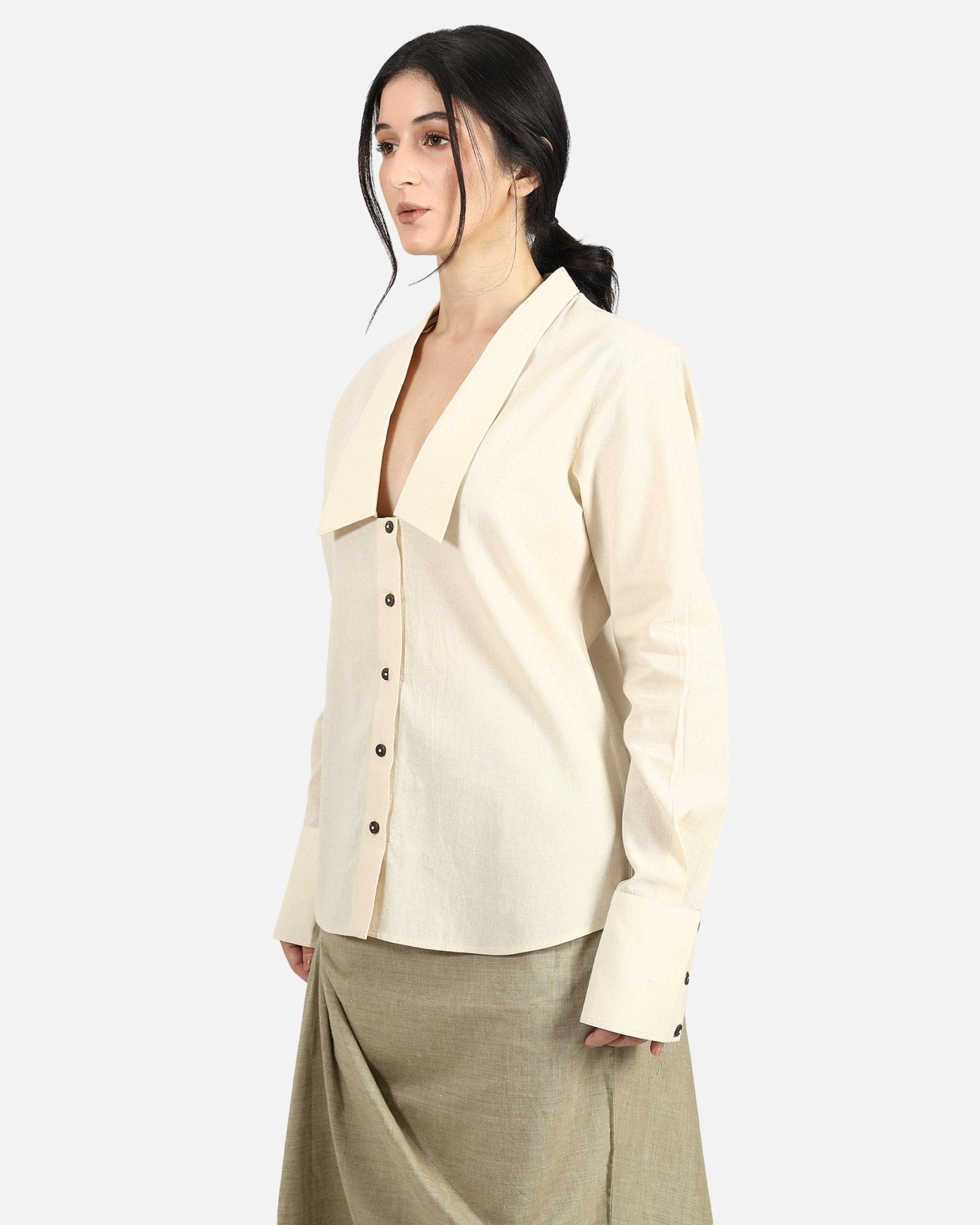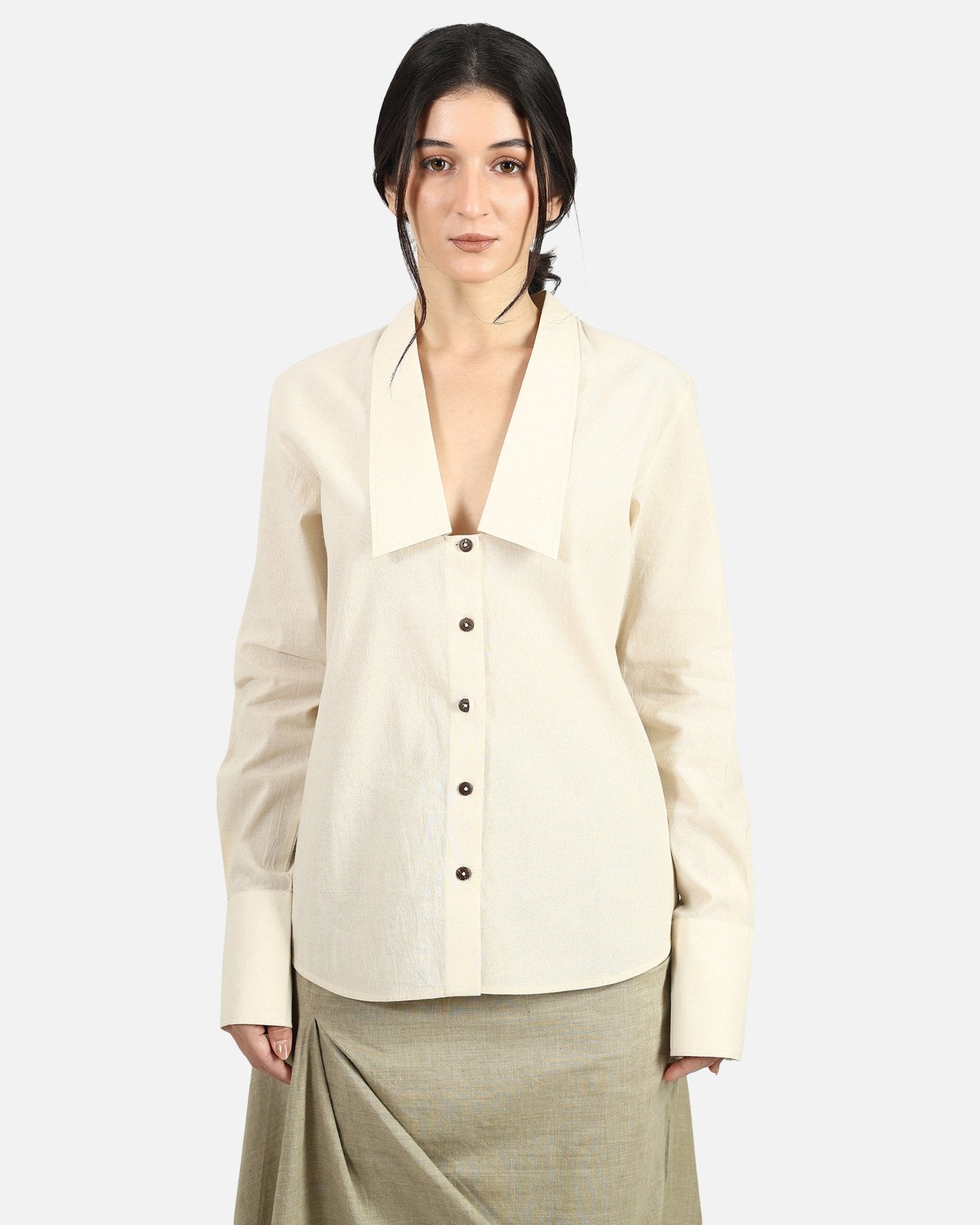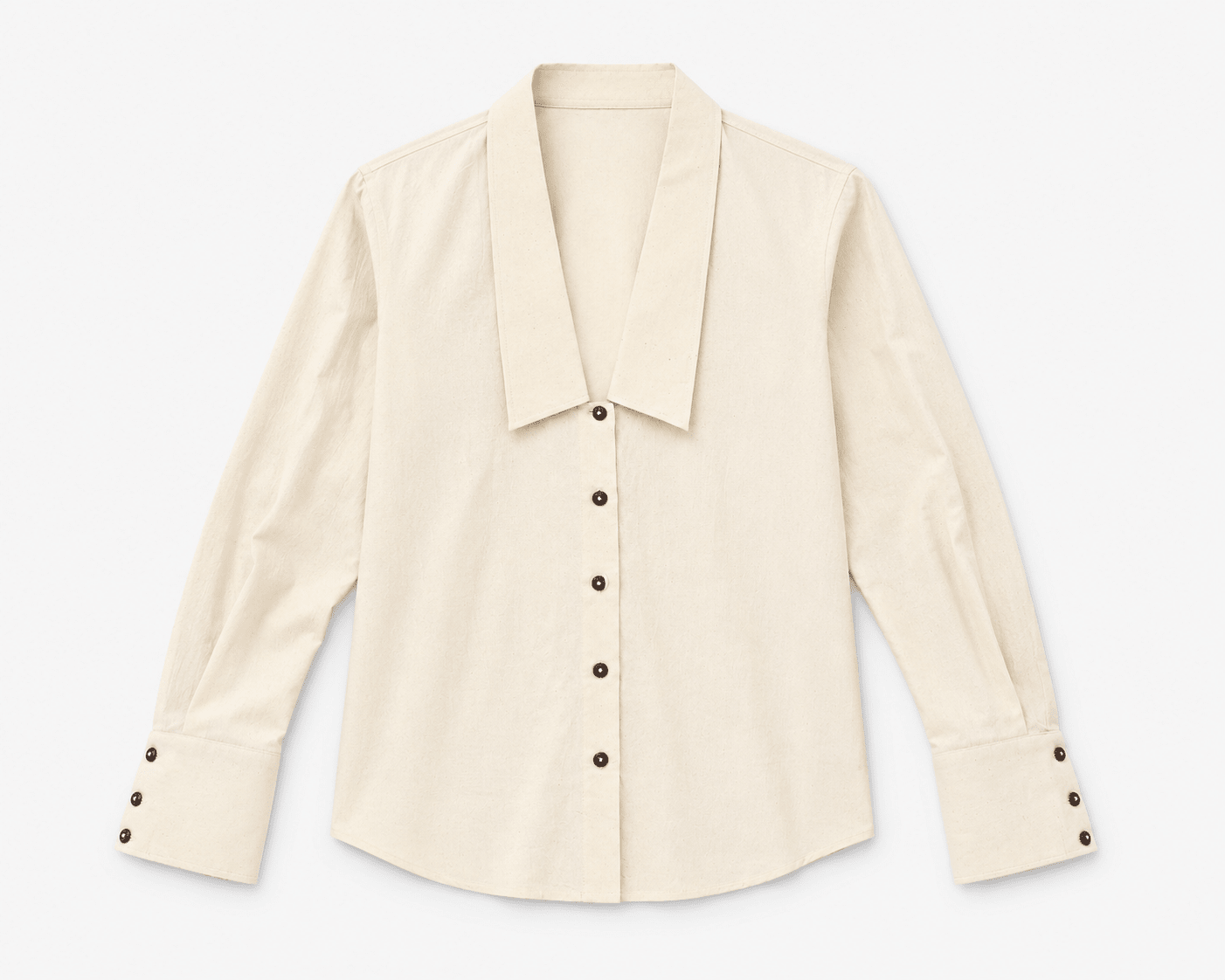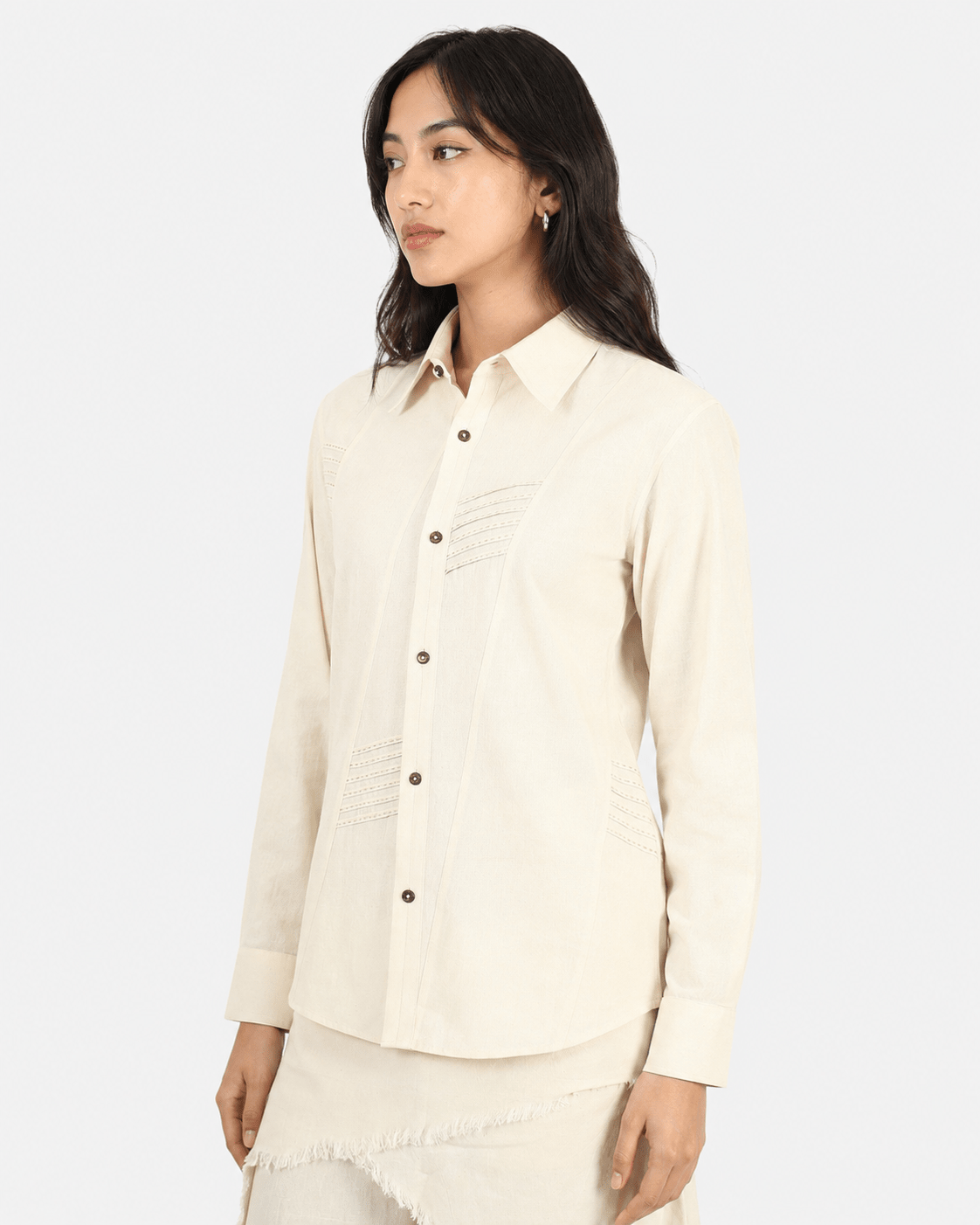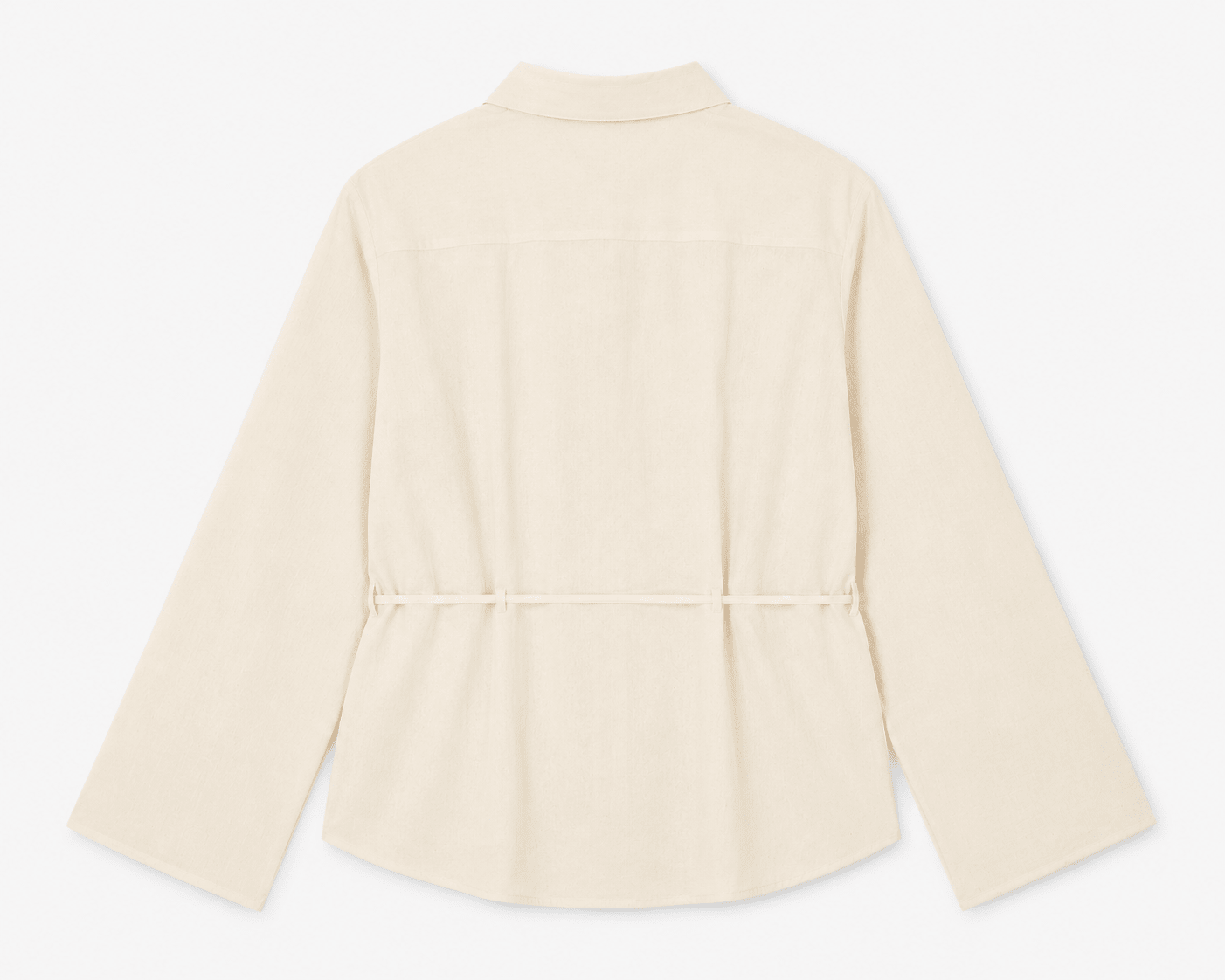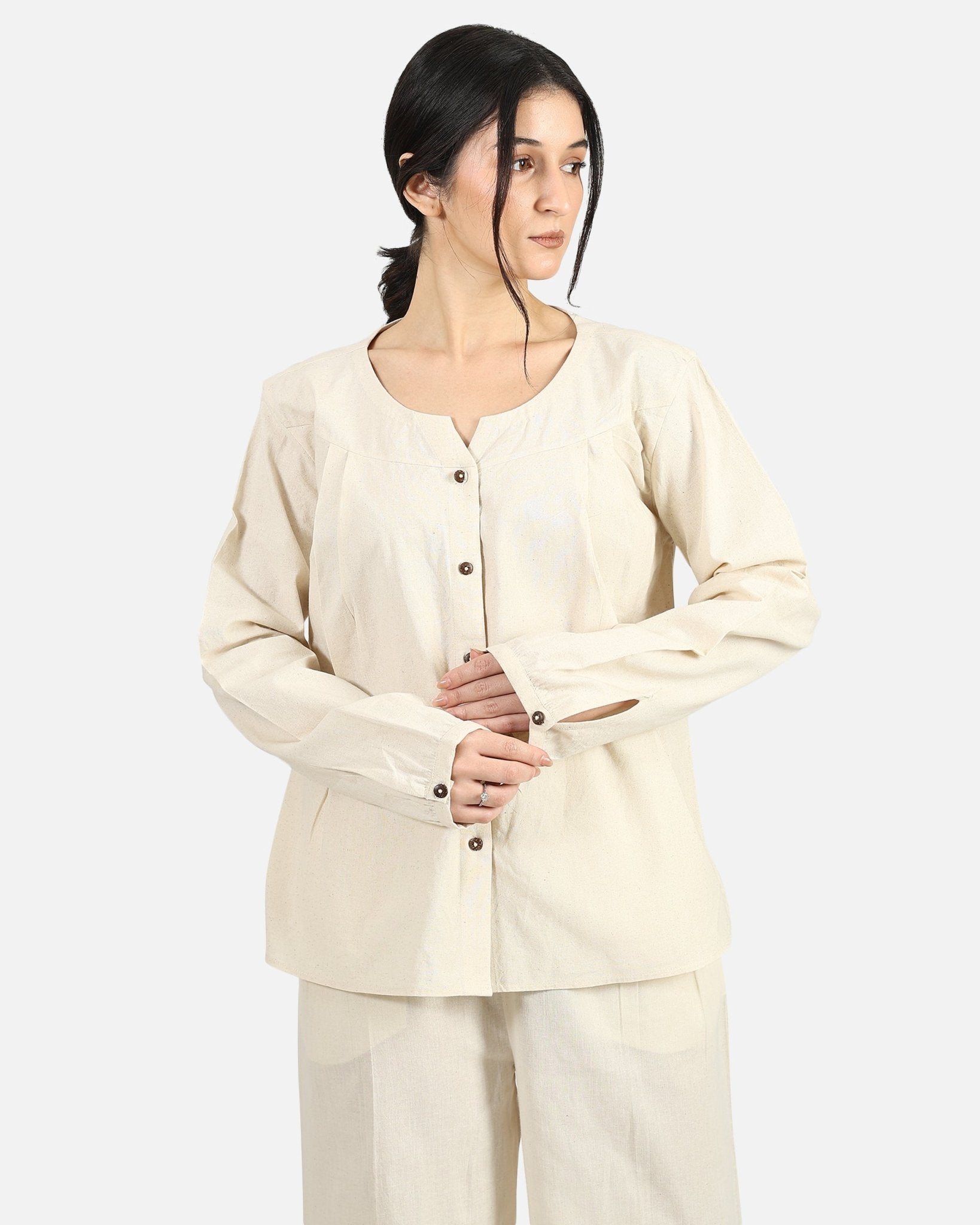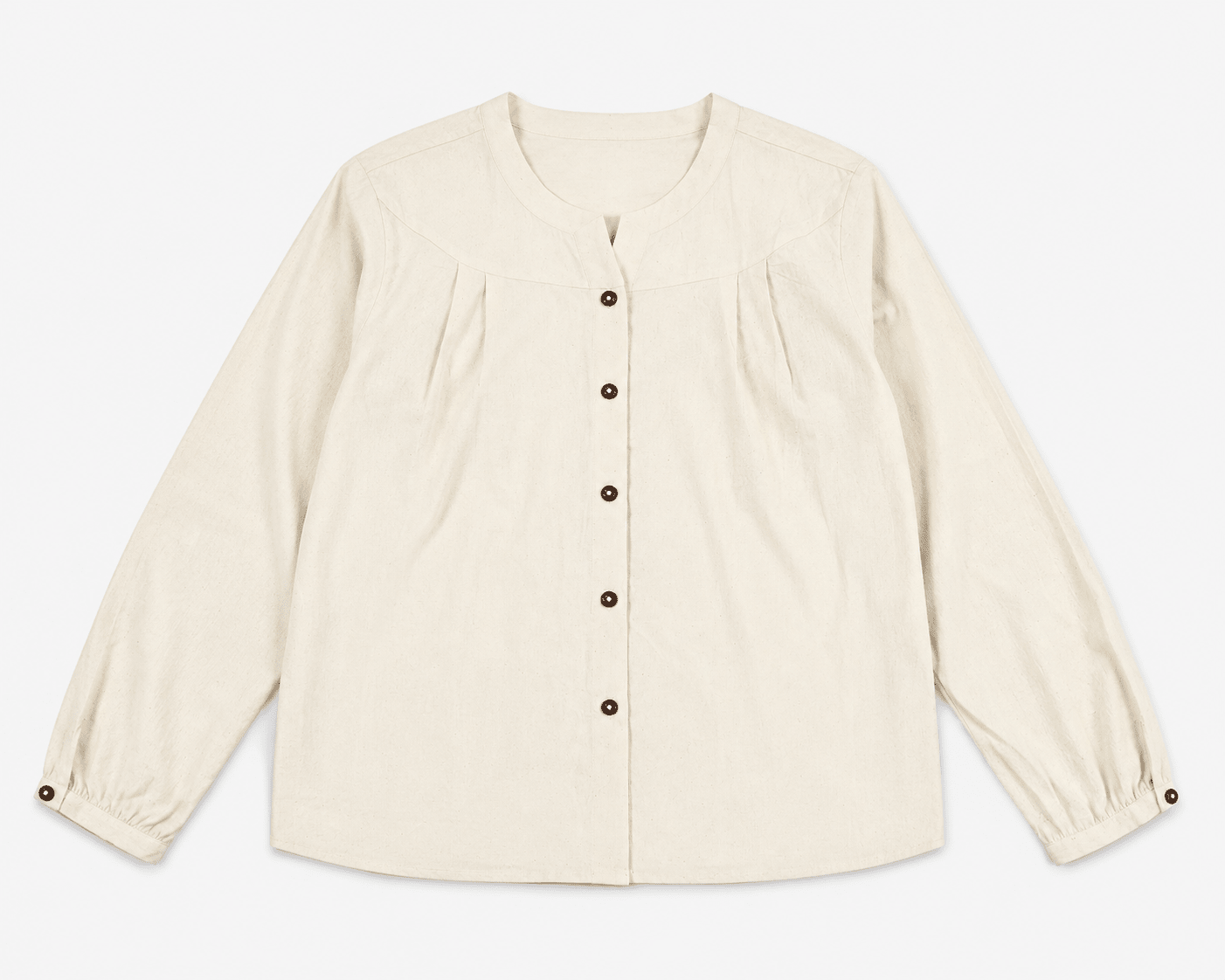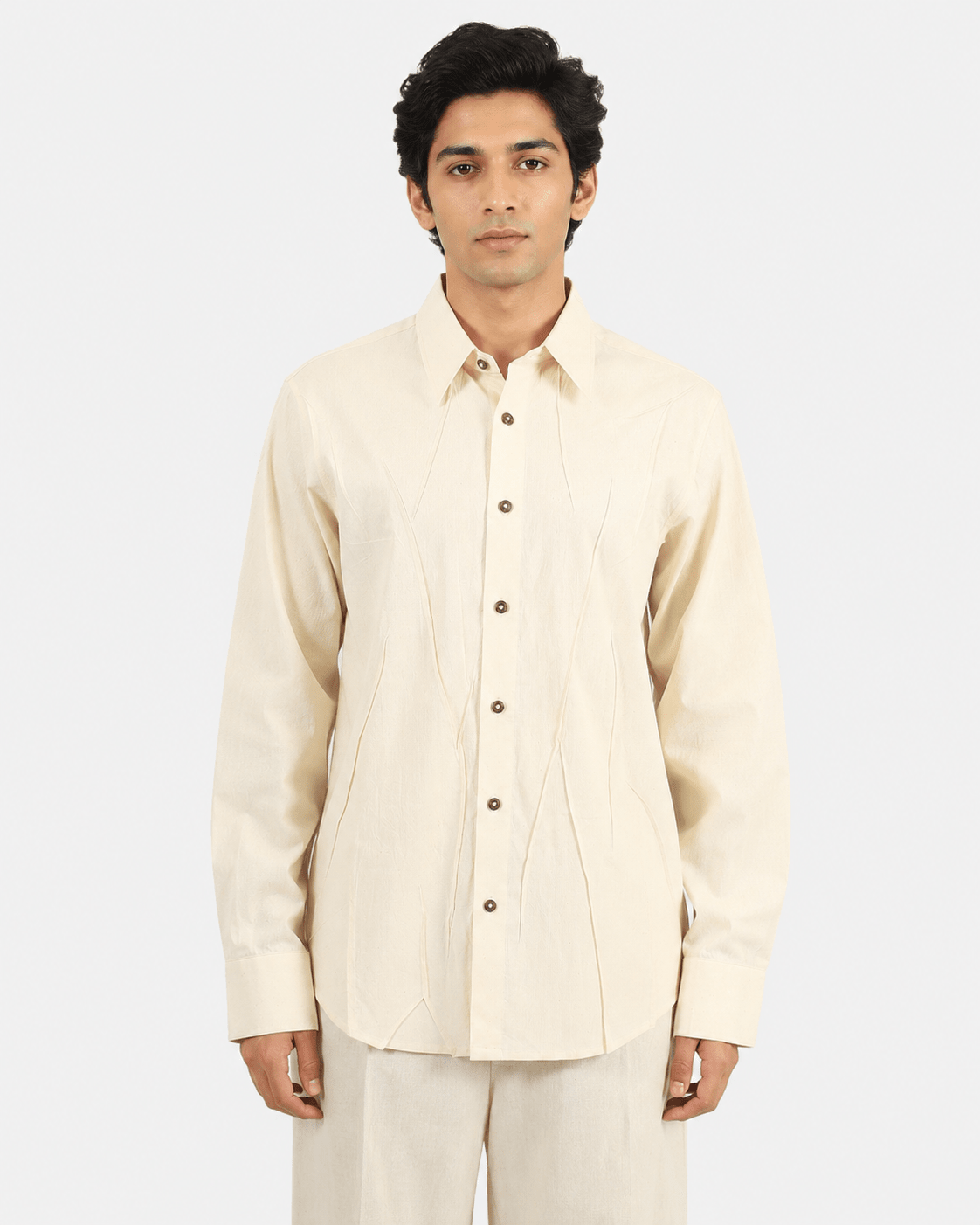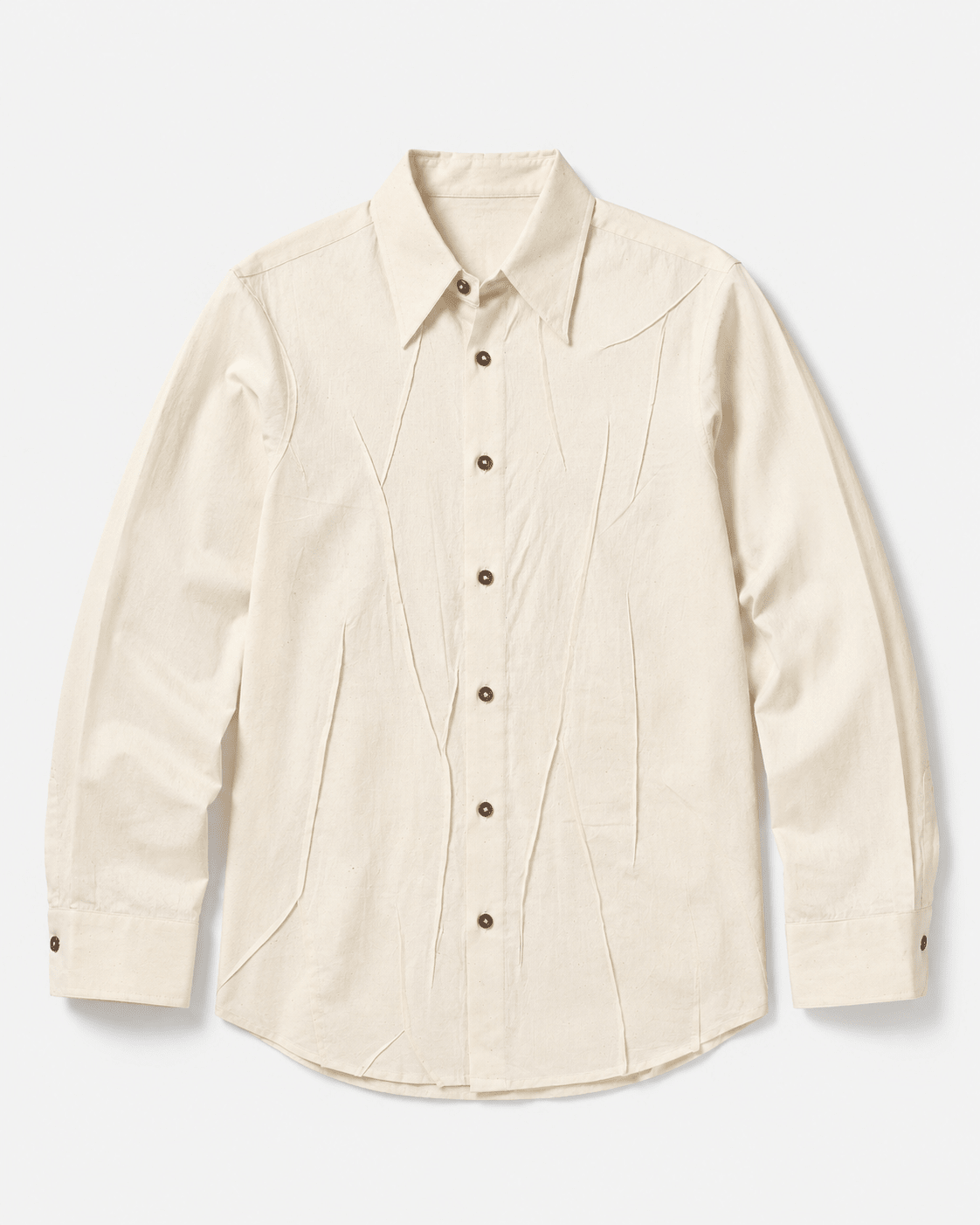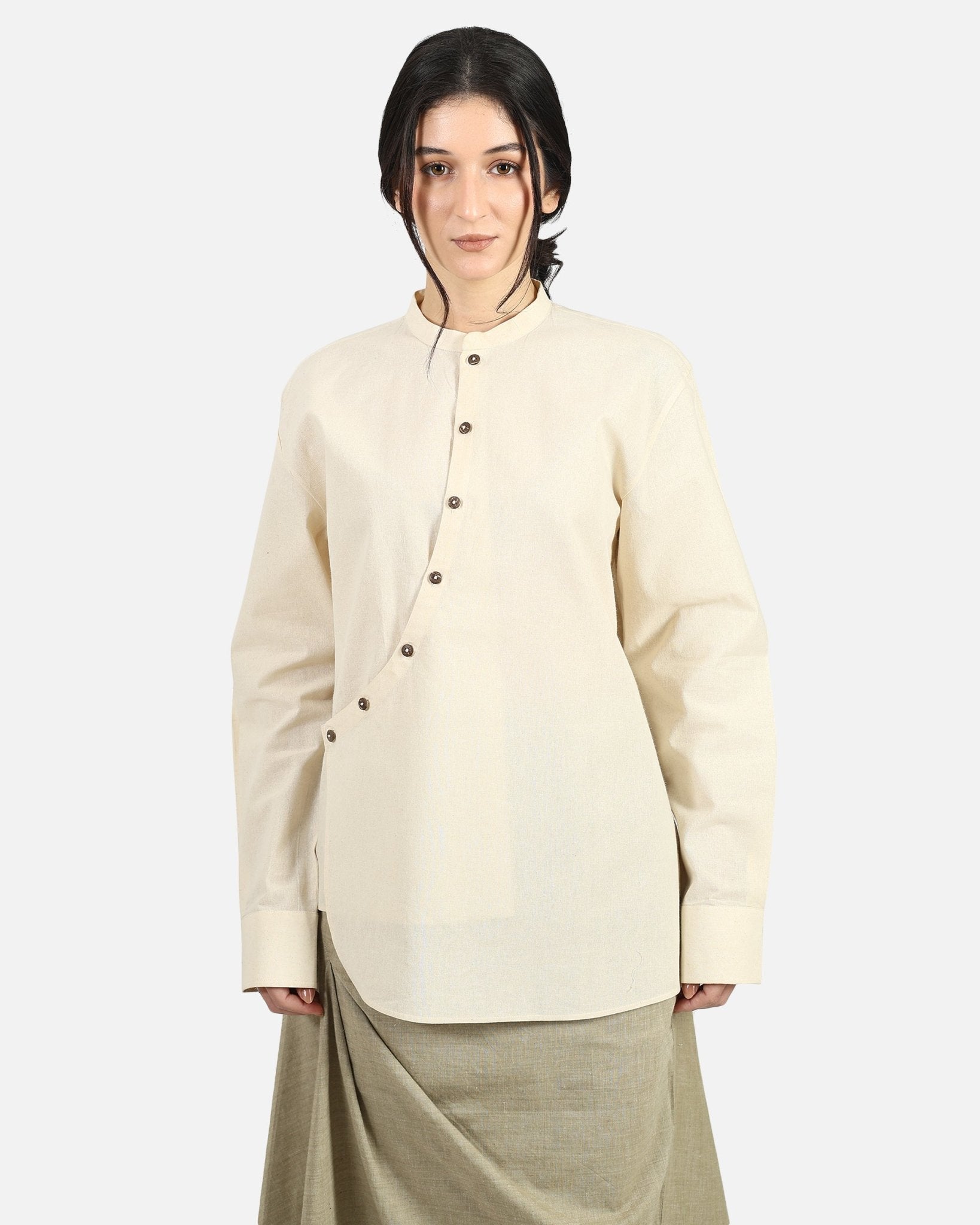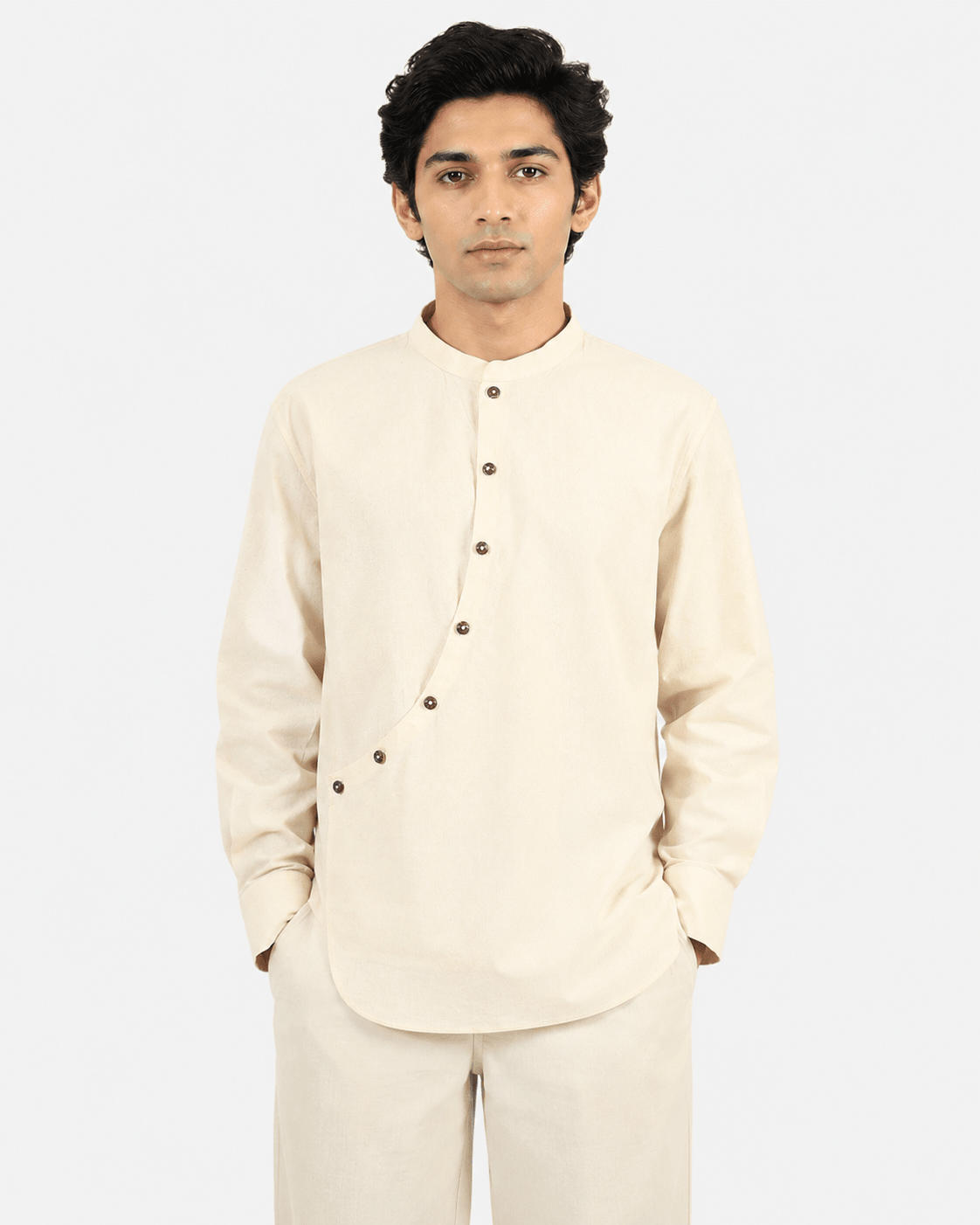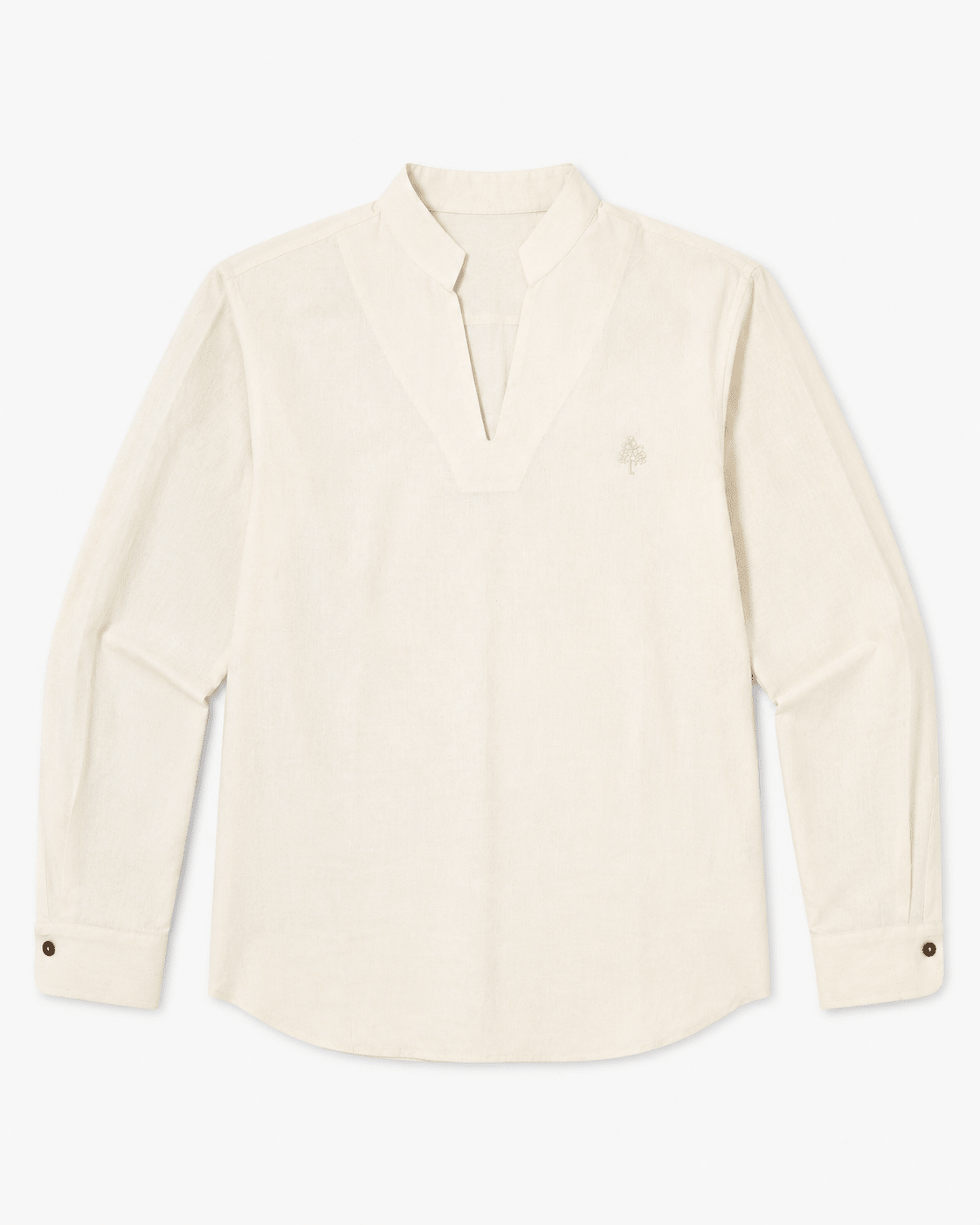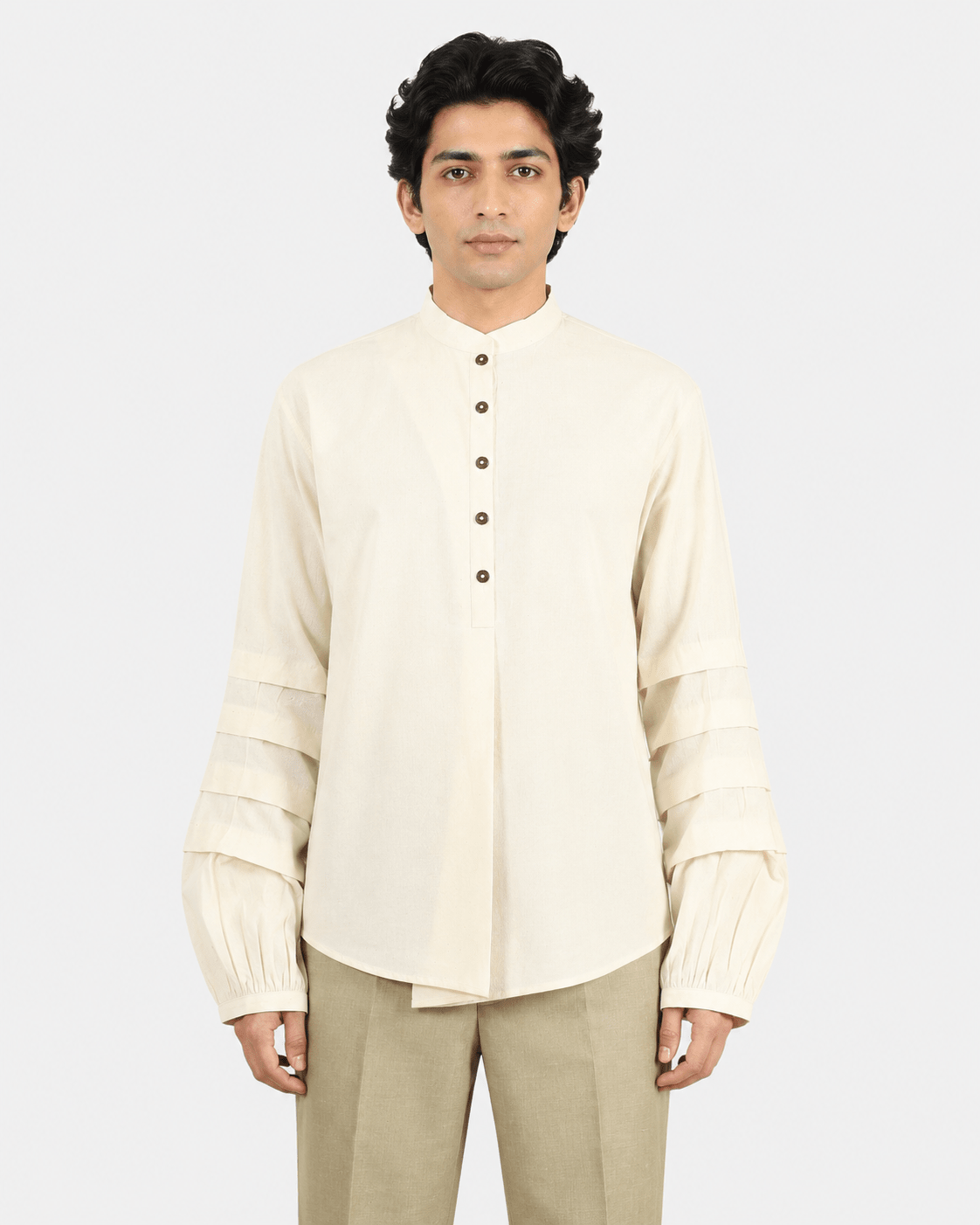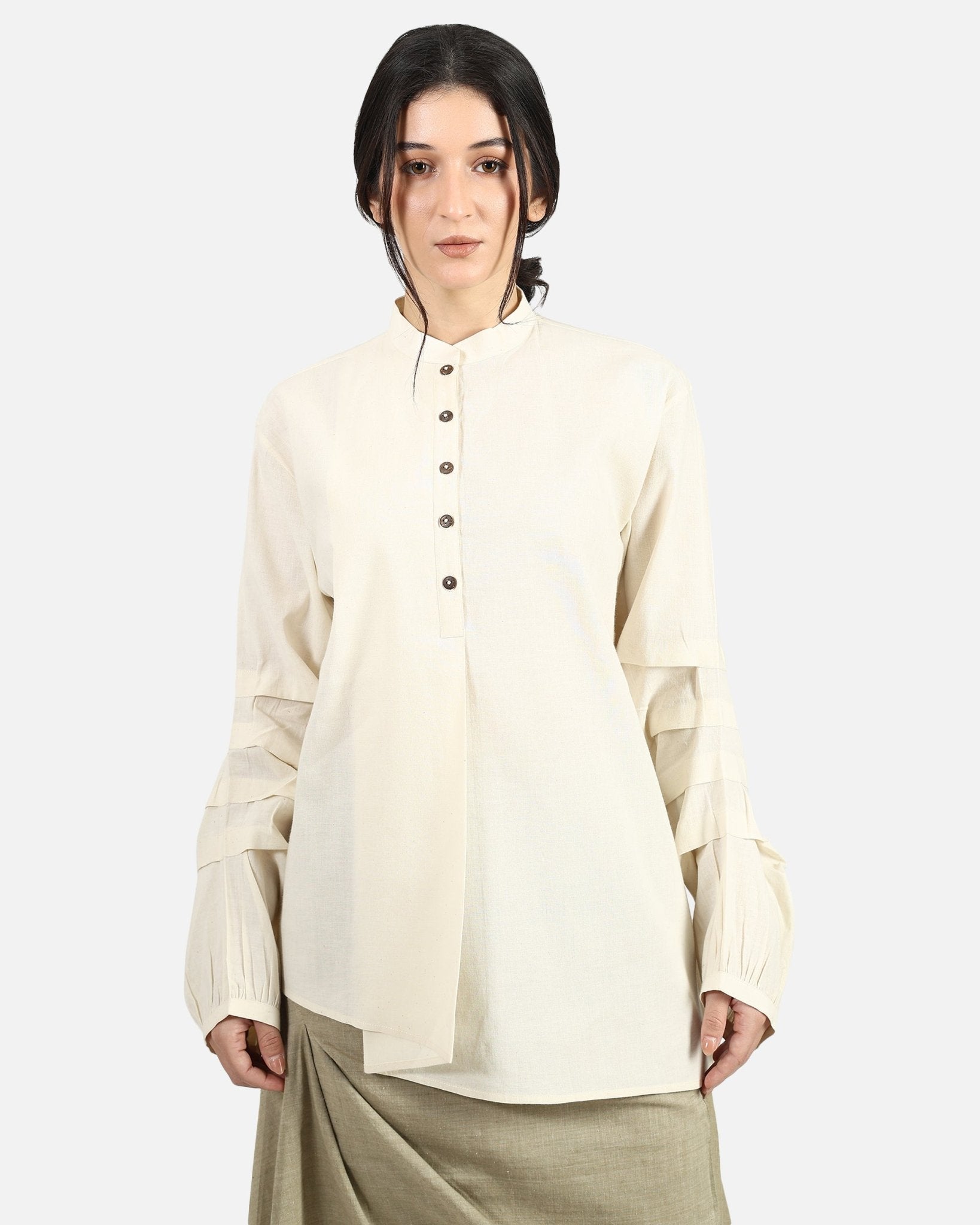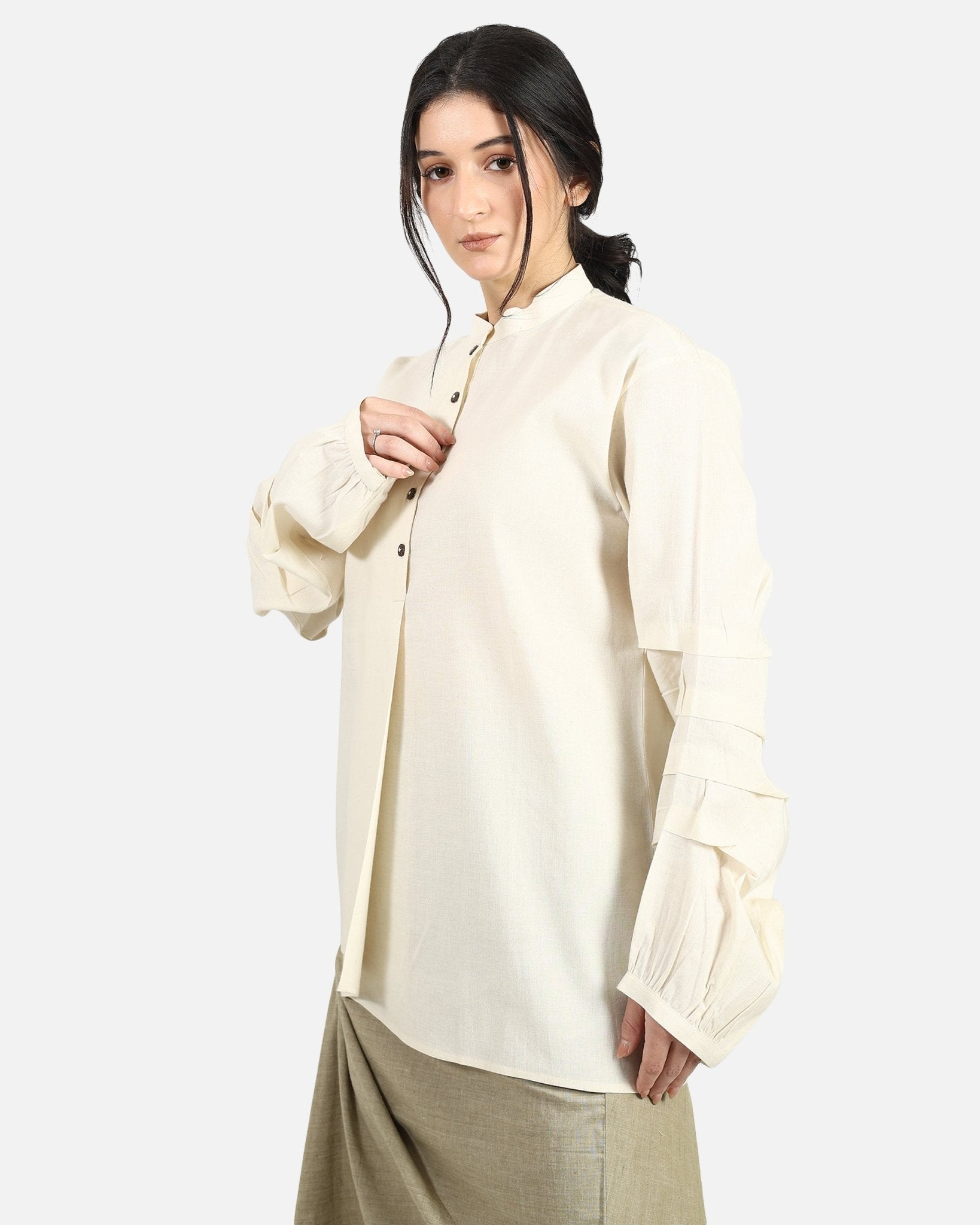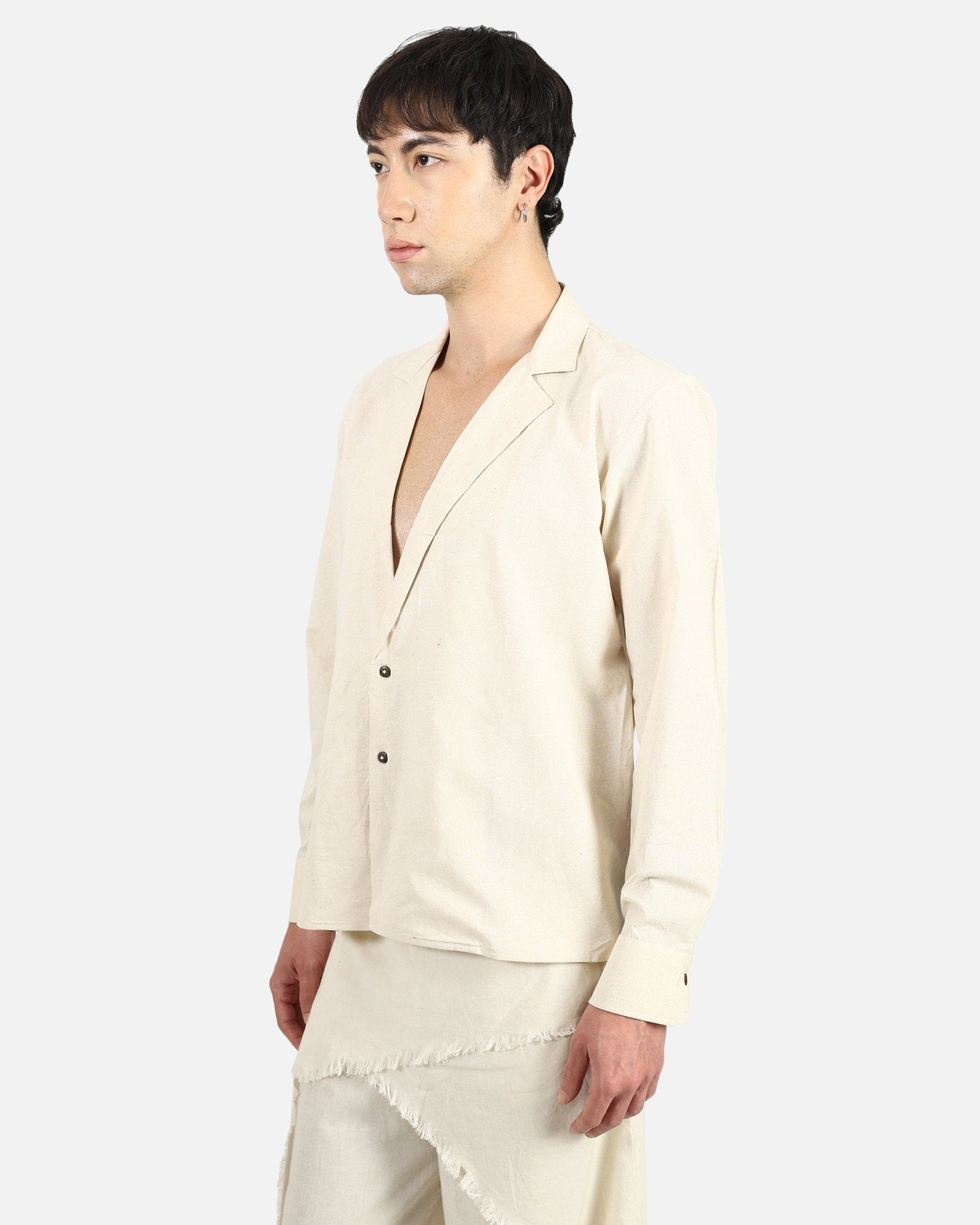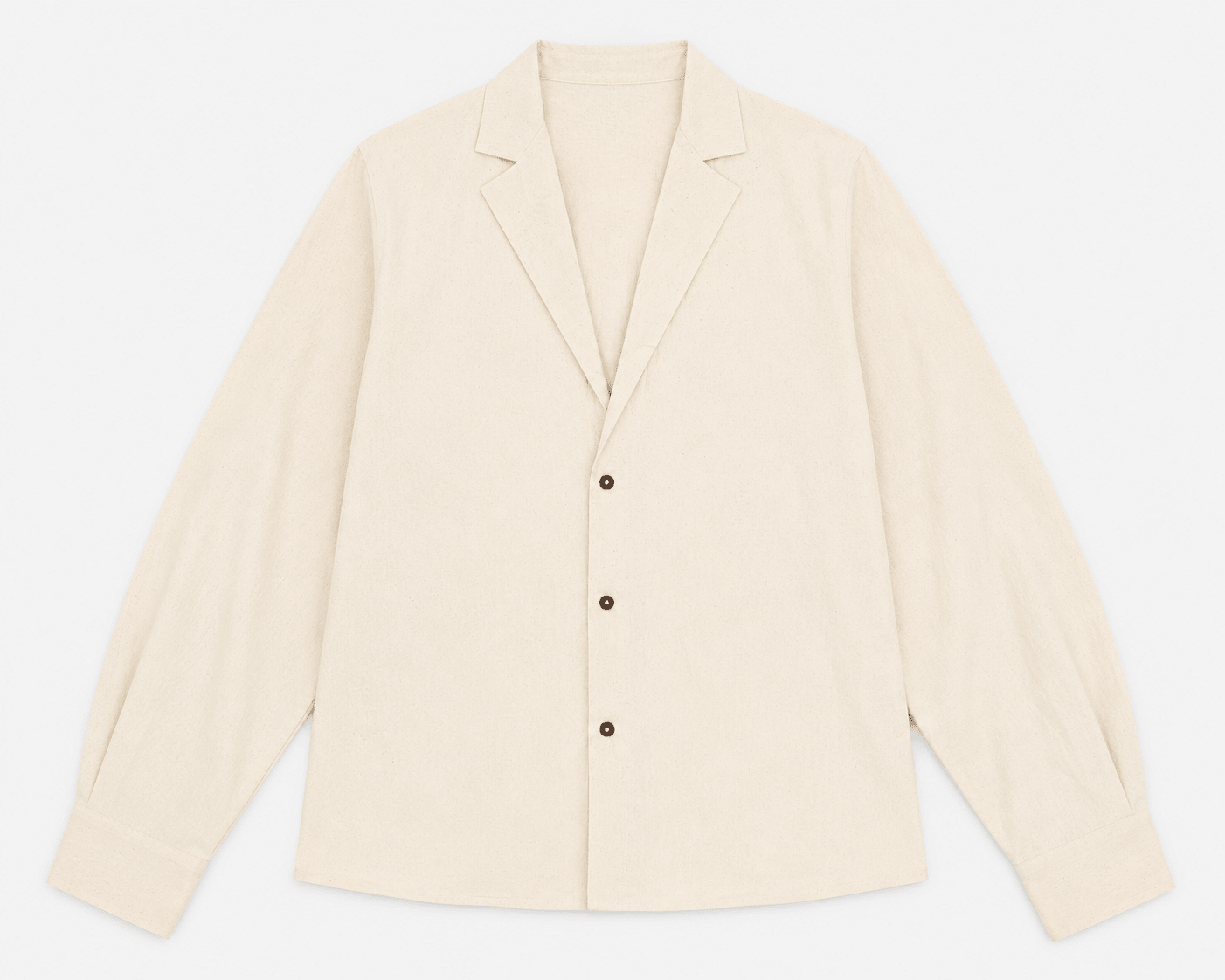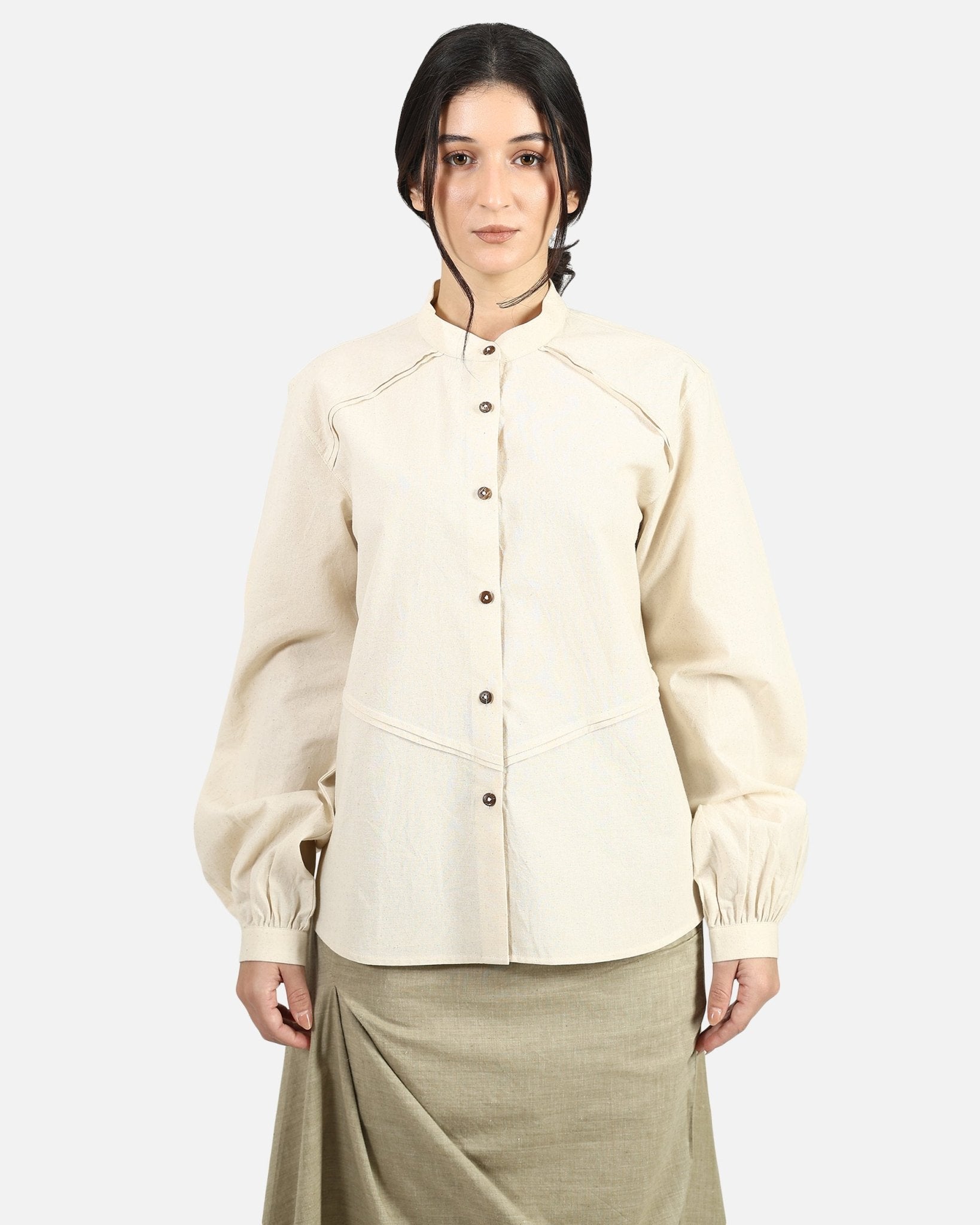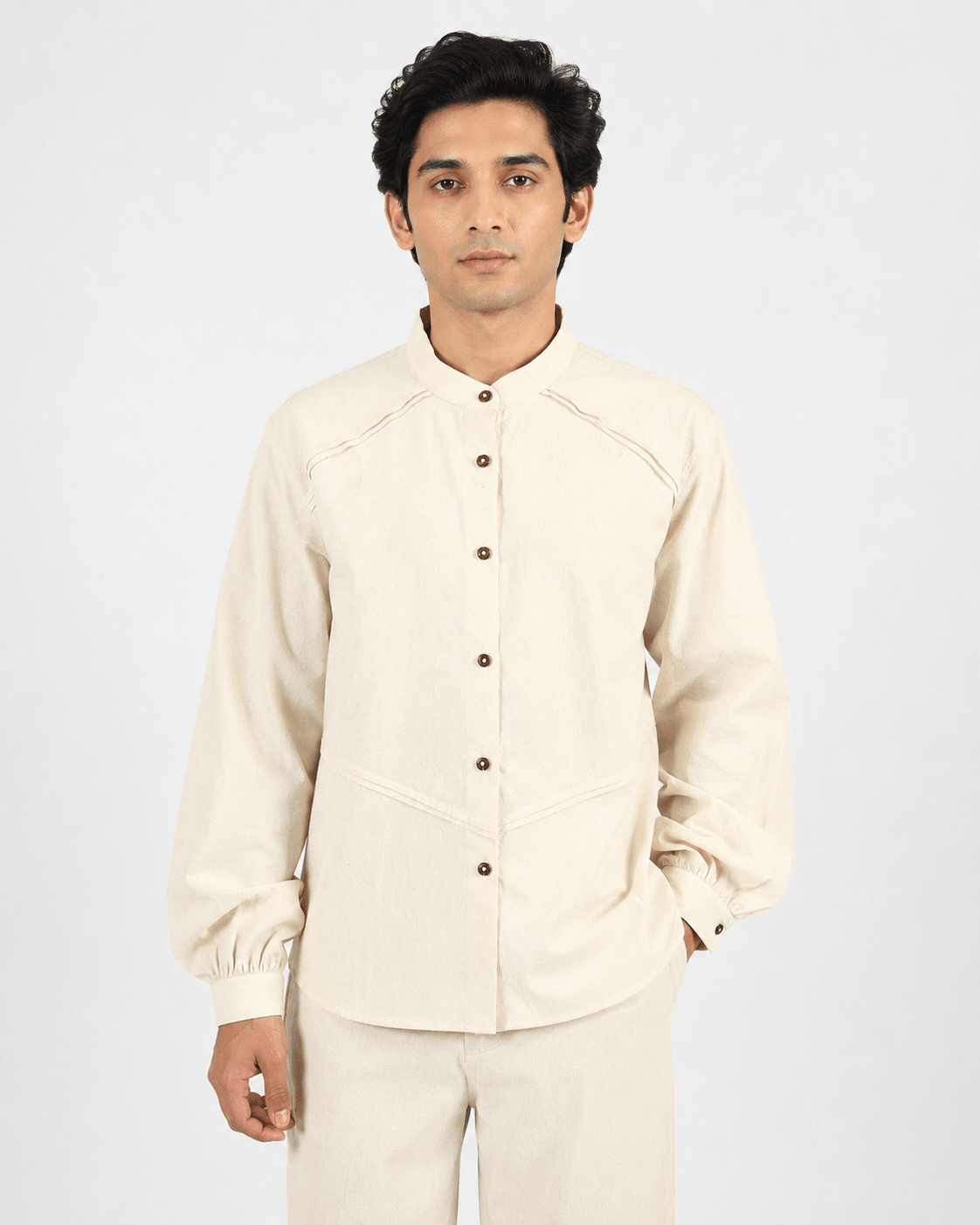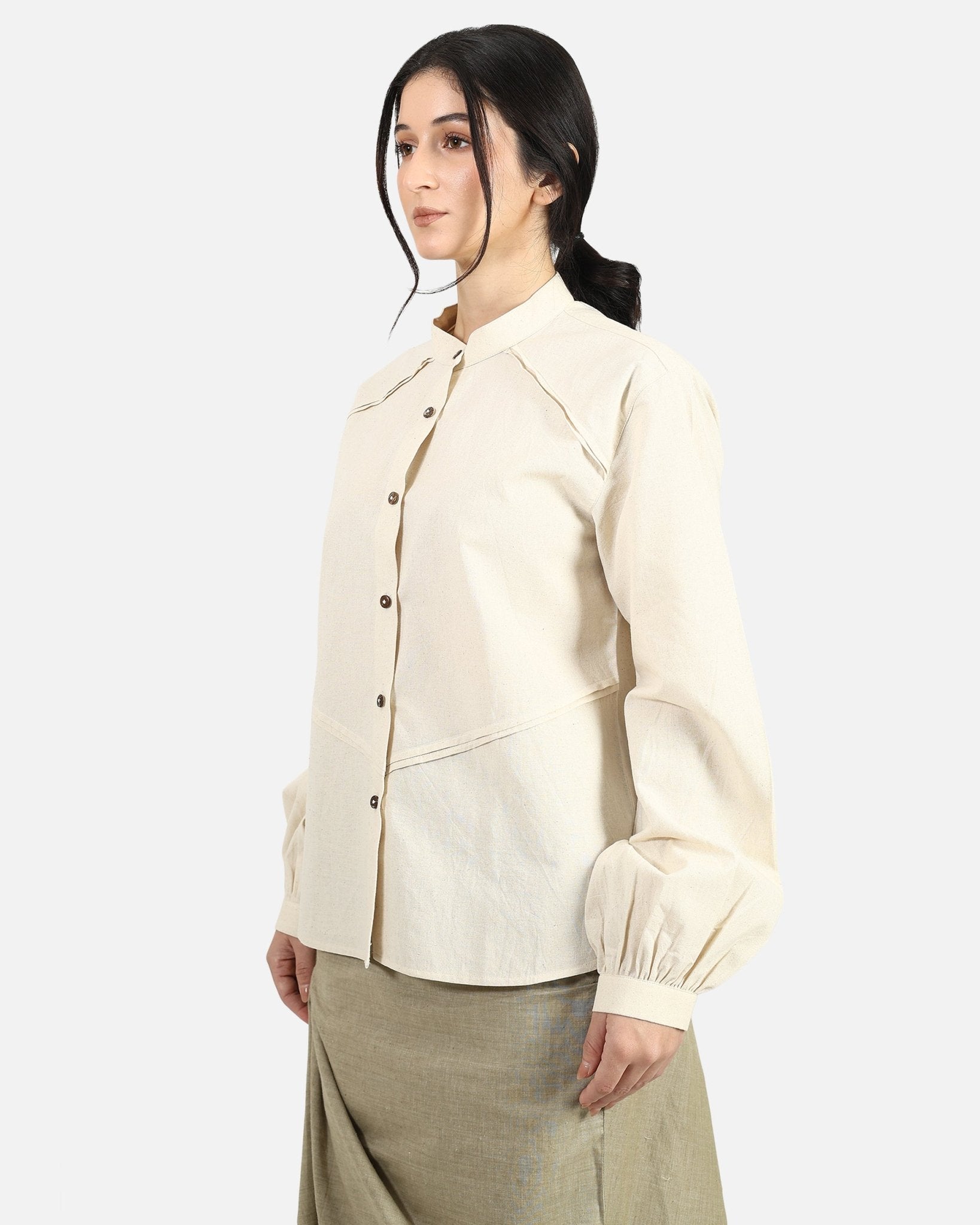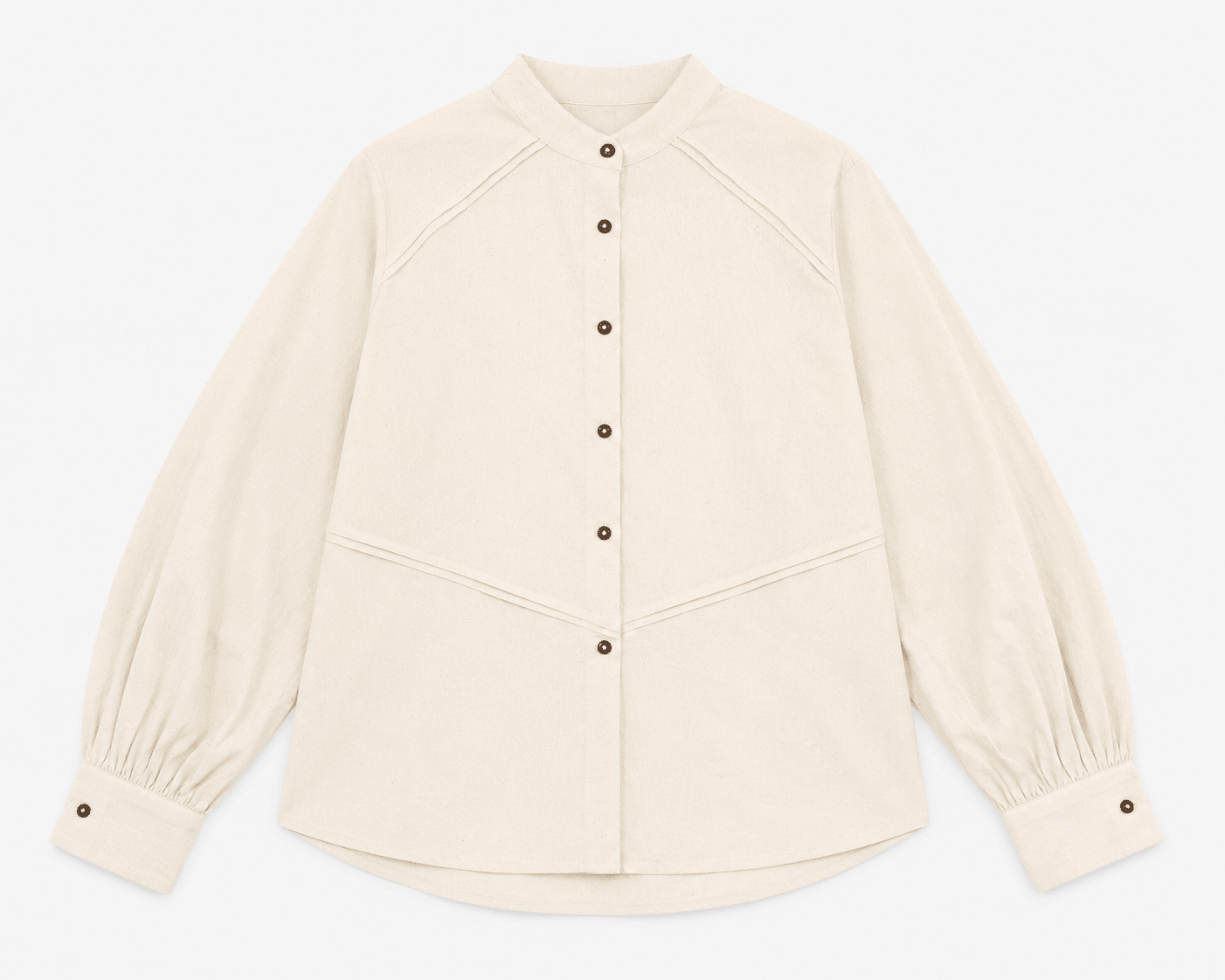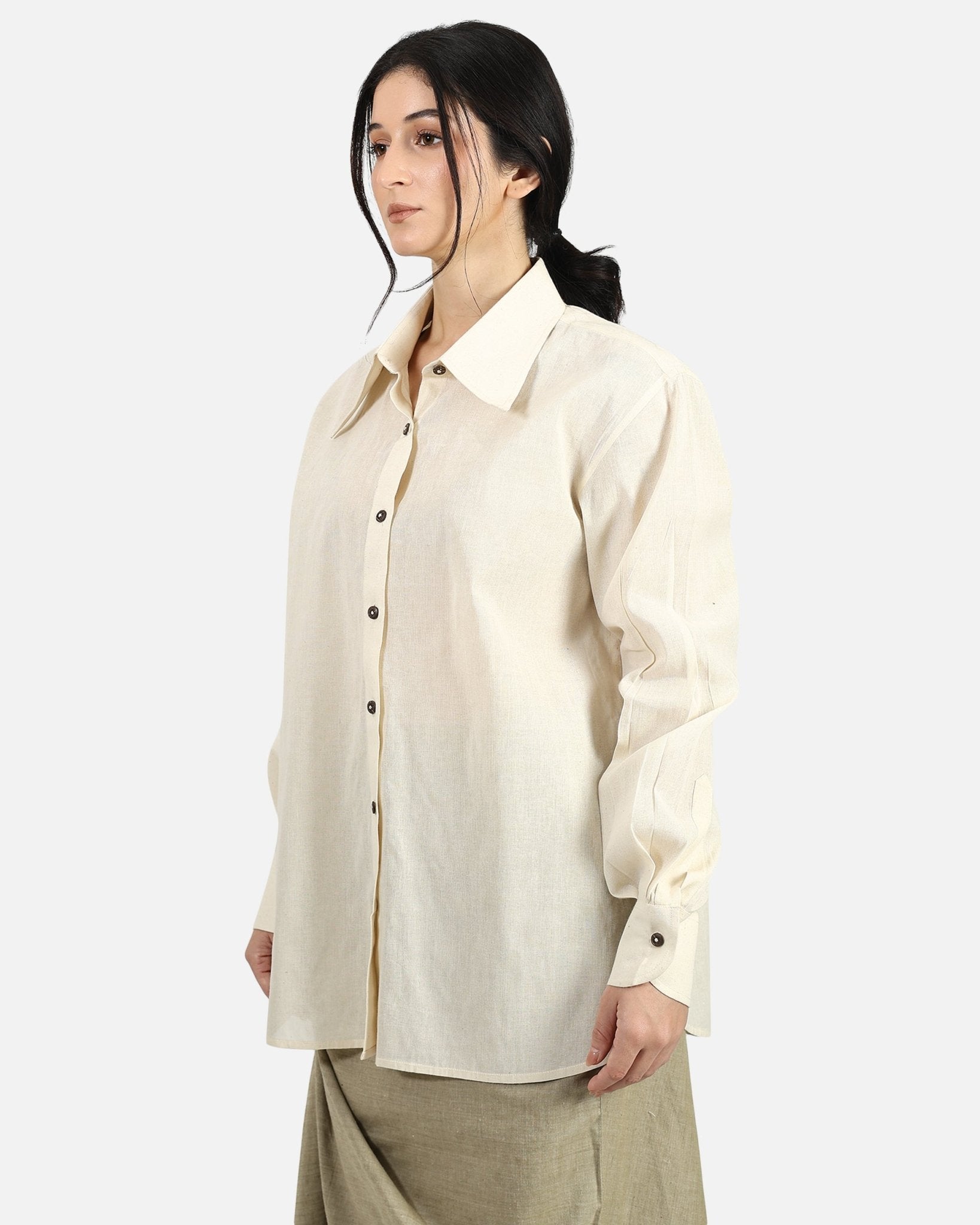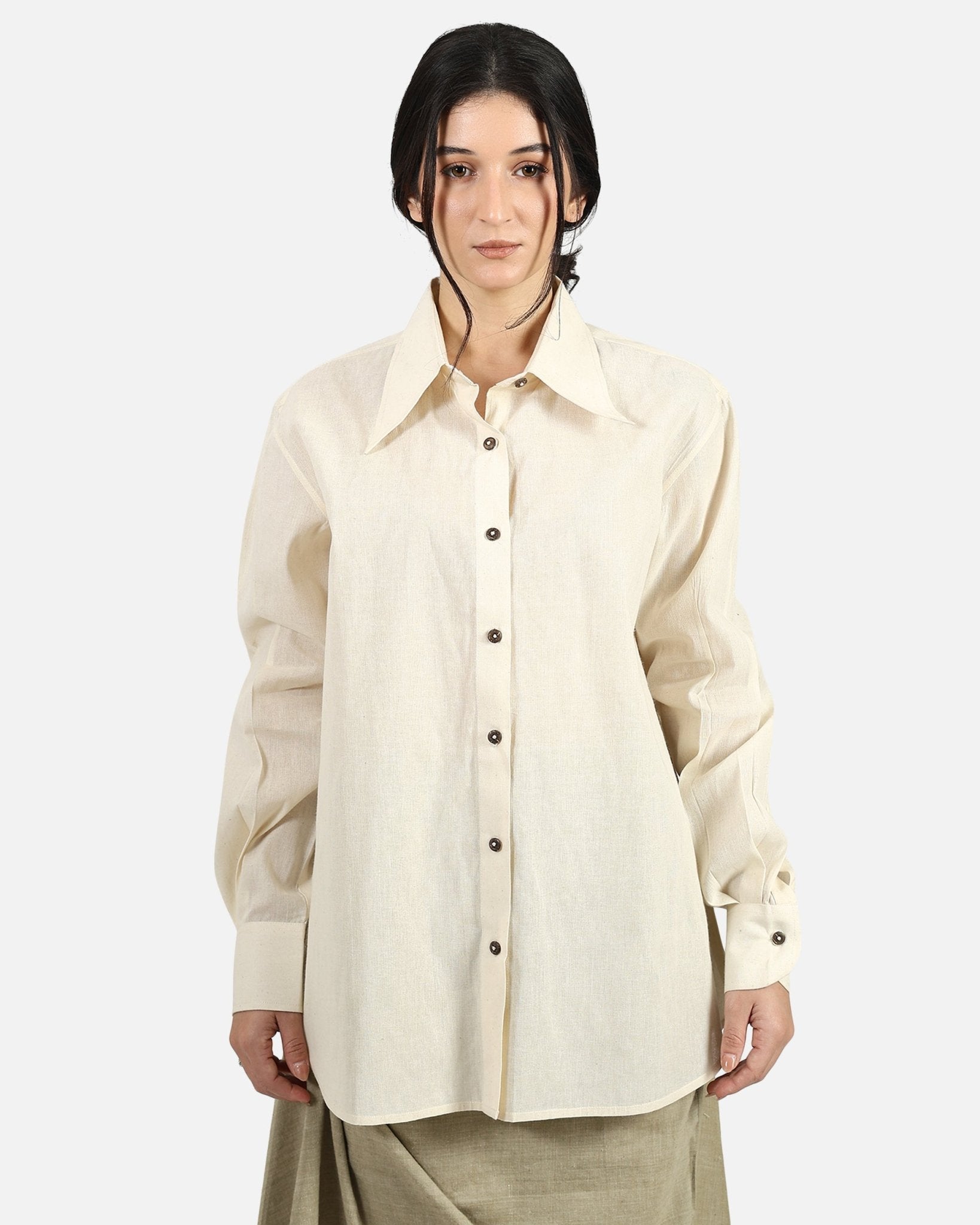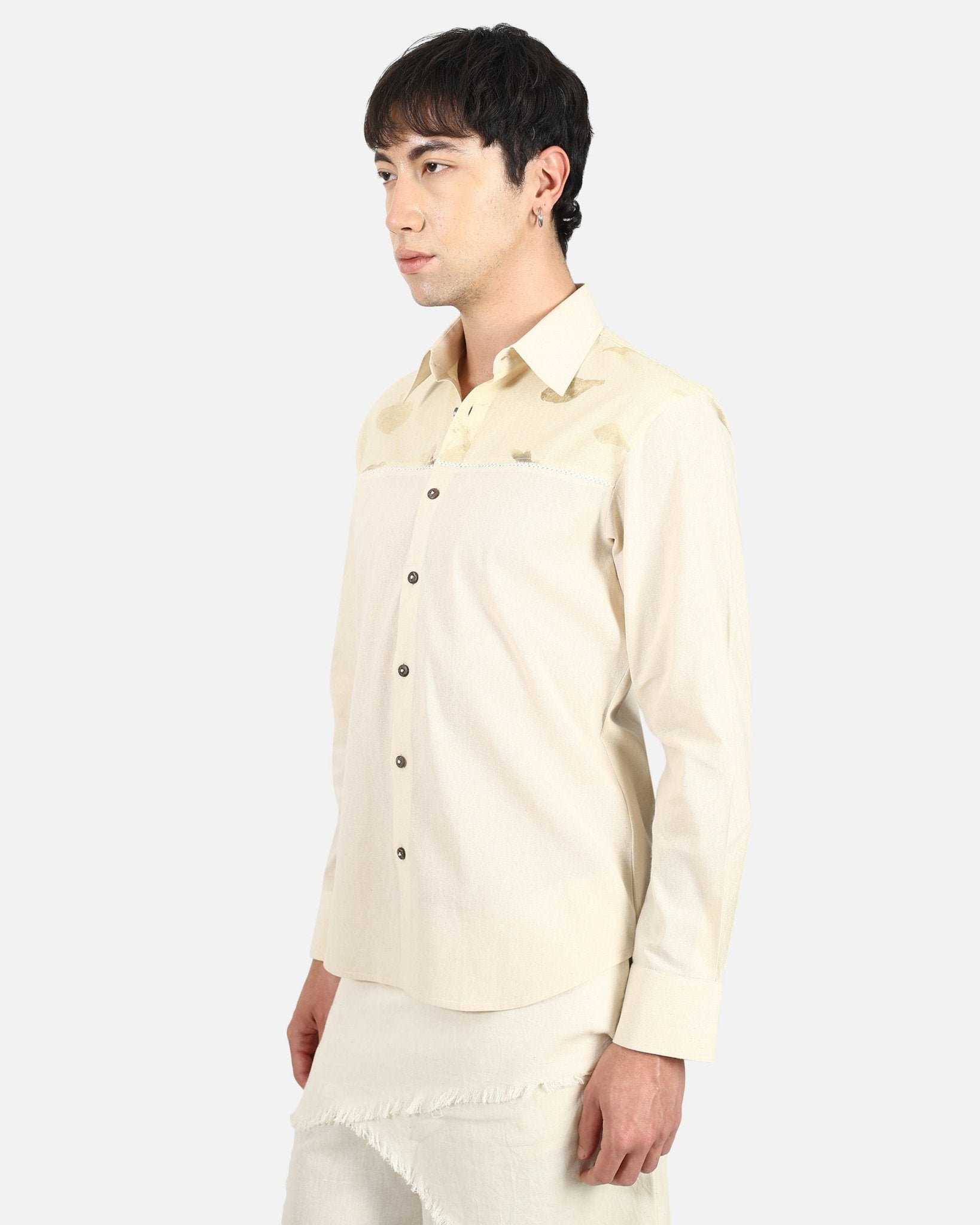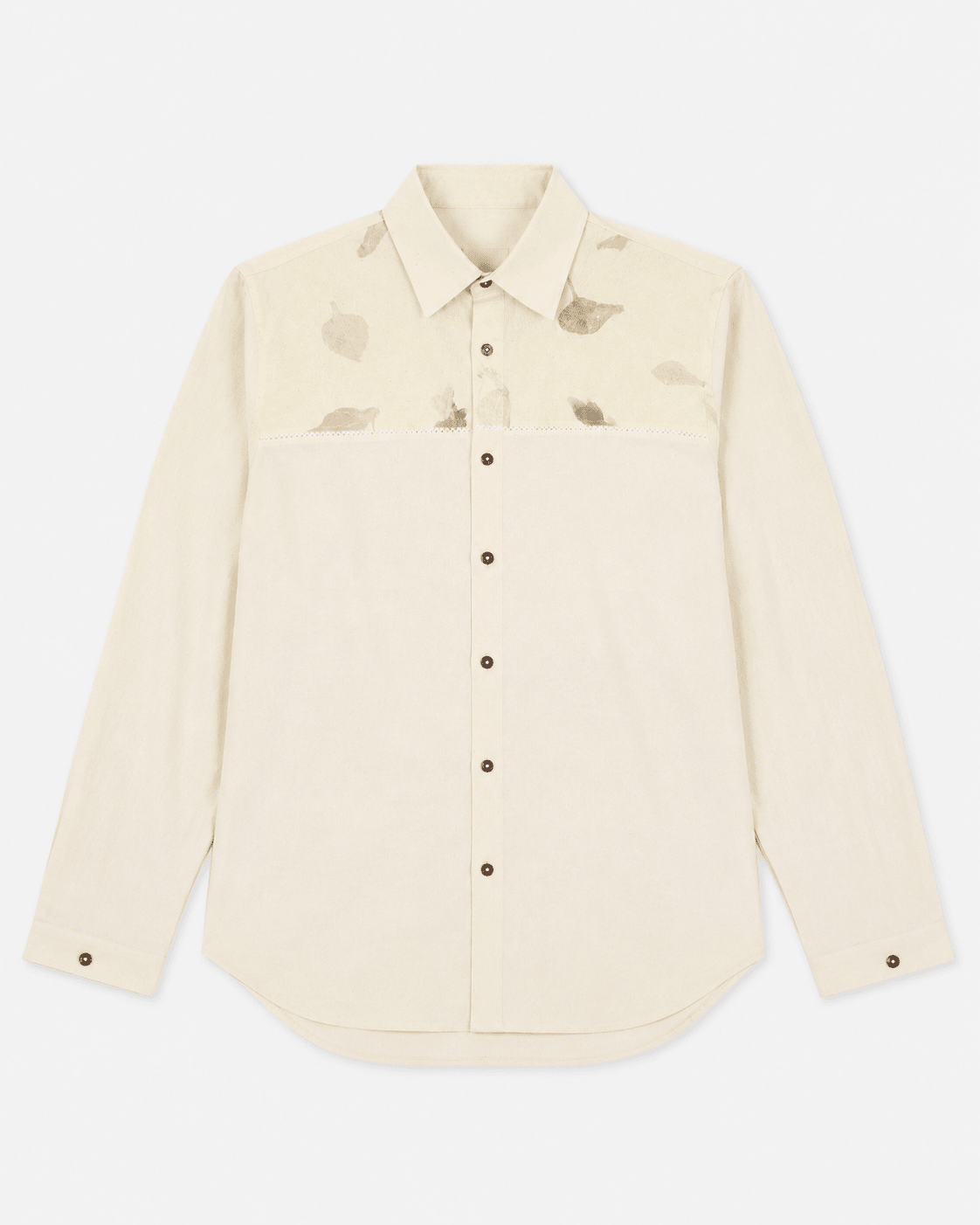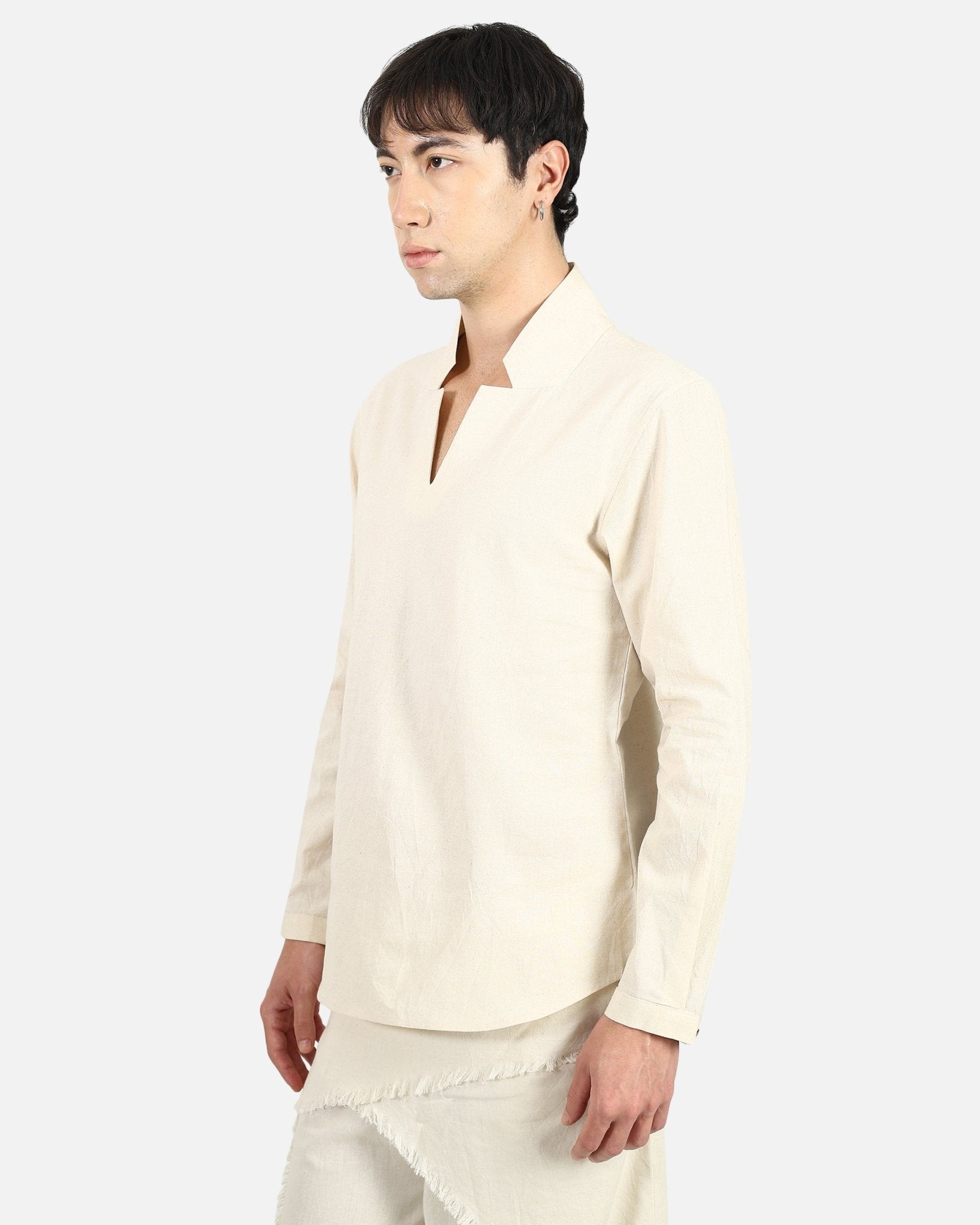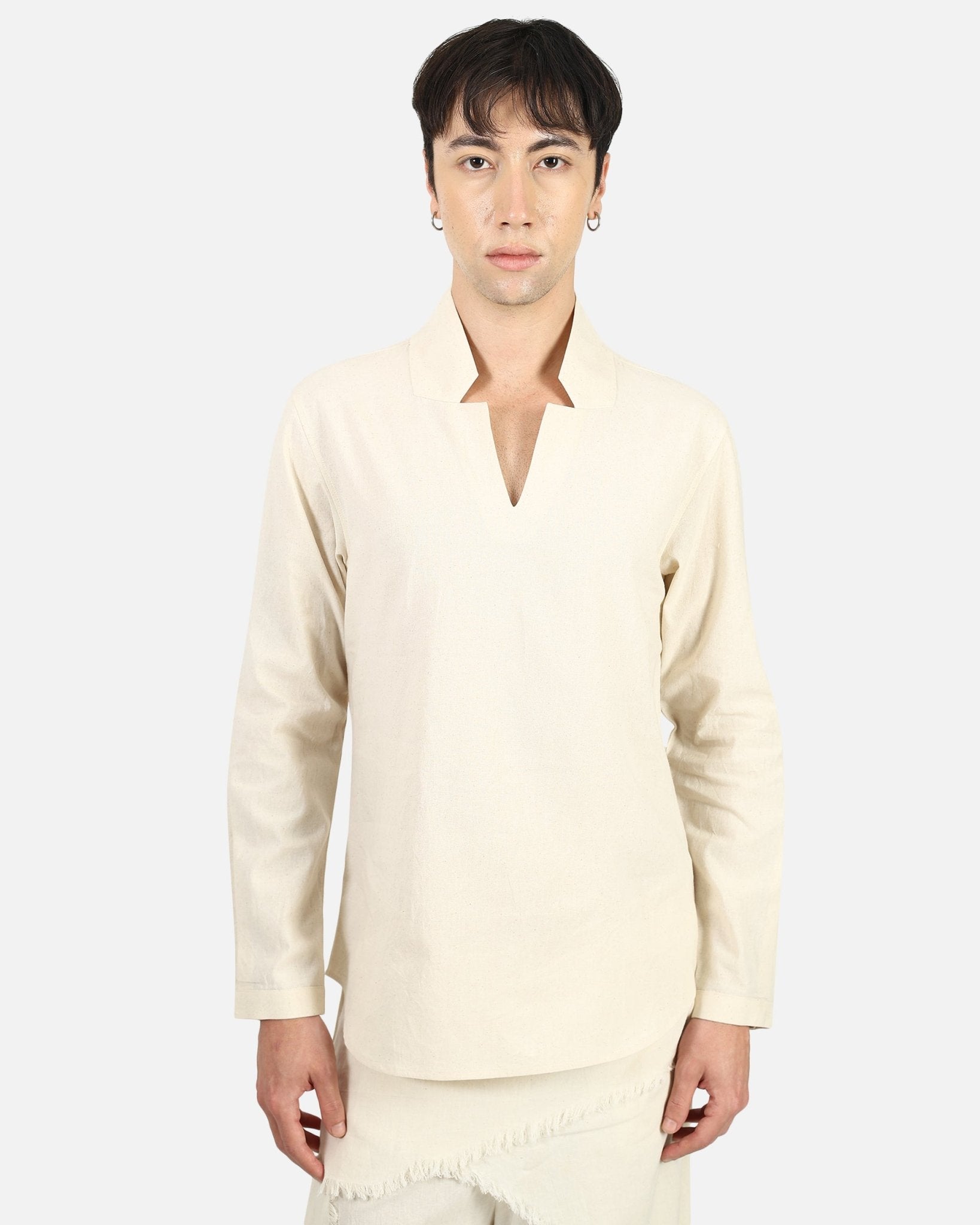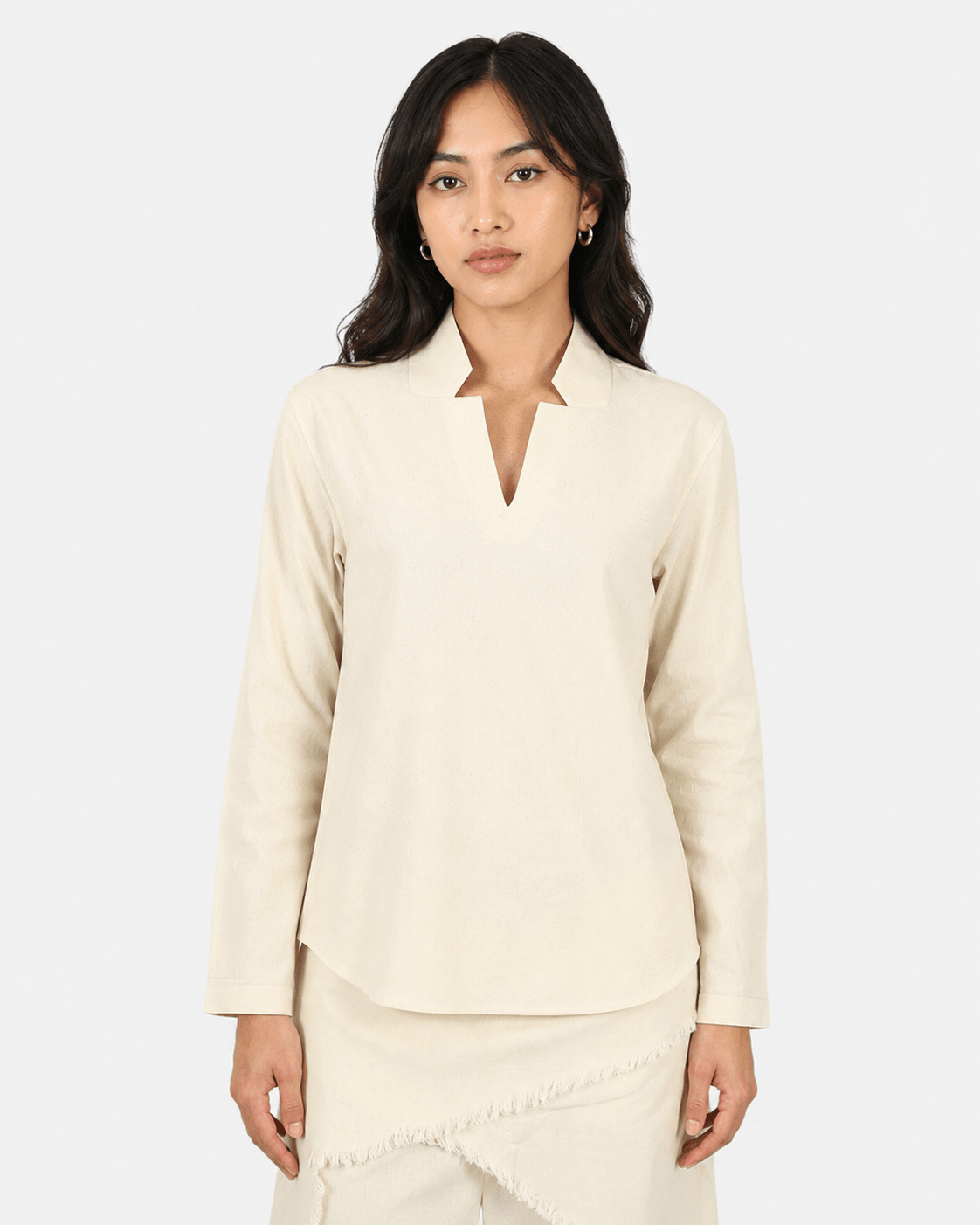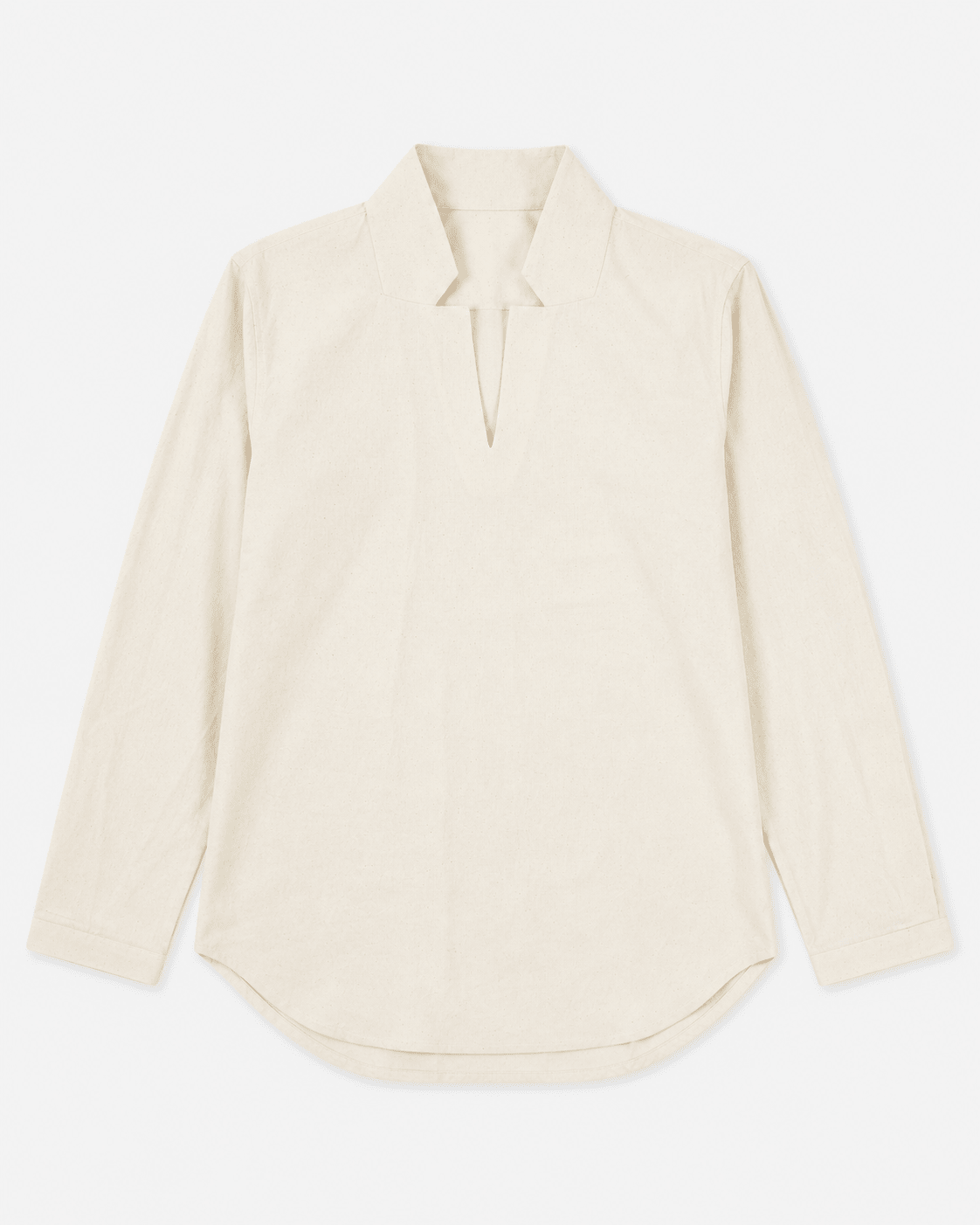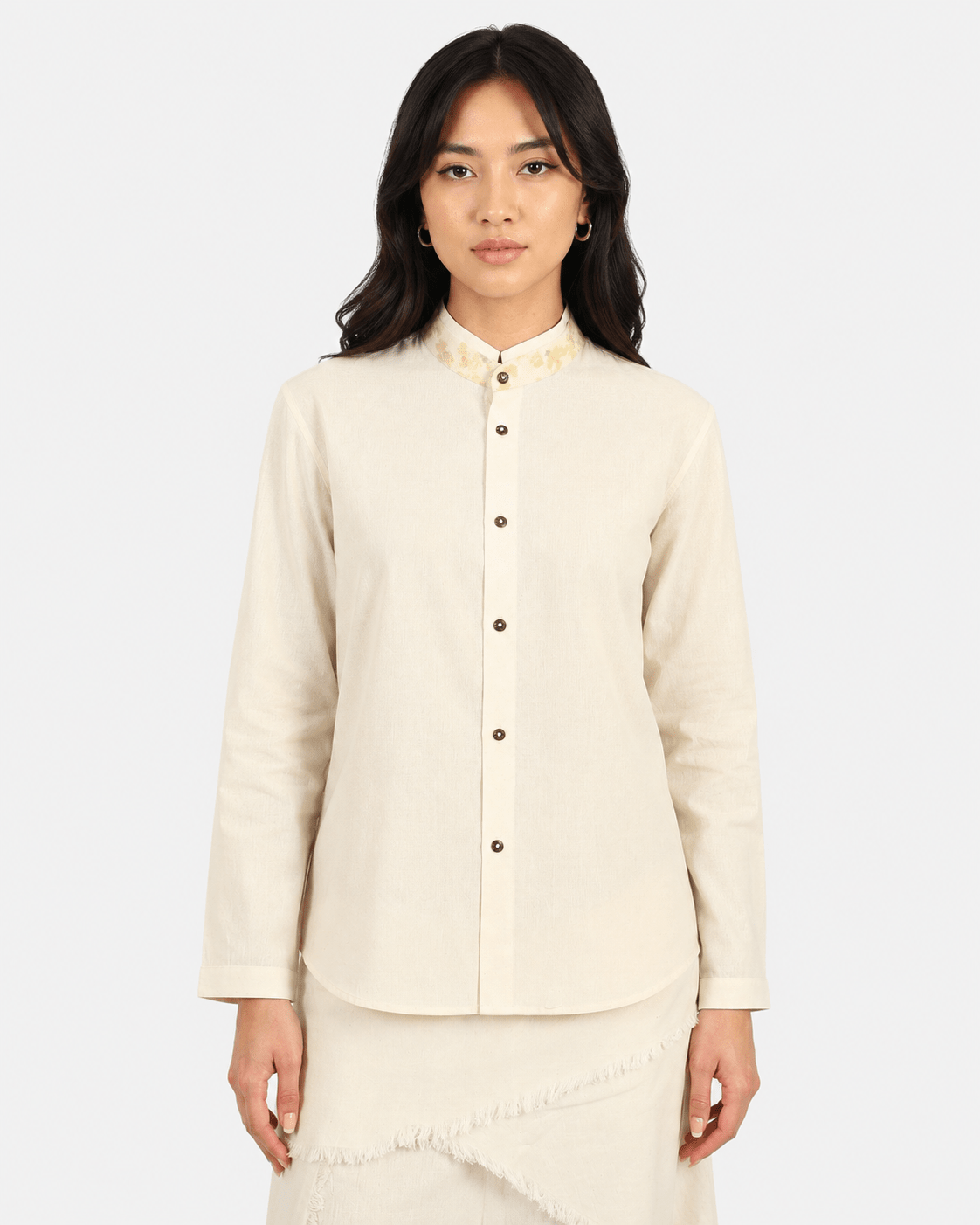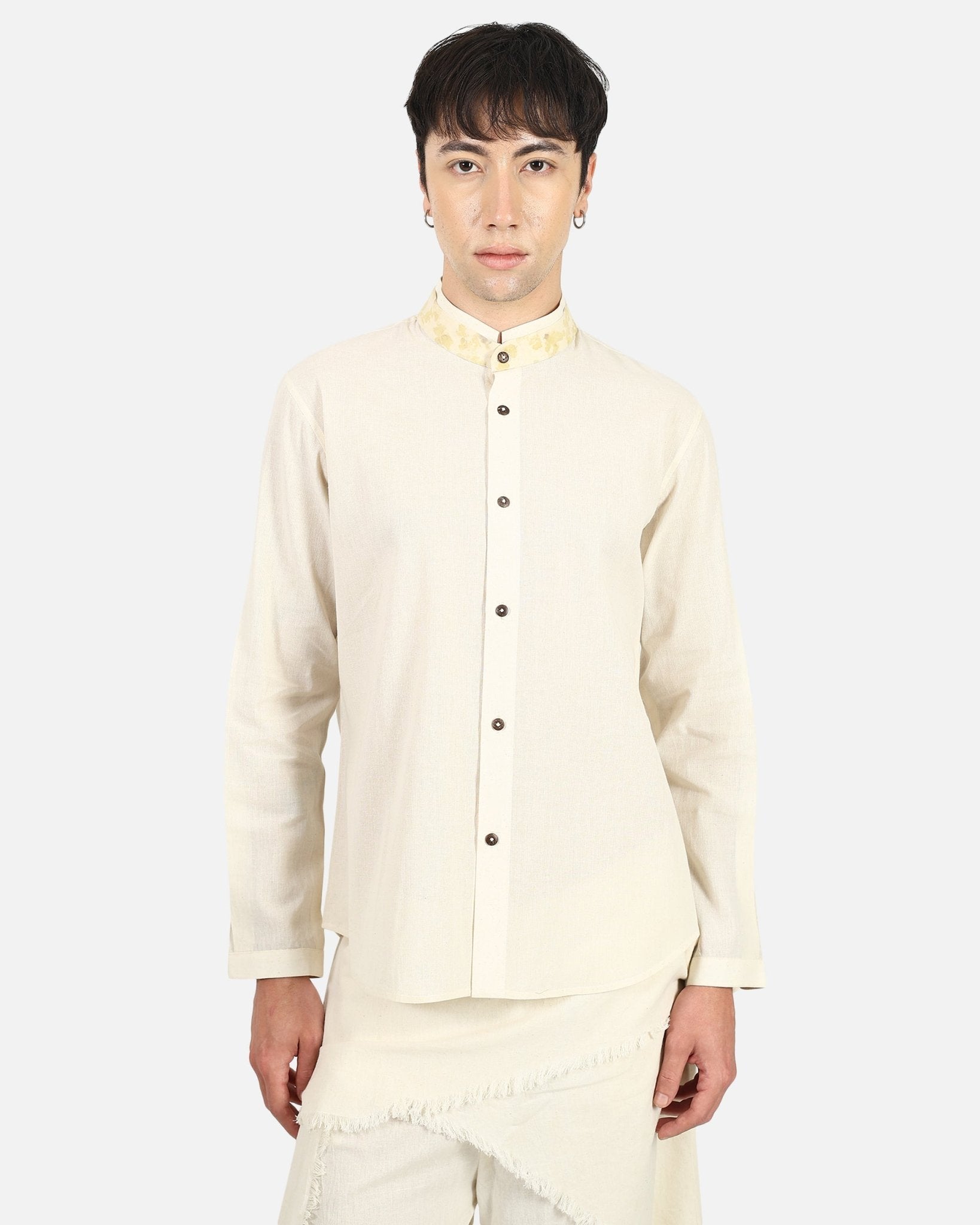

Avartan - Brown Living™

Avartan

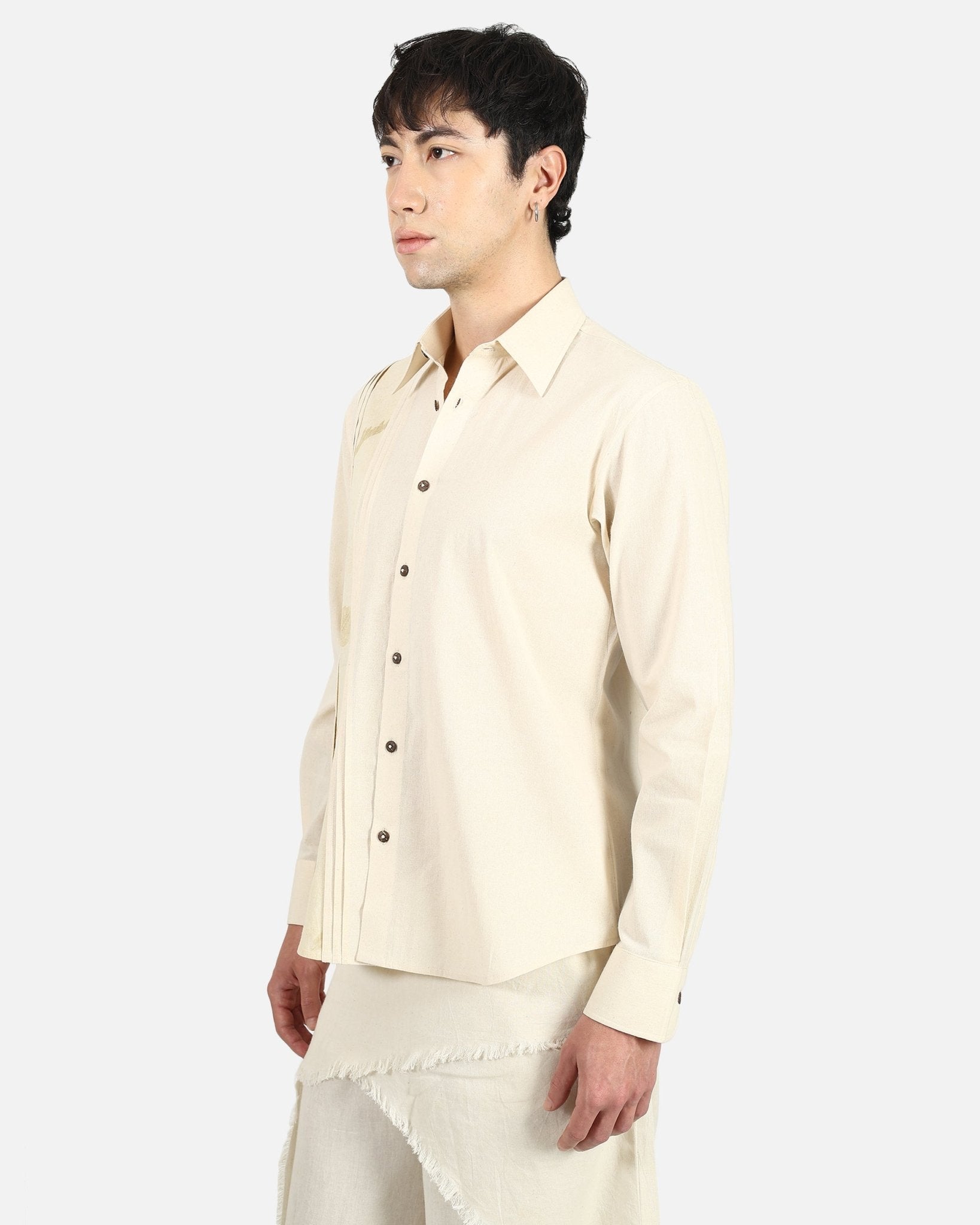
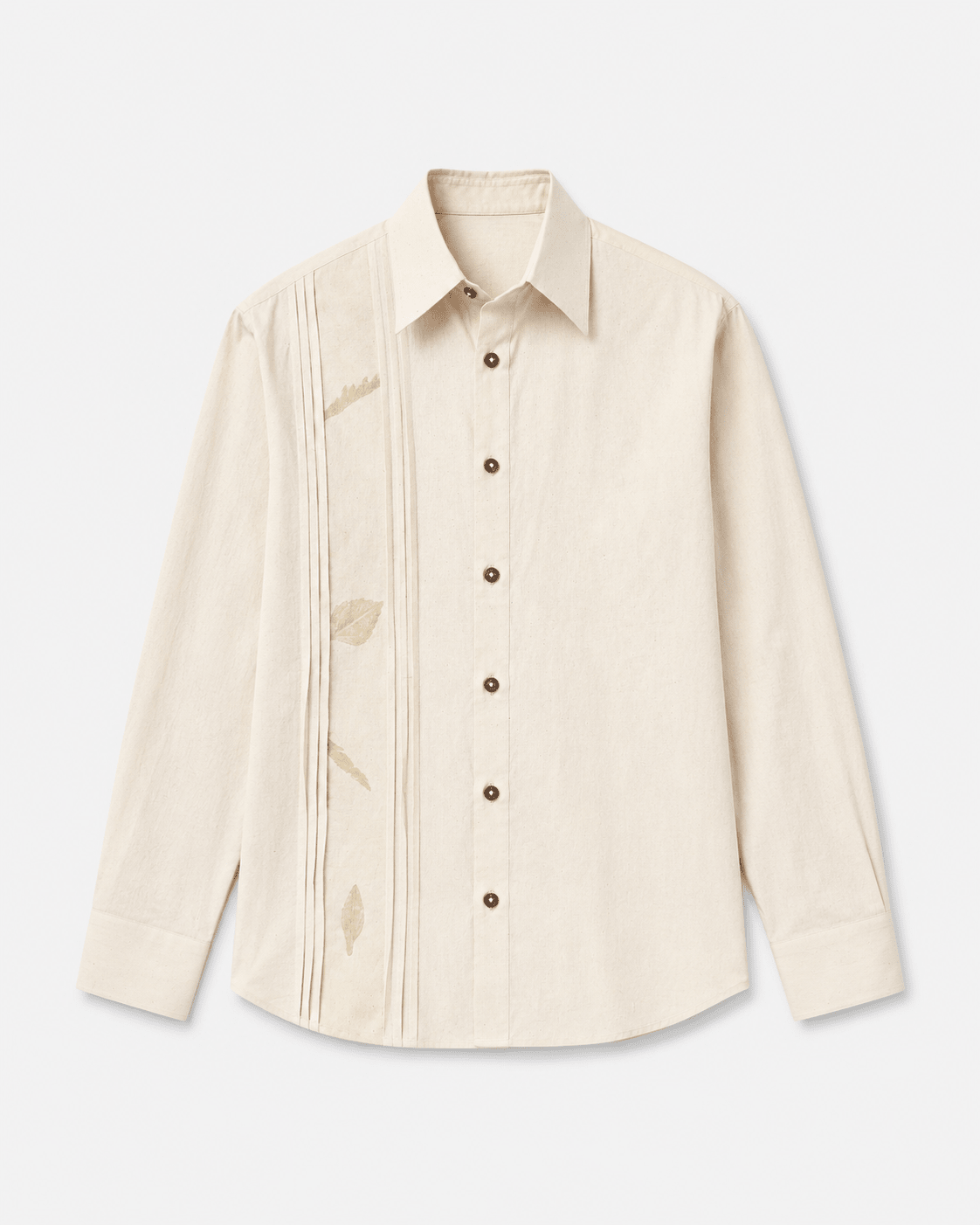
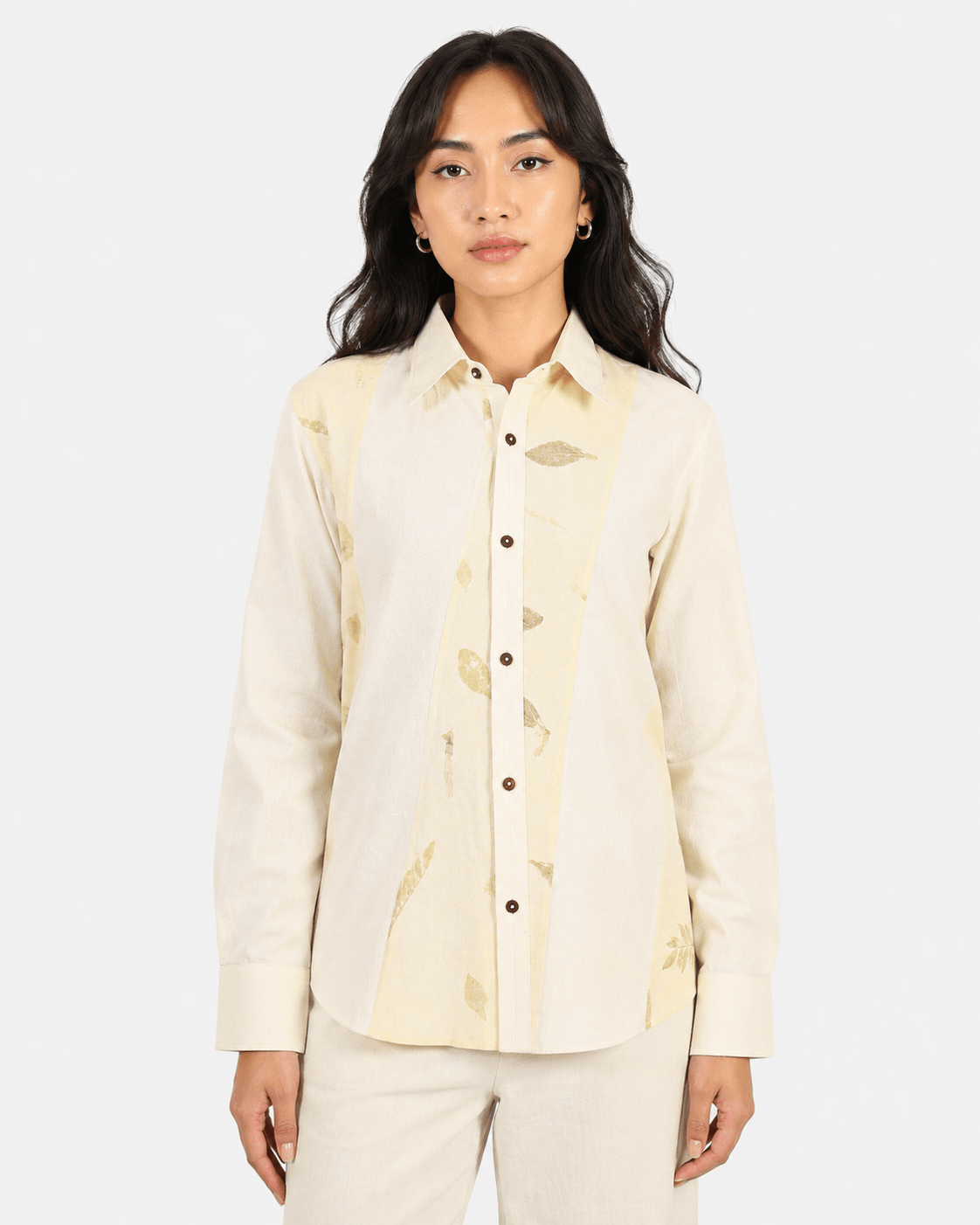
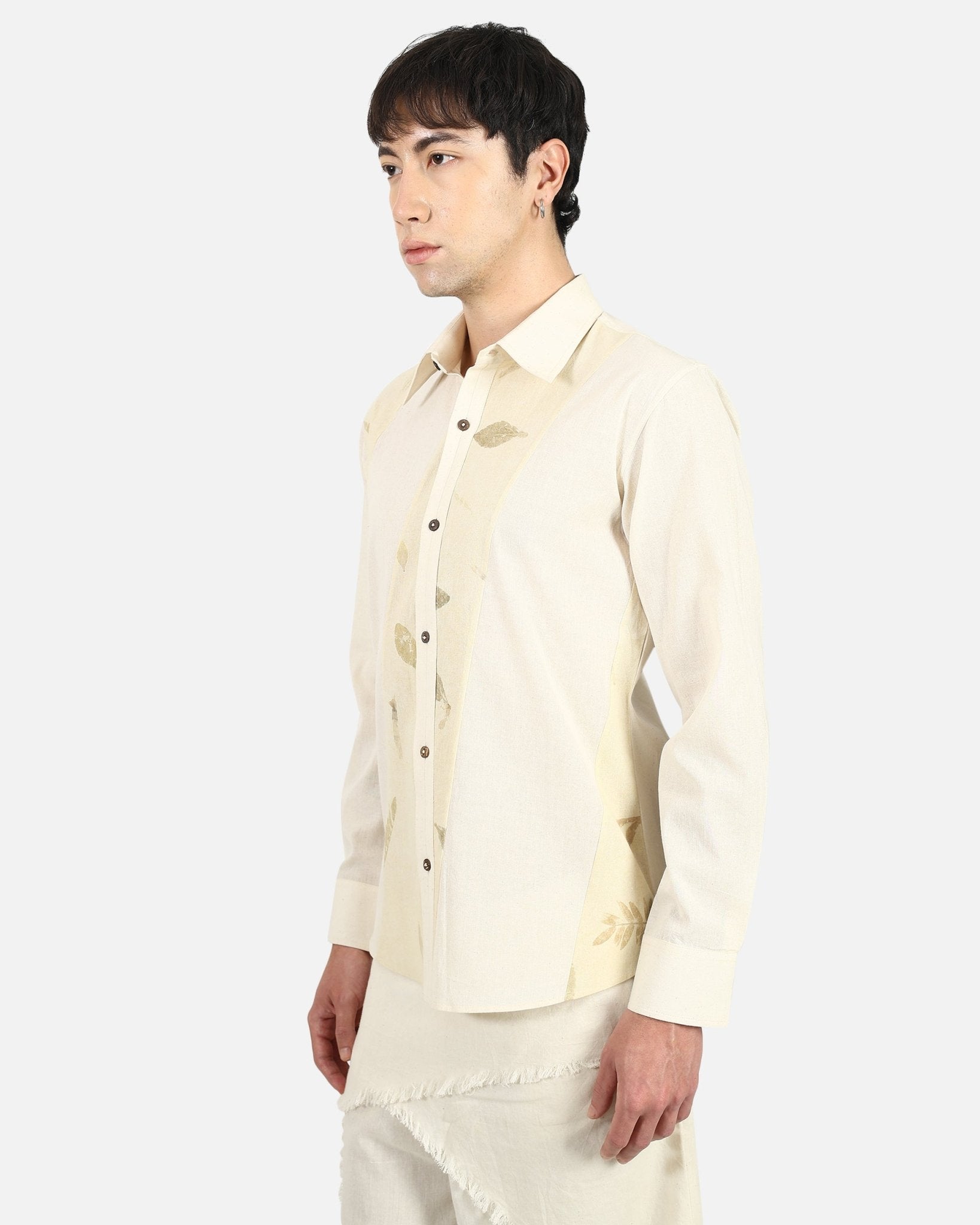
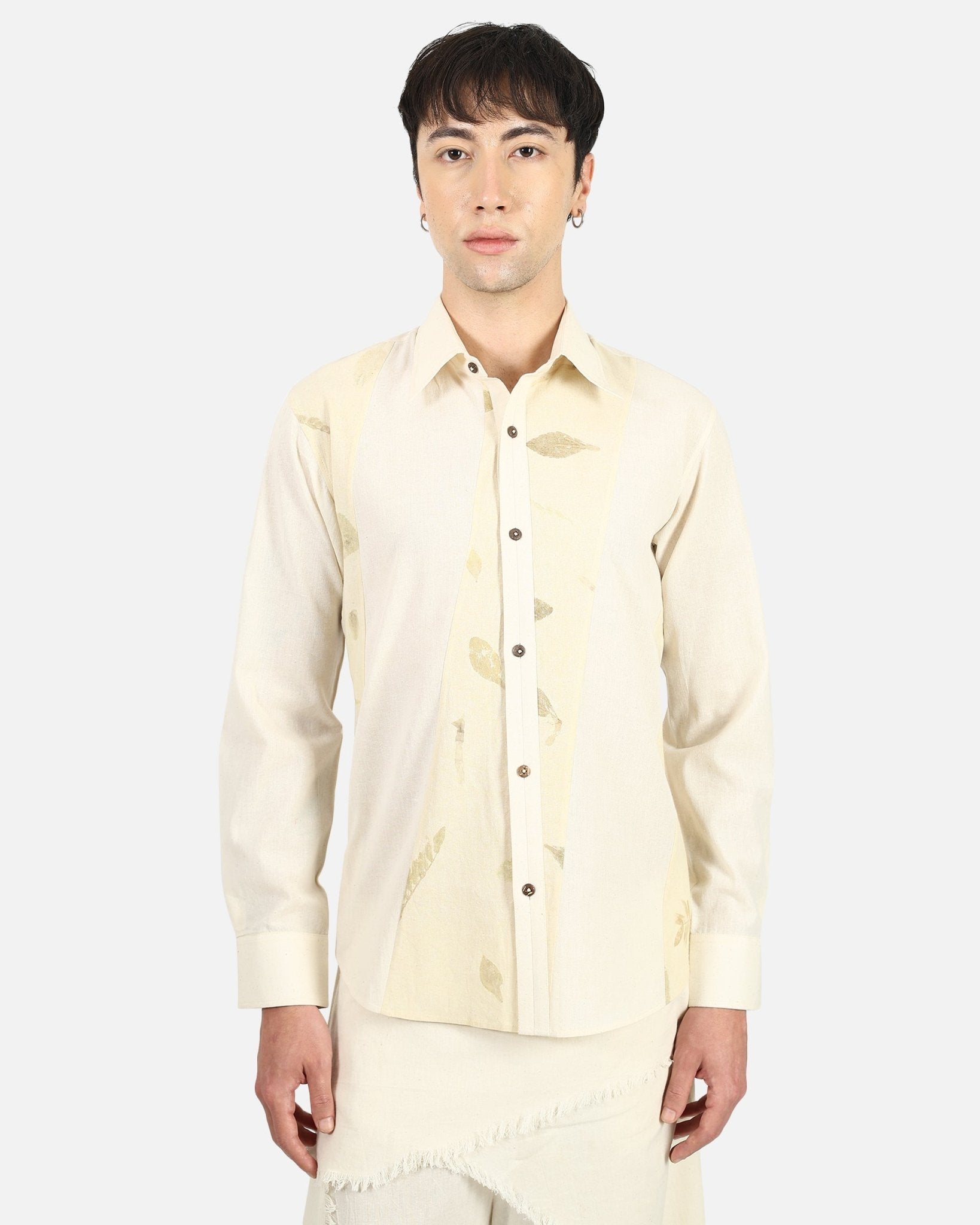
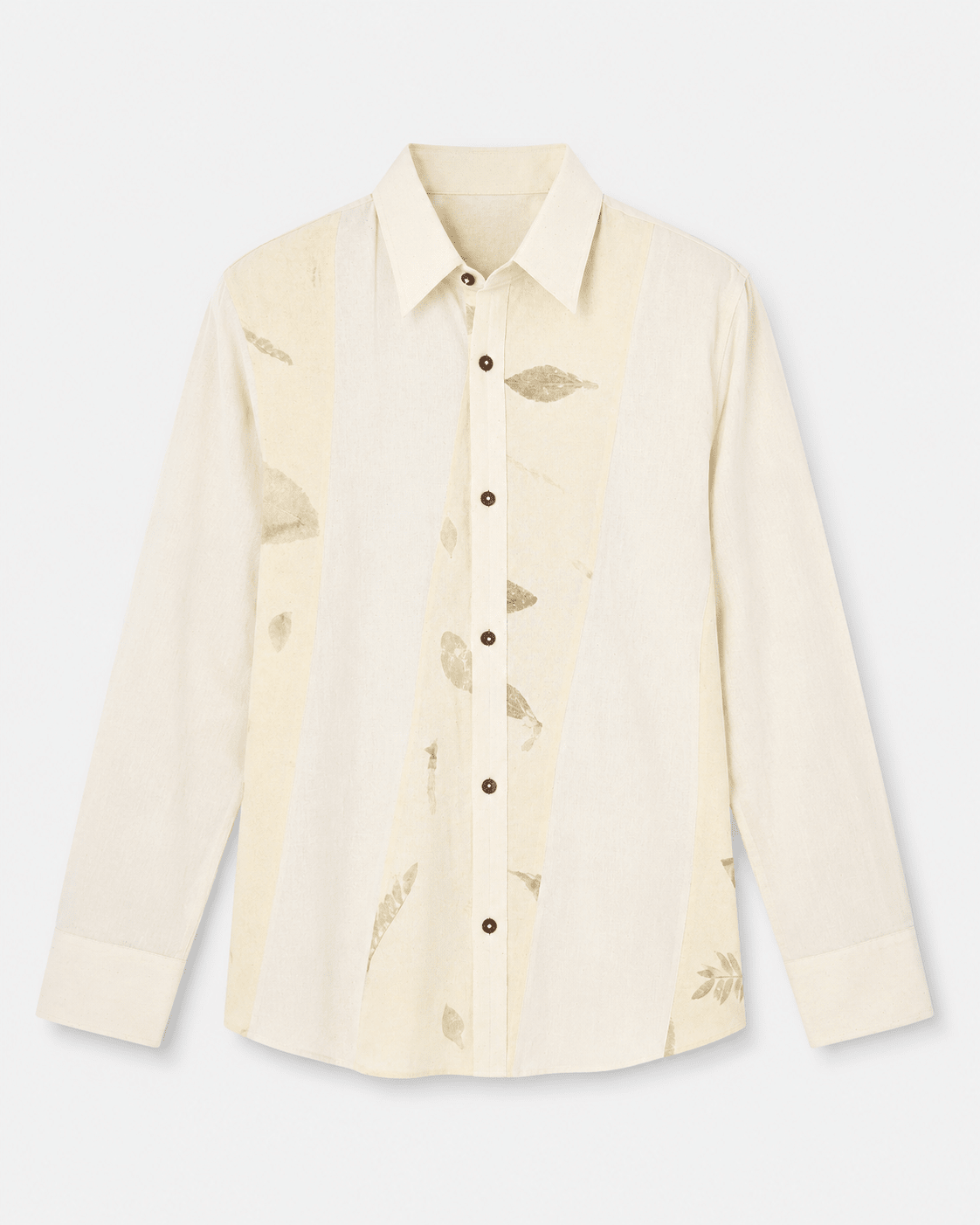
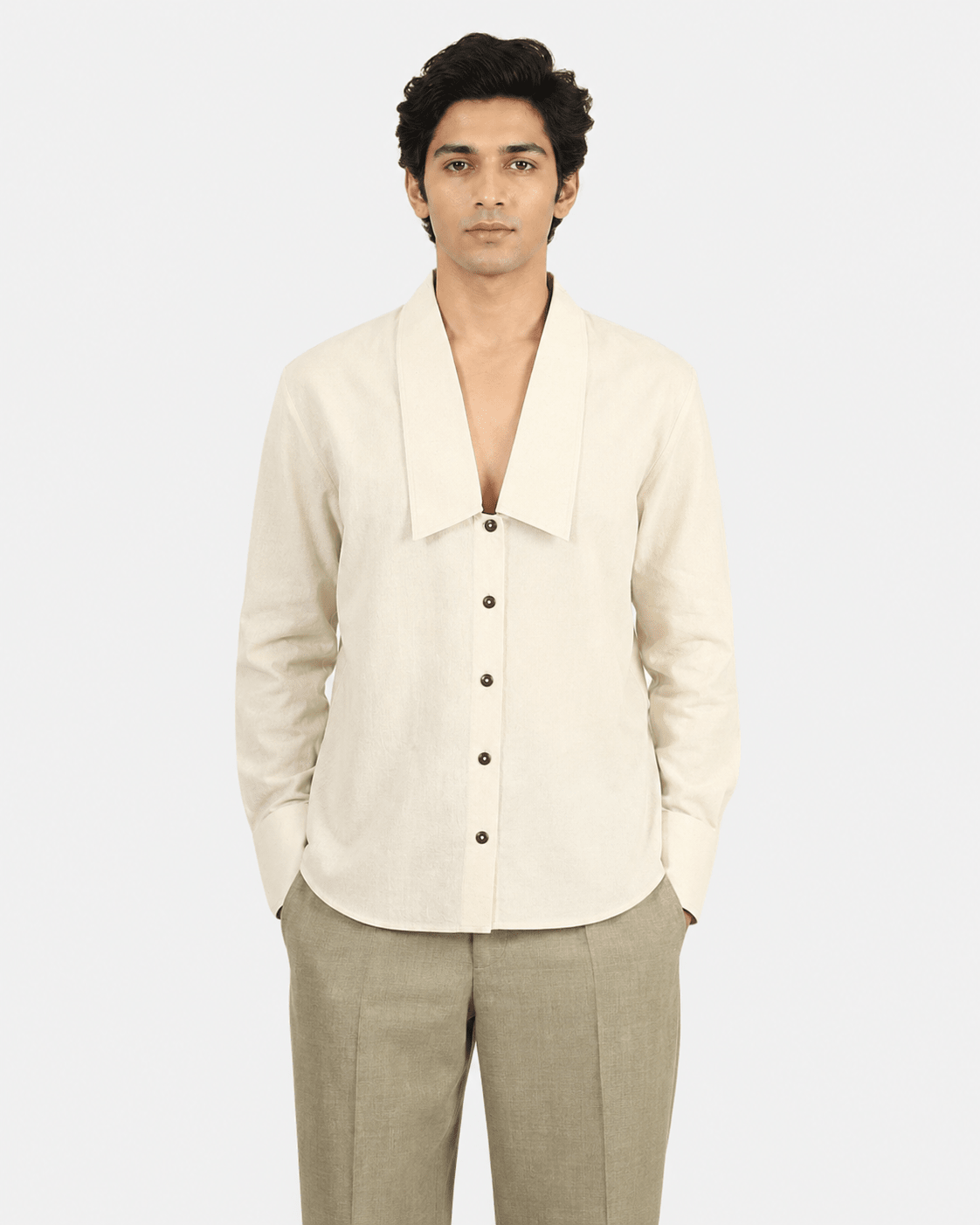
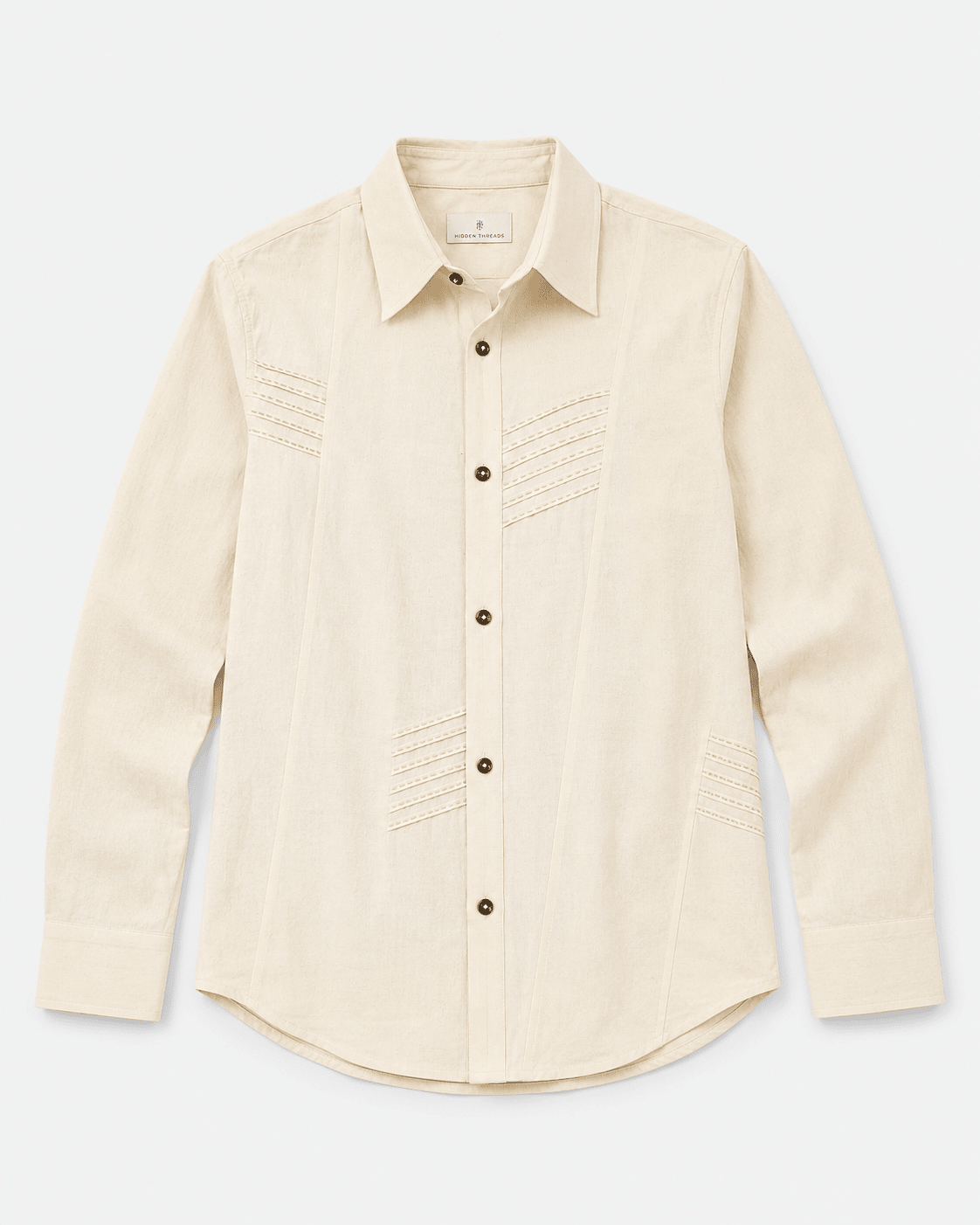
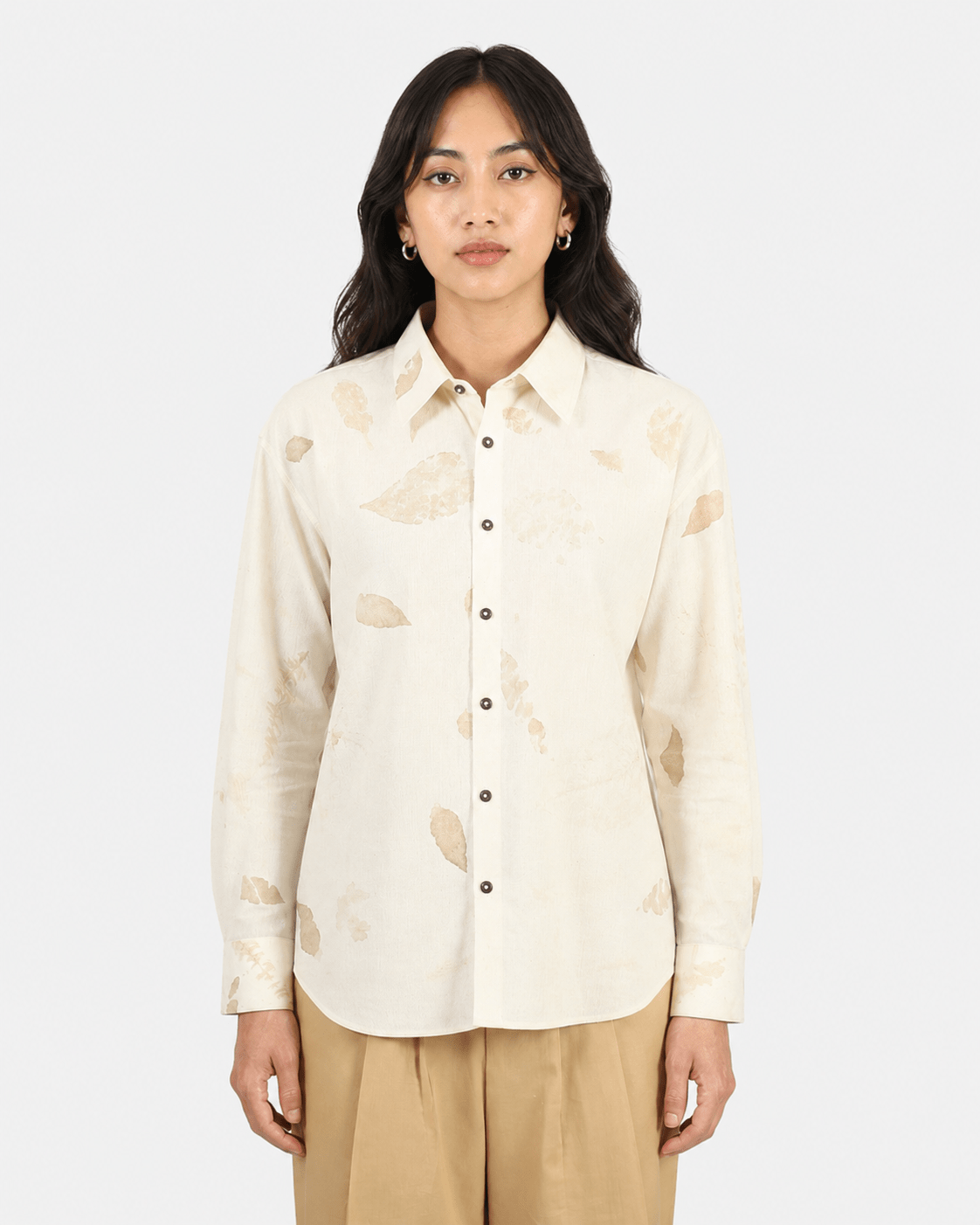
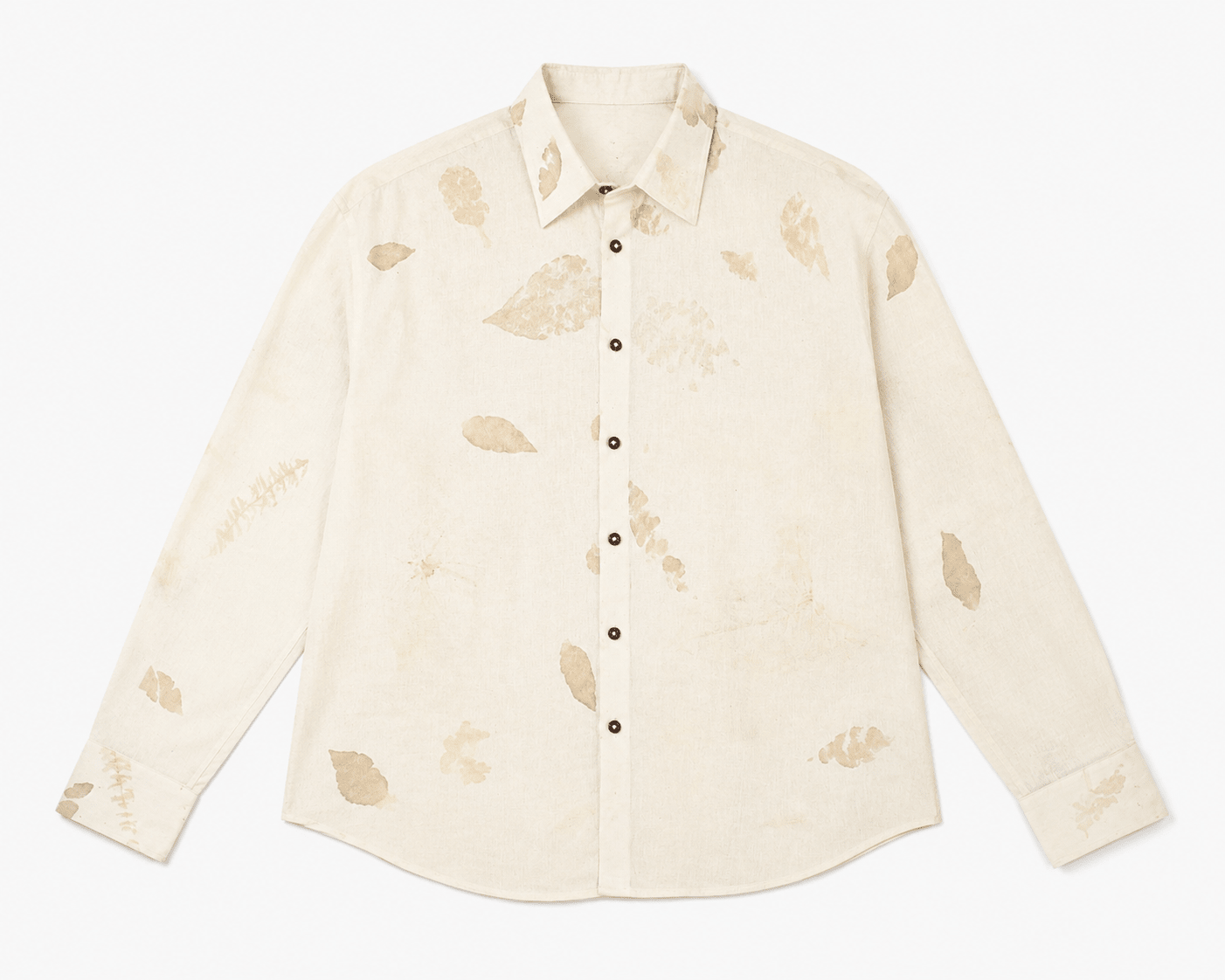
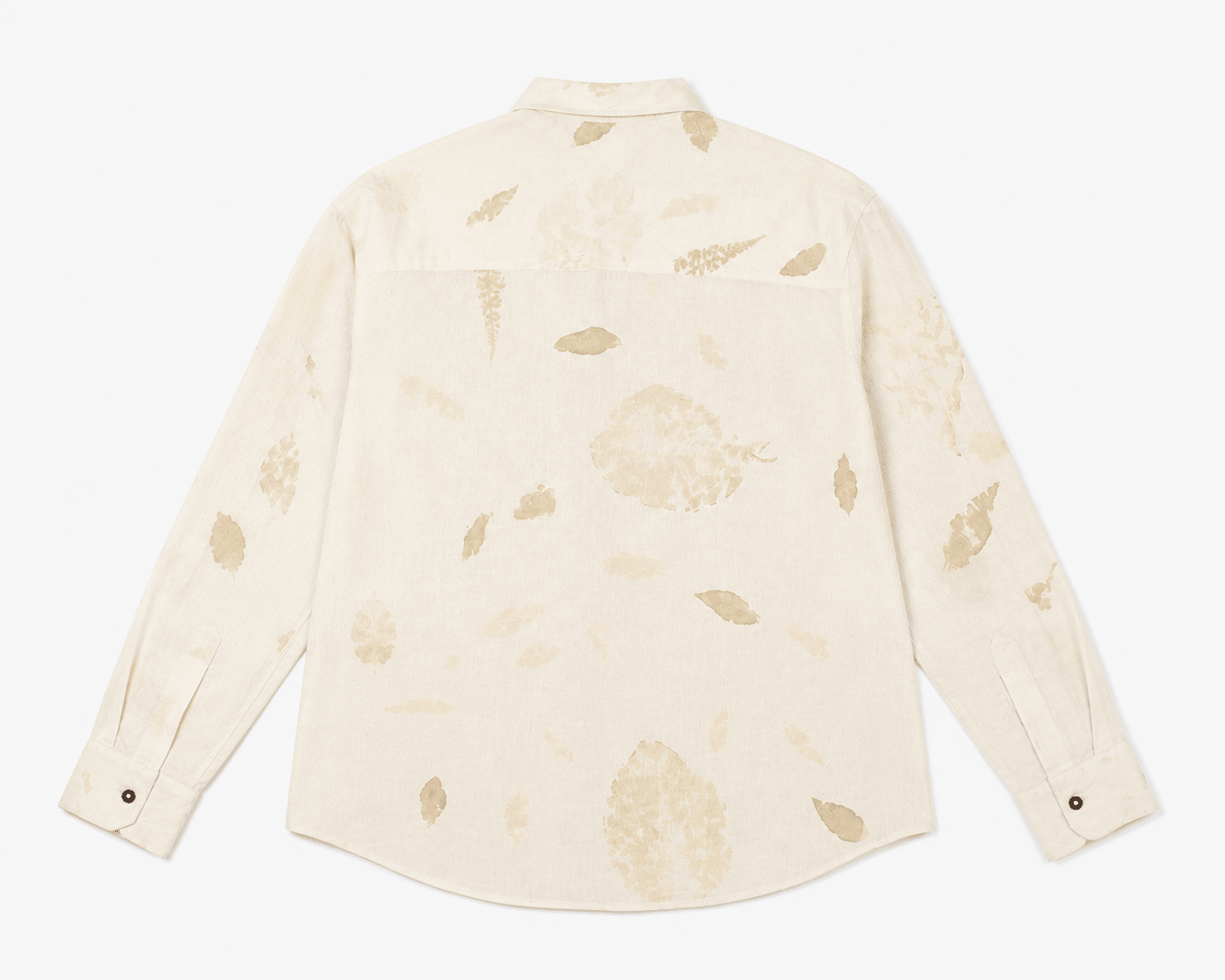
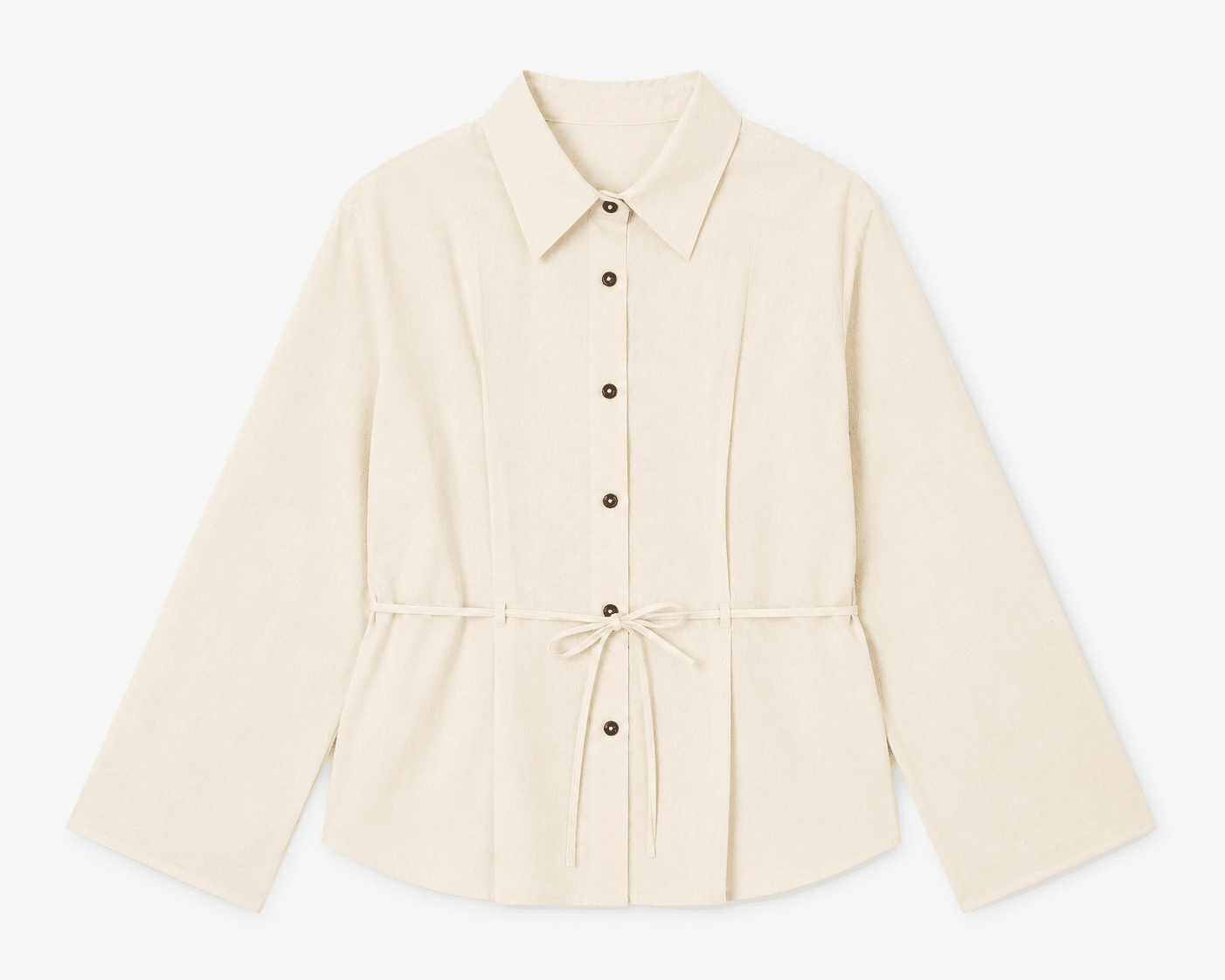
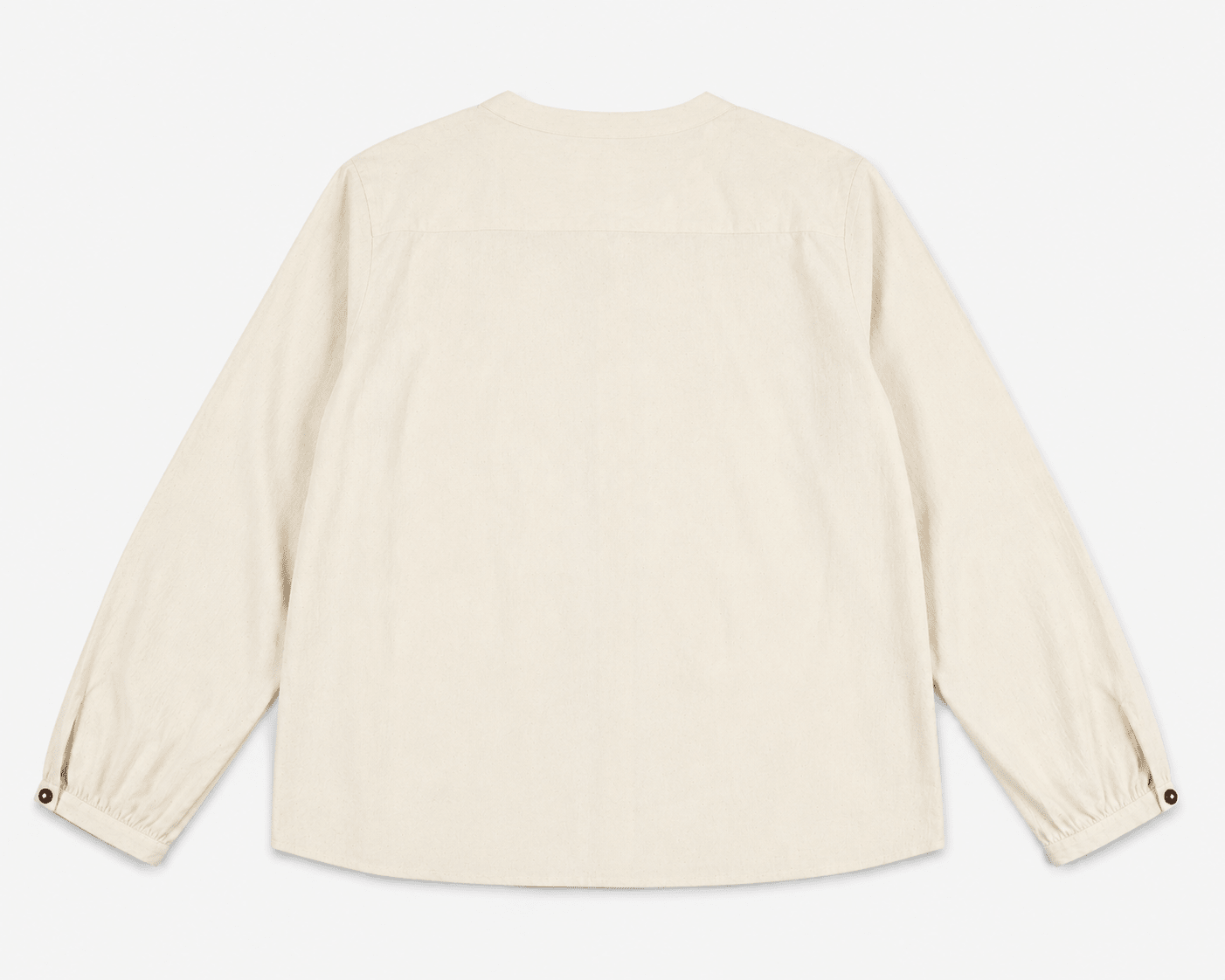
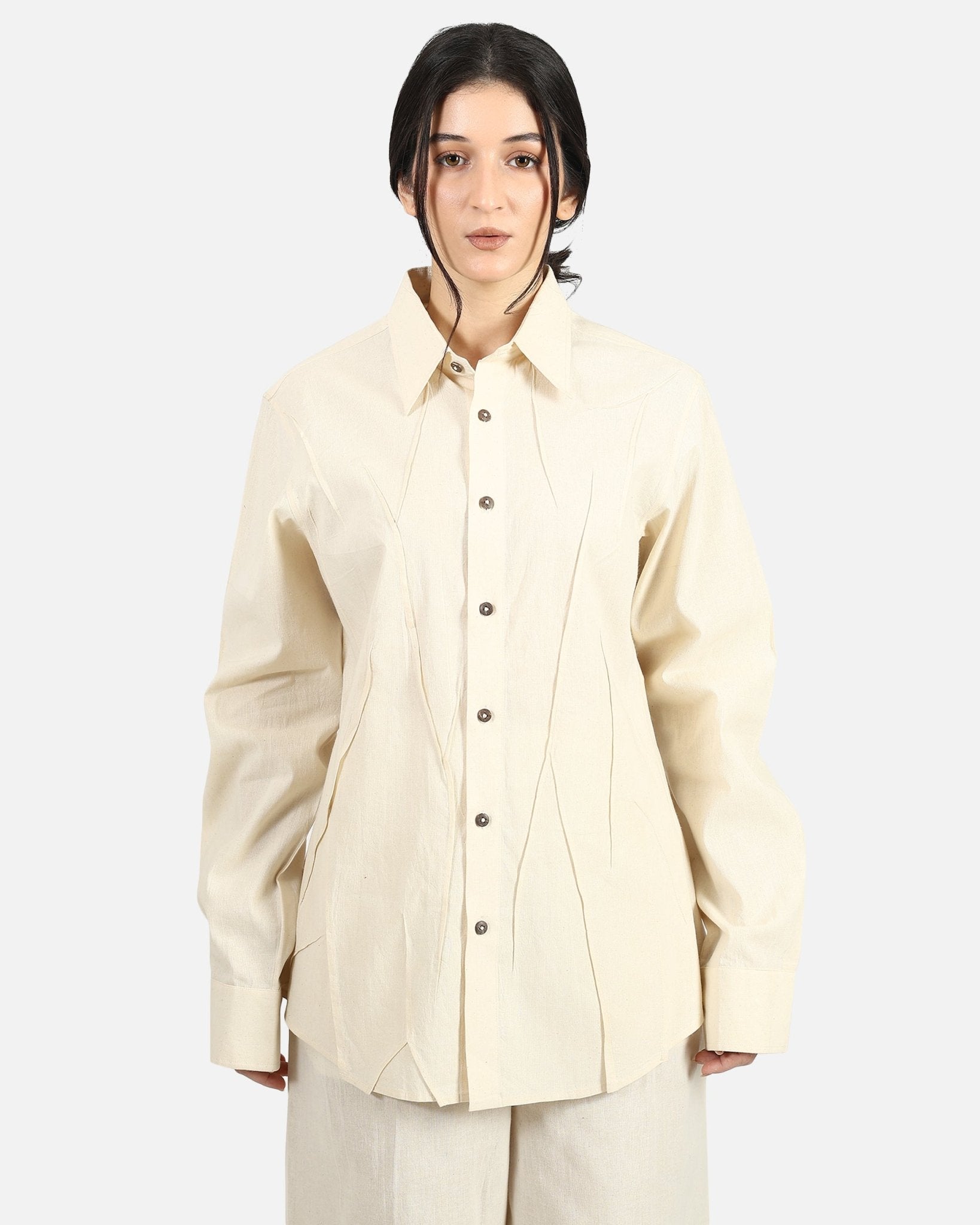
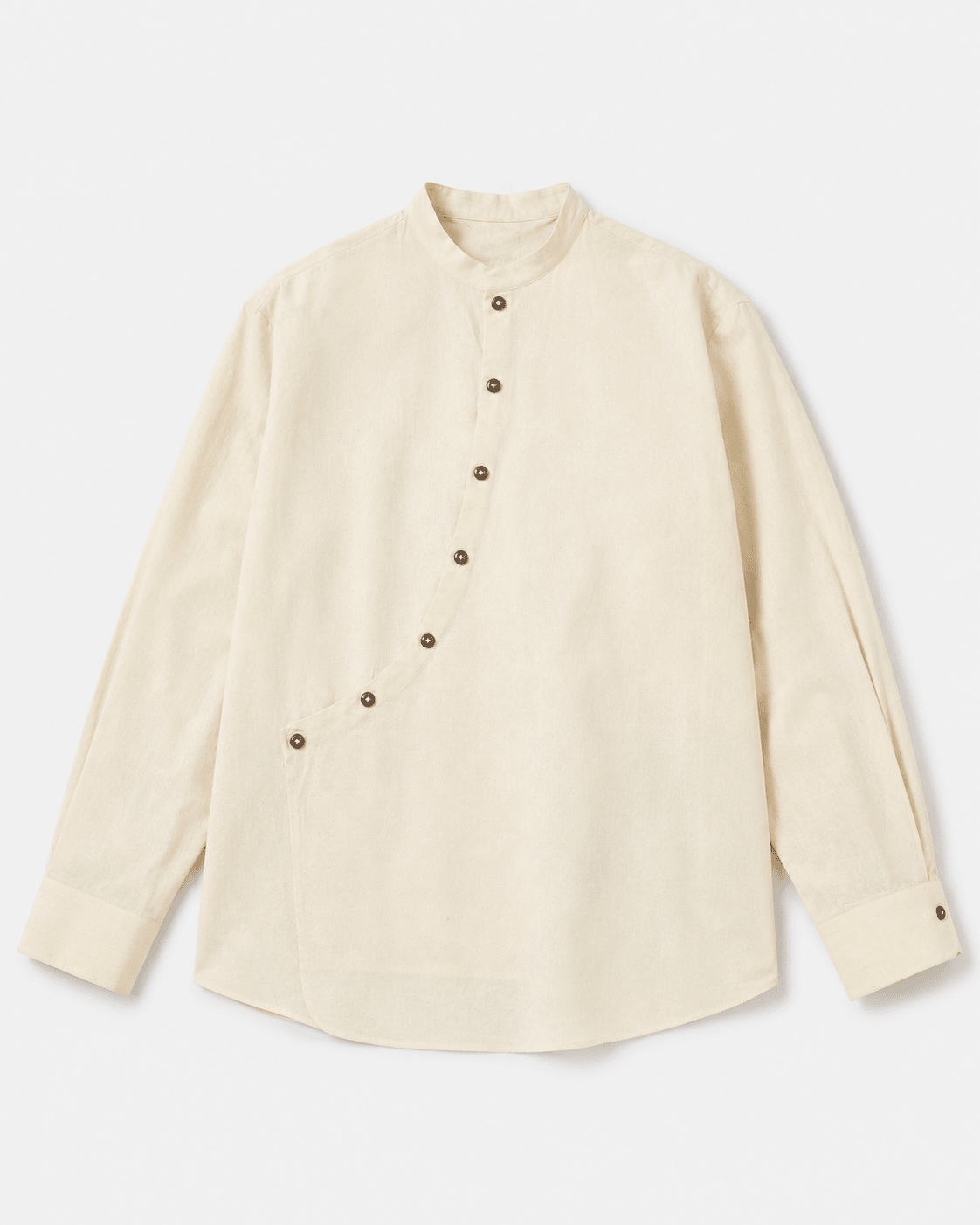
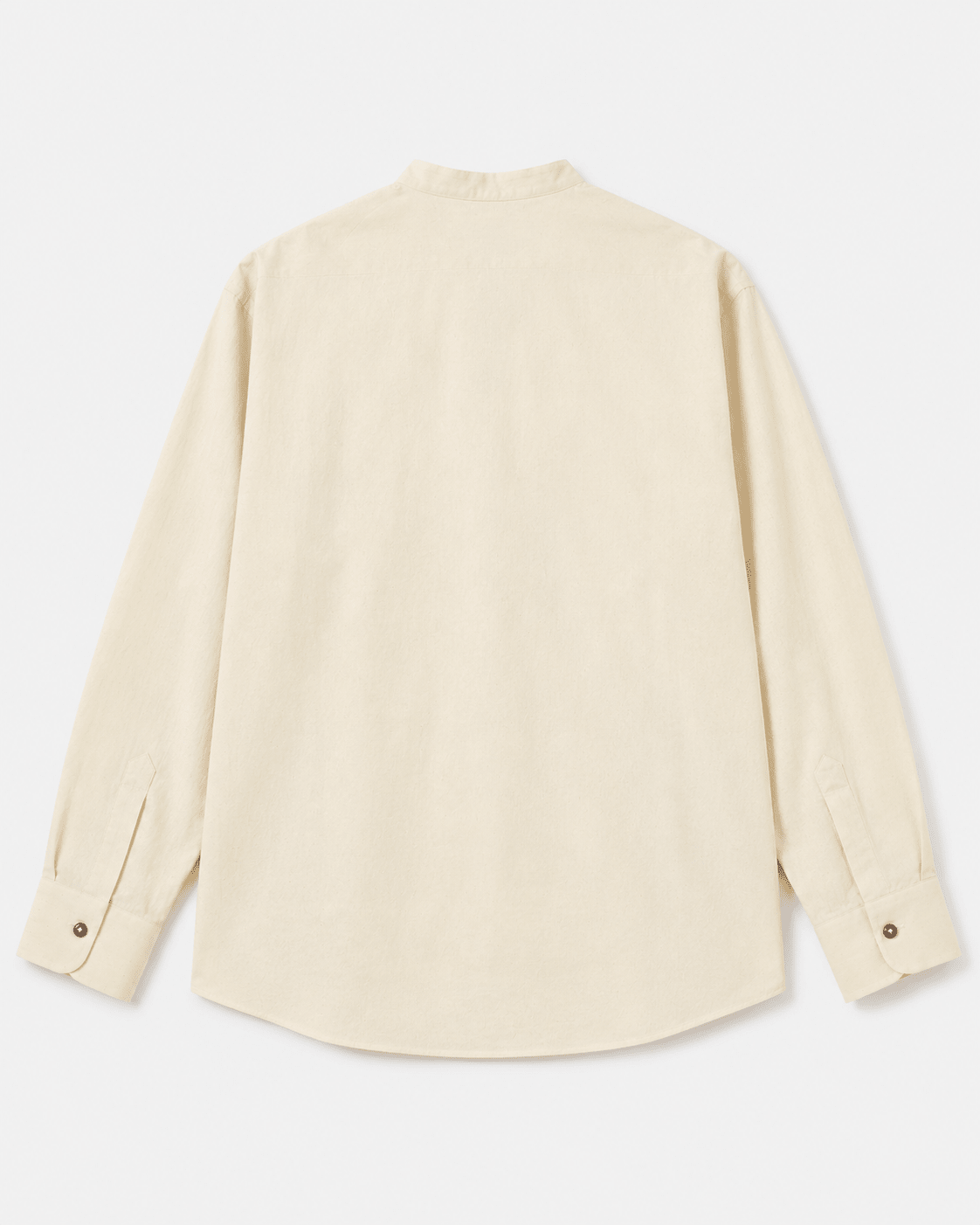
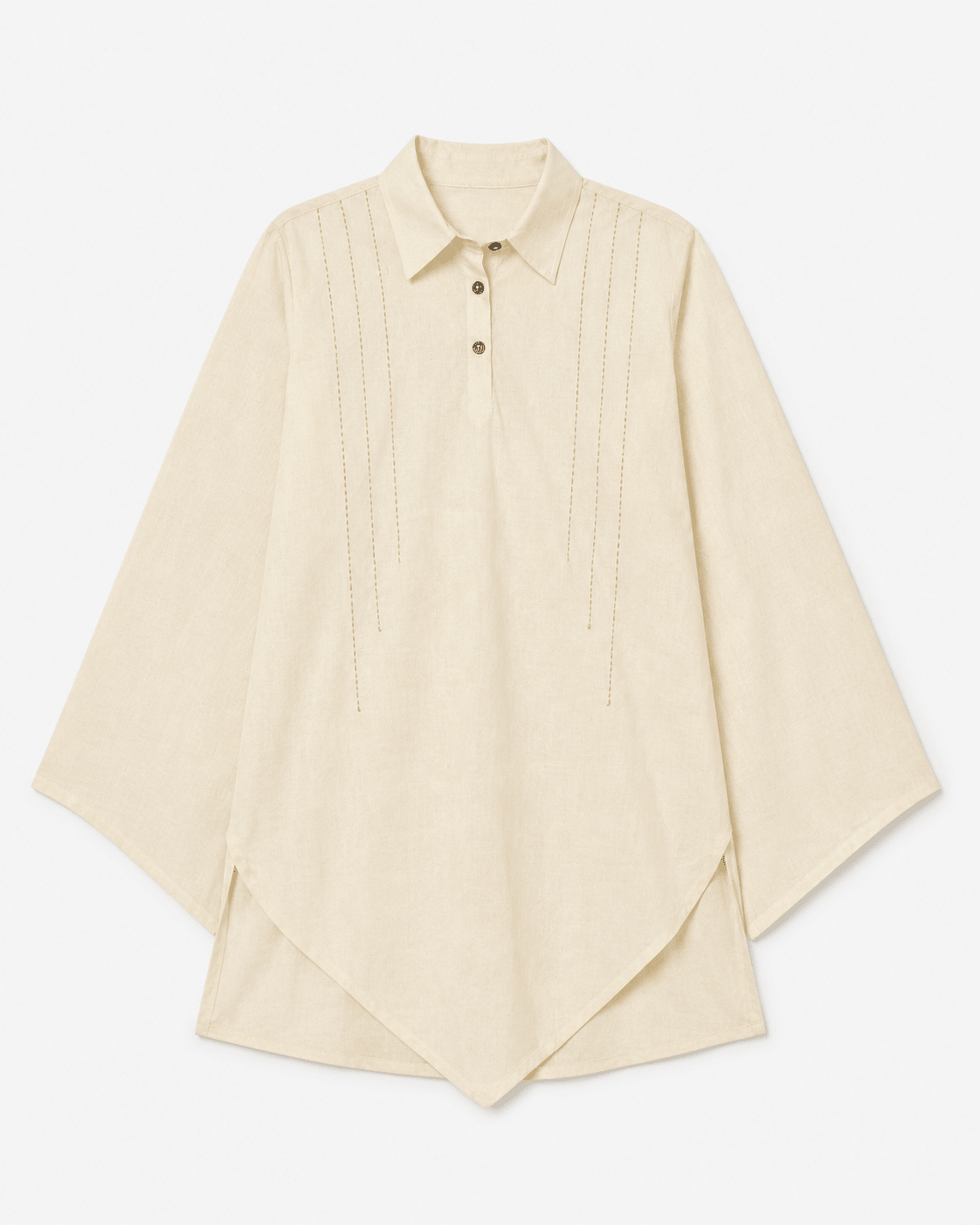
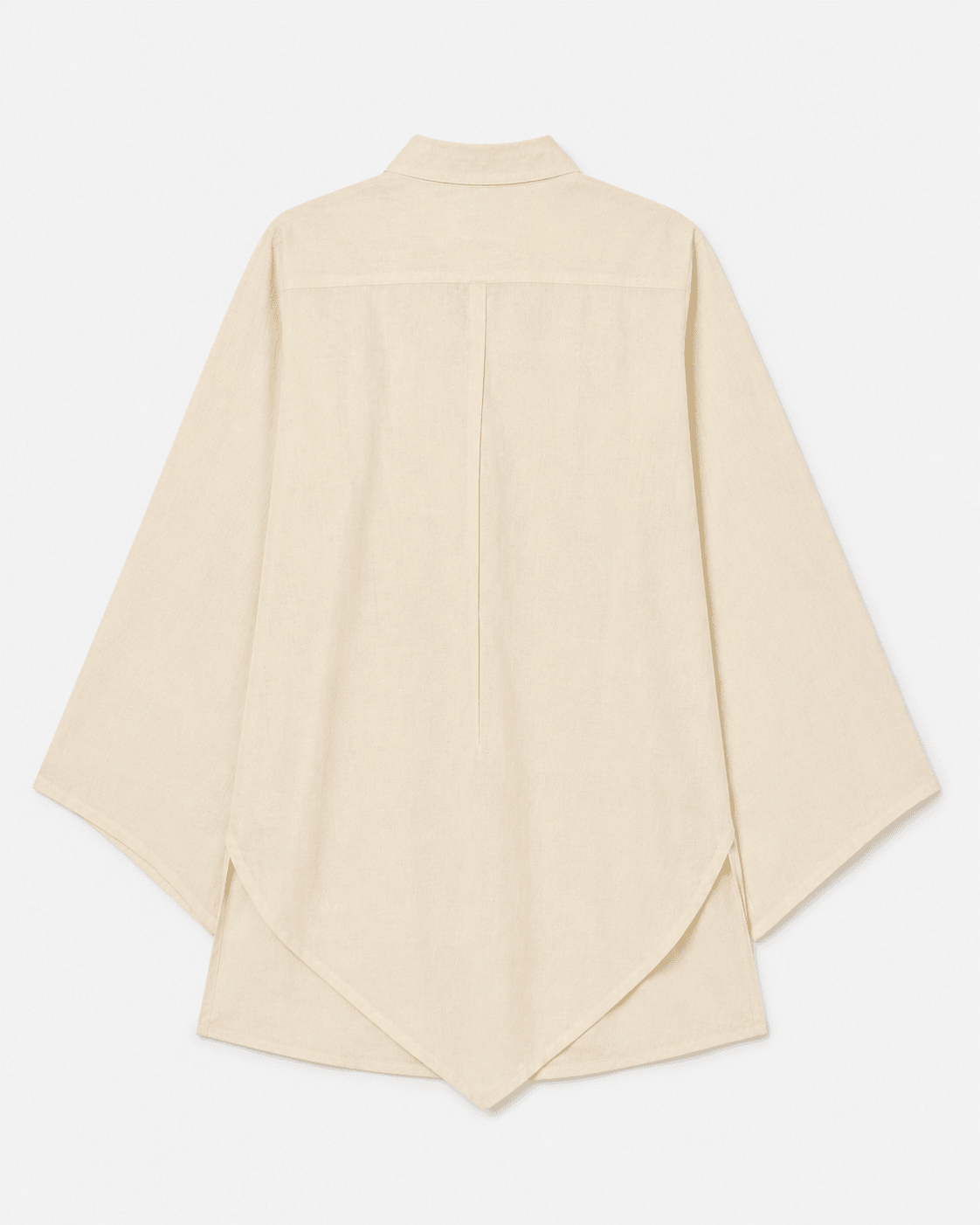
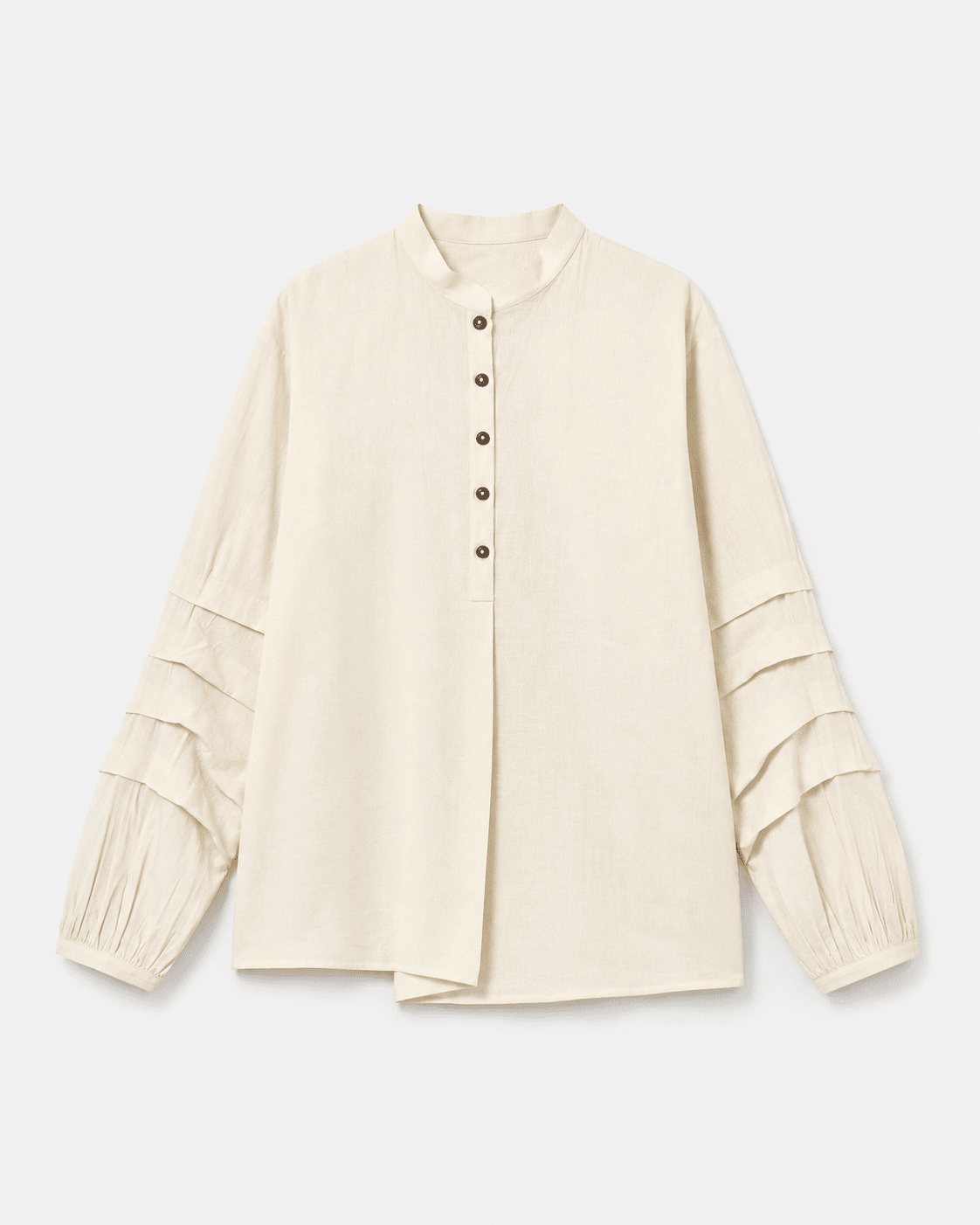
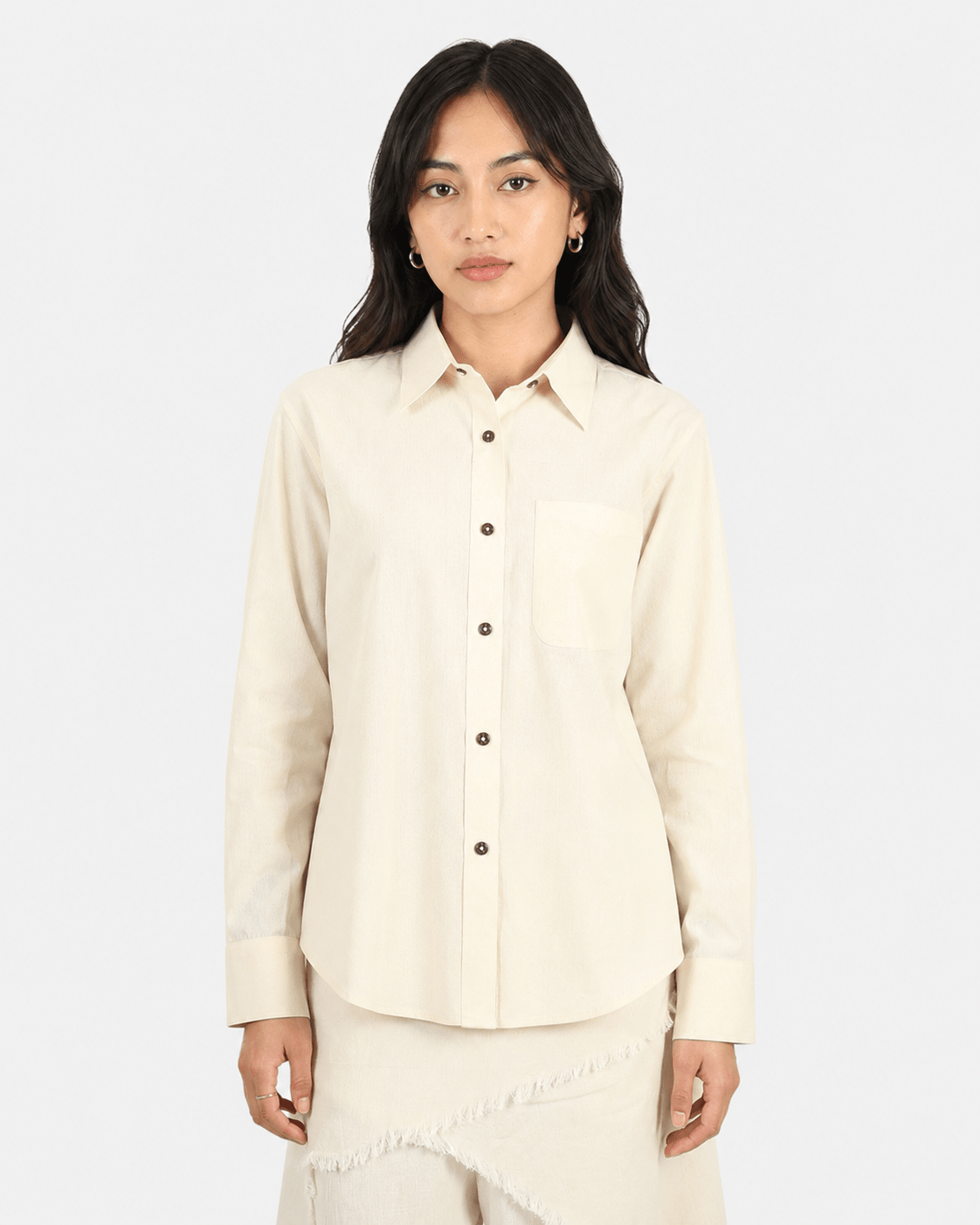
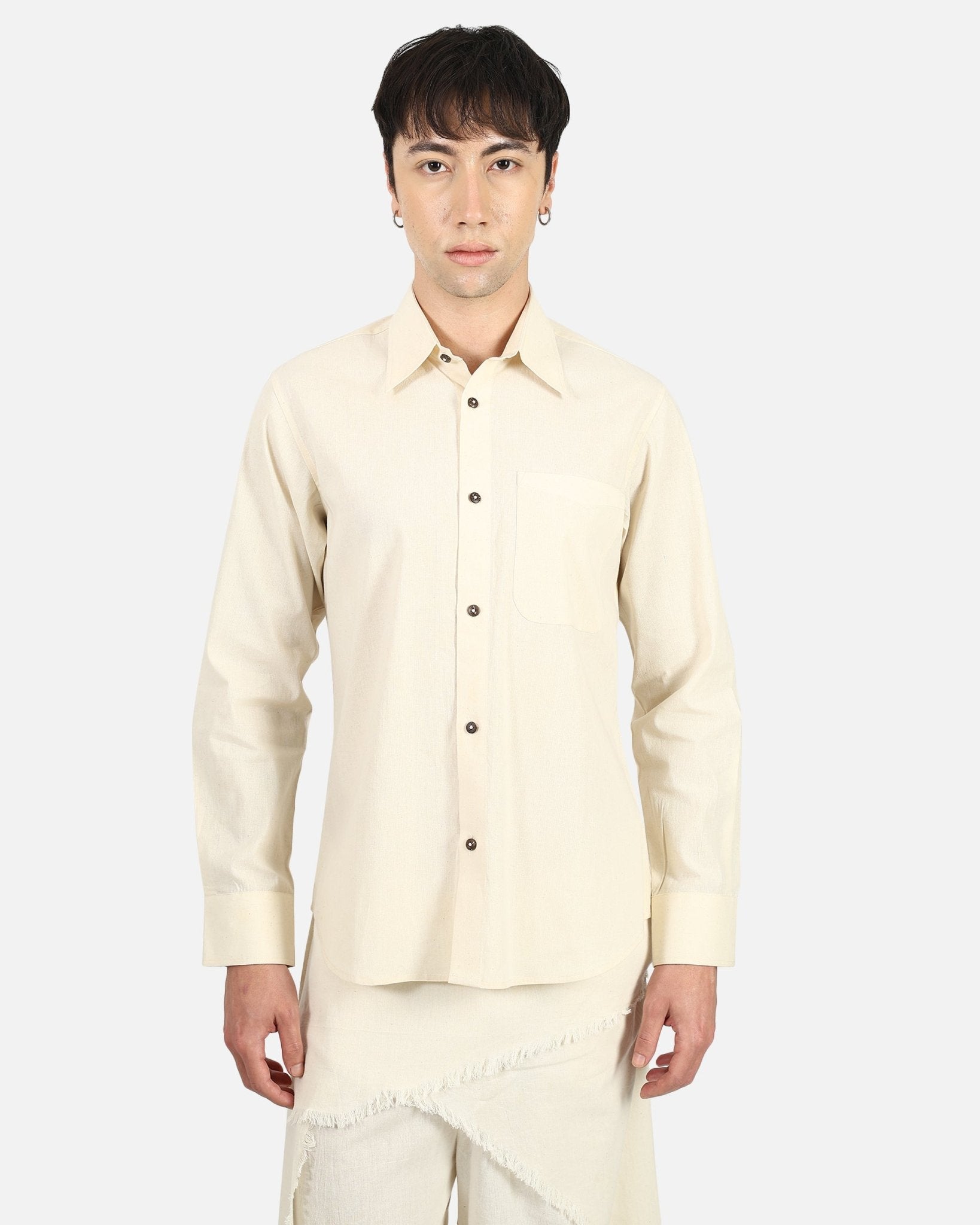
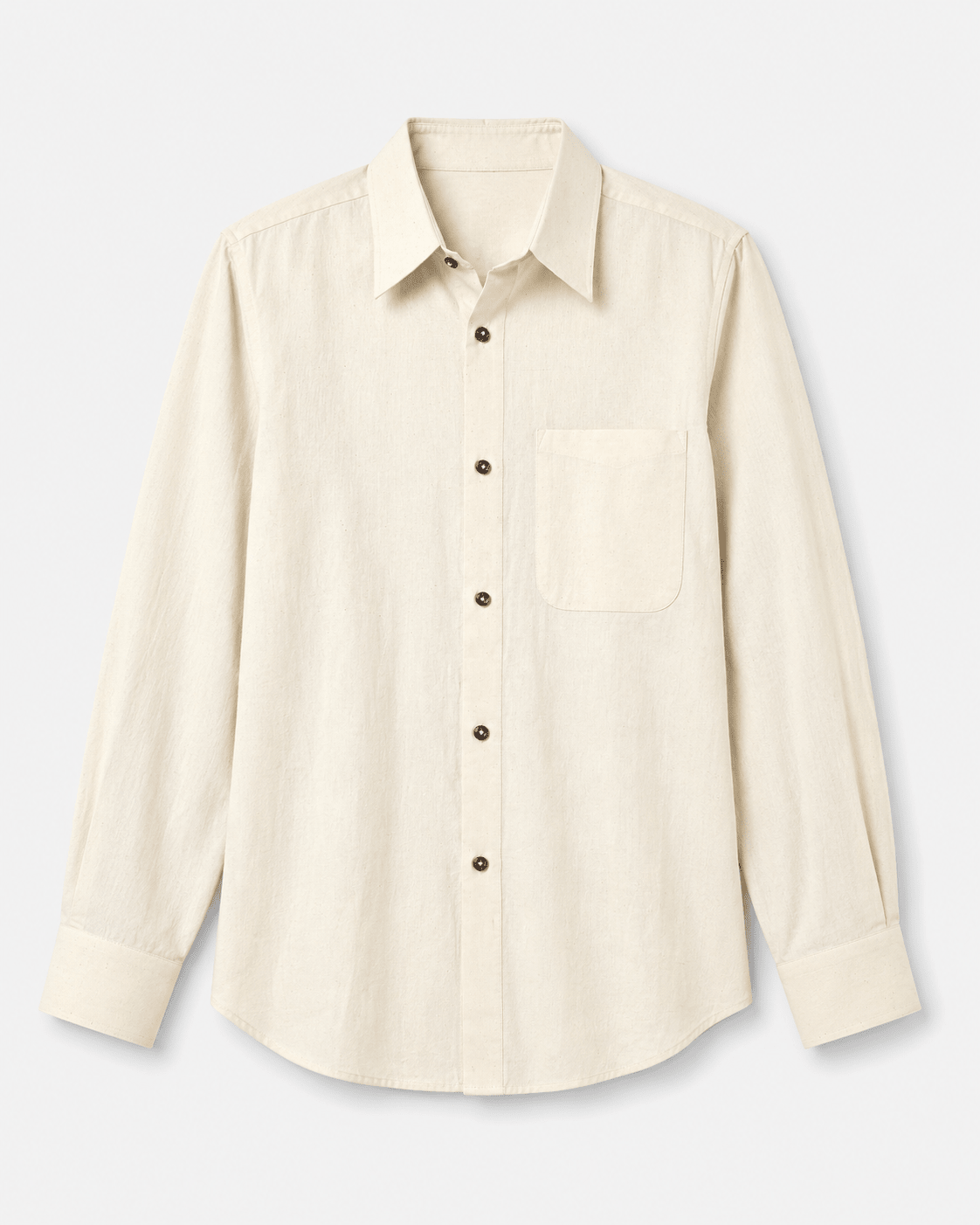
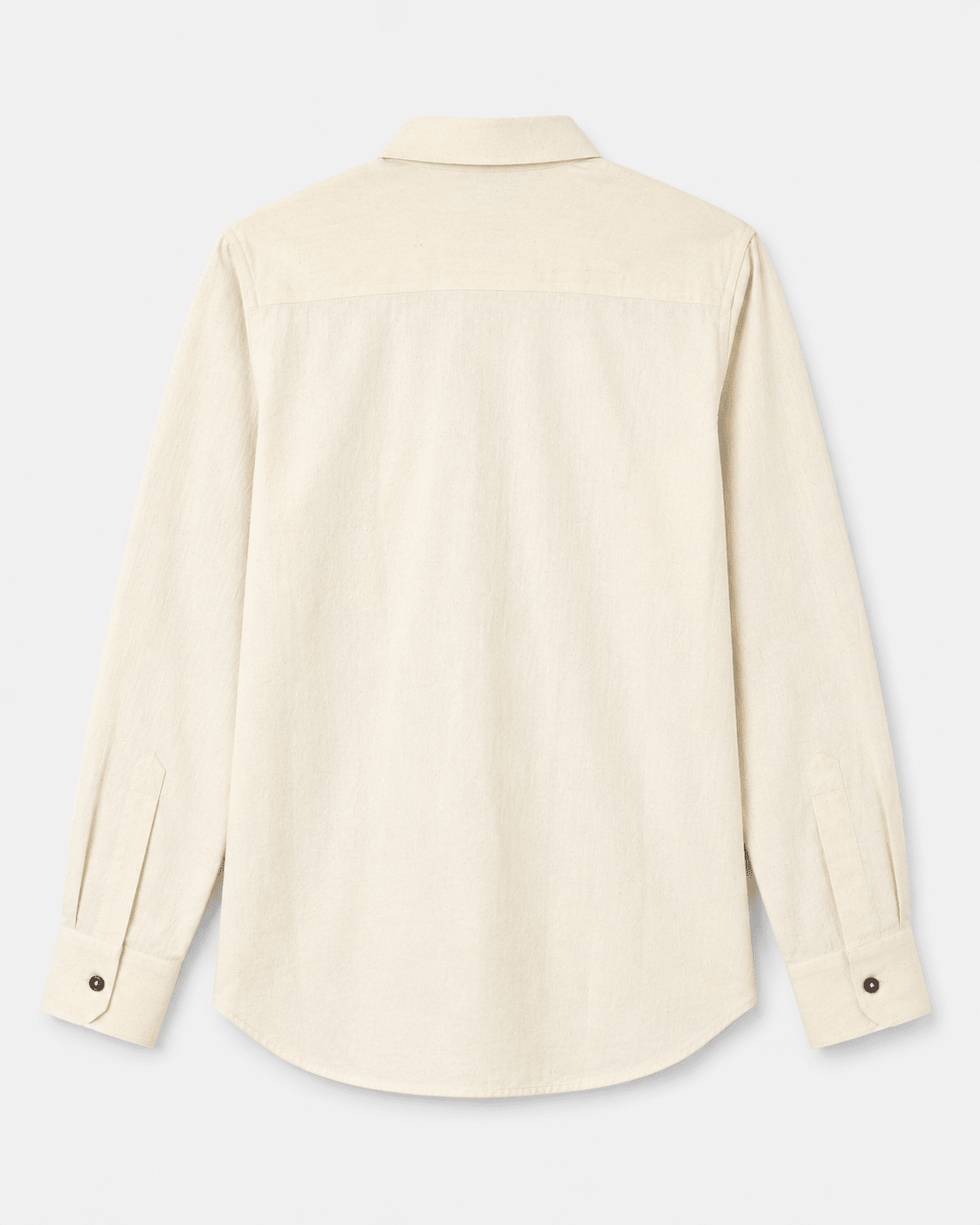
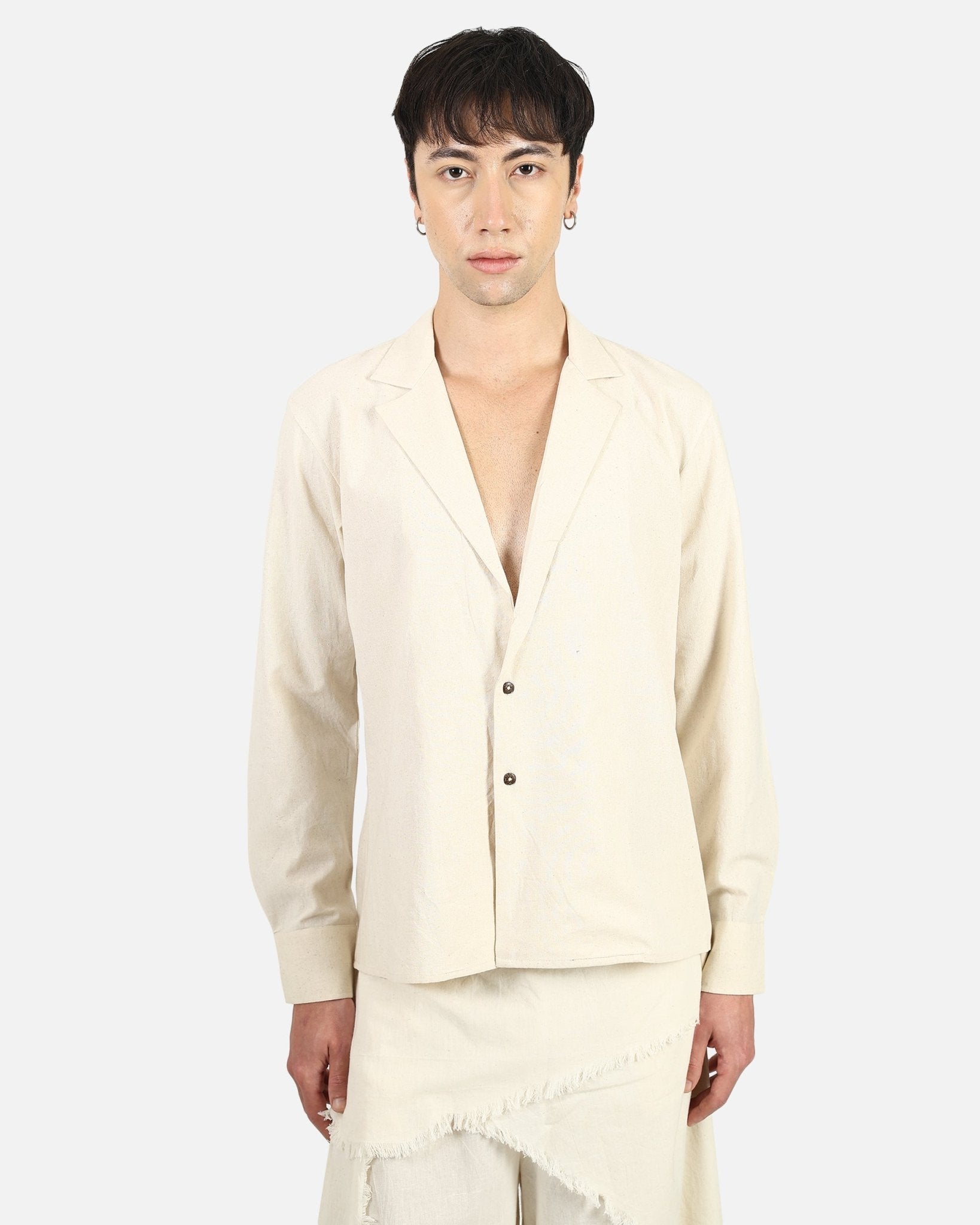
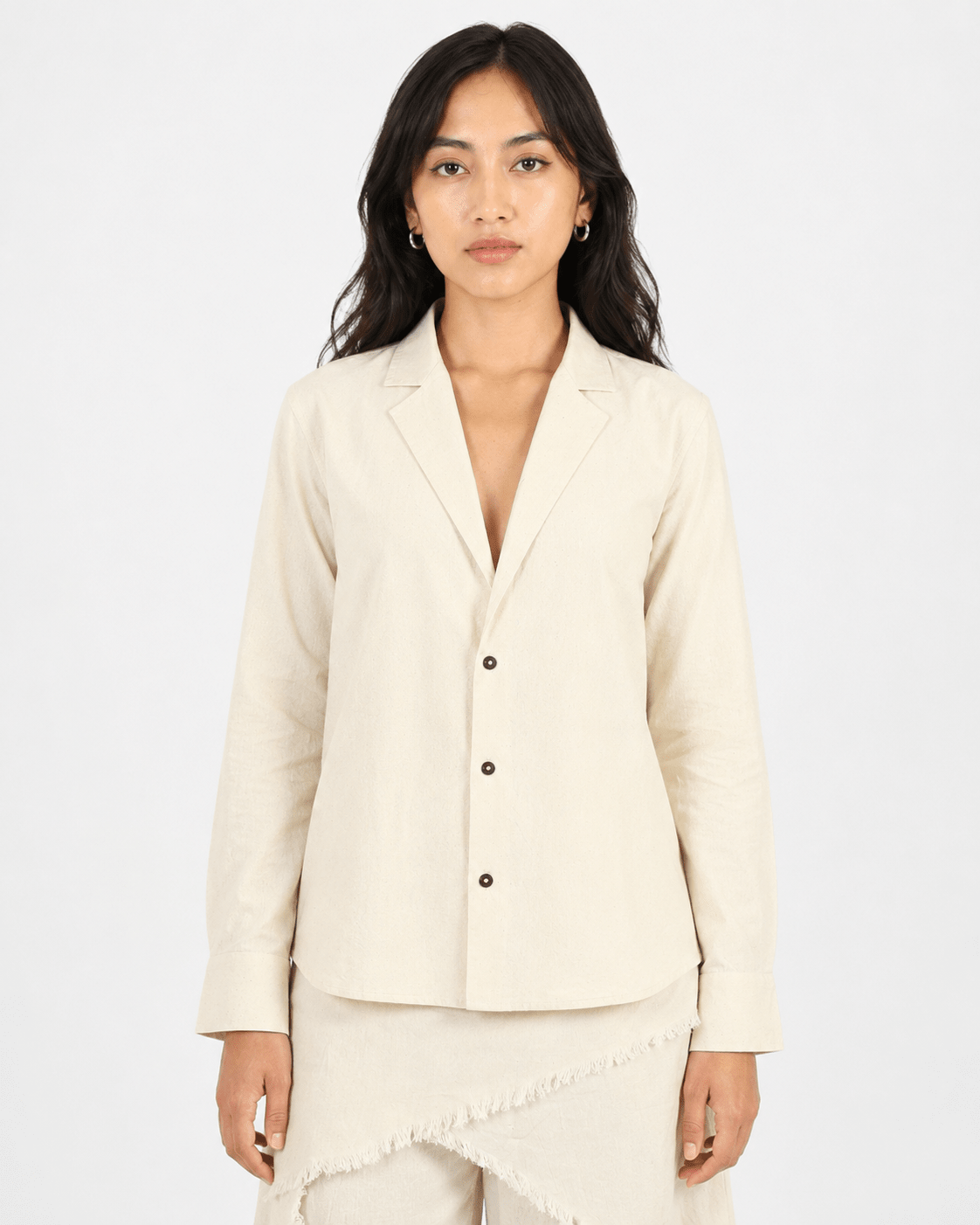
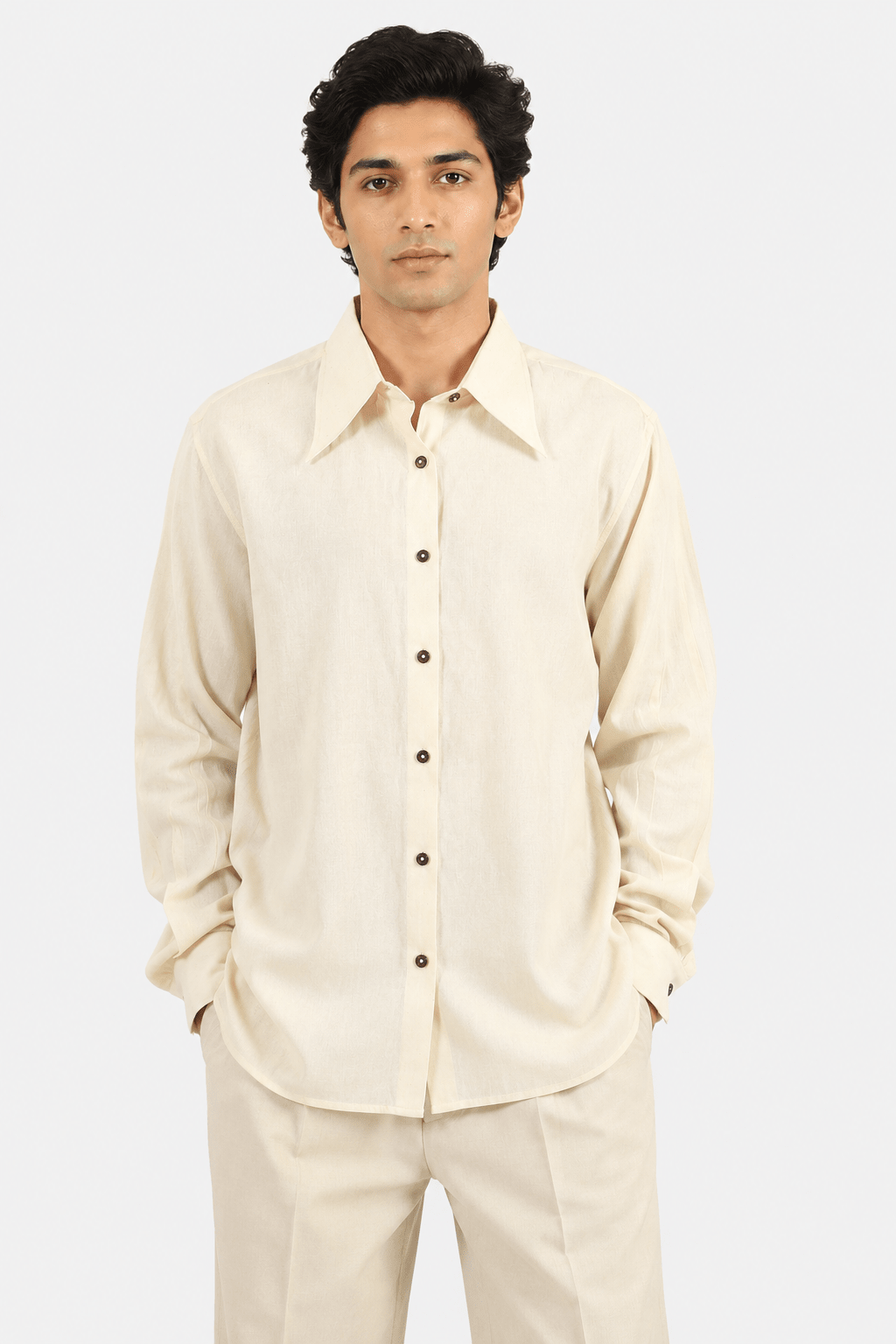
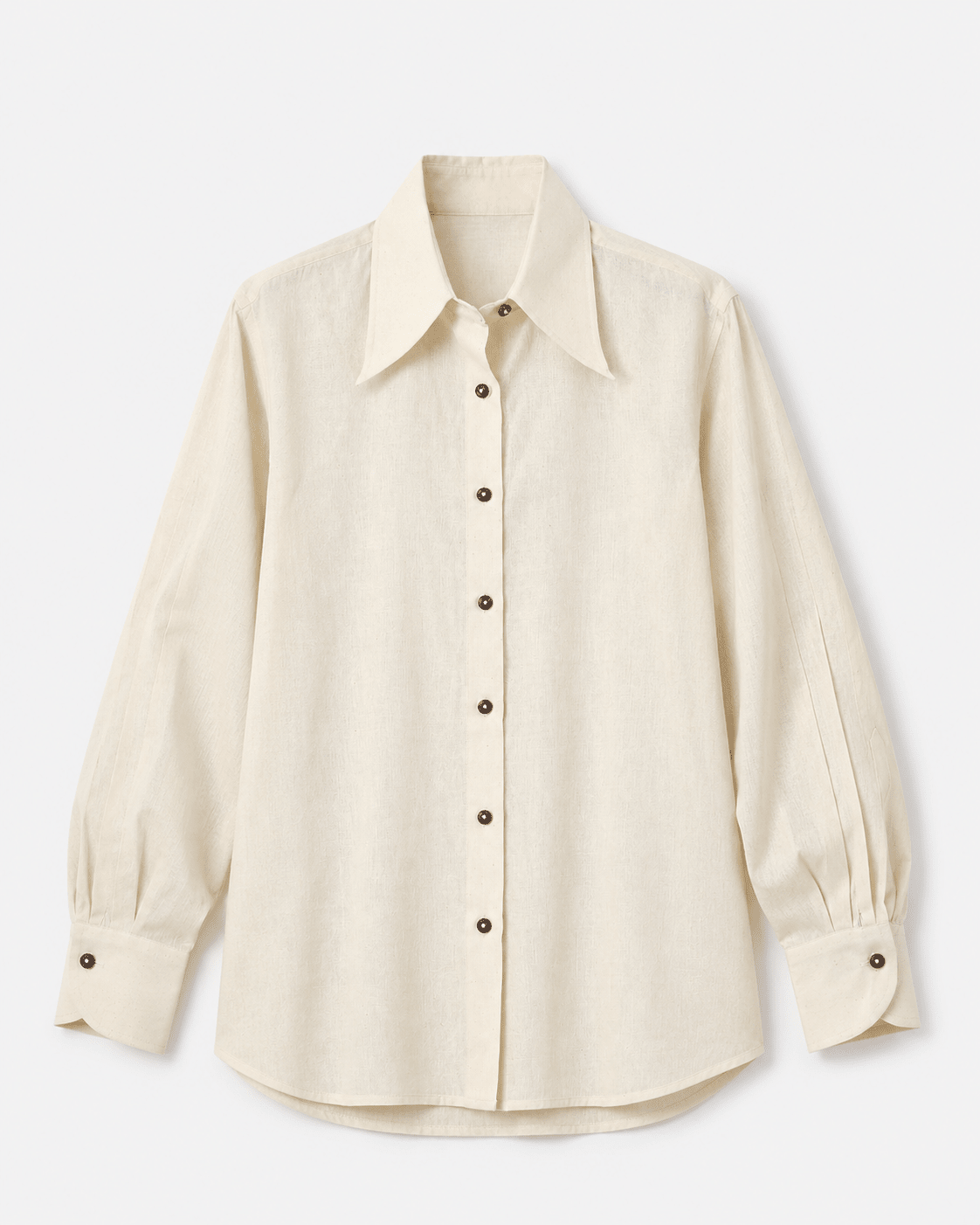
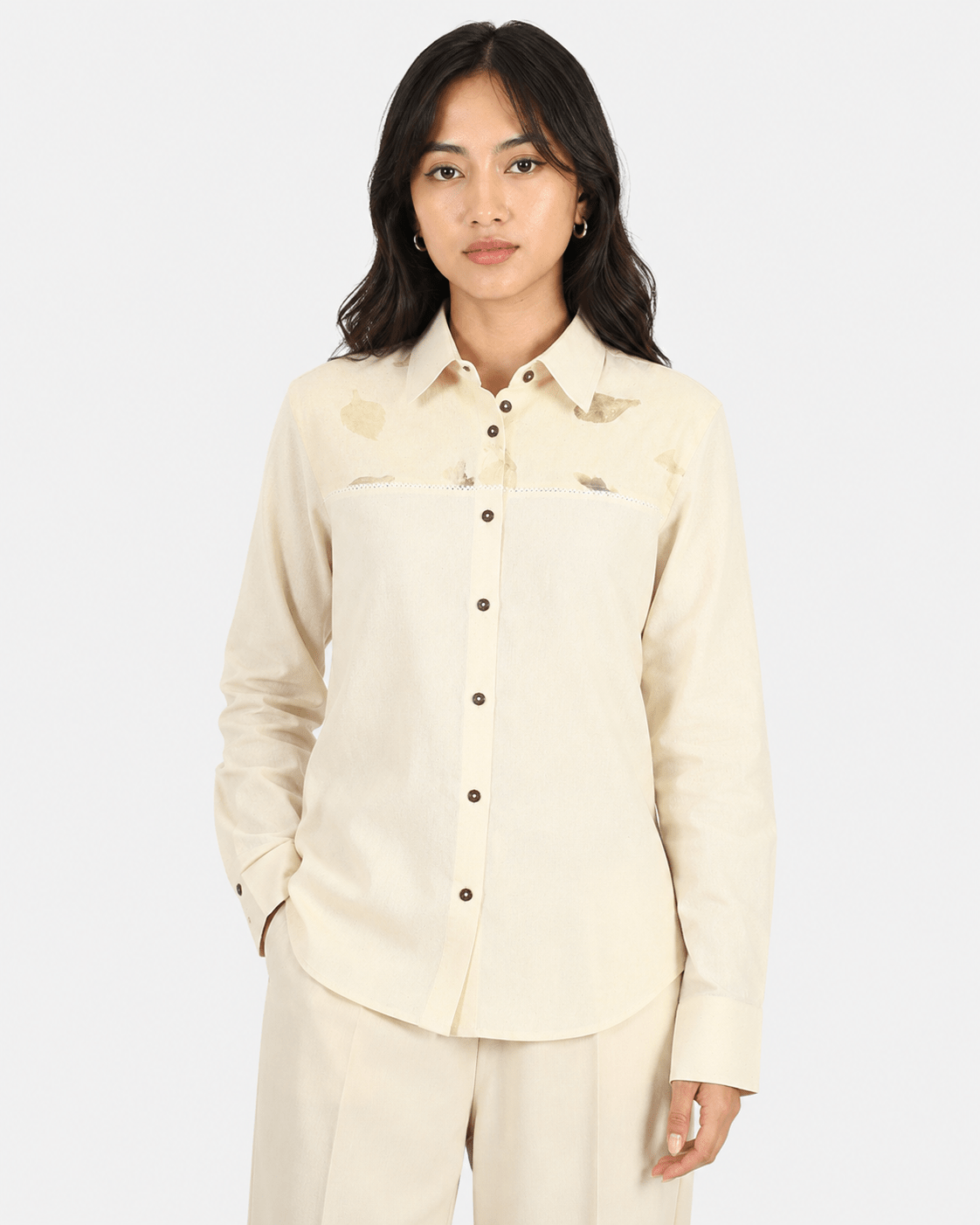
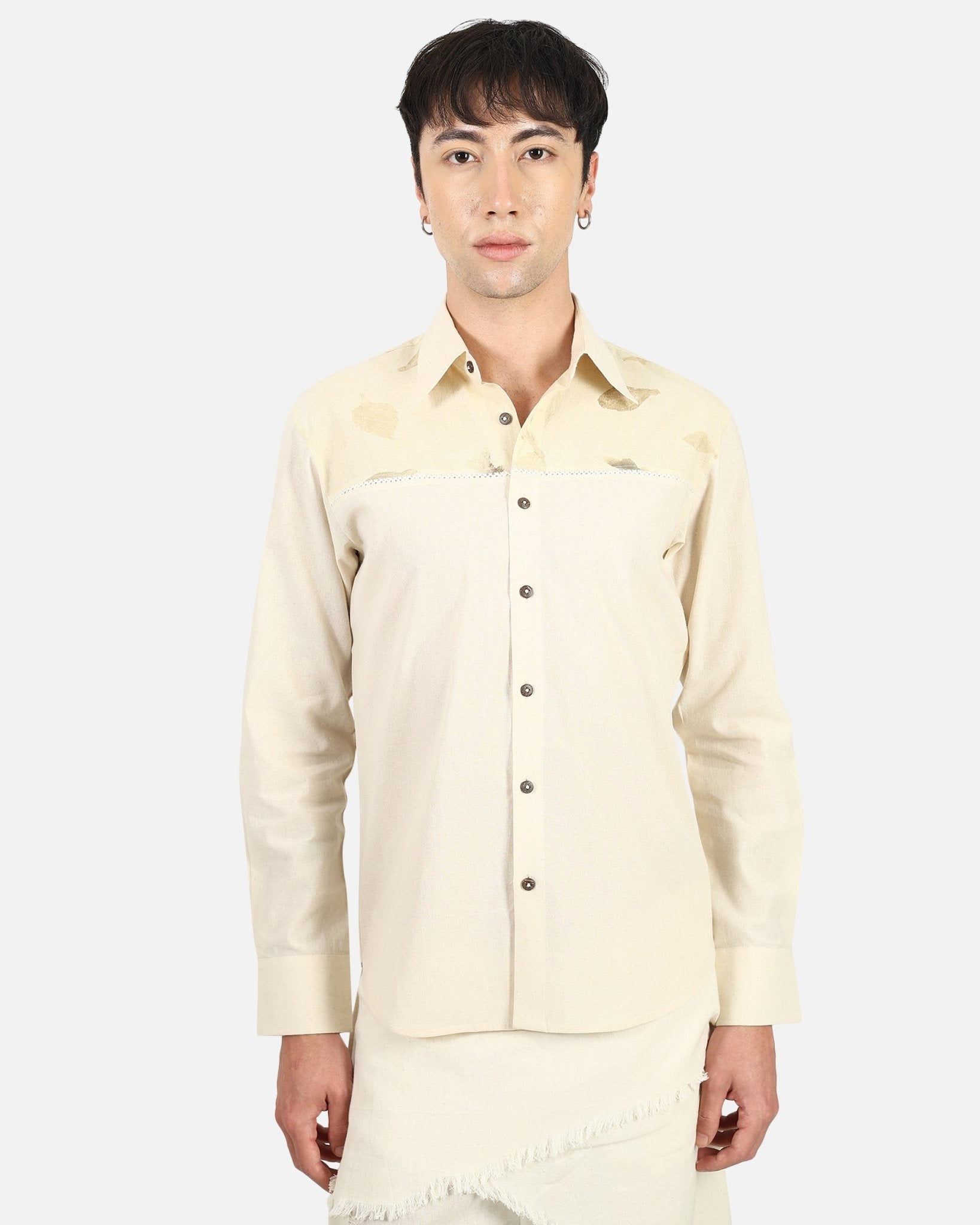
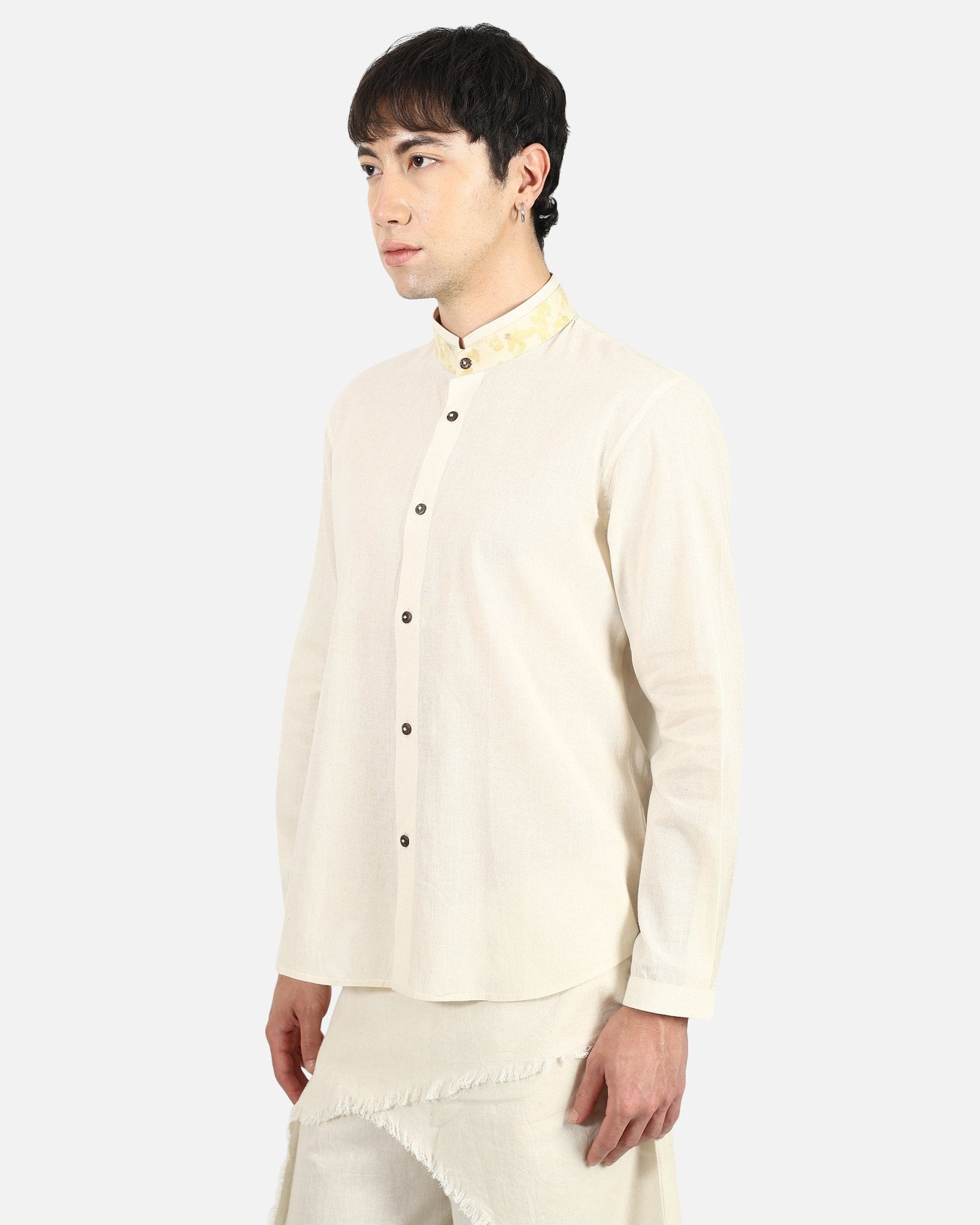
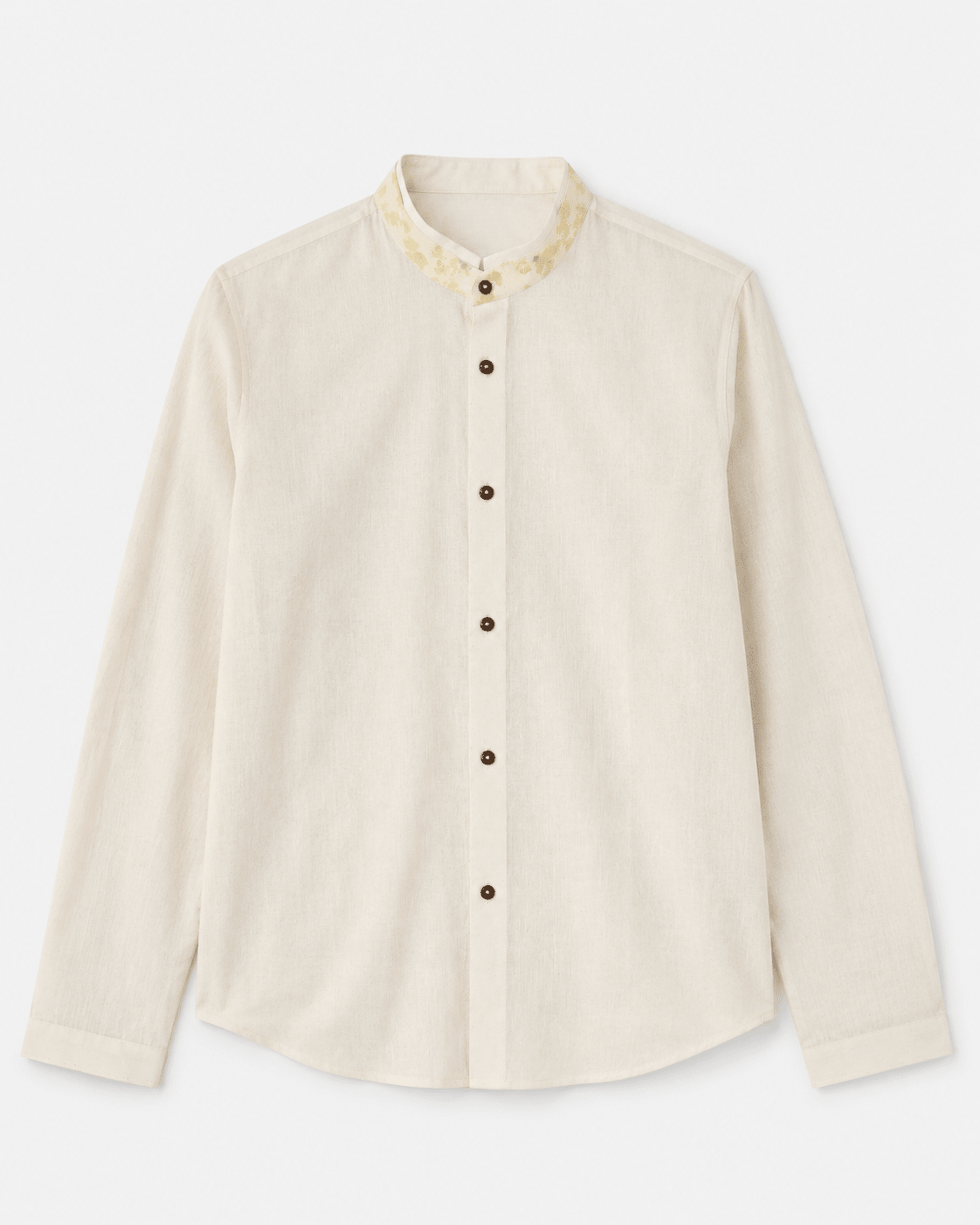
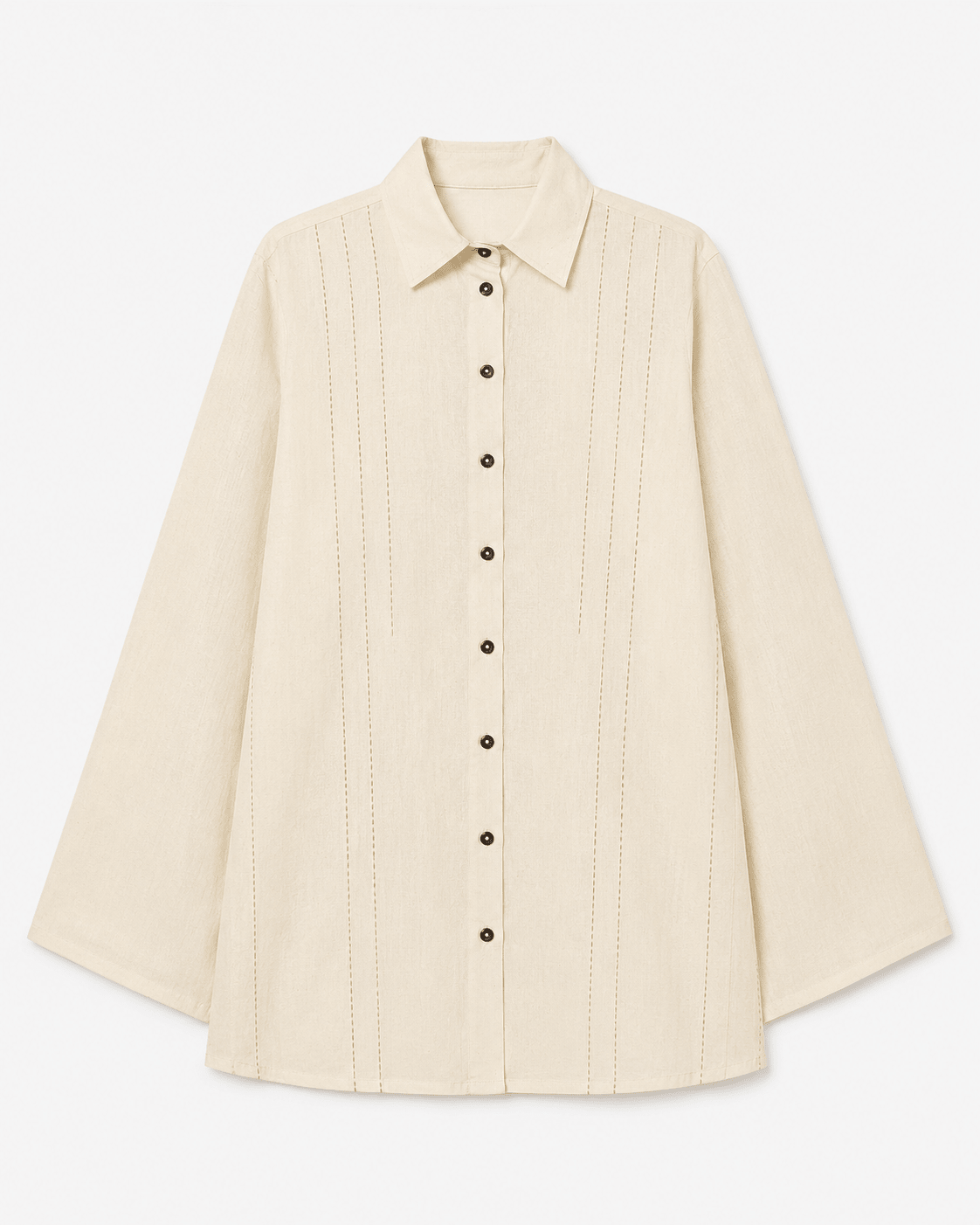
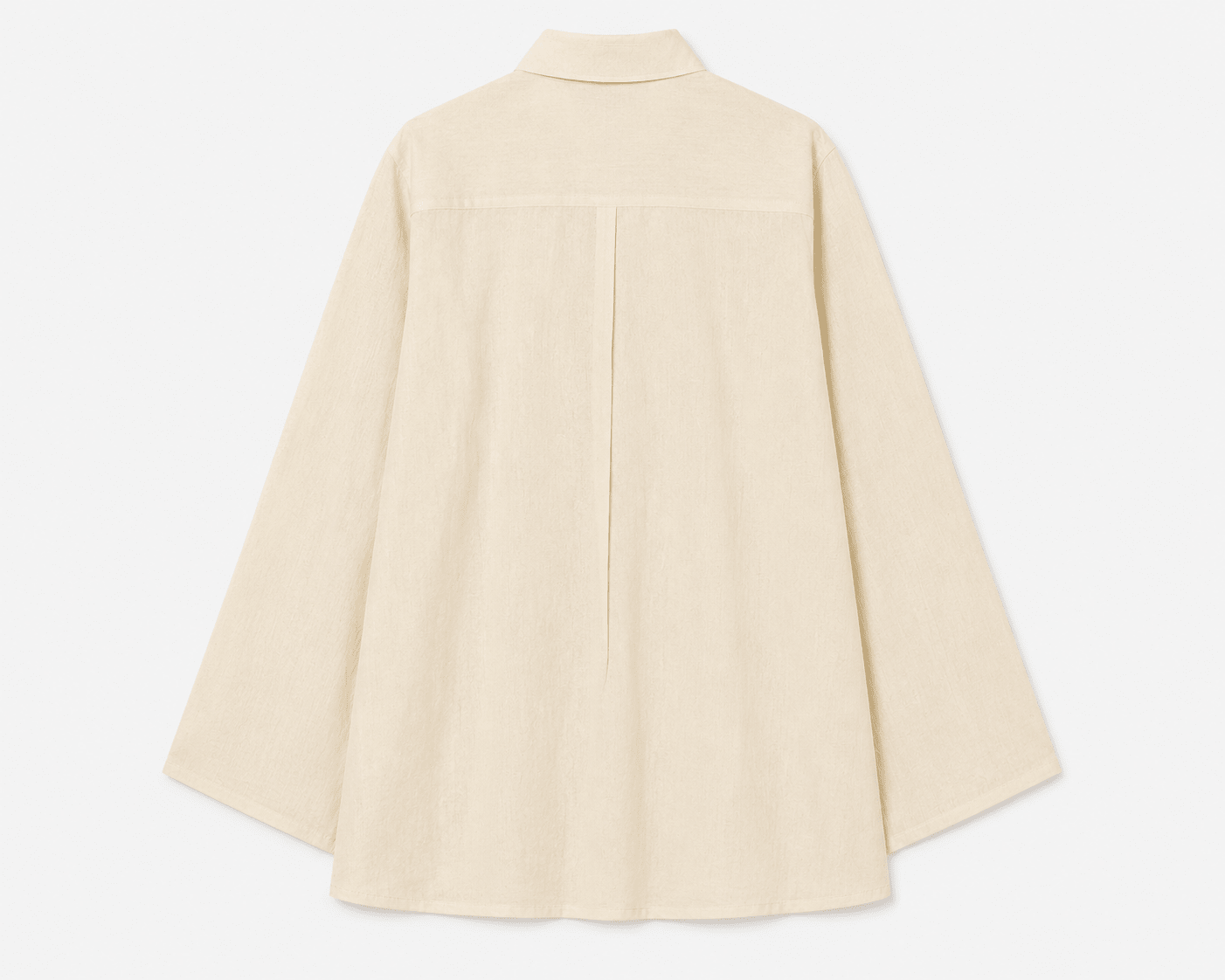
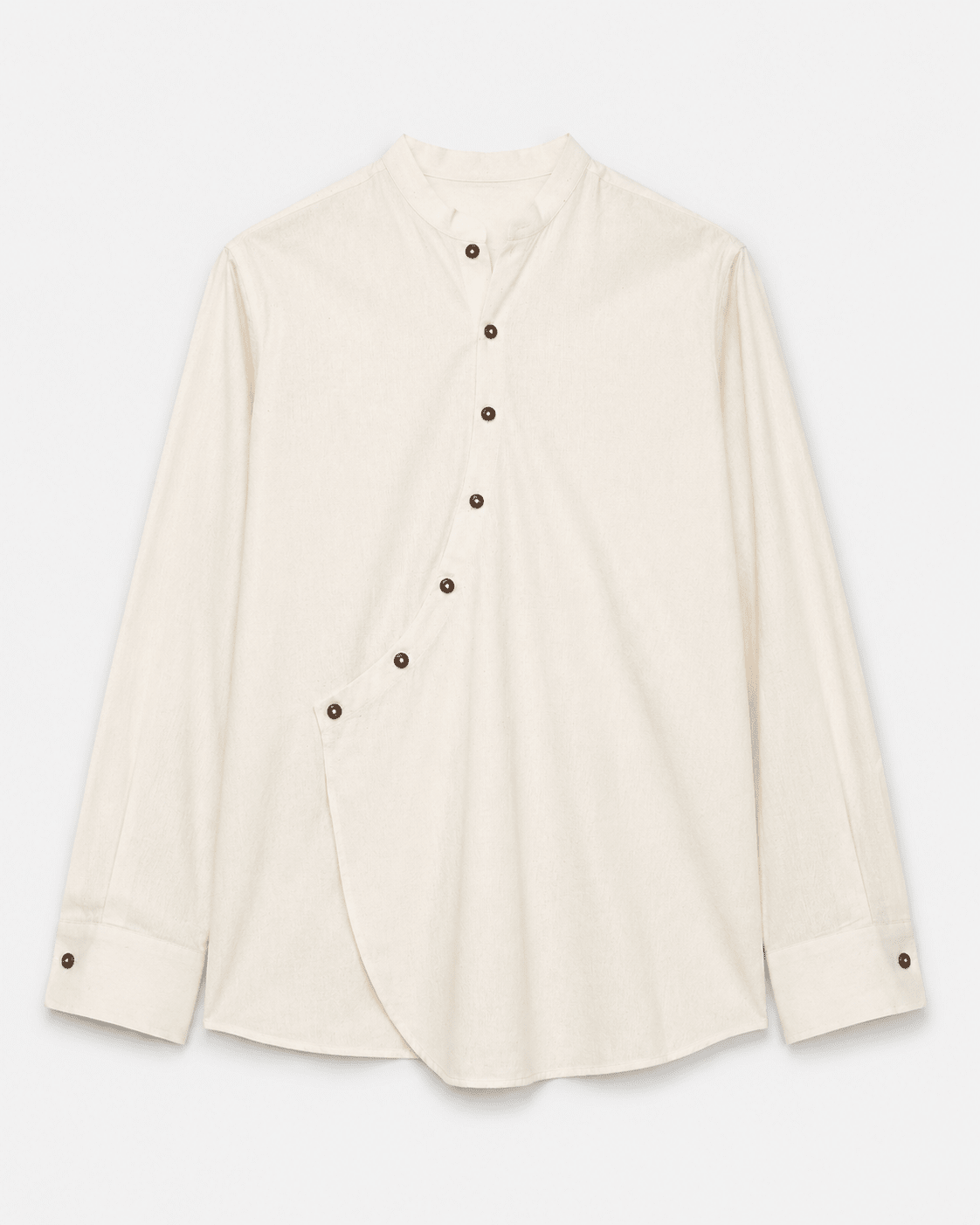
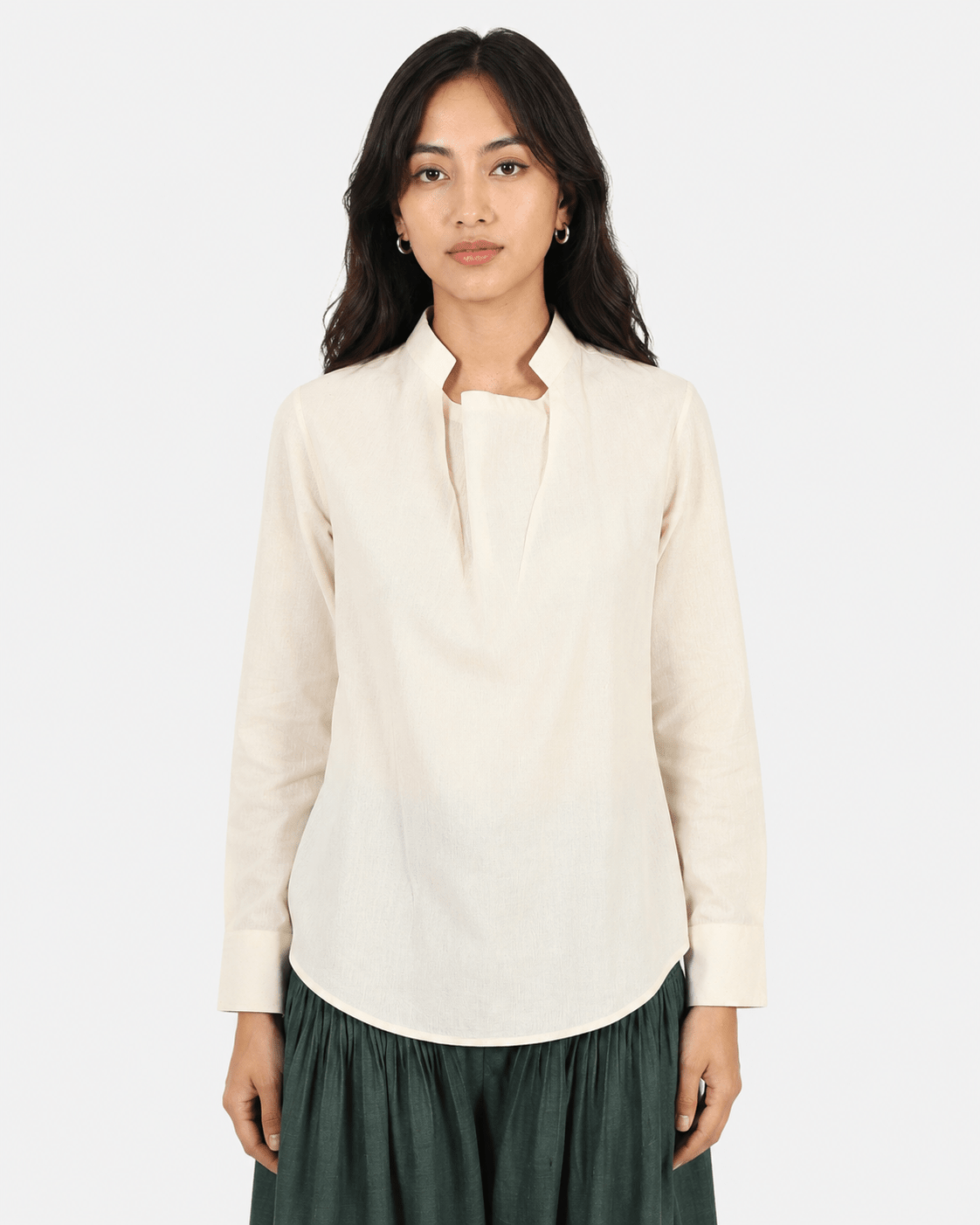
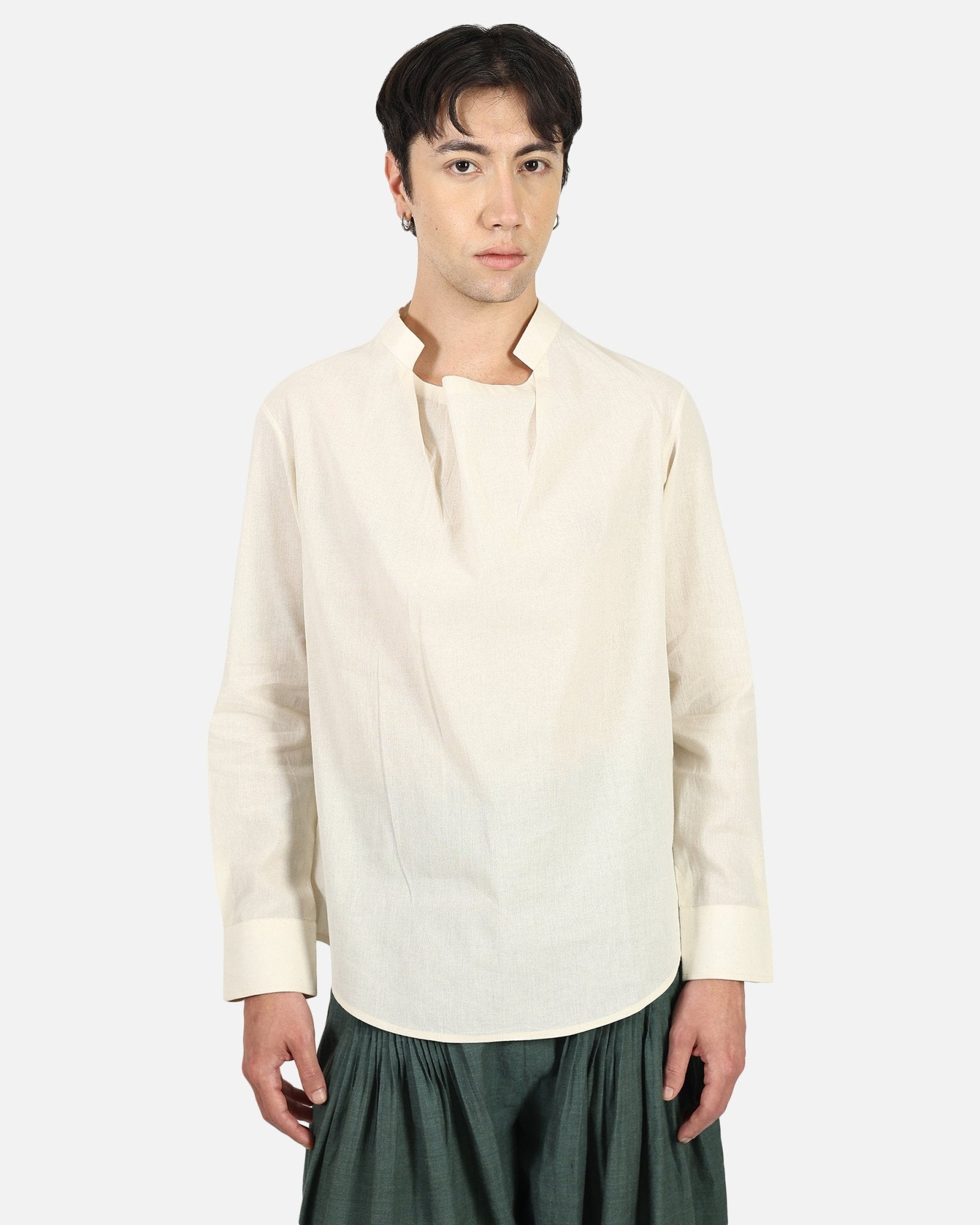
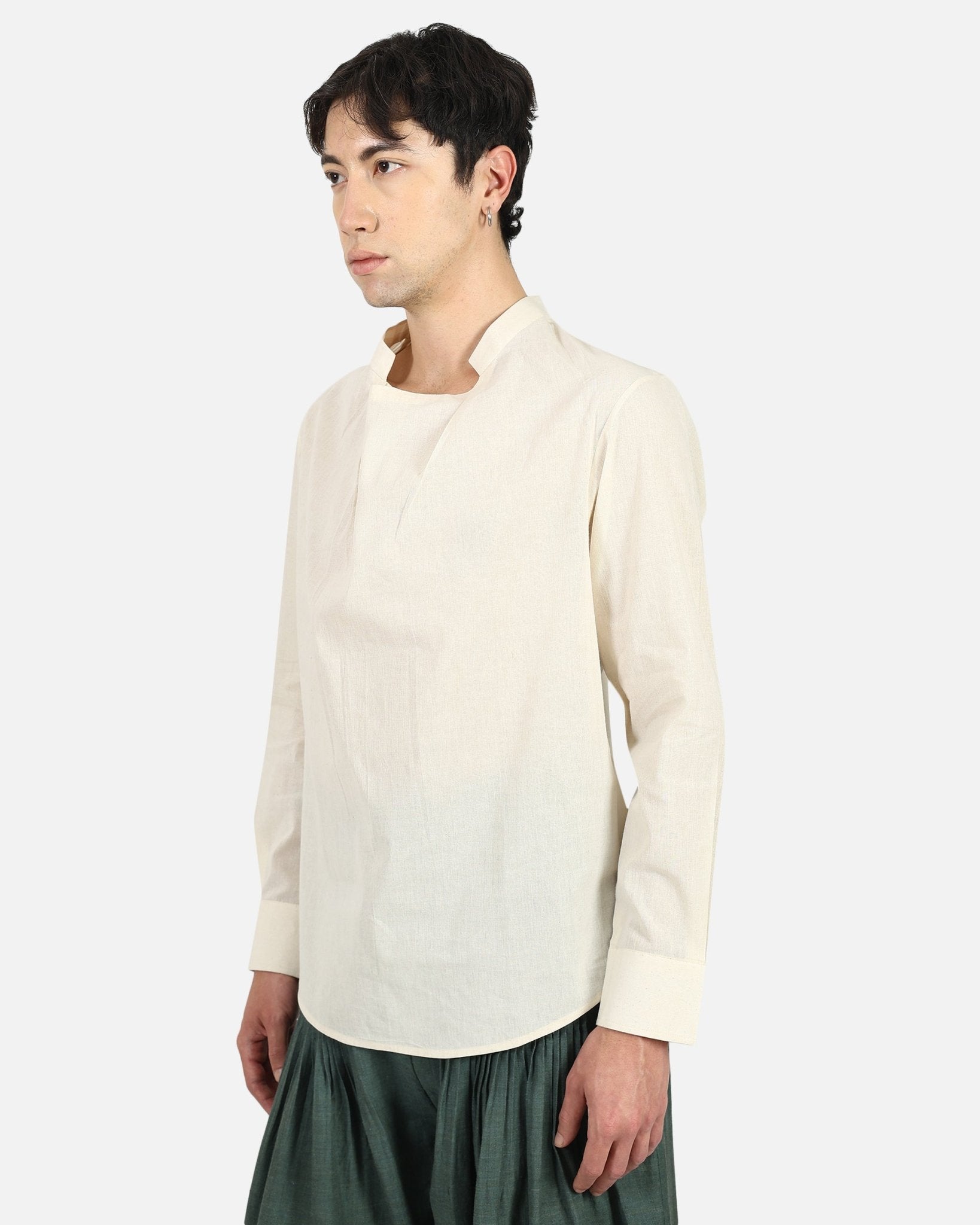
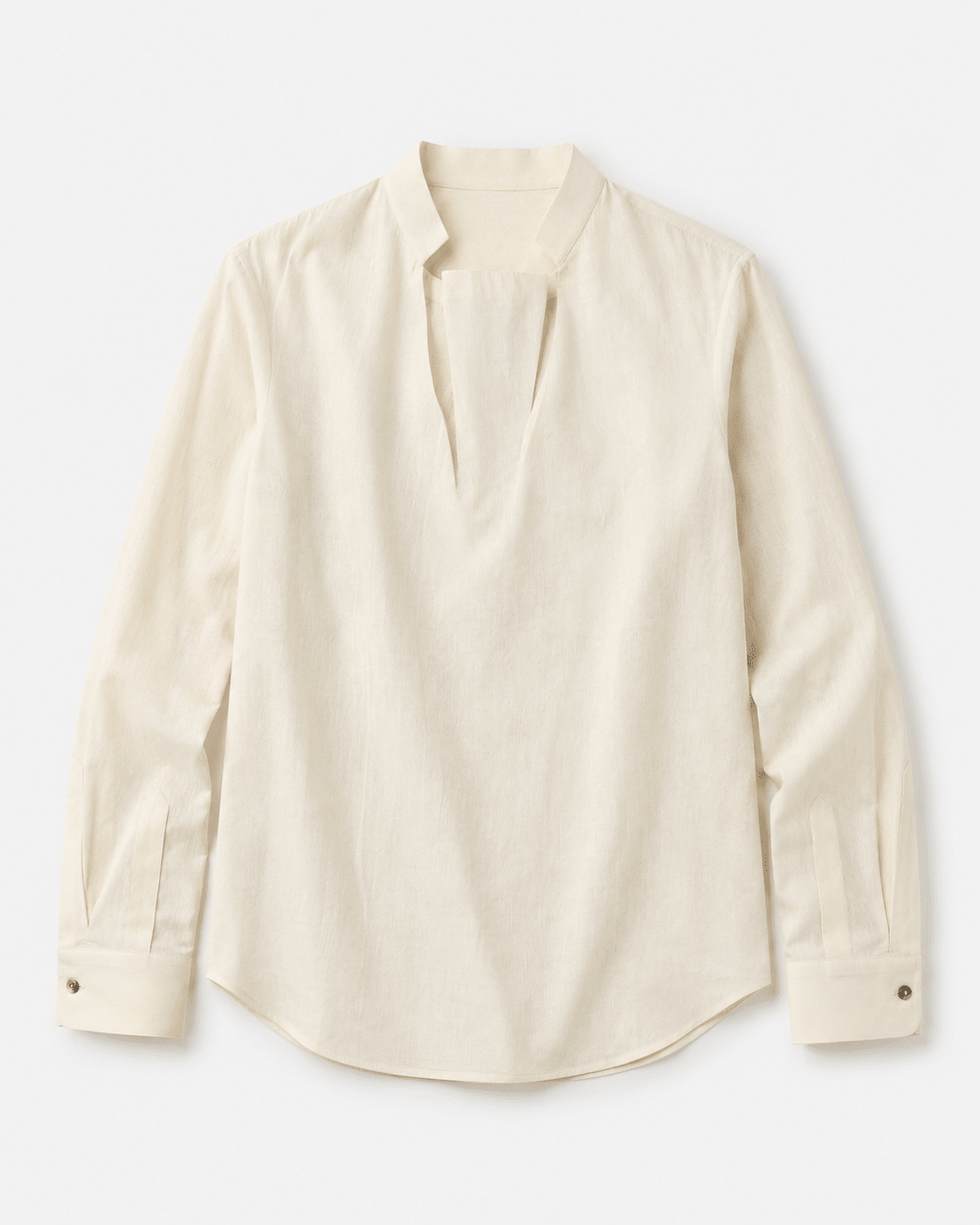
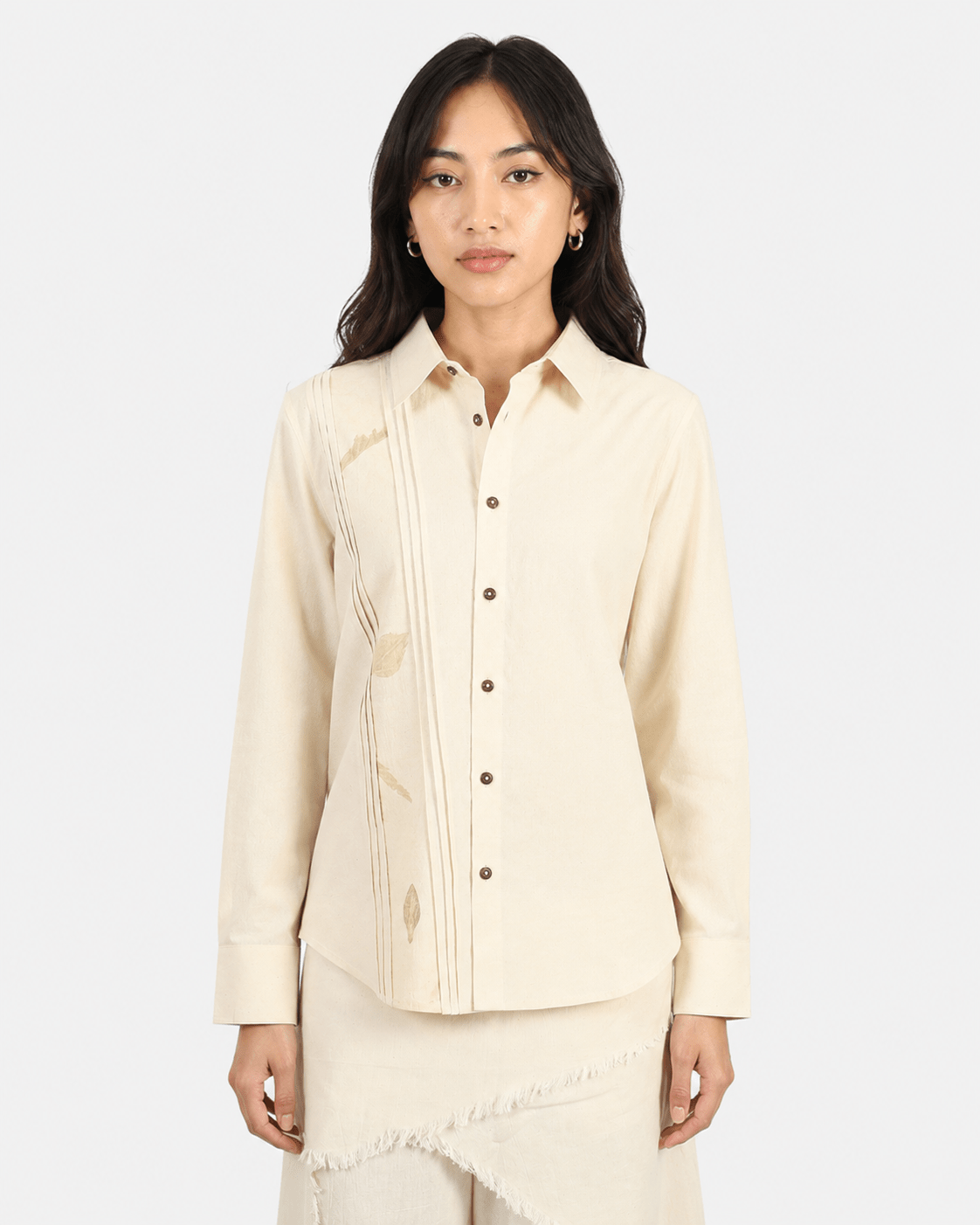
Avartan is the circular fashion initiative by Asha and Gautam Gupta, built on the belief that fashion can exist with greater responsibility, restraint, and longevity. Rooted in circular design principles, the brand transforms reclaimed and existing materials into contemporary garments that balance structure, fluidity, and timelessness. Developed in recycled cottons, linens, and biodegradable textiles, Avartan works with conscious material processes and minimal waste. Traditional textile fragments such as Ikat, Patola, Banarasi, and Bandhani are reconstructed through appliqué, eco-printing, and hand embroidery using natural yarns like nettle, eri, and tussar silk to create garments that carry memory, craftsmanship, and modern relevance. Designed beyond seasons and gendered boundaries, Avartan focuses on permanence, material honesty, and conscious creation.
Load video: Avartan Collection Video
Avartan - Brown Living™

Avartan

Circular Design. Conscious Craft.

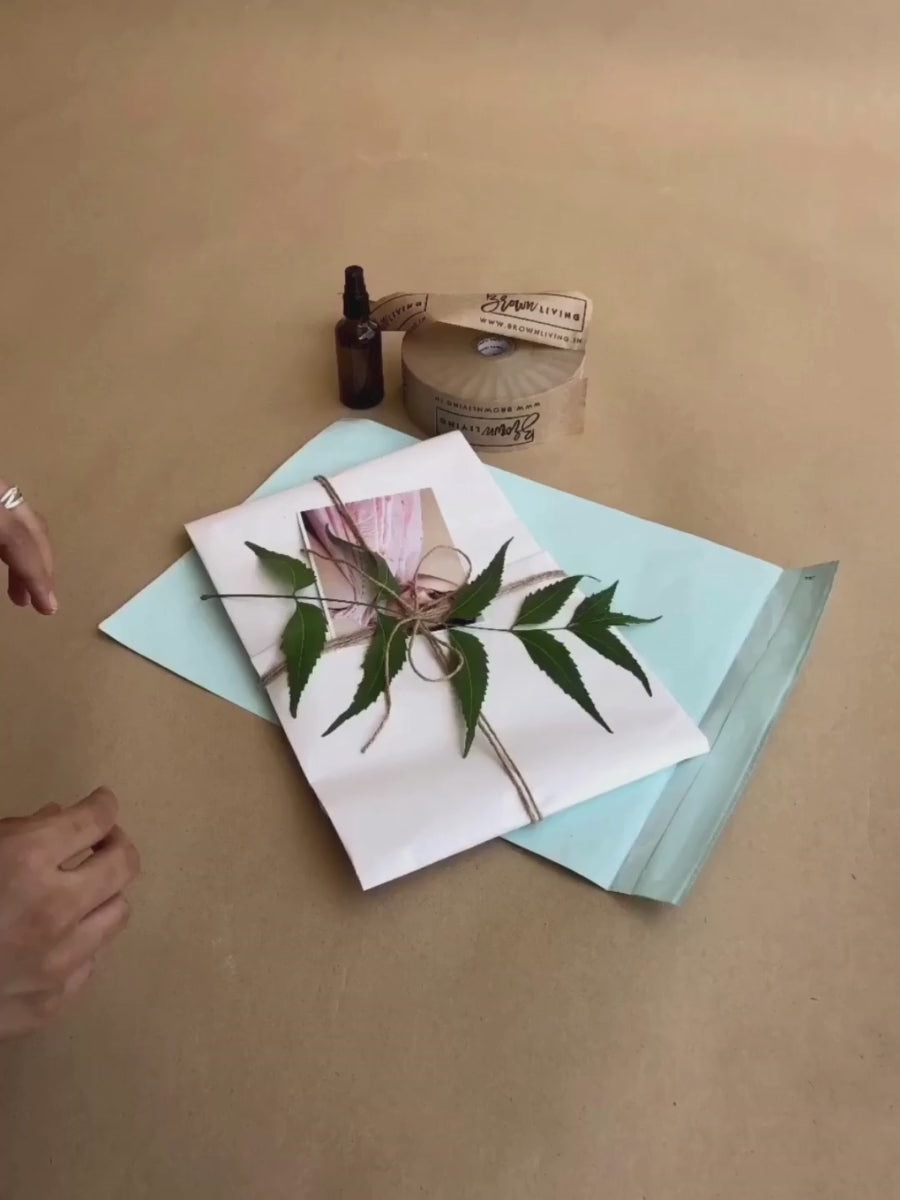
Load video: Brown Living Plastic Free Packaging Video

100% Plastic Free

we mean it

Read More

Plant a Tree With Us

Get an eTreeCertificate®

Plant Now
Brown Living Gift Card – Gift Cards on Brown Living™. SKU: BL - 500voucher. Img 1.

About Avartan

Avartan - Brown Living™

Avartan is a circular fashion label founded by Asha and Gautam Gupta, focused on sustainable materials, craft innovation, and conscious design. The brand combines recycled and biodegradable textiles, eco-dyeing techniques, reclaimed craft remnants, and artisan-led handmade processes to reduce textile waste, eliminate polyester dependency, preserve traditional crafts, support artisan communities, and promote environmentally responsible fashion rooted in Indian craftsmanship and material innovation.

Mission Statement

Reducing textile waste through circular fashion while supporting artisans and crafts. Option 2 (97

Impact Created

Produced 100 garments using 300 meters of recycled cotton, saving approximately 1,200 litres of water. Generated 2,250+ artisan hours through handmade embroidery and craft-based techniques across 75 garments. Trained and empowered 6 women artisans in Deulpur, West Bengal, through flexible home-based employment, enabling monthly earnings of INR 10,000–12,000. Created decentralised employment opportunities while reducing migration-related environmental impact.

Overall employment created

36

% of Women Employees

70

Number of Artisans Empowered

16

What are the causes you support?

Artisan Livelihoods, Fair Trade / Ethical Wage, Plastic Neutral, Upcycling Materials, Women's Empowerment


What is the manufacturing process?

Avartan follows a responsible and low-waste manufacturing process rooted in conscious craftsmanship and circular design. Garments are developed and produced in our own unit in Delhi, where cutting, stitching, finishing, and garment construction are carried out in-house to maintain quality and reduce production waste. Embroidery and surface development are executed by our own artisan teams in Delhi, along with our dedicated artisan unit in Deulpur, West Bengal. Existing textile waste generated within our other brands is thoughtfully repurposed through appliqué work, layering, patchwork, and design interventions, extending the life of valuable materials while minimising waste generation. The brand works in small batches with a focus on durability, handcrafted detailing, and mindful production practices that support long-term use and reduced environmental impact.

What are the ingredients/materials you use?

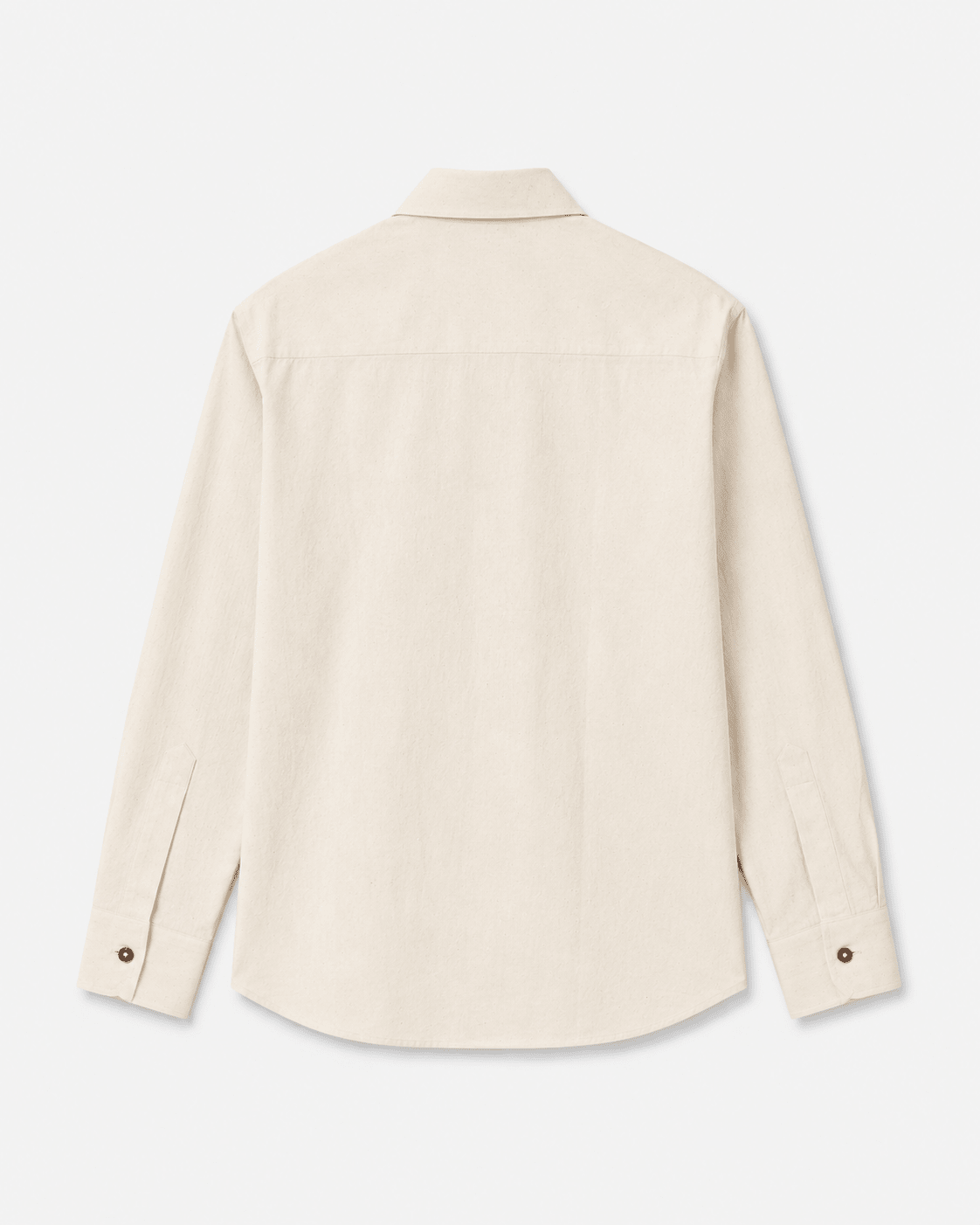
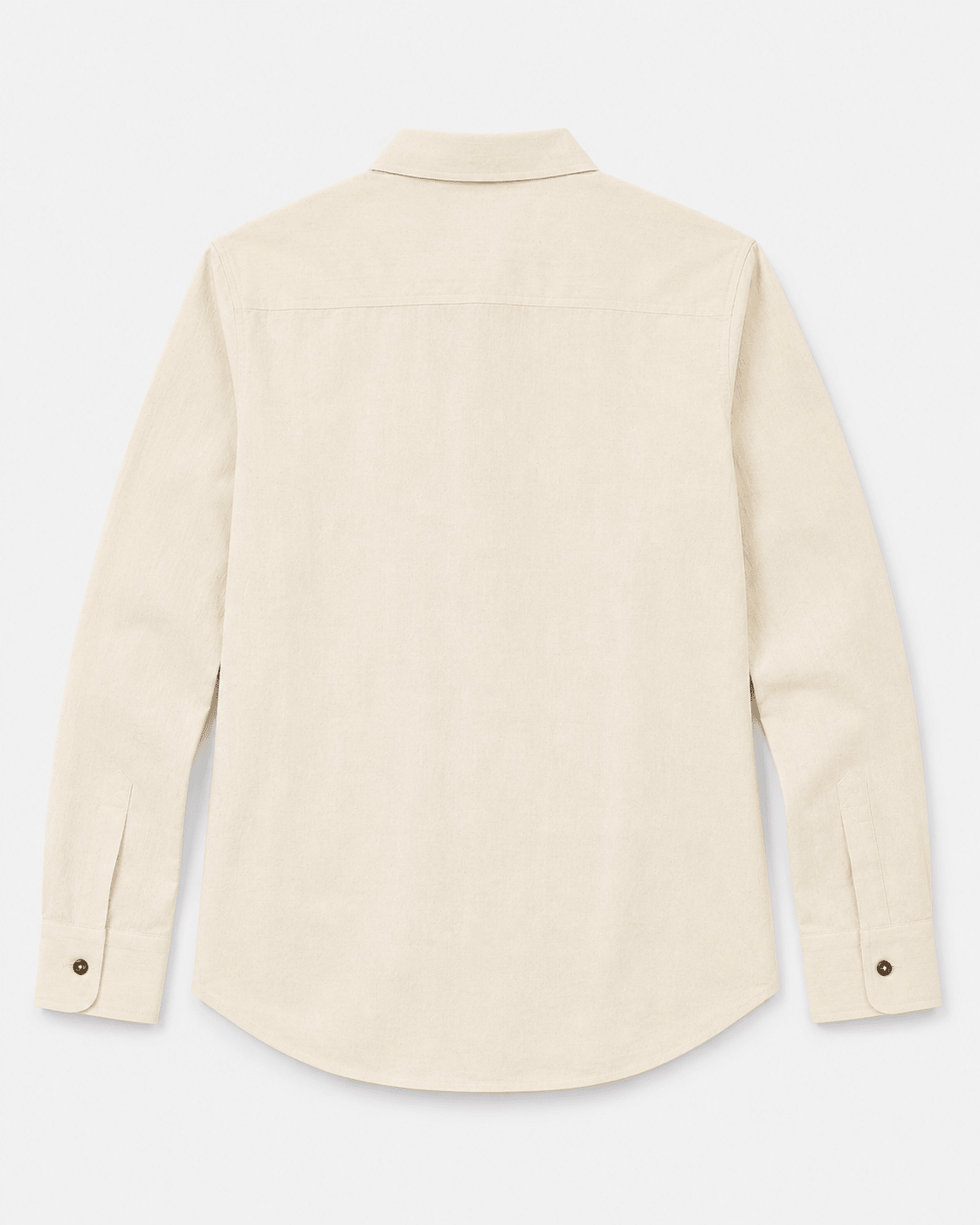
Avartan primarily works with recycled cotton and linen fabrics, focusing on natural, biodegradable, and low-impact materials. Textile remnants and leftover fabrics generated within our own brands are repurposed through appliqué work and surface enhancement techniques to minimise waste and extend textile life. Embroidery yarns used by the brand include Eri silk, nettle, and tussar-based yarns, while stitching threads are made from cotton. The garments use coconut shell buttons instead of synthetic alternatives, supporting the brand’s commitment to natural materials throughout the production process. For prints and surface treatments, Avartan incorporates eco-printing techniques and is gradually exploring natural dyeing methods as part of its ongoing sustainability journey.

How do you source your raw materials/ ingredients?

Avartan sources recycled cotton and linen fabrics from trusted vendors who provide certified recycled materials, and the brand maintains the relevant recycling certifications for transparency and traceability. Natural yarns such as nettle and Eri silk are sourced from artisan and textile communities in Northeast India and Uttarakhand, while additional yarns are procured from Banaras. Coconut shell waste buttons are locally sourced from Delhi-based suppliers, supporting the use of natural and biodegradable trims. For eco-printing and eco-dyeing processes, the brand works with easily available botanical materials and food waste sourced from its surrounding environment, encouraging low-impact and regenerative design practices.

During its life and beyond, can your products be repurposed or composted at home?

Yes. Avartan products are designed using natural and biodegradable materials, allowing them to be repurposed, repaired, or composted more responsibly at the end of their lifecycle. The garments are constructed without synthetic components; even closures and trims such as buttons are made using natural coconut shell. The use of recycled cotton, linen, cotton stitching threads, natural embroidery yarns, and biodegradable components enables many parts of the garment to break down naturally under suitable composting conditions. Due to their handcrafted construction and durable quality, garments can also be altered, repaired, layered, or repurposed into accessories, home textiles, or new design pieces, extending their usable life and reducing landfill waste.
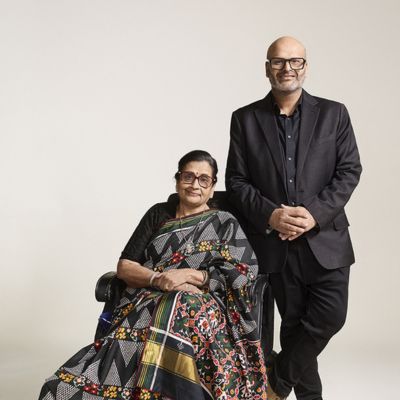
Founded by Gautam Gupta

Gautam Gupta Creative Director & Co-Founder — Avartan Creative Director — Asha Gautam & GG by Asha Gautam Gautam Gupta approaches fashion through the lens of preservation, innovation, and responsibil